

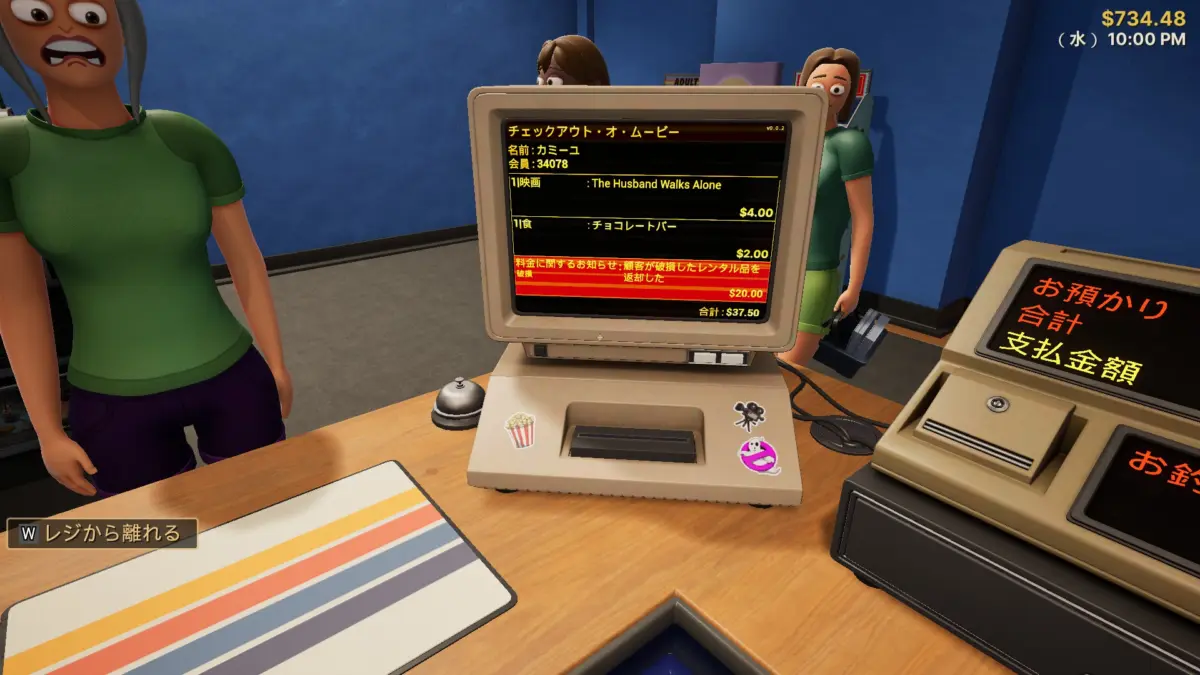
In an era dominated by instantaneous digital streaming algorithms, cloud-based libraries, and hyper-compressed video files, a profound cultural yearning for tangible media has quietly taken root across the global gaming community. Modern consumers, exhausted by the infinite scroll of contemporary subscription services and the sterile convenience of modern media consumption, are increasingly looking backward. They crave the tactile weight of physical formats, the ritualistic browsing of storefront aisles, and the nostalgic atmosphere of Friday night movie rentals.
Enter Retro Rewind – Video Store Simulator, an immersive single-player management simulation title developed for PC via Steam that officially launched its early access campaign on March 17, 2026. Setting its clock squarely back to the 1990s, the game places players directly behind the counter of a burgeoning neighborhood VHS rental shop. Charged with the responsibility of cataloging tapes, managing inventory, interacting with eccentric local clientele, and keeping a beloved community hub afloat, Retro Rewind captures lightning in a bottle. It transforms the mundane operational mechanics of retail management into an evocative, deeply engaging, and emotionally resonant time capsule.
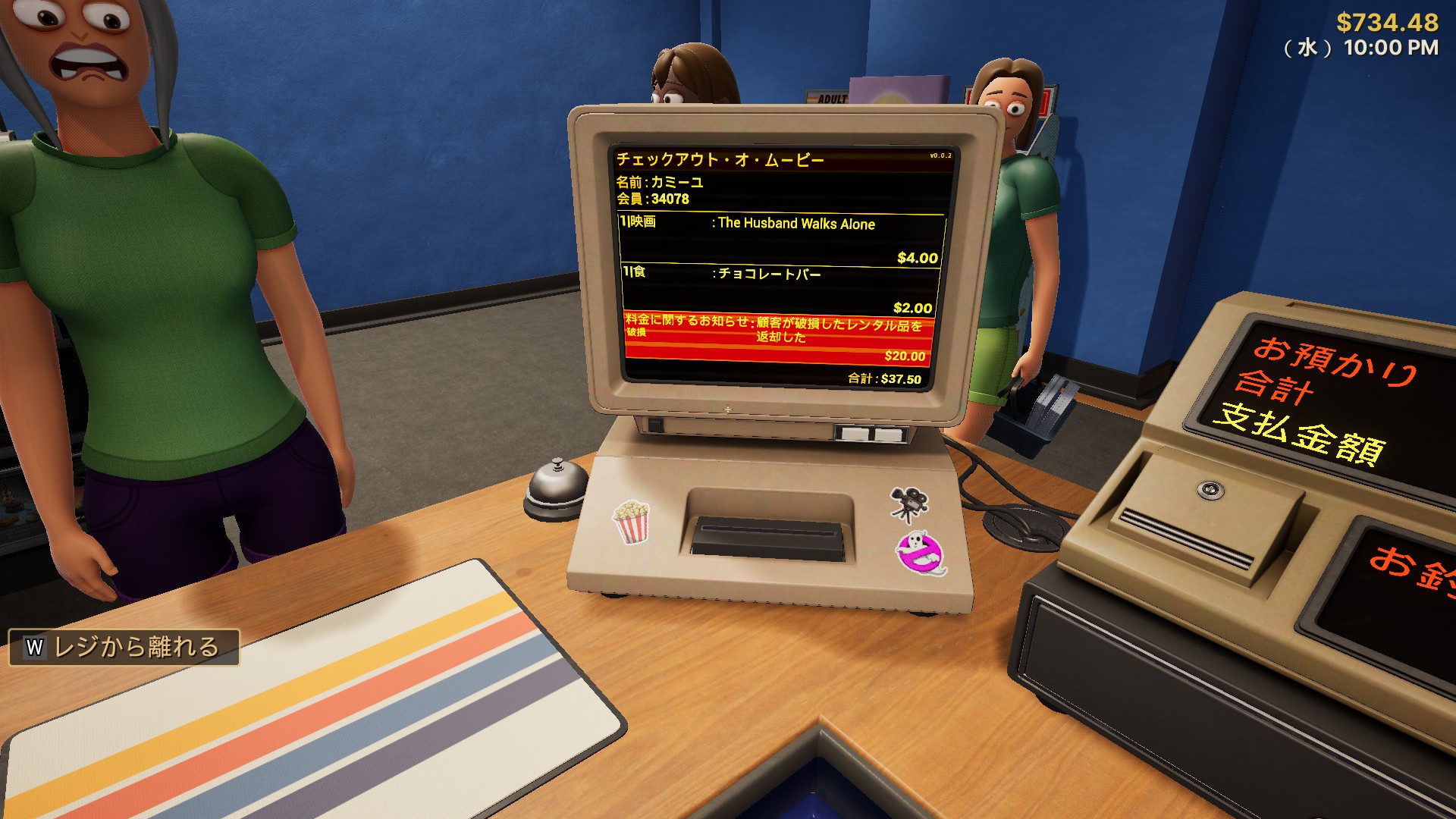
This comprehensive report examines the genesis, mechanical depth, economic simulation frameworks, and cultural reception of Retro Rewind – Video Store Simulator, detailing how it bridges the gap between retro nostalgia and modern simulation game design.
Detailed Chronology: From Concept to the Virtual Sales Counter
The development cycle of Retro Rewind – Video Store Simulator mirrors the grassroots resurgence of analog appreciation over the past decade. Conceptualized by an indie development team deeply passionate about the video store culture of the 1980s and 1990s, the project began as a love letter to a bygone era of physical media exploration.

The Conceptualization Phase (2024–2025)
Long before the game’s code was compiled, the core creative team spent months conducting ethnographic research into defunct video rental chains, independent mom-and-pop operations, and regional video store archives. They analyzed layout schematics, inventory categorization systems, and the sociological role that video stores played as communal gathering spaces before the rise of the internet.
The primary design challenge was balancing nostalgic aesthetic appeal with modern simulation mechanics. The developers realized that simply replicating a 1990s video store as a static museum piece would fail to retain player interest. Instead, they needed to turn the operational friction of running a business—managing late fees, tracking inventory shrinkage, keeping shelves stocked, and handling difficult customers—into compelling gameplay loops.
The Steam Early Access Launch (March 2026)
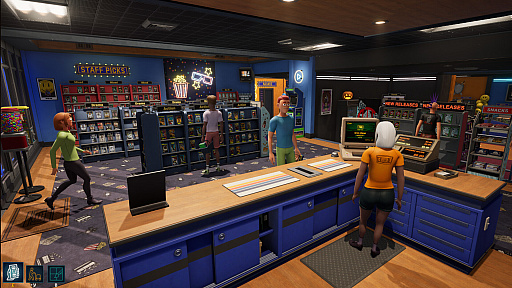
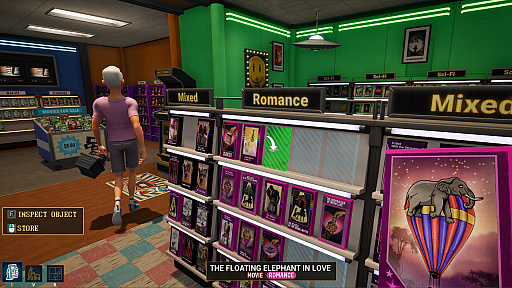
On March 17, 2026, Retro Rewind opened its virtual doors on Steam, immediately capturing the attention of simulation enthusiasts, nostalgic millennials, and Generation Z players curious about pre-digital commerce. The initial launch version offered a fully realized foundation: a customizable storefront, hundreds of distinct VHS cassettes spanning multiple genres (horror, action, sci-fi, comedy, and obscure B-movies), and an active economy driven by customer demand and seasonal trends.
Within its first week of availability, the game experienced a viral surge across social media platforms. Content creators on YouTube and Twitch began streaming their playthroughs, highlighting the chaotic reality of managing unruly customers, organizing messy return bins, and racing against the clock to keep shelves stocked before the evening rush.
Supporting Context & Metrics: The Analog Resurgence in Digital Spaces
The commercial success of Retro Rewind does not happen in a vacuum. It rides the crest of a massive cultural wave favoring physical media, vinyl records, film photography, and retro hardware. However, translating this physical nostalgia into the video game simulation genre required a precise understanding of player psychology.
Economic and Management Metrics
At its core, Retro Rewind functions as a sophisticated economic simulator. Players must balance profit margins, wholesale acquisition costs, employee wages, and utility bills.
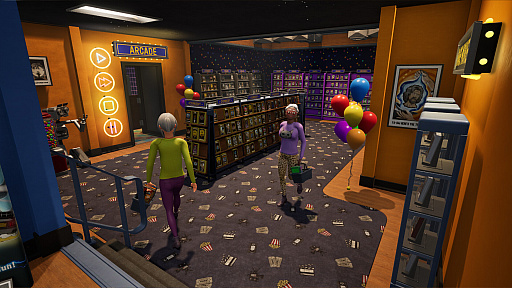
- Time Scale: Operating on a compressed time cycle where one real-world second equals roughly two in-game minutes (resulting in a 12-minute full business day), players are constantly kept on their toes.
- Inventory Management: Every tape on the shelf represents capital. Failing to stock high-demand genres results in missed revenue, while over-ordering niche titles ties up essential operating cash.
- Customer Satisfaction Index: Customer retention relies on maintaining a clean store, providing accurate recommendations, and ensuring that popular titles are readily available when requested.
The Demographic Breakdown
Market analytics from the early access launch indicate a fascinating demographic split. While older players who grew up frequenting independent video stores constitute a significant portion of the player base—seeking a direct hit of pure nostalgia—a surprisingly large percentage of players belong to younger generations. For Gen Z and younger millennials, the video store is a mythical, almost anthropological space. Retro Rewind offers them a portal into an era they never experienced firsthand, transforming historical curiosity into active, playful engagement.
Official Statements and Developer Vision
In press releases accompanying the launch, the lead designers of Retro Rewind – Video Store Simulator articulated their primary objectives for the project:
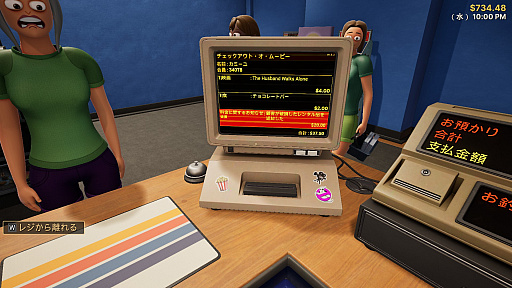
"We didn’t just want to build a game where you scan barcodes and hand back change," noted the studio’s creative director during a recent developer roundtable. "We wanted to recreate the soul of Friday nights in the ’90s. The feeling of walking down linoleum aisles, reading over box art that promised worlds beyond our imagination, and interacting with neighbors who shared your exact weird taste in cinema. That sense of community is what digital streaming platforms stripped away, and that is what we are proudly bringing back."
The development roadmap emphasizes community-driven updates. Through the Steam Community Hub and official Discord channels, the team has actively solicited feedback regarding future features, including:
- Expanded store customization options (neon signs, arcade machine installations, and custom floor plans).
- Deeper employee management systems, allowing store owners to hire, train, and delegate tasks to staff.
- Expanded movie catalogs featuring fictionalized cinematic masterpieces and cult classics from across the 20th century.
Future Outlook: The Evolution of Virtual Retail Management
As Retro Rewind – Video Store Simulator continues its journey through Steam Early Access, the horizon looks exceptionally bright. The development team has outlined an ambitious post-launch content schedule designed to expand both the breadth and depth of the simulation.
Upcoming Features and Expansions
- Advanced Employee AI: Future updates will introduce more granular employee management tools, allowing players to delegate inventory sorting, register operation, and customer service to hired staff members. This will enable store owners to focus on macro-expansion, opening franchise locations across different neighborhoods or even expanding into retro gaming and console rentals.
- Community Modding Support: Recognizing the creative energy of the player base, the developers are exploring native modding tools that will allow users to create custom VHS covers, insert fictional movie titles, and design custom store layouts, ensuring infinite replayability.
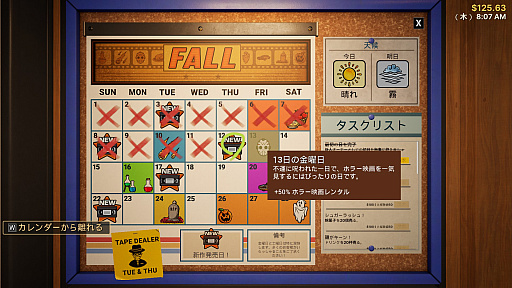
- Seasonal Events and Narrative Scenarios: Planned updates will introduce time-limited seasonal events (such as Halloween horror marathons or summer blockbuster rushes) alongside narrative-driven career scenarios that challenge players to save struggling storefronts from corporate mega-chains.
Conclusion
Retro Rewind – Video Store Simulator is far more than a simple nostalgia trip; it is a masterclass in atmospheric simulation design. By pairing meticulous business management mechanics with an affectionate, pitch-perfect recreation of 1990s pop culture, the developers have crafted a standout title that resonates deeply with players across generations. Whether you are reliving your childhood Friday nights or discovering the magic of analog media for the very first time, Retro Rewind proves that some experiences are simply timeless—as long as you remember to be kind and rewind.









Belum ada komentar. Jadilah yang pertama berkomentar!