

Executive Overview
In the hyper-regulated, fiercely guarded commercial ecosystem of modern Japan, major convenience store chains—often referred to as konbini—leave nothing to chance. Entities like Lawson, FamilyMart, and Seven-Eleven operate with uncompromising precision. Their color palettes, typography, and iconic logos are globally recognized trademarks protected by legal teams ready to pounce on any hint of intellectual property infringement. To see a konbini deviate from its corporate visual identity is practically unheard of; it feels less like a marketing pivot and more like a glitch in the simulation.
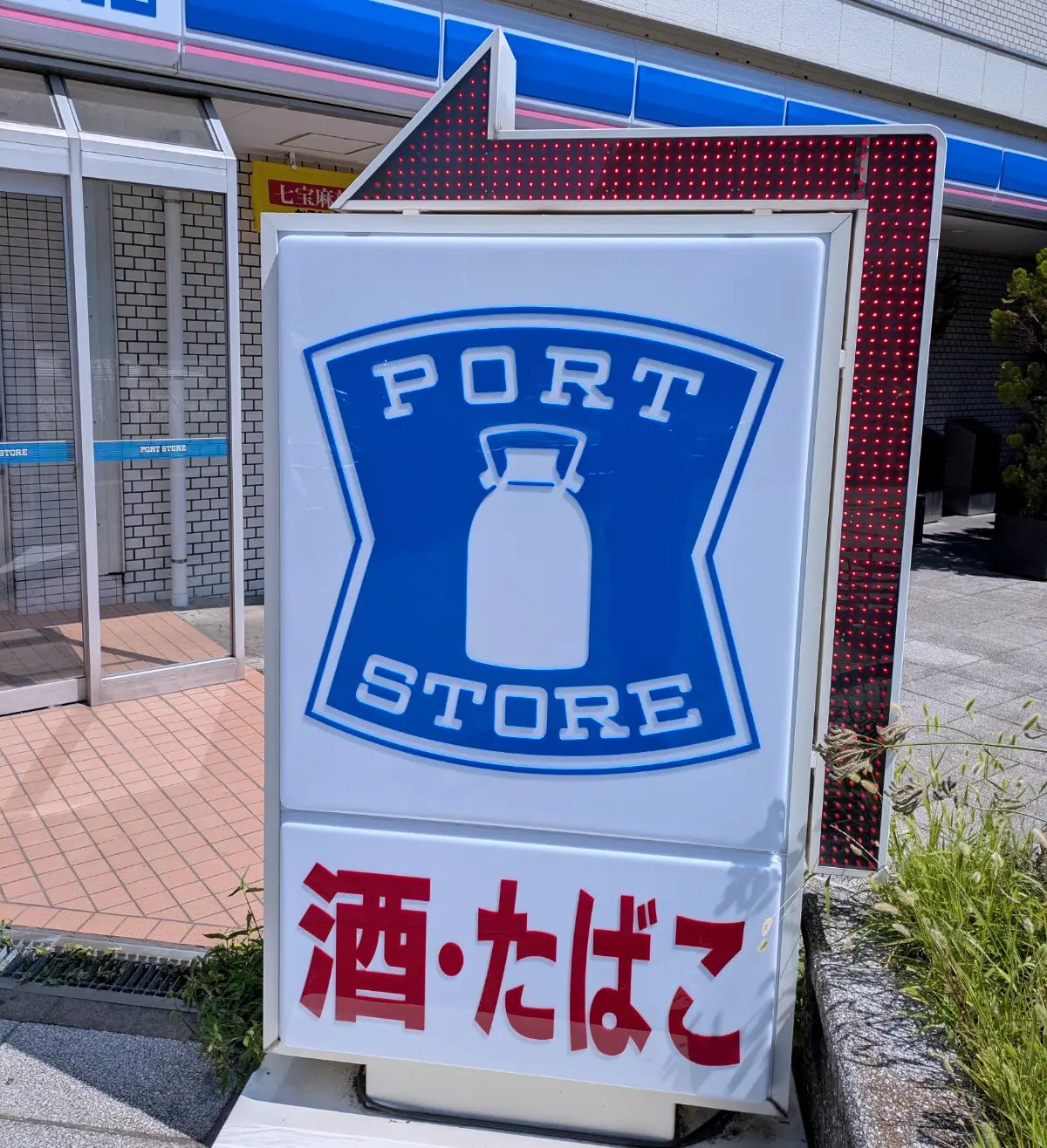
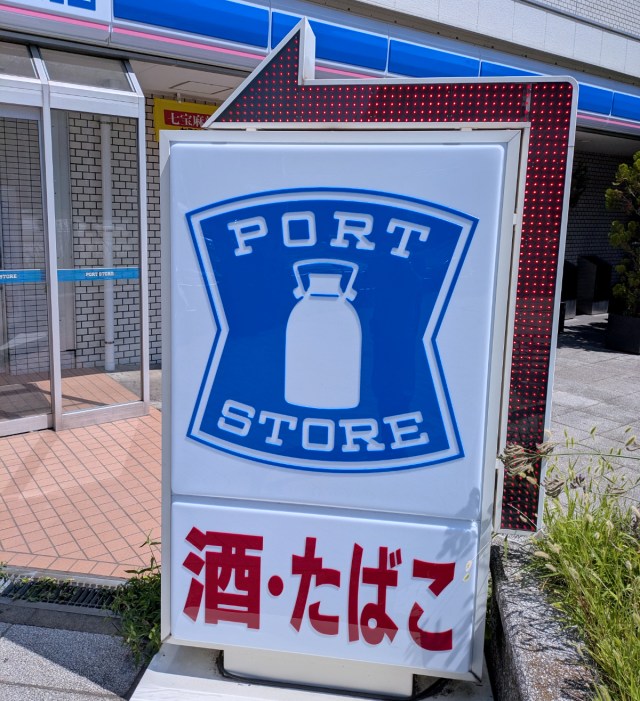
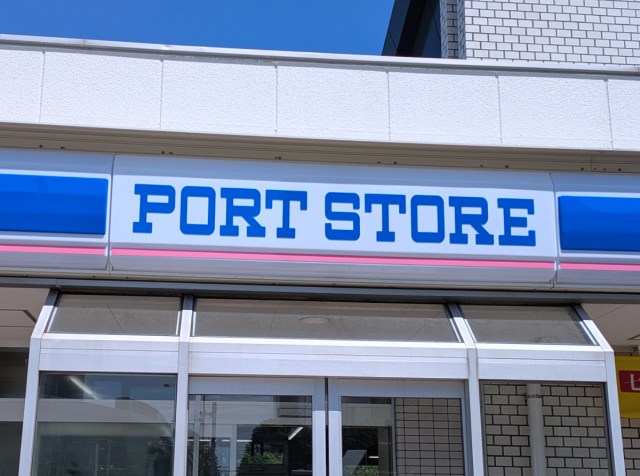
Yet, tucked away in the industrial harbor district of Aomi, just a stone’s throw from Tokyo’s shimmering, futuristic Odaiba entertainment hub, sits a profound commercial anomaly. From a distance, it flies the unmistakable blue, white, and pink banners of Lawson, complete with its characteristic milk-can heraldry. But upon closer inspection, a jarring realization sets in: the sign reads not "Lawson," but "Port Store."
This is not a bootleg enterprise, nor is it an elaborate set piece from an anime series or science fiction film. Rather, it represents an ingenious operational collaboration between a major corporate titan and a municipal non-profit organization. Operated by the Tokyo Port Welfare Association in active partnership with Lawson, the Aomi Port Store serves as a specialized hybrid welfare facility. It merges the standard, comforting inventory of a 24-hour convenience store with heavy-duty industrial supplies—such as Toraichi workwear, steel-toed footwear, high-visibility safety vests, and hard hats.
This comprehensive investigative report examines the origins, structural mechanics, socio-economic utility, and experiential reality of Tokyo’s most fascinating retail anomaly.

Detailed Chronology: Stumbling Through the Glitch in the Matrix
The discovery of the Aomi Port Store reads like a dispatch from an alternate timeline. During a routine urban exploration expedition through Tokyo’s southeastern waterfront wards, veteran SoraNews24 reporter Mr. Sato found himself navigating the concrete-and-asphalt expanse of Aomi—an area defined less by neon-lit tourist attractions and more by shipping containers, logistics hubs, and heavy transport depots.
The Approach: A Familiar Mirage
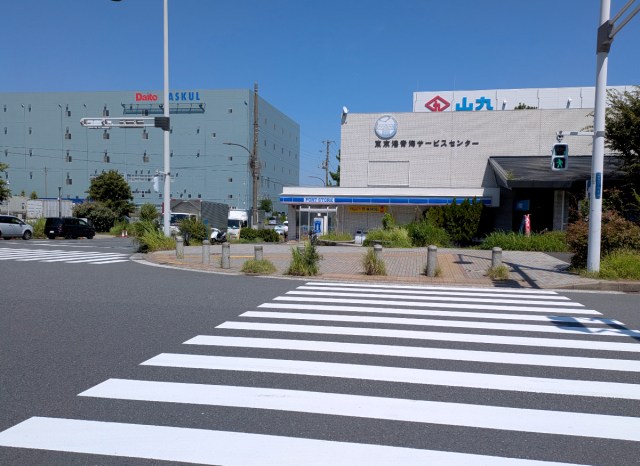
Initially, the eye registers what the brain expects to see. Across the street, framed by the stark utility poles and wide industrial thoroughfares characteristic of Tokyo’s port infrastructure, stood a classic Lawson storefront. The distinct tricolor stripes running horizontally across the building’s fascia—royal blue, crisp white, and soft magenta—glowed under the afternoon sun. The familiar glowing marquee featuring the stylized milk can emblem signaled safety, accessibility, and the promise of hot fried chicken (karaage-kun) and chilled canned coffee.
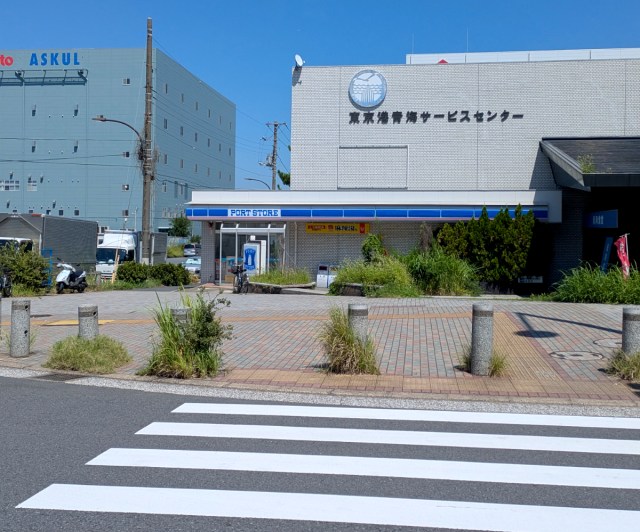
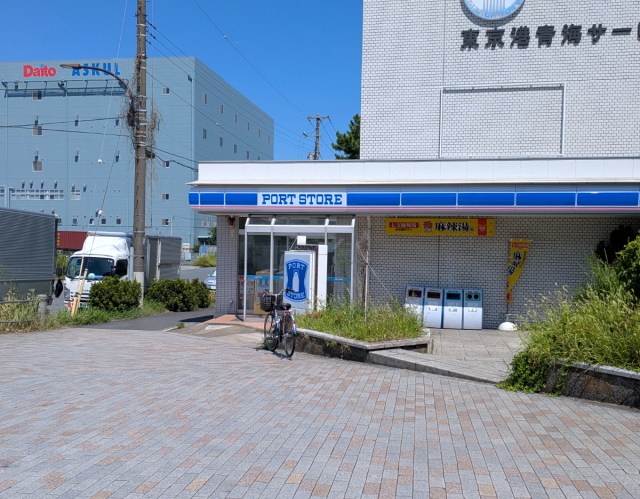
As Mr. Sato drew closer, however, cognitive dissonance set in. The proportions, the glass sliding doors, and the architectural footprint were unmistakably those of a standard suburban Lawson franchise. Yet, the main marquee bore a different typography. Replacing the bold, ubiquitous italicized script of "Lawson" were the words: "Port Store."
Skeptical and intrigued, Mr. Sato approached the illuminated milk can logo adorning the exterior structural pillars. There, too, the branding had been subtly swapped out, bearing the institutional stamp of the Port Store. In a nation where corporate branding guidelines are treated with sacred reverence, witnessing a sanctioned, customized modification of a top-tier konbini exterior felt akin to stepping out of consensus reality and into a video game render.
Crossing the Threshold: Inside the Hybrid Retail Space
Sensing he had bypassed the normal rules of commercial architecture, Mr. Sato stepped through the automatic sliding doors into the climate-controlled interior.
At first glance, the layout defied the exterior’s warning. The greeting chime (Irasshaimase) rang out with the familiar synthesized tone. The beverage coolers lined the back wall, stocked with energy drinks, bottled green tea, and milk teas. The central aisles featured rows of potato chips, instant ramen cups, chewing gum, and packaged baked goods. The register counter boasted the familiar hot food warmer case, ready to dispense steamed pork buns and deep-fried snacks.
However, a deeper scan of the floor plan revealed a distinct divergence from the standard Lawson blueprint. Interspersed between the conventional retail displays were dedicated shelving units catering directly to the blue-collar demographic driving Tokyo’s maritime economy.
Rather than relying solely on magazines, cosmetics, and disposable umbrellas, the Aomi Port Store devoted prime real estate to heavy-duty industrial gear:
- Industrial Footwear: Steel-toed work boots and slip-resistant safety shoes designed for dockworkers and warehouse technicians.
- Textiles & Protection: Heavy-duty canvas work gloves, thermal and moisture-wicking socks, industrial-grade hand towels, and high-visibility safety sashes.
- Headwear & Safety: Certified industrial helmets and hard hats, alongside specialized neck cooling wraps essential for summer labor in the unshaded concrete yards of Tokyo Port.
Supporting Context & Metrics: The Mechanics of the Port Welfare Ecosystem
To understand how a major enterprise like Lawson permits the alteration of its iconic branding, one must examine the socio-economic framework governing Tokyo’s maritime districts.
The Tokyo Port Welfare Association
The Aomi Port Store is not an independent rogue franchise; it is the physical manifestation of a specialized public-private partnership. The facility is administered by the Tokyo Port Welfare Association (Tokyo-to Kōwan Kōsei Kyōkai), a non-profit organization dedicated to improving the working and living conditions of individuals employed within the capital’s vast port infrastructure.
Tokyo Port handles millions of tons of cargo annually, functioning as a vital economic engine for the Greater Tokyo Area. Thousands of truck drivers, stevedores, crane operators, customs officials, and logistics coordinators labor around the clock within the labyrinthine expanse of Kōto and Ōta wards. Historically, providing adequate welfare facilities—such as cafeterias, rest areas, and supply shops—across these sprawling, isolated industrial zones presented a massive logistical challenge.
The Evolution of the "Port Store" Concept
Recognizing the limitations of traditional, standalone municipal canteens—which often operated on restricted daytime hours—the Tokyo Port Welfare Association sought a scalable solution. By partnering with major retail conglomerates such as Lawson and FamilyMart, the association leveraged private-sector supply chains, inventory management systems, and 24-hour operational expertise.
This symbiotic arrangement yielded the "Port Store" initiative:
- Brand Integration: Lawson supplies the core operational framework, point-of-sale systems, supply chain logistics, and mainstream retail inventory (food, beverages, toiletries, and convenience items).
- Targeted Curation: The welfare association dictates specialized inventory expansions, ensuring that workers operating heavy machinery or navigating hazardous docks have immediate, round-the-clock access to essential personal protective equipment (PPE) and heavy-duty workwear without having to travel miles inland to specialized urban supply stores.
- Accessibility: By operating 24 hours a day, 365 days a year, the stores accommodate the erratic shift work inherent to maritime logistics, serving night-shift truck drivers and early-morning dock crews alike.
Official Statements & Industry Analysis
While corporate press releases regarding minor franchise variants are often brief, retail analysts and economic sociologists view the Port Store model as a masterclass in localized brand flexibility.
According to retail industry observers in Tokyo, major konbini chains have increasingly sought out non-traditional locations—ranging from hospitals and university campuses to remote mountain train stations and industrial port zones—to capture captive markets. However, allowing a co-branded facade like the Port Store remains an elite exception reserved for institutional partnerships that carry social welfare mandates.
A spokesperson for retail logistics research groups in Tokyo noted:
"The Japanese convenience store is often hailed as the ultimate equalizer of urban life—uniform, predictable, and omnipresent. Yet, the true genius of the konbini lies in its micro-adaptability. By granting localized concessions to entities like the Port Welfare Association, chains like Lawson bridge the gap between mass corporate efficiency and grassroots community service. It demonstrates that brand equity can be successfully shared when the core mission shifts from pure profit extraction to essential civic infrastructure support."
Consumer Experience & The "Toraichi" Discovery
For the average consumer or traveler stumbling upon the Aomi Port Store, the experience transcends mere utility; it offers a rare glimpse into the subcultures of Japanese labor.
During his field investigation, Mr. Sato documented his interactions with the store’s unique inventory, ultimately selecting three items that encapsulated the dual nature of the establishment:
- Waffle Cone Milk Ice Cream: A quintessential Lawson private-brand dessert, offering a touch of indulgence amid the industrial backdrop.
- Budget Cheese Crackers: A reliable, high-value snack popular among long-haul drivers looking for a quick energy boost.
- A Toraichi-Branded Towel: A prized artifact from the excursion.
The Significance of Toraichi
To those unfamiliar with Japanese blue-collar culture, Toraichi is a legendary brand. Renowned for manufacturing high-end, exceptionally durable workwear—frequently associated with tobi-shoku (scaffolding specialists) and traditional construction artisans—Toraichi garments are symbols of pride, durability, and craftsmanship. Finding authentic Toraichi merchandise casually hanging on a rack next to convenience store magazines and breath mints is a testament to how deeply attuned the Port Store is to its core clientele.
Flaunting his newly purchased ice cream in one hand and his Toraichi towel in the other, Mr. Sato noted that the store radiates an unexpected charm. It proves that even the most monolithic corporate giants can step outside their rigid brand manuals to accommodate the practical, everyday needs of the working people who keep a metropolis running.
Future Outlook & Conclusion
As Tokyo continues to modernize its waterfront infrastructure and optimize its logistics networks, specialized facilities like the Aomi Port Store will undoubtedly remain vital linchpines of the local workforce ecosystem.
While general consumers and tourists do not need special credentials to enter or make purchases—anyone wandering down from Odaiba is free to walk through the sliding doors—the store remains fundamentally anchored in its civic duty to the port community. It stands as a heartwarming monument to practicality over rigid corporate vanity.
For travelers seeking off-the-beaten-path experiences in Tokyo, a pilgrimage to the Aomi Port Store offers far more than just a quirky photo opportunity. It provides a deeper appreciation for the quiet, efficient machinery of urban life, demonstrating how public welfare and private enterprise can merge to create something entirely unique.
Store Information
- Facility Name: Port Store Aomi (Port Store 青海)
- Address: 4-4-1 Aomi, Kōtō-ku, Tokyo 135-0064 (東京都江東区青海4-4-1)
- Operating Hours: Open 24 Hours, 7 Days a Week
- Access: Within walking distance from Tokyo Waterfront Area Rapid Transit (Rinkai Line) stations and surrounding logistics complexes in the Odaiba/Aomi waterfront zone.







Belum ada komentar. Jadilah yang pertama berkomentar!