

Executive Overview
The intersection of Creative Assembly’s marquee grand strategy formula and Games Workshop’s grimdark sci-fi universe has long been considered the ultimate holy grail for tactical PC gamers. Following the monumental success of the fantasy-based trilogy, the announcement of Total War: Warhammer 40,000 marks a seismic shift for the franchise. Moving away from the traditional nation-state paradigm that defined historical entries and even the Total War: Warhammer fantasy trilogy, the upcoming sci-fi adaptation is redefining how military factions, planetary infrastructure, and political hierarchies interact.
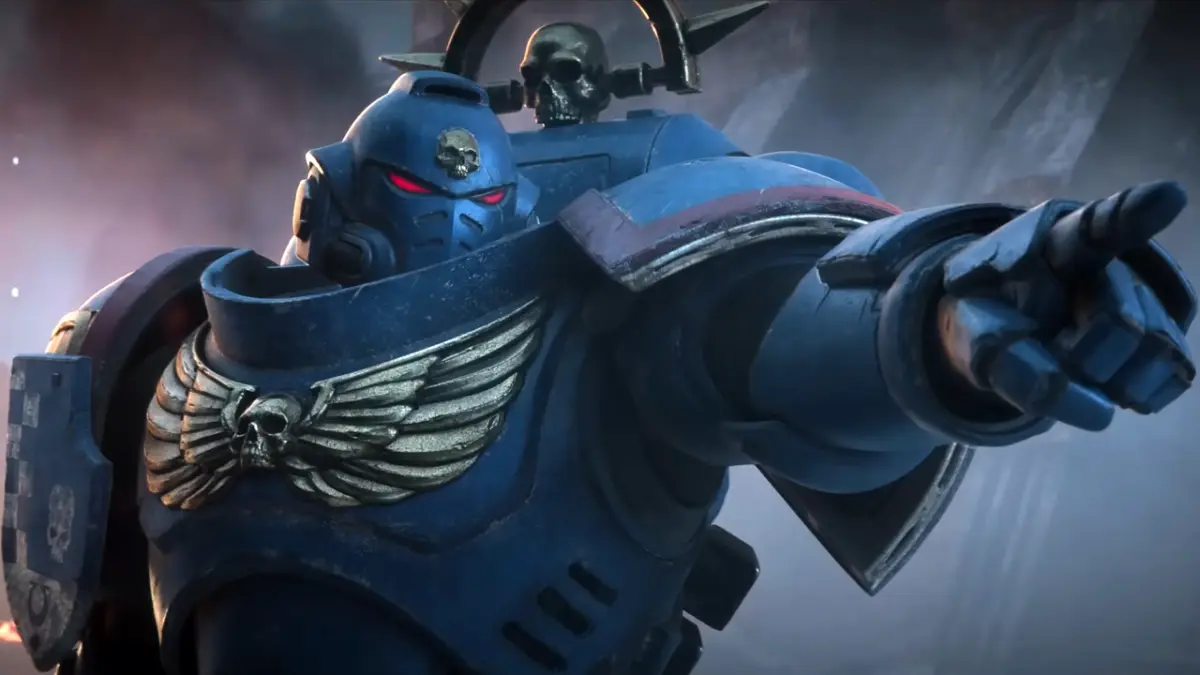
Recent hands-on demonstrations at Gamescom offered strategy enthusiasts their first substantive look at the game in action, specifically highlighting the Ultramarines chapter of the Adeptus Astartes. Rather than commanding a monolithic, self-contained nation, players stepping into the boots of a Space Marine chapter master must navigate the labyrinthine and often treacherous bureaucracy of the Imperium of Man. Early gameplay reveals an intricate web of military cooperation, where elite post-human warriors rely on local Planetary Defense Forces (PDF) and the Astra Militarum to hold the line, all while managing a delicate political reputation to avoid accusations of heresy.
Furthermore, Creative Assembly has confirmed a major structural pivot for the franchise: instead of releasing a trilogy of separate, combinable titles—the monetization and structural model of its predecessor—Total War: Warhammer 40,000 will adopt a singular, continuously expanded sandbox framework. This comprehensive report breaks down the mechanics, developer insights, faction dynamics, and strategic implications of what promises to be one of the most ambitious strategy releases of the decade.
Detailed Chronology: From Fantasy Trilogies to Sci-Fi Sandbox
The journey toward a Total War set in the 41st Millennium has been a long-held aspiration for both the community and the development team at Creative Assembly. To understand the significance of the current design choices, it is necessary to examine the evolutionary timeline of the franchise’s foray into Games Workshop properties.
The Fantasy Blueprint (2016–2022)
When Total War: Warhammer launched in 2016, it broke the mold for a historical strategy series by introducing asymmetric factions, magic systems, flying units, and legendary lords. This was followed by two massive sequels, Total War: Warhammer II (2017) and Total War: Warhammer III (2022). These games eventually coalesced into the colossal "Immortal Empires" map—a feat achieved by stitching together three separate standalone titles purchased over the span of six years.
While this model allowed for an unprecedented scale of content, it also created architectural hurdles, high financial barriers to entry for newcomers, and fragmented patch histories. Recognizing these structural pain points, Creative Assembly’s leadership began mapping out a radically different approach for the inevitable leap into the sci-fi grimdark of Warhammer 40,000.
The Gamescom 2024 Reveal and Hands-On Period
The project transitioned from whispered rumor to concrete reality during high-profile industry events, culminating in a playable build showcased at Gamescom. Strategy journalists and select community members were given limited hands-on time with the pre-alpha build, casting players as the iconic Ultramarines chapter.
During these demo sessions, players were thrust into both medium-scale skirmishes and massive planetary engagements against Orks. It was during these sessions that the fundamental differences between fantasy faction design and 40k faction integration came to light. Observers noted that settlement garrisons were not populated by the high-tech, genhanced Space Marines themselves, but rather by standard human conscripts from the Planetary Defense Force (PDF).
This structural realization prompted deep dives from the developers regarding how the broader Imperium of Man will function mechanically within the Total War campaign map. Rather than treating every faction as an isolated empire with identical recruitment pools, Creative Assembly is engineering a deeply interdependent military ecosystem.
Supporting Context & Metrics: Redefining Faction Ecology
In historical Total War titles like Rome or Three Kingdoms, factions function as distinct sovereign states. Even in Total War: Warhammer, an Orc tribe or a Vampire Coast faction operates as a self-sufficient entity with its own cities, recruitment buildings, and military units.
Total War: Warhammer 40,000 shatters this paradigm by acknowledging the complex, multi-layered military structure of the Imperium.
The Interdependent Military Hierarchy
In the lore of the 41st Millennium, a Space Marine chapter does not typically act as a traditional governing body or tax-collecting state. Instead, they are monastic, highly mobile strike forces operating at the behest of the Emperor, relying on local planetary infrastructure to sustain their campaigns.
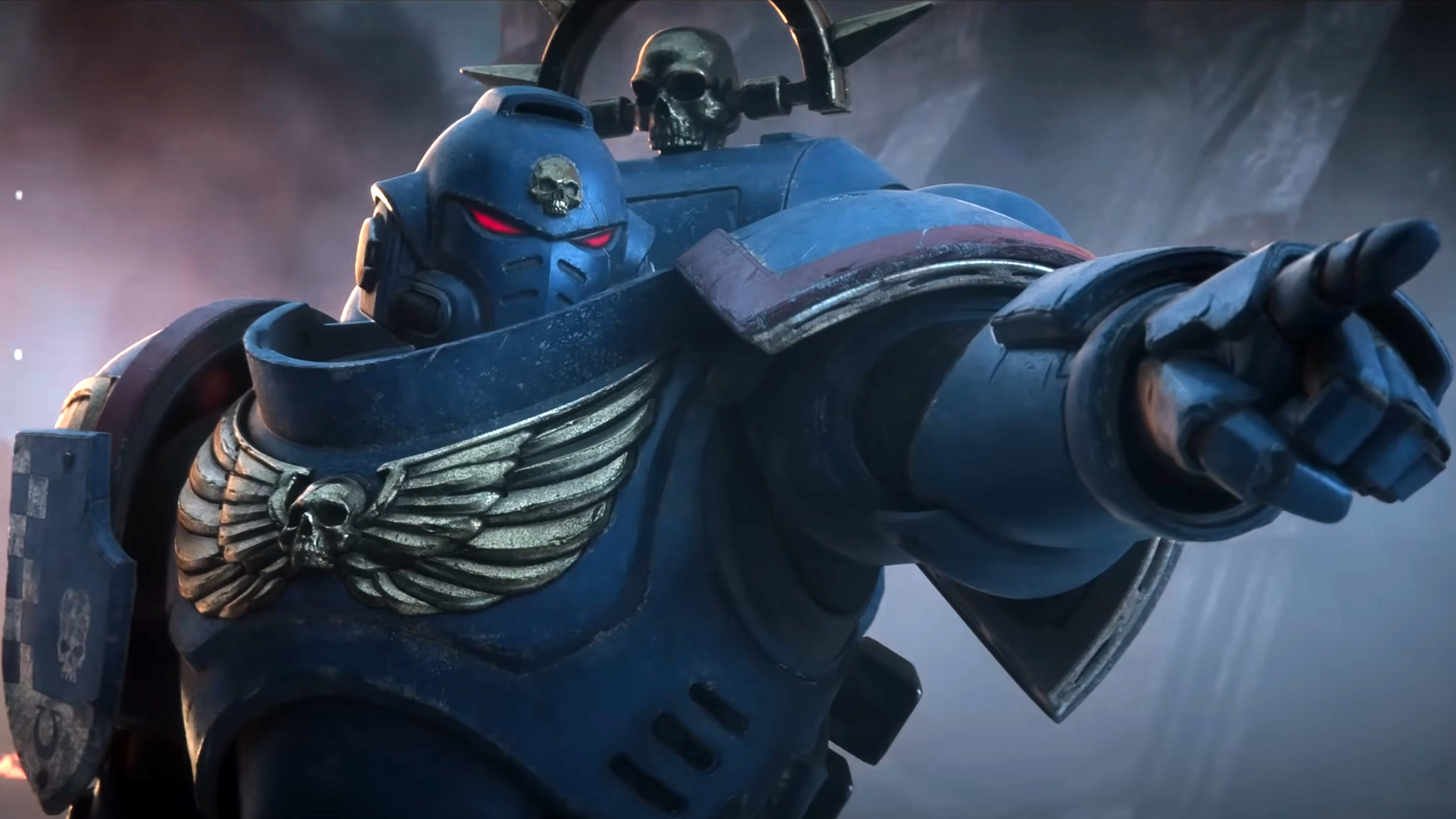
- Planetary Defense Forces (PDF): When a player captures or defends a settlement as a Space Marine faction, the garrison forces occupying those walls are composed of ordinary human soldiers—the PDF. These units serve a defensive purpose, mirroring traditional Total War mechanics, but they cannot be directly recruited into your primary mobile Space Marine armies.
- The Astra Militarum (Imperial Guard): As demonstrated in the Gamescom build, allied forces such as the Astra Militarum can appear organically during battles. In the demo, players encountered AI-controlled Imperial Guard regiments already locked in combat with Orks. While direct control of these allied detachments was restricted in the early build, developer commentary heavily implies deeper integration in the final game.
- The Adeptus Mechanicus and Beyond: To truly "fill the galaxy out," Creative Assembly is looking toward other arms of the Imperium. Fans are eagerly anticipating the inclusion of the tech-priests of Mars (Adeptus Mechanicus), alongside varied Space Marine chapters (such as the ferocious Space Wolves) and looming xenos threats like Genestealer Cults.
The Sandbox Paradigm Shift
Perhaps the most critical piece of news concerning the game’s architecture is its distribution and expansion model. Creative Assembly has officially confirmed that Total War: Warhammer 40,000 will not follow the trilogy model of its predecessor.
Instead of requiring players to purchase three separate base games to unlock the ultimate combined map, the new title is designed from the ground up as a living sandbox. Creative Assembly will continuously patch, expand, and inject new factions, mechanics, and regions into this single, unified platform over many years. This addresses the fragmented ownership barrier of the past, ensuring that the entire community plays within the same foundational ecosystem from day one.
Official Statements and Developer Insights
Insights shared by battle product owner Dave Petry shed light on the design philosophy driving these ambitious mechanics. Translating the sprawling, lore-dense universe of Warhammer 40,000 into a readable and engaging grand strategy game requires striking a delicate balance between authentic source material and mechanical fun.
Bridging the Gap Between Astartes and Mortals
Discussing how the human elements of the Imperium interact with transhuman super-soldiers, Petry emphasized the importance of systemic cooperation:
"The way that the Imperium works together is going to be very important. And working as a Space Marine with local planetary forces and governors to be able to get the support that you need in order to be able to be that tip of the spear, we want that to be the case."
This cooperative necessity forms the bedrock of the campaign experience. Players cannot simply brute-force their way across the galaxy using only Space Marines; managing logistical and political ties with local planetary leadership is vital.
The Mechanics of Imperial Politics and Reputation
Perhaps the most intriguing revelation from the developer interviews is the introduction of a political friction and reputation system. In the Imperium, power is dangerous, and accumulating too much autonomy can easily draw the lethal gaze of the Inquisition. Petry elaborated on this gameplay loop:
"Collaborating among the Imperium is something we really want to be able to do, and managing your reputation in the Imperium as a Space Marine is also something that’s very important. Like not doing things that look too much like building an empire or becoming too powerful."
This mechanics-driven paranoia introduces an entirely new layer of strategic depth to Total War. Players must balance their military conquests against the political optics of their expansion, avoiding actions that might be construed as treason, heresy, or the unauthorized establishment of a personal interstellar empire. It forces a distinct playstyle: rather than painting the map entirely in your chapter’s colors, you must act as a surgical instrument of the Emperor while navigating the treacherous waters of Imperial politics.
Future Outlook: What Lies Ahead for the 41st Millennium
As development on Total War: Warhammer 40,000 continues, anticipation within the strategy gaming community is reaching fever pitch. By abandoning the restrictive three-game release model in favor of an ongoing sandbox, Creative Assembly has positioned the project to be a definitive platform for tabletop and video game crossover fans alike.
Key Milestones and Expectations
- Refining Allied Integration: Moving from AI-controlled allied forces (such as the Astra Militarum units spotted fighting Orks in the demo) to fully interactive coalition mechanics will be a major focal point for the development team. The ability to requisition meat-shield infantry or specialized artillery batteries will drastically alter army composition tactics.
- Expansion of Faction Rosters: With the Ultramarines and Orks serving as early showcases, the roadmap must eventually incorporate iconic factions from across the spectrum. Fans are watching closely for news regarding Chaos space marine factions, Eldar, Tyranids, and the Necrons.
- Balancing the Reputation Loop: Tuning the political systems to ensure that avoiding "heresy" or "over-expansion" feels like an engaging strategic puzzle rather than an artificial restriction will be crucial to the campaign’s long-term replayability.
Conclusion
Total War: Warhammer 40,000 represents a massive evolution for Creative Assembly. By rethinking how military branches cooperate, introducing intricate political dynamics via the Imperium’s reputation systems, and committing to a sustainable, single-sandbox expansion model, the studio is crafting an experience that honors the terrifying, bureaucratic, and endlessly brutal scale of the 41st Millennium. If the developers can successfully balance these complex mechanical plates, the emperor of strategy games may soon claim a brand-new throne.







Belum ada komentar. Jadilah yang pertama berkomentar!