

Executive Overview
The modern digital entertainment landscape is defined by rapid iteration, high-stakes platform migrations, and the perpetual quest to balance narrative depth with live-service longevity. Few titles capture this tension quite as vividly as Wright Flyer Studios’ critically acclaimed mobile JRPG, Another Eden: The Cat Beyond Time and Space (known widely in Japanese as アナザーエデン 時を超える猫, or simply Anaden).
Since its inception, the title has carved out a distinct niche within the crowded mobile role-playing game ecosystem, eschewing energy-draining stamina systems in favor of a traditional, single-player console RPG feel packaged conveniently for portable and personal computing platforms.
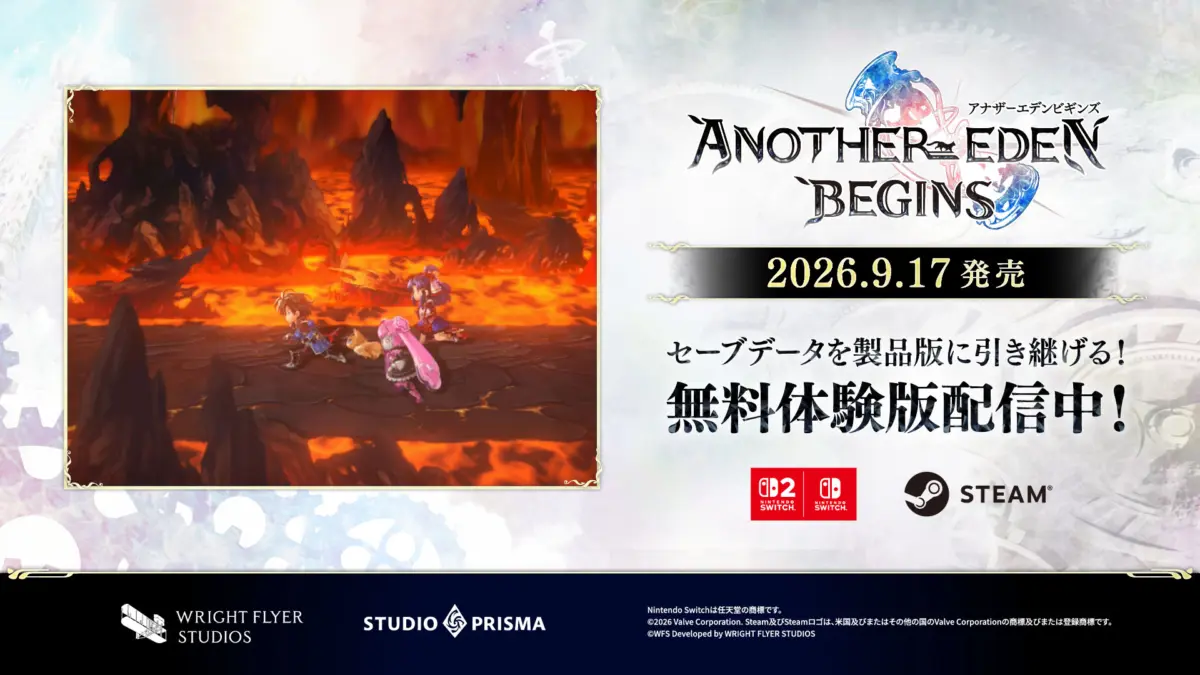
Following a major structural update cycle and fresh promotional pushes, the franchise finds itself at a critical juncture. Supported by key announcements regarding upcoming content rollouts, platform expansions—including seamless integration across PC, Nintendo Switch, and the heavily anticipated next-generation Nintendo platform (provisionally designated as Switch2)—and targeted developer insights, Another Eden continues to redefine what players expect from free-to-play, narrative-driven experiences.
This comprehensive report examines the multifaceted updates surrounding the franchise, diving deep into its developmental milestones, the economic and structural implications of its latest chapter updates, platform strategies, and what the future holds for fans of Aldo and his time-spanning companions.
Detailed Chronology: Tracing the Evolution of Another Eden
To fully understand the weight of the recent updates surrounding Another Eden, one must trace the meticulous trajectory that Wright Flyer Studios has charted over the years. The journey of the title is a masterclass in long-form content delivery, sustained player engagement, and technical adaptation.
The Genesis and Core Philosophy
When Another Eden first emerged onto the mobile market, it did so with a distinct mission: to offer an uncompromised single-player narrative experience spearheaded by industry legends. Written by Masato Kato—renowned for his work on timeless classics such as Chrono Trigger and Chrono Cross—the game immediately set itself apart from the gacha-heavy, fast-paced clickers that dominated the market in the late 2010s.
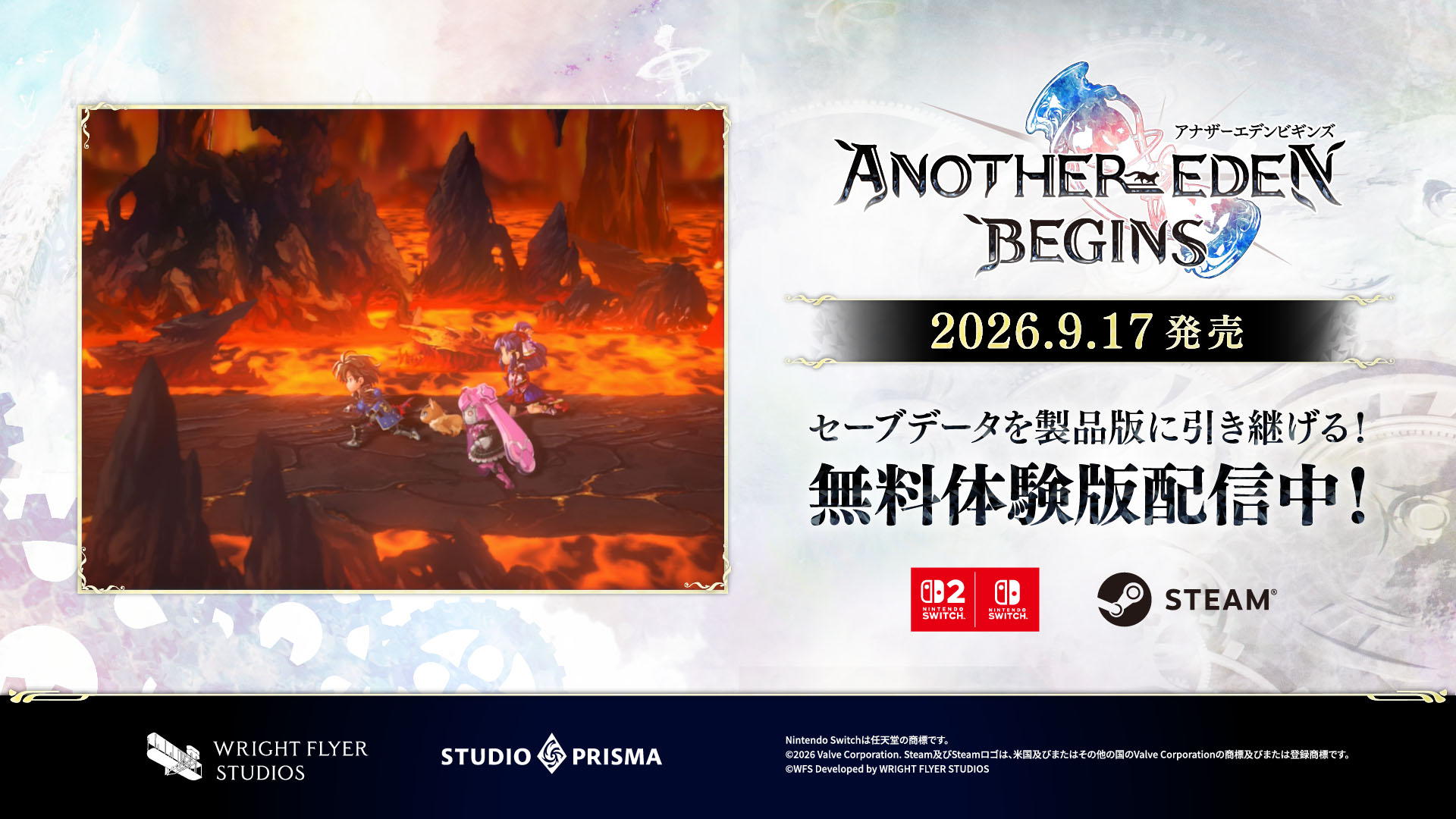
Kato’s signature touch was evident from the prologue: a sweeping, emotional narrative centered on time travel, alternate dimensions, and an ensemble cast of characters whose fates intertwined across eras. Unlike contemporaries that forced players to manage stamina bars or race against limited-time event clocks, Another Eden allowed users to experience its sprawling main story at their own pace. This design philosophy created a devoted, highly engaged community that valued narrative coherence over fleeting seasonal trends.
Platform Diversification and Expansion
As the years progressed, Wright Flyer Studios recognized the need to meet players where they were. What began as an exclusively mobile phenomenon on iOS and Android devices gradually expanded its footprint. The transition to PC via platforms like Steam opened the title up to a demographic craving high-resolution fantasy adventures with traditional control setups.
Simultaneously, console adaptations—most notably on the Nintendo Switch—solidified the game’s identity as a bridge between mobile convenience and traditional console gaming. With the horizon now pointing toward cutting-edge hardware, including next-generation architectures like the rumored/confirmed Nintendo Switch2 ecosystem, the technical infrastructure of Another Eden has had to evolve dynamically. The recent alignment of cross-platform promotional campaigns, timed alongside strategic updates in September 2026, marks one of the most aggressive multi-platform pushes in the game’s operational history.
Supporting Context & Metrics: The Mechanics of Modern JRPG Longevity
Sustaining a live-service, single-player hybrid JRPG for nearly a decade requires an intricate balance of artistic vision and rigorous data-driven metrics. Another Eden has consistently defied industry norms by proving that single-player narratives can thrive under a continuous development model.
Breaking the Mold: The Absence of Stamina
One of the most profound metrics of success for Another Eden lies in its player retention models, which are fundamentally anchored by the deliberate omission of stamina systems. In standard mobile game economics, retention is artificially forced through time-gated energy meters that restrict how long a user can play per session.
Wright Flyer Studios took a calculated risk by removing this barrier. By allowing players to binge entire storylines, explore hidden dungeons, and farm materials without arbitrary restrictions, the developers fostered profound emotional investment. Metrics across community engagement portals (such as 4Gamer and official developer logs) routinely highlight that players who consume the narrative without friction exhibit significantly higher lifetime value (LTV) and stronger conversion rates when choosing to support the game through its optional gacha monetization systems.
The Economic Engine of Narrative Expansion
How does a game survive without forced monetization bottlenecks? The answer lies in the meticulous design of its character acquisition models—commonly referred to as the gacha system—intertwined with massive expansions. Every major update, such as the rollout of Chapter 6 arcs and specialized story volumes, introduces carefully curated character banners. These banners do not merely offer cosmetic upgrades; they expand the tactical dimensionality of the game’s turn-based combat system, introducing new elemental combinations, zone setters, and character synergy mechanics.
Furthermore, the game’s development pipeline relies on localized multi-region releases that synchronize major milestones. Data compiled from global and Japanese server metrics indicate that collaborative events—such as crossover entries with other legendary square-enix or affiliated IPs—serve as massive acquisition spikes, driving both dormant veterans and curious newcomers back into the fold.
Official Statements and Developer Insights
In recent statements released through major gaming portals such as 4Gamer, the development team behind Another Eden has emphasized a renewed commitment to quality-of-life enhancements and technical optimization.
Bridging the Gap Across Platforms
Addressing the complexities of maintaining a unified experience across PC, Nintendo Switch, Nintendo Switch2, and mobile operating systems, lead developers highlighted the arduous engineering feat required to ensure feature parity.
"Our primary goal has always been to ensure that whether a player is experiencing Aldo’s journey on a high-end gaming rig, a hybrid console on-the-go, or a smartphone during their daily commute, the emotional resonance and visual fidelity of the world remain uncompromised," noted a representative speaking on behalf of Wright Flyer Studios (Developed by WRIGHT FLYER STUDIOS).
Streamlining the User Experience
Recent patches have placed heavy emphasis on backend code optimization. With hundreds of hours of content now available—spanning multiple eras, side quests, and complex endgame dungeons—load times and asset streaming have become critical battlegrounds. The development team detailed new profiling techniques implemented in the latest update cycle to reduce memory overhead on mobile devices while maximizing graphical clarity on PC and modern console hardware.

Additionally, user interface (UI) refinements have been deployed to help both new and returning players navigate the labyrinthine quest logs. As the world of Another Eden expands into its next major chapter milestones, ensuring that players do not feel overwhelmed by content bloat remains a top priority for the production leadership.
Future Outlook: What Lies Beyond the Horizon for Another Eden
As we look toward the remainder of 2026 and beyond, the roadmap for Another Eden points toward an era of unprecedented ambition. The intersection of mature narrative storytelling and next-generation hardware capabilities places the franchise in a uniquely advantageous position.
Embracing Next-Generation Ecosystems
The integration of support for next-generation hardware—specifically evidenced by optimization metrics targeting the upcoming Nintendo Switch successor—signals that Wright Flyer Studios is not content with resting on its laurels. By future-proofing the game engine to take advantage of advanced graphics pipelines and faster storage solutions, the developers are ensuring that Another Eden will remain visually and technically competitive well into the latter half of the decade.
Narrative Horizons and Community Expectations
Fans eagerly awaiting the full rollout of current and upcoming chapter arcs can expect deeper explorations of the game’s core themes: regret, redemption, and the unbreakable bonds of friendship across time. Masato Kato’s overarching narrative blueprint continues to cast a long, welcoming shadow over the project, promising twists and emotional payoffs that few other titles in the mobile or indie sphere dare to attempt.
Ultimately, Another Eden: The Cat Beyond Time and Space stands as a monumental achievement in modern game design. By stubbornly adhering to the principles of a complete, single-player RPG while gracefully navigating the turbulent waters of live-service and multi-platform development, Wright Flyer Studios has secured the title’s place in gaming history. As the portal to the past and future opens once more, players around the globe are more than ready to step through.



Belum ada komentar. Jadilah yang pertama berkomentar!