The adaptation curse that has long plagued video game-to-film projects is a well-documented phenomenon in Hollywood history. For decades, studios have struggled to translate interactive, sprawling digital universes into cohesive, sub-two-hour cinematic experiences. From convoluted chronologies to baffling lore dumps, movies based on beloved franchises frequently stumble by trying to please everyone all at once.
Enter filmmaker Zach Cregger, who has recently stepped up to helm an upcoming adaptation of Capcom’s legendary survival horror titan, Resident Evil. Cregger—hailed for his masterclass in modern cinematic terror, Barbarian—has made a deliberate, calculated creative choice: he is stripping away the series’ more esoteric, "magical" elements in favor of a visceral, survival-focused narrative grounded heavily in the foundational mechanics of the T-virus.
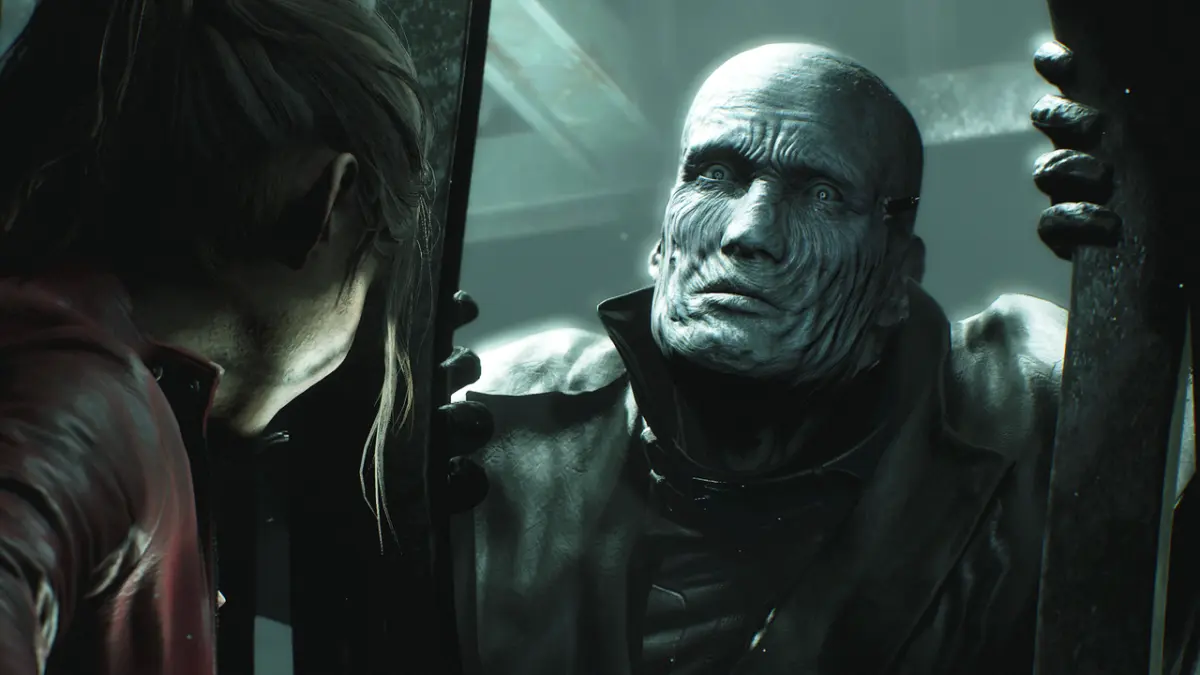
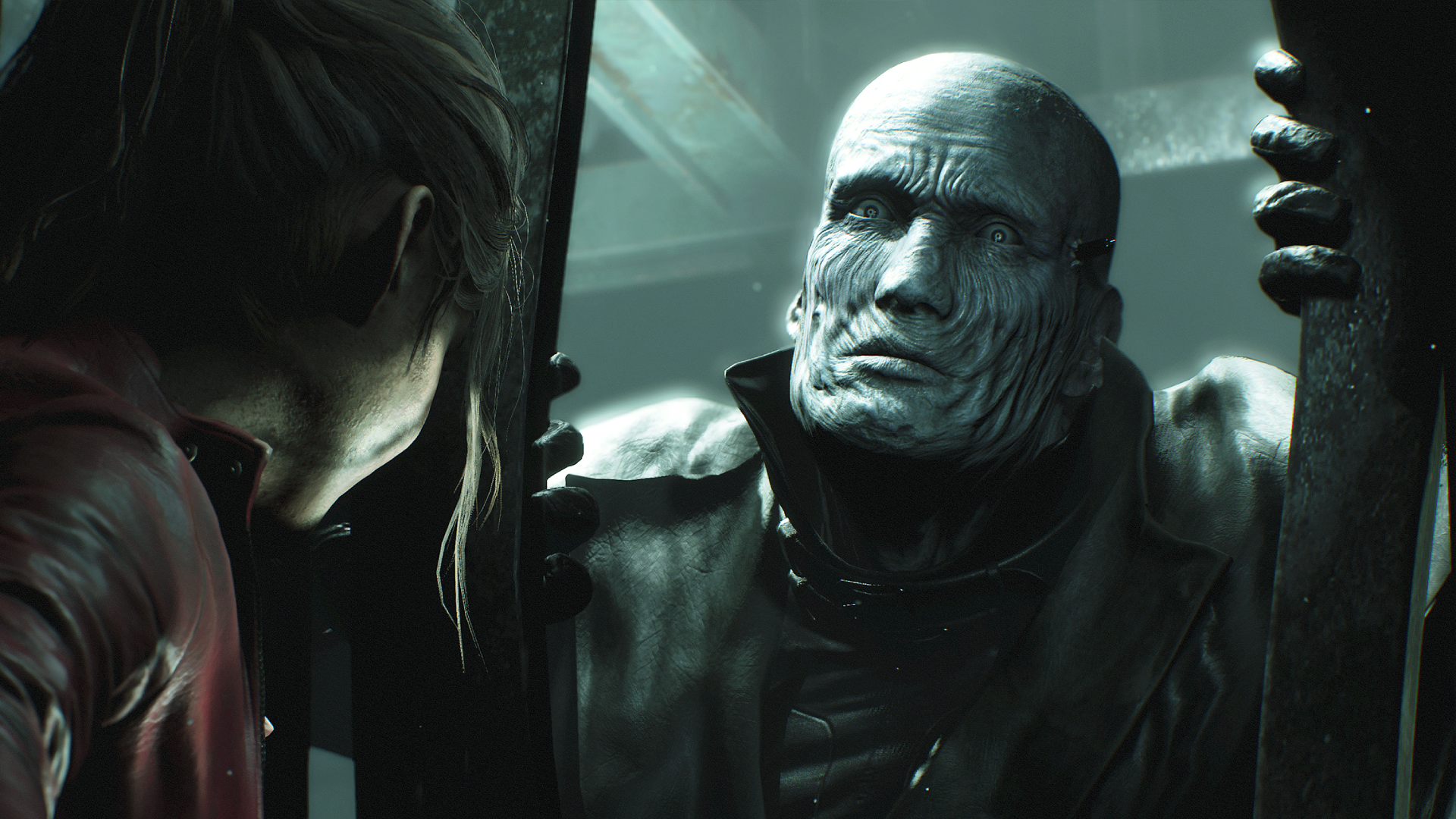
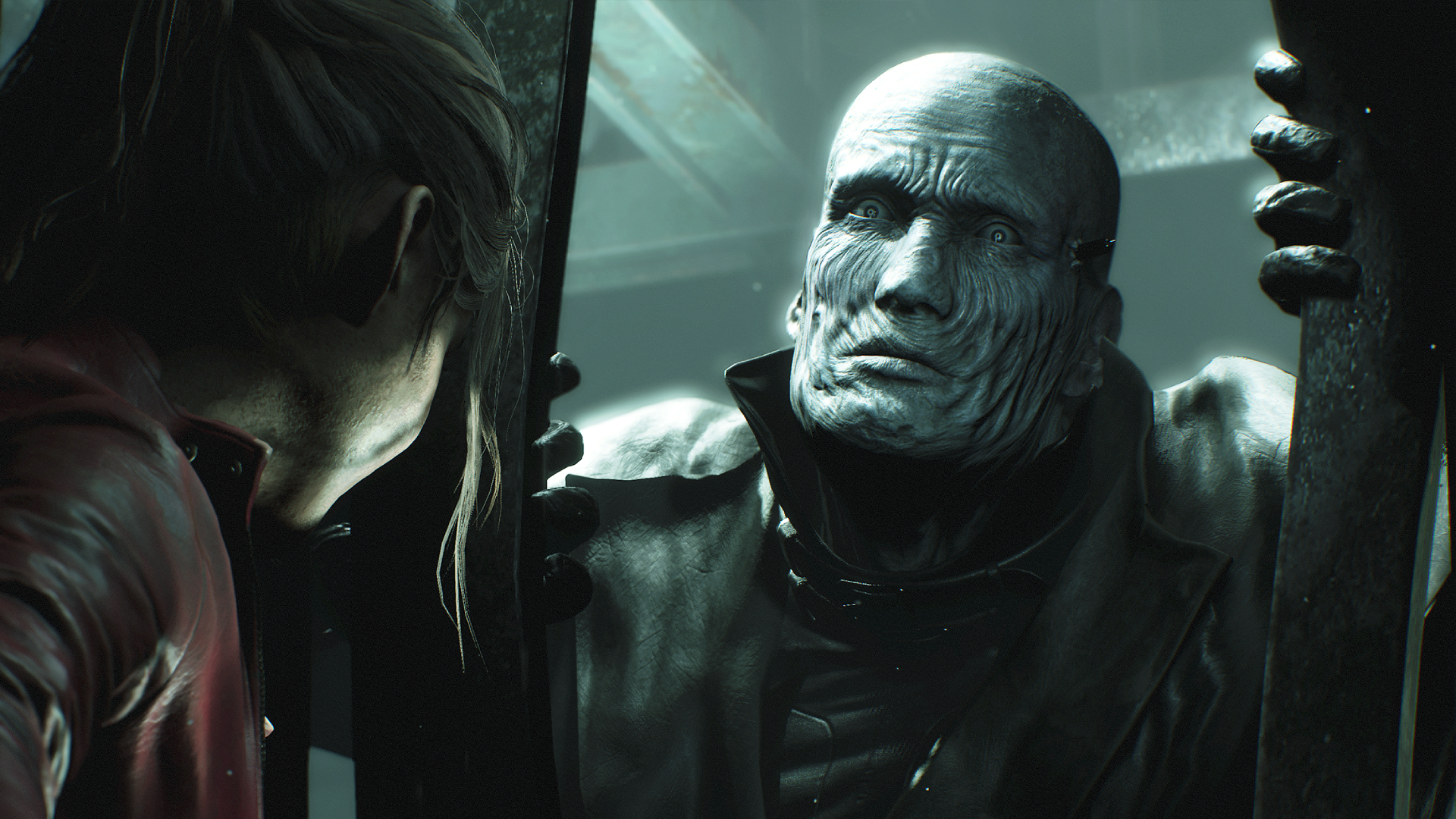
This decision immediately sparked a firestorm within the deeply passionate Resident Evil fandom, particularly regarding the omission of iconic entities like Mr. X, the trench-coat-wearing Tyrant whose heavy-handed presence became a defining element of Resident Evil 2. Critics questioned Cregger’s understanding of the lore, pointing out that the Tyrant’s coat is not merely a fashion statement, but a functional biological restraint designed to prevent uncontrolled cellular mutation.
However, a closer examination of Cregger’s philosophy reveals a seasoned storyteller prioritizing cinematic rhythm over fan-service trivia. Condensing nearly three decades of intricate lore—ranging from cheeseburger-loving protagonists to shape-shifting bio-weapons like Mother Miranda—into a palatable feature film requires severe editorial discipline. By focusing on the raw, frantic chaos of an initial viral outbreak rather than indulging in deep-canon exposition, Cregger is crafting an entry point that respects casual moviegoers while honoring the primal terror that made the 1996 original a masterpiece.
Detailed Chronology: From Digital Nightmares to Cinematic Realities
To understand the weight of Zach Cregger’s creative choices, one must look back at how Resident Evil has evolved as both a gaming empire and a cinematic property.
The Evolution of Capcom’s Survival Horror
1996: Capcom releases Resident Evil for the PlayStation, introducing players to the Spencer Mansion, the Umbrella Corporation, and the harrowing reality of the T-virus. The game establishes a slow-burn, atmospheric style of horror defined by fixed camera angles, scarce ammunition, and grotesque biological mutations.
1998–1999:Resident Evil 2 and Resident Evil 3: Nemesis shift the terror into the sprawling, doomed metropolis of Raccoon City. It is during Resident Evil 2 that players are introduced to the Tyrant (later dubbed "Mr. X"), a towering bio-organic weapon dispatched to hunt down survivors. Lore enthusiasts learn that the Tyrant’s signature trench coat acts as a power-limiting device to keep its monstrous cellular growth stable.
2005–2021: As the franchise matures through entries like Resident Evil 4, 7: Biohazard, and Village, the lore expands exponentially. The series transitions from traditional viral outbreaks into supernatural-adjacent territory, featuring hive minds, molded monsters, and characters like Mother Miranda who can seamlessly transform into swarms of birds.
The Cinematic Journey
2002–2016: Paul W.S. Anderson launches the live-action film franchise starring Milla Jovovich. While commercially successful, these films largely abandoned survival horror elements in favor of high-octane, action-heavy sci-fi blockbusters that alienated traditional horror purists.
2021: Johannes Roberts directs Resident Evil: Welcome to Raccoon City, a film that attempted to faithfully adapt the events of the first two games while heavily packing in Easter eggs and canonical nods. Despite its good intentions, the film struggled critically and commercially, hindered by a bloated narrative trying to cram too much mythology into one runtime.
The Present Day: Zach Cregger is tasked with revitalizing the franchise for the silver screen. Rather than leaning further into the deep-cut lore of later sequels, Cregger has opted to reset the creative compass entirely.
Supporting Context & Metrics: The Balancing Act of Video Game Adaptations
Adapting a video game into a film requires navigating a notoriously difficult statistical and creative landscape. Studios must balance the demands of a fiercely loyal core audience against the broader, untapped general box-office market.
Recent years have proven that video game adaptations can achieve unprecedented critical and financial success when handled with cinematic integrity. Projects like HBO’s The Last of Us and Illumination’s The Super Mario Bros. Movie grossed massive figures by understanding their respective mediums. However, horror adaptations operate under a different set of rules.
Runtime Constraints: A standard feature film averages between 90 and 120 minutes. By contrast, a single playthrough of a mainline Resident Evil title takes anywhere from 8 to 15 hours, with hundreds of pages of in-game text files (files, memos, diaries) explaining the intricate conspiracies of the Umbrella Corporation.
The Alienation Threshold: Introducing concepts like the Tyrant’s power-limiting trench coat, Las Plagas parasites, or Molded hive minds to a general audience without proper, time-consuming setup often leads to narrative clutter.
The "Backrooms" Blueprint
Cregger’s approach mirrors the successful strategy employed by indie filmmaker Kane Parsons with his viral Backrooms found-footage horror project. Parsons managed to pack his feature with subtle Easter eggs—such as the Clarks furniture store reference nodding to the original internet photograph—that rewarded die-hard internet sleuths. Simultaneously, the core narrative remained entirely accessible to viewers who had never encountered the lore before.
By prioritizing a chaotic, primal, and visceral outbreak environment, Cregger is aiming for this exact sweet spot. He recognizes that while hardcore fans may lament the absence of a trench-coat-clad super-soldier, the average cinema-goer does not need a biology lesson on why a monster is wearing designer outerwear.
Official Statements and Industry Insights
The discourse surrounding Cregger’s production choices reached a fever pitch following his remarks at a recent press junket, captured and shared widely by film commentary outlets like DiscussingFilm.
Discussing his artistic constraints, Cregger explained why he deliberately chose to scale back the franchise’s more fantastical elements:
"Some of the Resident Evil games get a little magical," Cregger noted. "You know we have a woman who can turn into birds [Mother Miranda] and fly around. I love it, I love it, I’ve played [Resident Evil 8] a bunch of times, I think it’s an awesome game, but in terms of me making a movie out of it, it’s like I gotta try and limit some of the wild aspects of Resident Evil."
Addressing the specific omission of the franchise’s iconic heavy hitters, Cregger added:
"So I chose to stick with the T-virus, keep it as grounded as possible. So that means I’m not going to have a gigantic jacked dude in a trench coat, because I’m like, ‘Where’d the coat come from? How did he get the coat?’"
This creative stance drew immediate online pushback from purists who argued that Cregger misunderstood the biological necessity of the Tyrant’s wardrobe. However, media analysts have rushed to the director’s defense, pointing out that understanding the lore and choosing to adapt it cinematically are two entirely different disciplines.
As Cregger summarized during the junket:
"In the world of this [film] where the outbreak just happened, I want to keep it chaotic, I want to keep it primal, and I want to just keep it just as grounded as I can. The T-virus has all kinds of cool and fun mutations—that is enough. So I’m limiting it there."
Future Outlook: What to Expect from Cregger’s Resident Evil
As production milestones approach and casting details slowly emerge, the cinematic horizon for Resident Evil looks fundamentally different than it did a decade ago.
A Return to Pure Survival Horror: By shedding the over-the-top action tropes of previous cinematic iterations and steering clear of the hyper-magical transformations seen in later franchise entries, Cregger is signaling a return to the claustrophobic, high-tension atmosphere of the 1996 and 1998 games.
Focus on the Initial Outbreak: Setting the narrative firmly during the chaotic, early hours of a viral contamination allows the film to function as an intense disaster-horror hybrid. This eliminates the need for dense corporate espionage exposition.
Appeasing Both Factions: While internet debates over trench coats and deep lore will undoubtedly continue up until the film’s premiere, Cregger’s track record with Barbarian proves his mastery over pacing, tension, and audience expectations. If he successfully delivers a terrifying, tightly wound monster-horror film, the absence of esoteric lore points will quickly be forgiven in the face of quality filmmaking.
Ultimately, Zach Cregger is treating Resident Evil not as a Wikipedia page to be meticulously transcribed, but as a cinematic sandbox. By narrowing his focus to the raw, terrifying mechanics of the T-virus, he may finally give fans the terrifying silver-screen adaptation they have waited nearly thirty years to see.









Belum ada komentar. Jadilah yang pertama berkomentar!