

Executive Overview
For decades, translating Capcom’s legendary Resident Evil franchise from the interactive realm of video games to the cinematic screen has been fraught with disappointment. From Paul W.S. Anderson’s action-heavy franchise adaptations to past attempts at granular lore replication, the intersection of Hollywood and survival horror has rarely yielded a masterclass in terror. Yet, as pre-production ramps up on the upcoming 2026 Resident Evil feature film directed by acclaimed horror auteur Zach Cregger (Barbarian, Weapons), a familiar internet phenomenon has reared its head: fan base purism.
Despite promising promotional trailers, vocal pockets of the community have expressed frustration over the film’s creative liberties. Critics point to the fact that Cregger’s narrative runs parallel to the events of Resident Evil 2 rather than engaging directly with its iconic protagonists, alongside experimental interpretations of the T-virus’s biological parameters. However, a deeper look at both Cregger’s horror pedigree and Capcom’s own historically flexible approach to its canon reveals a vital truth: an obsession with rigid "lore accuracy" often restricts art rather than protecting it.
This article explores the nuances of Cregger’s cinematic vision, analyzes how Capcom itself continuously rewrites its own established canon, and argues why trusting a master filmmaker to capture the core "vibes" of survival horror is vastly superior to demanding a shot-for-shot, wiki-compliant adaptation.
Detailed Chronology: The Evolution of Resident Evil Adaptations and Canon
To understand the current discourse surrounding Zach Cregger’s 2026 film, it is essential to trace how both the cinematic lineage and Capcom’s internal game development have evolved over time.
The Shadow of Past Adaptations
- 2002–2016: Paul W.S. Anderson’s Resident Evil film series starring Milla Jovovich carved out an entirely separate cinematic universe. While commercially successful, it traded psychological survival horror for high-octane, Matrix-style action, alienating purists who wanted Chris Redfield, Jill Valentine, and Leon S. Kennedy depicted faithfully.
- 2021: Johannes Roberts’ Resident Evil: Welcome to Raccoon City attempted a more direct, game-accurate mashup of the first two titles. Despite including familiar locations and characters, the film struggled with pacing, budget constraints, and a compressed narrative structure, leaving fans feeling that strict lore adherence did not automatically equate to quality.
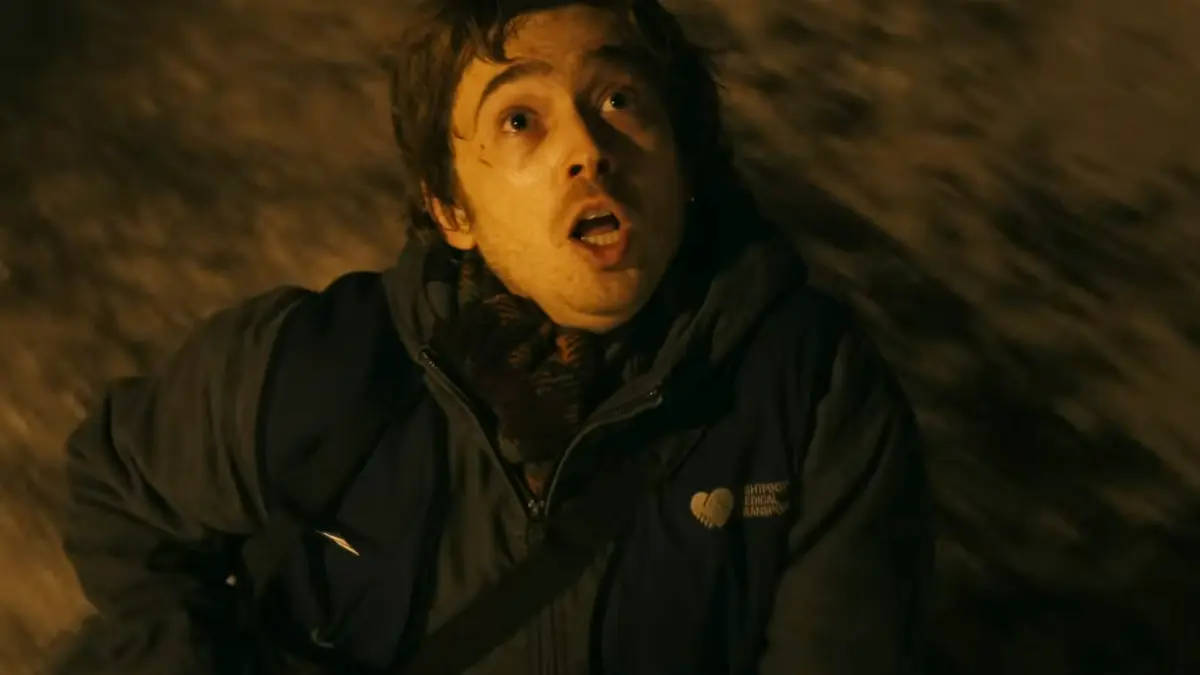
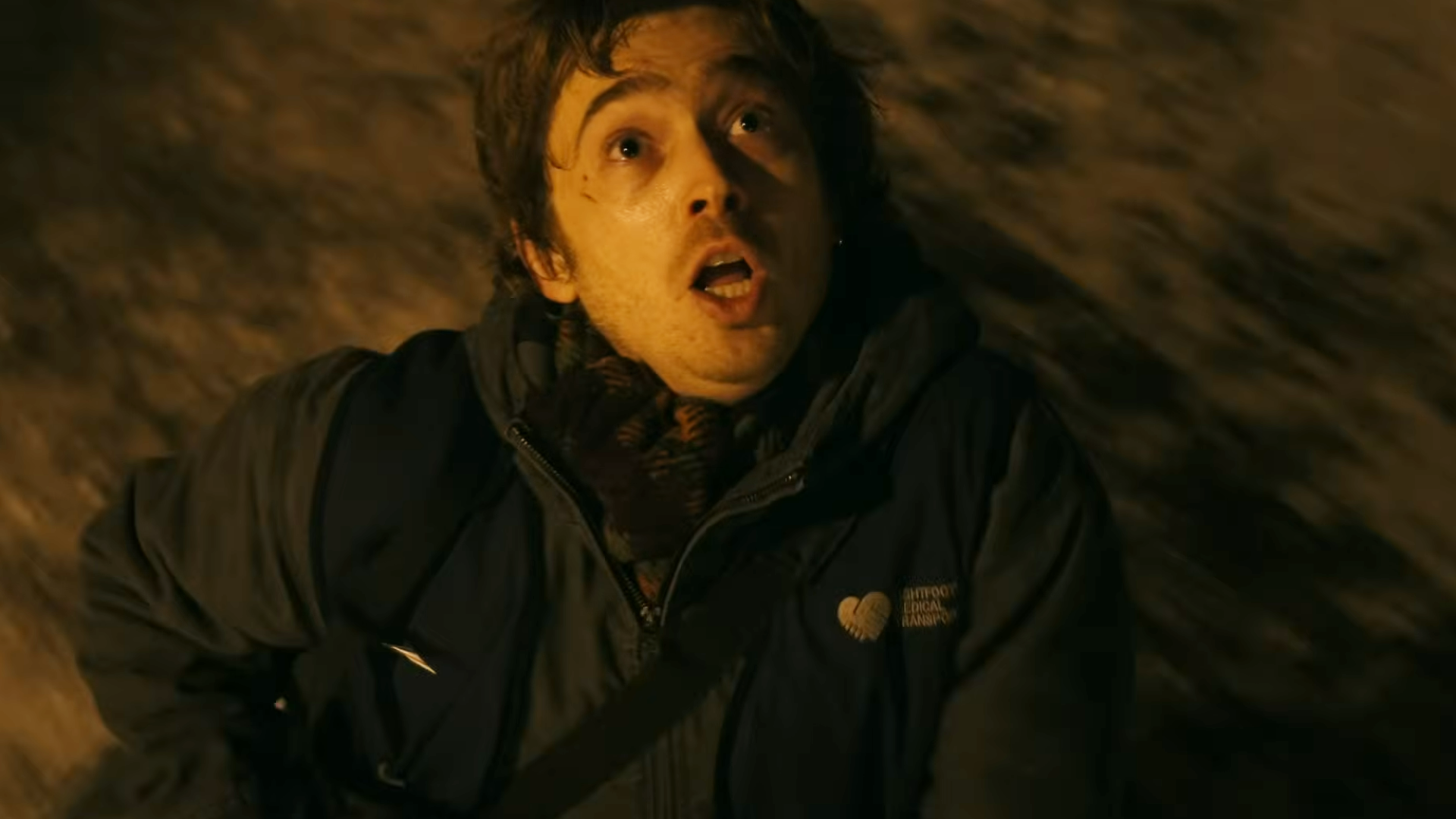
- 2026 (Upcoming): Enter Zach Cregger. Steering away from direct retellings of established game scripts, Cregger opted for a parallel-narrative approach. Set during the horrific twilight of Raccoon City in September 1998, the film follows original or peripheral characters navigating the outbreak concurrently with Leon Kennedy and Claire Redfield’s subterranean nightmares, sparking both excitement and immediate skepticism online.
Capcom’s Flexible Relationship with Canon
Fans who demand absolute faithfulness to the source material often overlook a fundamental reality: Capcom has never treated the Resident Evil timeline as a sacred, immutable text. For years, the developers behind the games have happily retooled canon when it serves the pacing, atmosphere, or thematic resonance of a project.
- The Resident Evil 4 Remake (2023): In the original 2005 release, Jack Krauser served as an operative reporting directly to Albert Wesker, tasked with stealing a sample of the Amber. In the 2023 remake, Krauser’s allegiance was shifted to Osmund Saddler, positioning him as a primary cult henchman. This change was implemented to enhance Saddler’s mysterious, shadowy presence throughout most of the campaign; someone had to physically retrieve the Amber while the cult leader lurked out of sight.
- The Resident Evil 3 Remake (2020): Brad Vickers, a beloved survivor of the Spencer Mansion incident, met a gruesome end at the hands of Nemesis in the original 1999 title. The remake altered this, having Brad bitten by a standard civilian zombie while valiantly attempting to save Jill Valentine—a narrative choice prioritizing grounded tragedy over comic-book-style monster escalation.
- The Timeline Shifts of Raccoon City: The precise timeline of the outbreak has undergone subtle alterations across various versions. While the original games depicted a rolling series of localized crises culminating by late September, the modern remakes tightly anchor the catastrophic systemic failure to September 25th. Furthermore, spin-offs like Resident Evil Outbreak and recent entries such as Resident Evil Requiem have introduced retroactive adjustments, including alternative origin stories for Leon’s arrival at the Raccoon Police Department and complex redrawing of Lord Ozwell E. Spencer’s ultimate motivations.
Supporting Context & Metrics: Analyzing Fan Sentiment vs. Creative Freedom
In modern entertainment journalism, gauging community sentiment is complicated by what sociologists call the "vocal minority bias"—the angriest voices frequently shout the loudest, drowning out silent majorities who are willing to give creators room to breathe.
The Lore-Accuracy Trap
The debate over Cregger’s film hinges on two primary complaints:
- The Parallel Storyline: Critics argue that placing characters alongside Leon and Claire without crossing paths feels disconnected from the "true" events of the outbreak.
- Biological Deviations: Concerns have been raised regarding how the T-virus is depicted, with early promotional material suggesting altered physical manifestations and behavioral traits in the infected.
| Adaptation Aspect | Purist Expectation | Real-World Creative Reality |
|---|---|---|
| Plot Structure | Exact shot-for-shot recreation of game scripts. | Narrative breathing room to establish cinematic tension and suspense. |
| Virus Mechanics | Strict adherence to encyclopedia-style biological rules. | Thematic flexibility to heighten psychological and physical horror. |
| Character Lineage | Inclusion of legacy protagonists in primary roles. | Fresh perspectives that allow new stakes and genuine peril for characters. |
As seen in Capcom’s own iterative design philosophy, relaxing strict adherence to lore allows creators to prioritize experience over checklist fulfillment. When Resident Evil Requiem introduced Zeno—effectively a genetically engineered clone of Albert Wesker predisposed to wearing trench coats and sunglasses—it leaned into the sheer pulpy fun of the franchise rather than getting bogged down by literal biological plausibility.
Cregger, whose previous works like Barbarian demonstrated an acute mastery of dread, misdirection, and atmospheric pacing, understands that horror thrives on the unknown. If a filmmaker is constrained by every piece of obscure lore found in supplementary strategy guides and in-game text files, the resulting film risks becoming an overly sanitized museum exhibit rather than a visceral cinematic experience.
Official Statements and Industry Perspectives
While Sony Pictures and Zach Cregger have kept specific plot details tightly under wraps to preserve the theatrical experience, production insights point to an intentional focus on classic survival horror mechanics.
Industry analysts tracking the project have emphasized that Cregger’s pitch to studio executives centered entirely on capturing the claustrophobia, resource scarcity, and architectural dread of the late-90s survival horror golden age. Rather than leaning into the bombastic, explosive set-pieces that defined the later halves of Anderson’s film franchise or modern action-oriented game entries like Resident Evil 6, Cregger’s vision reportedly looks back to the eerie hallways of the Spencer Mansion and the damp, zombie-infested corridors of the Raccoon City Police Department.
Furthermore, horror creators across the industry have frequently defended the necessity of translation when moving mediums. What works as an interactive gameplay loop—such as managing inventory space, solving mechanical puzzles, or backtracking through locked doors—rarely translates directly to a two-hour cinematic runtime without causing narrative stagnation. By choosing to tell an original story within the established parameters of the outbreak, Cregger is utilizing the setting as a character, allowing the inescapable doom of Raccoon City to loom overhead without trapping the audience in a predictable retelling of a story they have already beaten dozens of times.
Future Outlook: What to Expect from the 2026 Film and Beyond
As the theatrical release date for Zach Cregger’s Resident Evil approaches in 2026, the broader conversation within the horror community is slowly shifting from preemptive skepticism to cautious optimism.
Why Cregger’s Approach Could Finally Break the Video Game Adaptation Curse
- Prioritizing Atmosphere Over Fan Service: By focusing on the "vibes" of survival horror—fear of the dark, audio design, claustrophobia, and escalating dread—the film targets the emotional core of why fans fell in love with the franchise in 1996, rather than simply ticking off a list of recognizable easter eggs.
- A Director at the Top of His Game: Following the massive critical and commercial success of Barbarian, Cregger has proven he knows how to manipulate audience expectations, subvert tropes, and deliver genuine terror. Entrusting a major intellectual property to a visionary auteur with a distinct horror voice represents a major step forward for studio adaptations.
- Healing the Trauma of Past Adaptations: For years, horror fans have suffered through cinematic interpretations that misunderstood the assignment entirely. The fact that Hollywood is returning to the well with a director who respects the foundational terror of Capcom’s universe proves that the film industry is finally learning how to treat gaming masterpieces with artistic dignity.
Ultimately, Tolstoy’s timeless observation rings true: if you look for perfection, you will never be content. Fans would do well to grant Zach Cregger and his creative team the grace to interpret the T-virus, Raccoon City, and the horrors of 1998 through a fresh lens. If the resulting film captures even a fraction of the dread, paranoia, and pulse-pounding survival instincts that defined the games, it may very well stand as the cinematic adaptation the Resident Evil community has been waiting for.





Belum ada komentar. Jadilah yang pertama berkomentar!