

Executive Overview
Kyoto, the historic cultural capital of Japan, has long been celebrated for its preservation of centuries-old traditions, pristine shrines, and serene Buddhist temples. However, the city is currently serving as a primary battleground in the global debate over the modern limits of overtourism. The latest flashpoint in this ongoing cultural friction unfolds at Seiraiin, a venerable sub-temple of the sprawling Kenninji complex in the Gion district. Founded roughly 600 years ago, Seiraiin is renowned for its contemplative gardens and a striking, dynamic white dragon painting stretching across the ceiling of its main hall.
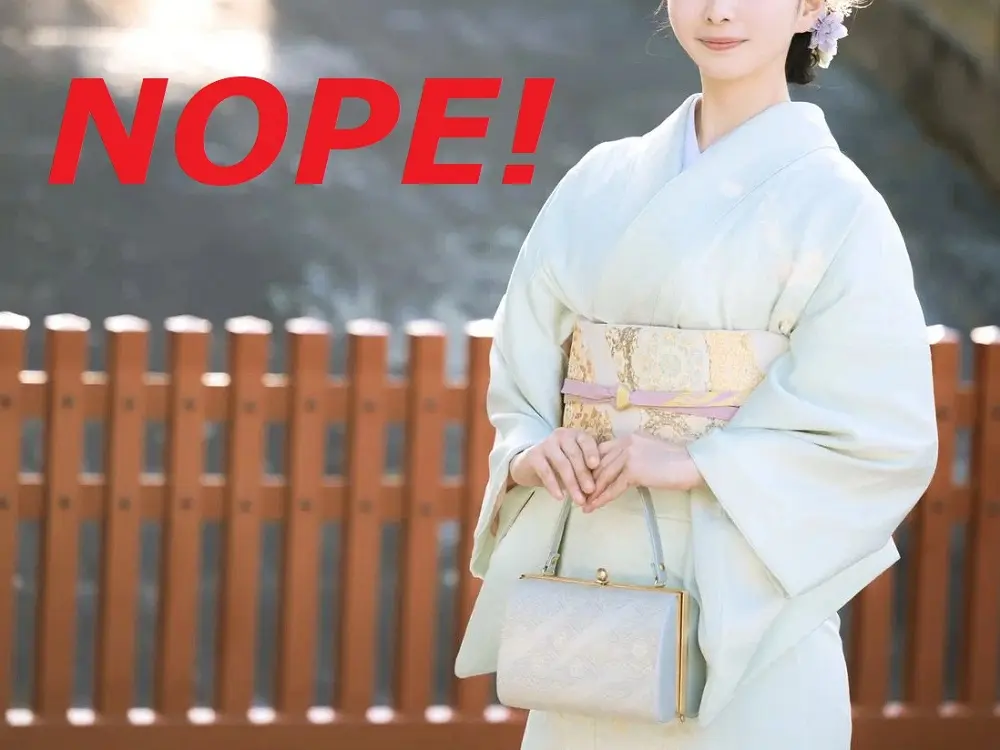
Ordinarily, the temple’s rich aesthetic would make it a prime destination for visitors draped in traditional Japanese garments. Yet, in a drastic policy shift announced in July, Seiraiin implemented a strict ban: individuals wearing kimonos are categorically prohibited from entering the temple grounds.
This measure did not stem from a cultural grievance against the kimono itself. Japan has historically embraced cultural exchange, welcoming both domestic and international visitors who wish to wear traditional attire as an immersive way to engage with the nation’s heritage. Rather, the ban is the direct casualty of a persistent behavioral crisis among tourists prioritizing social media aesthetics over basic manners and spatial respect.
According to temple authorities, visitors dressed in kimonos have been disproportionately linked to invasive photography, trespassing in restricted zones, and damaging delicate architecture in pursuit of the perfect online post. As Kyoto struggles to balance the economic benefits of global tourism with the preservation of its sacred spaces, Seiraiin’s unprecedented restriction serves as a stark warning to travelers worldwide: when the pursuit of viral content eclipses communal etiquette, sacred institutions will draw the line.
Detailed Chronology: The Escalation of the Seiraiin Kimono Ban
The implementation of Seiraiin’s kimono ban was not an impulsive reaction, but rather the culmination of years of escalating friction between visitors seeking dynamic photo opportunities and the temple’s core function as a place of quiet contemplation and worship.
Years of Accumulating Incidents
For a considerable period, staff at Seiraiin observed a steady shift in the demographics and behaviors of their visitors. While tourists had always taken photographs, the rise of algorithm-driven social media platforms—particularly Instagram and TikTok—fundamentally transformed how people interacted with historic sites.
Rather than quietly observing the 600-year-old architecture, meditating before the white dragon ceiling, or appreciating the meticulously raked rock gardens, a subset of visitors began treating the temple as an unvetted, open-air photo studio. This behavioral shift manifested in several recurring issues:
- Invasive Photography: Visitors would set up elaborate impromptu photo shoots, monopolizing narrow walkways and blocking access for worshippers who came to offer prayers.
- Disregard for Spatial Boundaries: Multiple instances were documented of tourists stepping directly into pristine, raked rock gardens—a traditional form of dry landscape art meant solely for visual contemplation—leaving footprints that destroyed hours of careful maintenance.
- Property Damage: In their quest for dramatic backdrops and unique angles, individuals routinely slid open restricted temple doors without permission, occasionally damaging historic sliding mechanisms and wooden joinery in the process.
The July Policy Announcement
By mid-year, the cumulative toll of these infractions prompted temple leadership to take decisive action. In July, Seiraiin officially announced its sweeping new restriction: entry would be denied to anyone wearing kimonos, "Japanese-style clothing," or general "costumes."
Crucially, the temple’s statement clarified that the issue was never the kimono as an article of clothing. Japanese locals and cultural experts alike hold no prejudice against non-Japanese individuals wearing the garment; in fact, it is traditionally viewed as a sign of respect and enthusiasm for local customs. However, the statistical reality on the ground—where a disproportionate volume of disruptive photo-related infractions was being committed by individuals dressed in rented or personal kimonos—forced the temple’s hand.
Precursors at Kenninji Temple
Seiraiin’s decision did not occur in a vacuum. As a sub-temple nestled within the expansive perimeter of Kenninji Temple—Kyoto’s oldest Zen temple, founded in 1202—Seiraiin operates under a broader institutional framework.
The tension had already boiled over the previous year. In November of the preceding year, Kenninji itself published a pointed, formal statement on its official website, addressing the rampant degradation of temple etiquette. The statement explicitly reminded the public:
“Our temple is not a photo studio, theme park, or similar facility.”
Kenninji warned that any visitors displaying impolite, disruptive, or inappropriate behavior would be summarily asked to leave. Seiraiin’s recent kimono ban represents the logical next step: operationalizing those warnings into a preventative architectural and dress-code barrier.
Supporting Context & Metrics: Overtourism, Social Media, and Cultural Exchange
To fully understand why a temple would ban a universally celebrated traditional garment, one must examine the broader socioeconomic and cultural landscape of modern Kyoto.
The Overtourism Crisis in Kyoto
Kyoto has long been a victim of its own success. As international travel rebounded aggressively following global pandemic restrictions, visitor numbers surged to historic highs. While this influx injects vital capital into the local economy, it places an unsustainable strain on the city’s infrastructure, public transportation networks, and residential neighborhoods.
In historic districts like Gion—characterized by narrow paved alleys, traditional machiya townhouses, and high concentrations of geisha quarters—the influx of tourists has created severe friction. Local councils have faced intense pressure from residents complaining of blocked streets, trespassing private property, and tourists harassing working geiko and maiko for photographs.
Temples, which rely on a delicate balance of public accessibility and spiritual sanctuary, find themselves on the front lines of this crisis. Many of these institutions are private religious organizations that receive little to no government funding for maintenance, relying instead on modest admission fees and donations. Consequently, they must remain open to the public to survive financially, even as the volume of visitors threatens the physical integrity of their centuries-old structures.
The Economics and Aesthetics of Kimono Rental
The commercialization of traditional fashion has added another layer of complexity to the issue. A thriving industry of kimono rental shops has sprouted up across Kyoto’s historic districts. For a fee, visitors can select a kimono, have professionals dress them, and spend the day wandering temples and shrines.
For the most part, this industry is viewed positively. It fosters cultural appreciation and provides vibrant visual charm to the city streets. However, the transactional nature of kimono rentals creates a specific psychological phenomenon: the consumer mindset.
When tourists rent an outfit explicitly for a day of sightseeing and photography, they frequently internalize a consumerist framework. The kimono transitions from a cherished cultural artifact requiring mindful grace and physical restraint into a functional costume—a prop designed to optimize their personal brand on social media. This shift in mindset often correlates with a breakdown in traditional Japanese etiquette, where communal harmony and consideration for others (omotenashi and wabi-sabi) are sidelined in favor of individualistic self-presentation.
The Clash of Values: Sacred Space vs. Social Media Stage
At the heart of the Seiraiin controversy is a fundamental philosophical clash between two opposing worldviews:
| Traditional Temple Ethos | Modern Social Media Culture |
|---|---|
| Collective Harmony: Prioritizing the peace, quiet, and spiritual focus of all visitors and monks. | Individual Expression: Prioritizing personal visibility, aesthetic perfection, and viral engagement. |
| Impermanent Contemplation: Appreciating art and gardens passively, leaving no physical trace behind. | Permanent Capture: Actively manipulating the environment, staging shots, and altering spaces to achieve a desired image. |
| Sacred Sanctuary: Viewing buildings and artifacts as living history deserving of reverent preservation. | Backdrop Utility: Viewing architecture and cultural properties as functional props for aesthetic content generation. |
When these two worldviews collide, the results are invariably detrimental to the host institution. Seiraiin’s decision to ban kimonos is a direct defense mechanism against the encroachment of the latter.
Official Statements and Institutional Perspectives
The unprecedented nature of Seiraiin’s policy has drawn commentary from legal experts, cultural commentators, and institutional representatives across Japan.
Legal news outlets, including BengoshiJP News, have analyzed the legality and enforceability of the ban. Under Japanese property law, private religious institutions retain the absolute right to establish rules of conduct and entry requirements for their premises, much like private museums or businesses. Refusing entry based on attire—provided it does not violate anti-discrimination laws regarding protected classes—falls squarely within the rights of temple administration.
Meanwhile, cultural commentators have noted that while the ban may seem extreme or unfair to respectful tourists who genuinely wish to wear kimonos while appreciating art, it highlights a broader failure of self-regulation among international travelers.
A representative from a heritage preservation group in Kyoto, speaking anonymously on the matter, remarked:
"Japanese culture is remarkably welcoming to outsiders who wish to participate in our traditions. We love sharing our food, our art, and our clothing. But participation requires reciprocity. When reciprocity is replaced by exploitation, institutions are left with no choice but to erect barriers to protect their heritage."
Public sentiment online has been largely sympathetic to the temple’s plight. On platforms like Livedoor News and social media comment threads, domestic users overwhelmingly expressed fatigue with disruptive tourist behavior, arguing that basic manners must supersede photographic vanity.
Future Outlook: Will the Ban Spread?
As Seiraiin navigates this new operational reality, the broader tourism and cultural sectors of Kyoto are watching closely.
A Precedent for Other Destinations?
With overtourism remaining an omnipresent concern for every major historic site in Kyoto, Seiraiin serves as a high-profile test case. If the ban successfully curtails property damage, invasive photography, and visitor congestion, other sub-temples within Kenninji—or independent temples throughout Kyoto and Nara—may consider adopting similar dress codes or outright photography bans.
Already, several temples across Japan have banned photography entirely within their main halls to prevent disruptive behavior. Expanding these restrictions to target specific types of attire that correlate with high-disruption activities represents a logical, albeit aggressive, escalation in crowd management strategies.
Path to Resolution
Temple authorities have not indicated that the kimono ban is permanent in perpetuity. However, any rollback of the policy is inextricably linked to behavioral changes within the global tourism ecosystem.
For Seiraiin to feel comfortable welcoming kimono-clad visitors once again, there would need to be a demonstrable shift in tourist etiquette—a collective realization that historic temples are not private film sets, and that preserving a 600-year-old cultural treasure requires vastly more respect than capturing a fleeting social media post.
Until that cultural shift occurs, Seiraiin’s gate remains closed to traditional attire, standing as a firm monument to the principle that in the sacred spaces of Kyoto, basic manners will always outweigh the pursuit of digital clout.









Belum ada komentar. Jadilah yang pertama berkomentar!