

Executive Overview
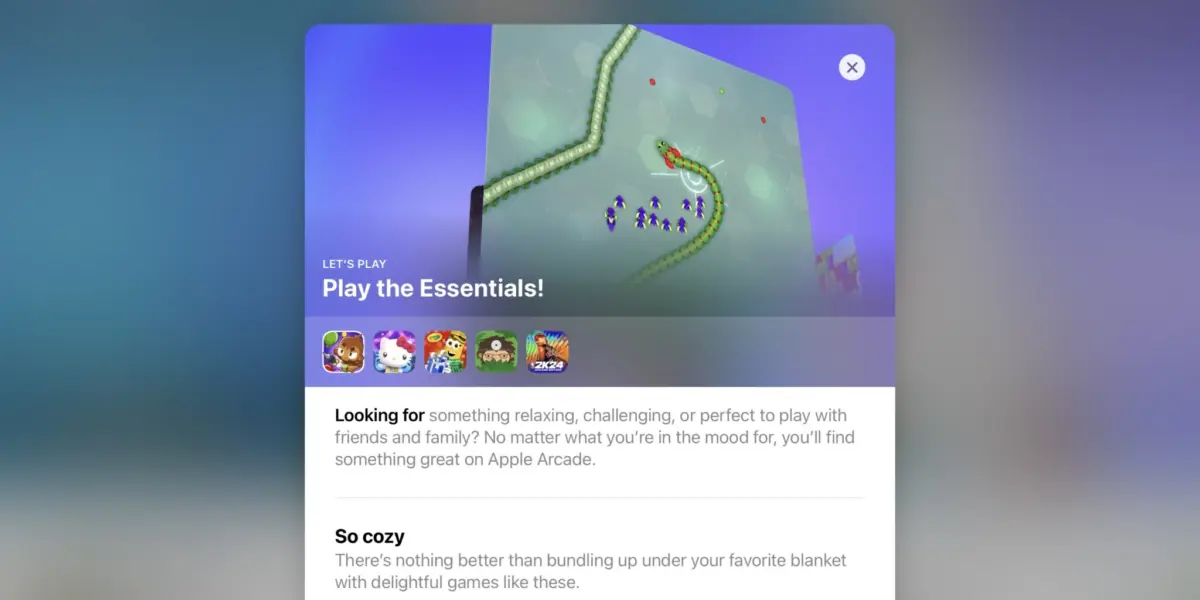
In a strategic evolution that signals a major long-term commitment to the digital entertainment sector, Apple is gearing up to launch a dedicated, centralized "Games" application across its entire ecosystem. Initially brought to light through exclusive supply-chain and developer reporting late last year, the initiative has now been widely corroborated by industry insiders, including Bloomberg. Slated for a formal rollout later this year alongside Apple’s next-generation operating systems—including iOS, iPadOS, macOS, and tvOS—the application is designed to unify an increasingly fragmented gaming experience on Apple hardware.
For years, gaming on Apple devices has existed in a decentralized state. Titles obtained via the traditional App Store, subscription-based services like Apple Arcade, and sideloaded or alternative storefronts on macOS have remained scattered across device home screens and internal menus. The upcoming Games app aims to solve this fragmentation by acting as a universal launcher, an editorial discovery engine, and a modernized social hub for players. By fusing these capabilities into a single pre-installed application, Apple is not merely introducing a new software utility; it is laying the foundational infrastructure necessary to position the iPhone, iPad, and Mac as serious, unified gaming platforms capable of competing directly with dedicated consoles and specialized handheld hardware.
Detailed Chronology of a Rumored Ecosystem Shift
The path toward Apple’s dedicated gaming hub has been marked by strategic leaks, quiet internal developments, and an escalating industry focus on high-end gaming. Understanding how this project moved from whisper to reality requires examining the timeline of disclosures that have shaped the narrative.
Late 2024: The Initial Leak
The first substantive details regarding Apple’s gaming ambitions emerged in October 2024. Industry reporting from 9to5Mac revealed that Apple engineers were actively prototyping a dedicated, App Store-like application explicitly built for gaming. According to internal sources at the time, the application was envisioned as a direct response to the growing complexity of Apple’s gaming catalog, which had expanded rapidly following the introduction of console-grade titles to the iPhone 15 Pro and M-series iPads. Developers and hardware analysts quickly recognized that while Apple silicon possessed the raw compute power to run AAA titles like Resident Evil and Death Stranding, the user experience lacked the cohesive organization found on traditional gaming platforms like PlayStation, Xbox, or Steam.
May 2025: Bloomberg Corroboration and Release Window
The rumor mill gained significant momentum in late May 2025, when Bloomberg corroborated the earlier leaks and provided a concrete deployment window. Analysts familiar with Apple’s internal roadmap confirmed that the application had cleared major quality-assurance milestones and was locked in for a public debut later in the year. Furthermore, the timing of the announcement coincided strategically with broader industry movements, specifically landing within days of major competitor hardware announcements, such as Nintendo’s anticipated successor to the Switch. This timing underscored Apple’s aggressive posture: the company is no longer treating mobile gaming as a casual, casual-first afterthought, but rather as a pillar of its software and services ecosystem.
The Immediate Horizon: Fall Software Deployments
As Apple prepares for its upcoming developer conference and the subsequent autumn software cycles, the Games app stands out as one of the most anticipated consumer-facing features. Slated to arrive natively embedded within the core software packages for iPhone, iPad, Mac, and Apple TV 4K, the application will be ready for users the moment they update their devices. This turnkey integration ensures immediate scale, placing the icon directly into the hands of over a billion active iOS users on day one.
Core Feature Architecture: What to Expect
To understand how the Games app will transform the daily user experience, one must examine its three foundational pillars: the universal game launcher, curated editorial discovery, and a modernized social layer.
1. The Universal Game Launcher
The primary utility of the Games app is its function as a centralized library and launchpad. Historically, finding and opening a game on iOS required scrolling through endless home screen pages or using Spotlight search. While the App Store has long served as the marketplace, it was never optimized to act as an ongoing library manager.
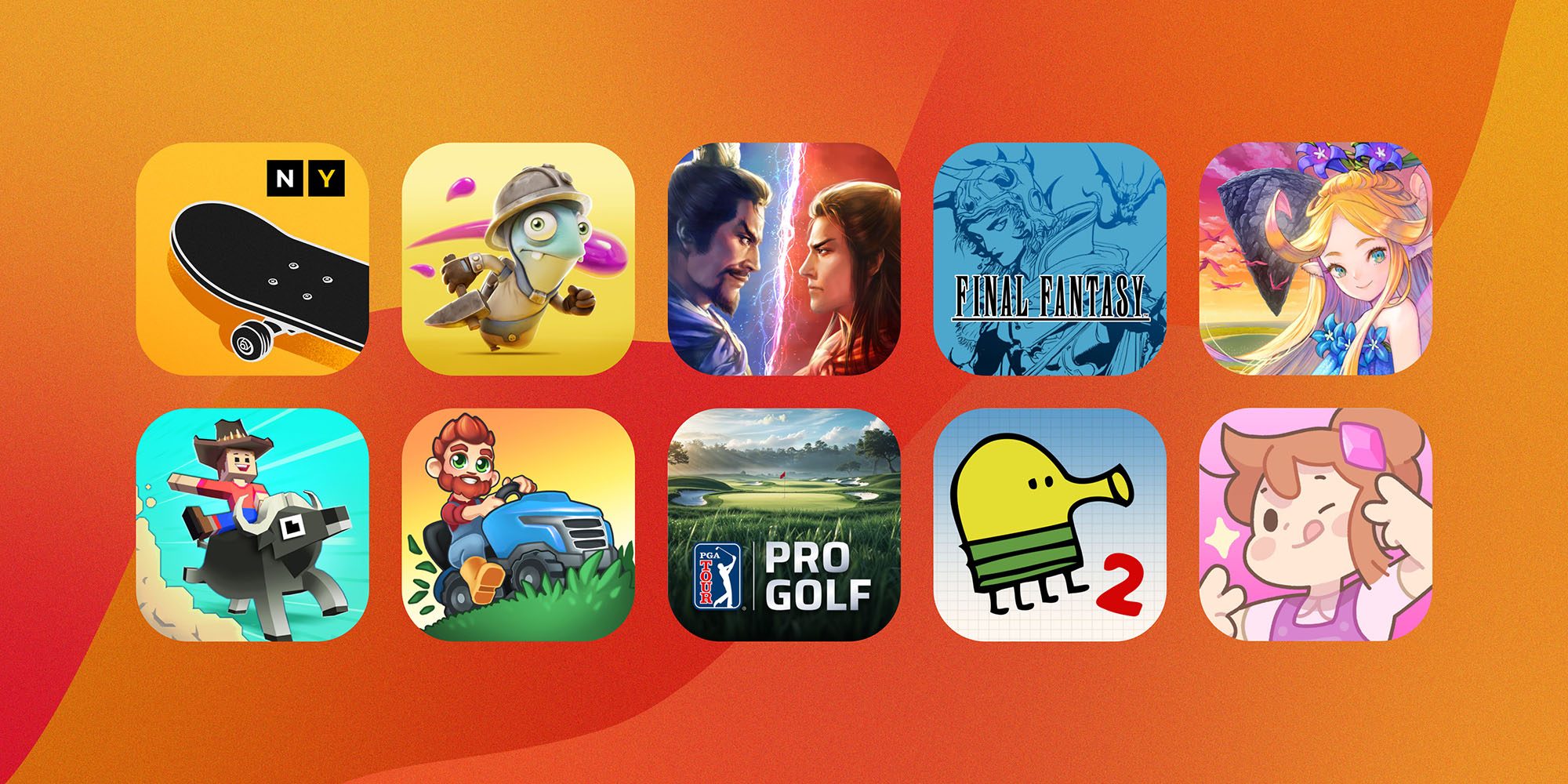
The new Games app adopts a philosophy similar to the Apple TV app, which successfully aggregates disparate streaming services, movie rentals, and subscription libraries into a single interface. Within the Games app, users will find a unified index of every title installed on their device, regardless of its origin. Whether a game was downloaded via the standard App Store, acquired through an active Apple Arcade subscription, or installed as a native Mac application via third-party channels, the Games app will catalog it. Users can tap a title within the hub to launch directly into gameplay, eliminating the friction of hunting for application icons across crowded device displays.
2. Editorial Content and Discovery
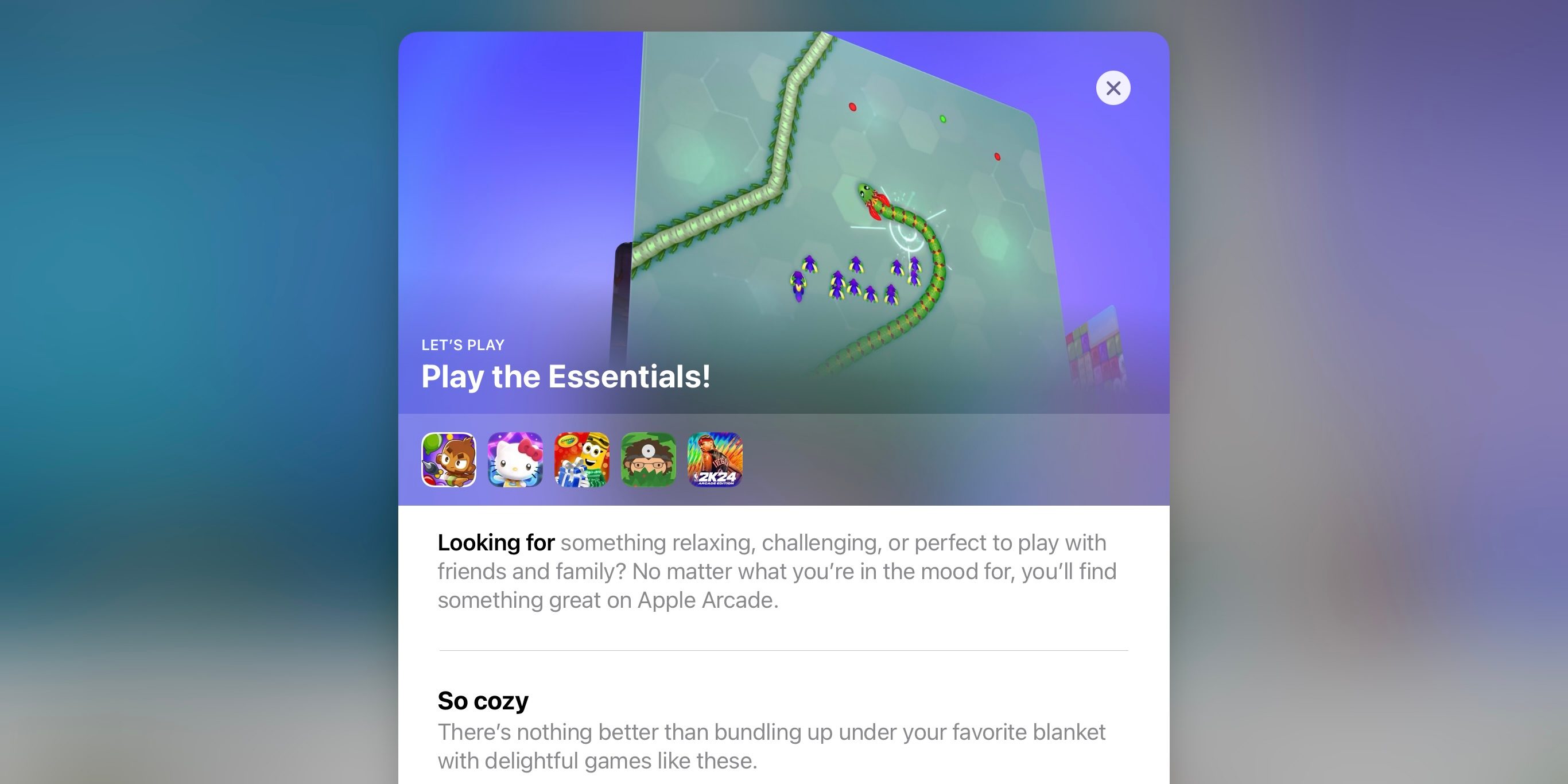
Discovery has always been a cornerstone of Apple’s software philosophy, best exemplified by the human-curated approach of the modern App Store. The Games app will inherit and expand upon this editorial DNA, offering a dedicated space for deep dives, developer interviews, trailers, and curated collections.
Instead of mixing productivity apps, utility tools, and games into a single marketplace feed, Apple’s editorial team will have a dedicated canvas to spotlight gaming culture. Expected content formats include:
- Deep-Dive Spotlights: Long-form editorial features examining the making of indie hits and major AAA titles.
- Curated Collections: Thematic lists such as "Essential Controller-Supported RPGs" or "Best Local Multiplayer Games for Apple TV."
- Developer Insights: Behind-the-scenes access, art direction breakdowns, and update logs for ongoing live-service titles.
- Exclusive Trailers and Teasers: Premieres of upcoming releases specifically optimized for Apple hardware capabilities like MetalFX Upscaling and hardware-accelerated ray tracing.
Industry observers have naturally questioned whether these changes signal the removal of gaming sections from the primary App Store. Current consensus suggests otherwise; rather than cannibalizing the App Store, Apple is expected to use the Games app as a specialized extension, repackaging editorial content to feel more native to the gaming community while retaining transactional capabilities where necessary.
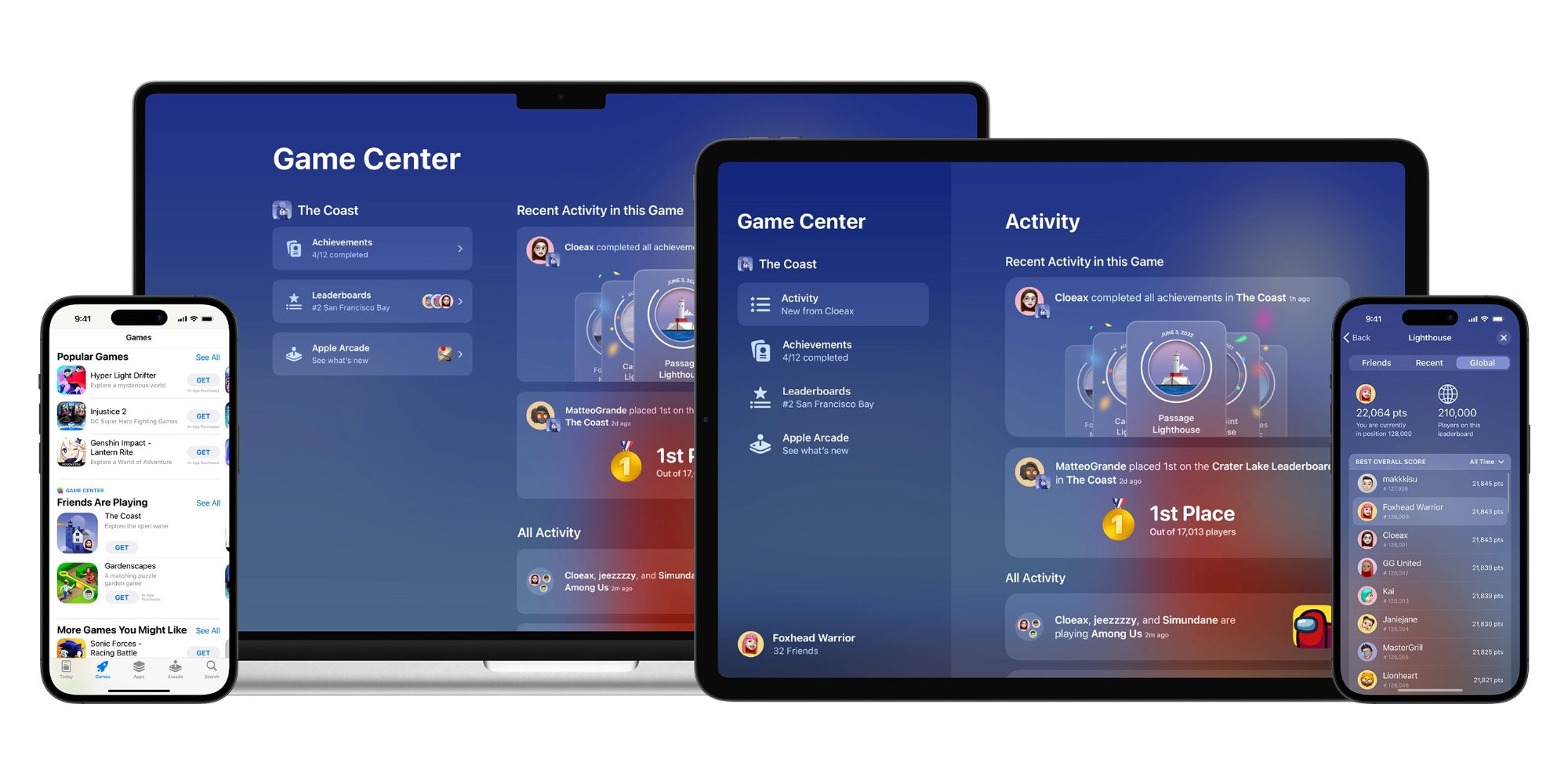
3. Leaderboards, Achievements, and the Evolution of Game Center
Perhaps the most requested feature among legacy Apple gamers is the modernization of social and competitive infrastructure. Game Center has a long, convoluted history within the Apple ecosystem. Introduced in 2010 as a standalone iOS app designed to foster multiplayer matchmaking and achievement tracking, it was quietly dismantled as a dedicated interface with the release of iOS 10, relegated instead to a background system service embedded within settings menus and individual application APIs.
While Game Center continued to quietly power leaderboards and achievements behind the scenes, its visibility plummeted, leaving a void in social cohesion among Apple users. The new Games app rectifies this by pulling Game Center out of the shadows and integrating it directly into the foreground.
According to industry reporting, the app will centralize in-house achievements, global and friend-based leaderboards, player communications, and real-time activity feeds. By giving gamers a dedicated space to view their unlocked trophies, compare high scores with friends, and monitor what their network is currently playing, Apple is finally providing the social glue that has long been standard on Xbox Live, PlayStation Network, and Steam.
Supporting Context, Platform Support, and Ecosystem Metrics
The rollout of a dedicated gaming hub does not happen in a vacuum; it is the culmination of years of quiet hardware and software investments designed to transform Apple silicon into a formidable gaming platform.
Cross-Platform Parity
Apple’s strategy relies heavily on ecosystem continuity. The Games app is not being restricted to the iPhone; rather, it is slated for simultaneous deployment across the company’s hardware lineup:
- iPhone: Serving as the primary mobile gaming terminal, optimized for both touch controls and snapped physical controllers like the Backbone One or Razer Kishi.
- iPad: Leveraging larger displays and M-series processing power for tablet-optimized gaming experiences.
- Mac: Bringing a unified launcher experience to desktop and laptop users, bridging the gap between casual Mac titles and heavier PC-style ports.
- Apple TV 4K: Providing a console-like living room experience when paired with PlayStation, Xbox, or MFi controllers.
While official documentation has yet to explicitly confirm a visionOS version for the Apple Vision Pro, analysts note that spatial computing represents an emerging frontier for interactive entertainment, making a spatial adaptation of the Games app a logical future consideration.
Hardware Readiness: The M-Series and A-Pro Chips
The timing of the Games app aligns with Apple’s aggressive push into high-end hardware performance. Over the past several generations, Apple has systematically introduced advanced graphics features to its silicon, including hardware-accelerated ray tracing, mesh shading, and MetalFX Upscaling. By pairing these technical capabilities with a unified software launcher, Apple is attempting to solve the classic "chicken-and-egg" dilemma of platform gaming: giving developers a centralized storefront and community hub that justifies the substantial engineering investment required to port major console titles to iOS and macOS.
Future Outlook: Challenges and Opportunities
As Apple prepares to officially unveil the Games app, the company faces both immense opportunities and notable challenges.

On the opportunity side, a centralized hub dramatically lowers the barrier to entry for casual users while providing hardcore gamers with the organizational tools they have demanded for years. By streamlining discovery, Apple can increase engagement metrics across Apple Arcade and the broader App Store, driving higher monetization for developers and strengthening service revenue streams.
However, challenges remain. Cultivating a thriving gaming community requires more than just clean software architecture; it requires ongoing developer relations, competitive pricing models, and a willingness to adapt to the fast-moving trends of the global gaming industry. Furthermore, antitrust scrutiny regarding alternative app marketplaces and digital storefronts means Apple must carefully navigate how third-party stores interact with its new native launcher.
Nevertheless, the introduction of the Games app marks a psychological turning point for the Cupertino tech giant. It signals to consumers, developers, and competitors alike that Apple views gaming not as a secondary feature of its consumer electronics, but as a core pillar of its digital future. As the software makes its way into developer betas and public releases later this year, the global gaming community will be watching closely to see if Apple’s execution matches its ambitious design.







Belum ada komentar. Jadilah yang pertama berkomentar!