In a sudden and unexpected pivot that highlights the volatile nature of the consumer metaverse, Meta has officially reversed its decision to sunset the virtual reality (VR) version of its flagship multiplayer platform, Horizon Worlds. The reversal comes after mounting pressure and passionate direct appeals from the platform’s dedicated VR user base.
Originally launched in VR in 2021 as the cornerstone of CEO Mark Zuckerberg’s grand vision for an interconnected, immersive digital future, Horizon Worlds has faced an uphill battle regarding mainstream adoption, user retention, and public perception. The platform became a frequent target of internet memes and corporate skepticism as Meta poured billions of dollars into Reality Labs, its hardware and software development division.
The latest development came to light during an Instagram "Ask Me Anything" (AMA) session hosted by Andrew “Boz” Bosworth, Meta’s Chief Technology Officer. Bosworth revealed that, following an internal review and a wave of feedback from passionate virtual reality enthusiasts, the company has decided to keep the VR iteration of Horizon Worlds online for the foreseeable future.
However, this is not a full-scale return to the platform’s VR-first origins. While existing VR worlds—specifically those powered by the Horizon Unity runtime—will remain accessible for current fans to download and enjoy, Meta is fundamentally shifting its strategic priorities. Moving forward, the vast majority of the company’s developmental energy, engineering resources, and creator support will be funneled into the mobile version of the platform and the Meta Horizon engine.
This strategic course correction underscores a broader industry realization: consumer and creator engagement has proven significantly more viable and scalable on mobile devices than within the friction-heavy confines of current-generation VR headsets. As Meta recalibrates its metaverse roadmap, the competitive landscape continues to heat up, with rival hardware ecosystems like Apple Vision Pro carving out distinct niches in enterprise, cloud-rendered gaming, and high-end simulation.
Detailed Chronology: From Metaverse Ambitions to the Mobile Pivot
To fully understand the gravity of Meta’s recent decision, it is necessary to examine the timeline of Horizon Worlds and the broader trajectory of the company’s immersive technology initiatives.
In December 2021, following Meta’s high-profile corporate rebranding from Facebook, the company opened Horizon Worlds to the public in the United States and Canada for users of its Meta Quest headsets. Positioned as a social sandbox where users could build spaces, play games, and interact as legless avatar caricatures, the platform was heralded by Mark Zuckerberg as the foundational building block of the "metaverse."
2022–2023: The Push for Scale and Early Struggles
As billions of dollars flowed into Reality Labs, Horizon Worlds struggled to maintain consistent monthly active users outside of core early adopters. Internal leaked documents frequently revealed that the platform was suffering from retention issues, technical bugs, and a lack of compelling, sticky content. In an effort to broaden its addressable market beyond the limited installed base of VR headset owners, Meta expanded Horizon Worlds to mobile devices and web browsers in April 2022, allowing users without dedicated headsets to access the experience.
2024–2025: Reality Checks and Cost Optimization
Facing macroeconomic pressures and mounting investor skepticism over the profitability of Reality Labs, Meta began quietly scaling back or re-evaluating underperforming projects. Rumors and strategic internal shifts suggested that the company was looking to trim the fat from its sprawling metaverse efforts. The burden of maintaining legacy VR infrastructure for a platform that was increasingly finding traction—or at least better developer alignment—on mobile led to internal debates regarding the long-term viability of supporting Horizon Worlds on Quest hardware.
March 2026: The AMA Revelation and Reversal
The saga reached a critical turning point in mid-March 2026. According to reports from TechCrunch, internal plans were actively moving forward to wind down the VR-specific iteration of Horizon Worlds. Yet, after receiving an influx of direct pleas from core community members and long-time VR creators, Meta CTO Andrew Bosworth addressed the situation directly during an Instagram AMA. In a surprise announcement, Bosworth revealed that just hours prior, leadership had decided to halt the planned VR shutdown, ensuring that existing Unity-based VR worlds will remain functional for the fans who fought to save them.
Supporting Context & Metrics: The Reality of VR vs. Mobile Engagement
Meta’s decision to keep Horizon Worlds alive in VR while aggressively redirecting its developmental focus toward mobile is rooted in hard data regarding consumer behavior, hardware penetration, and creator economics.
The Hardware Adoption Bottleneck
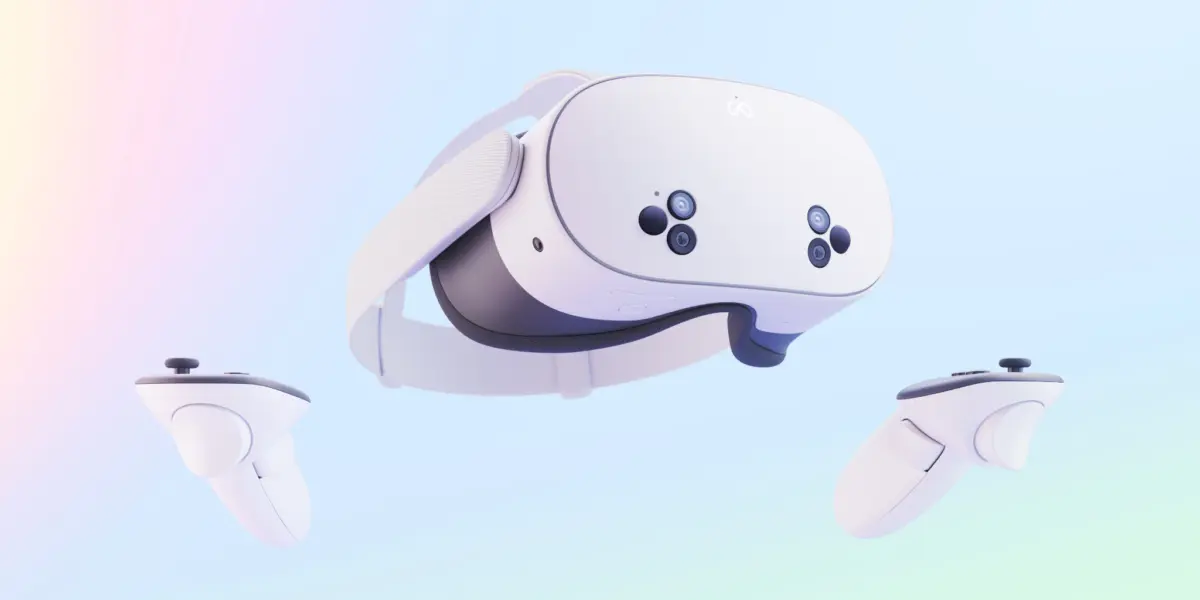
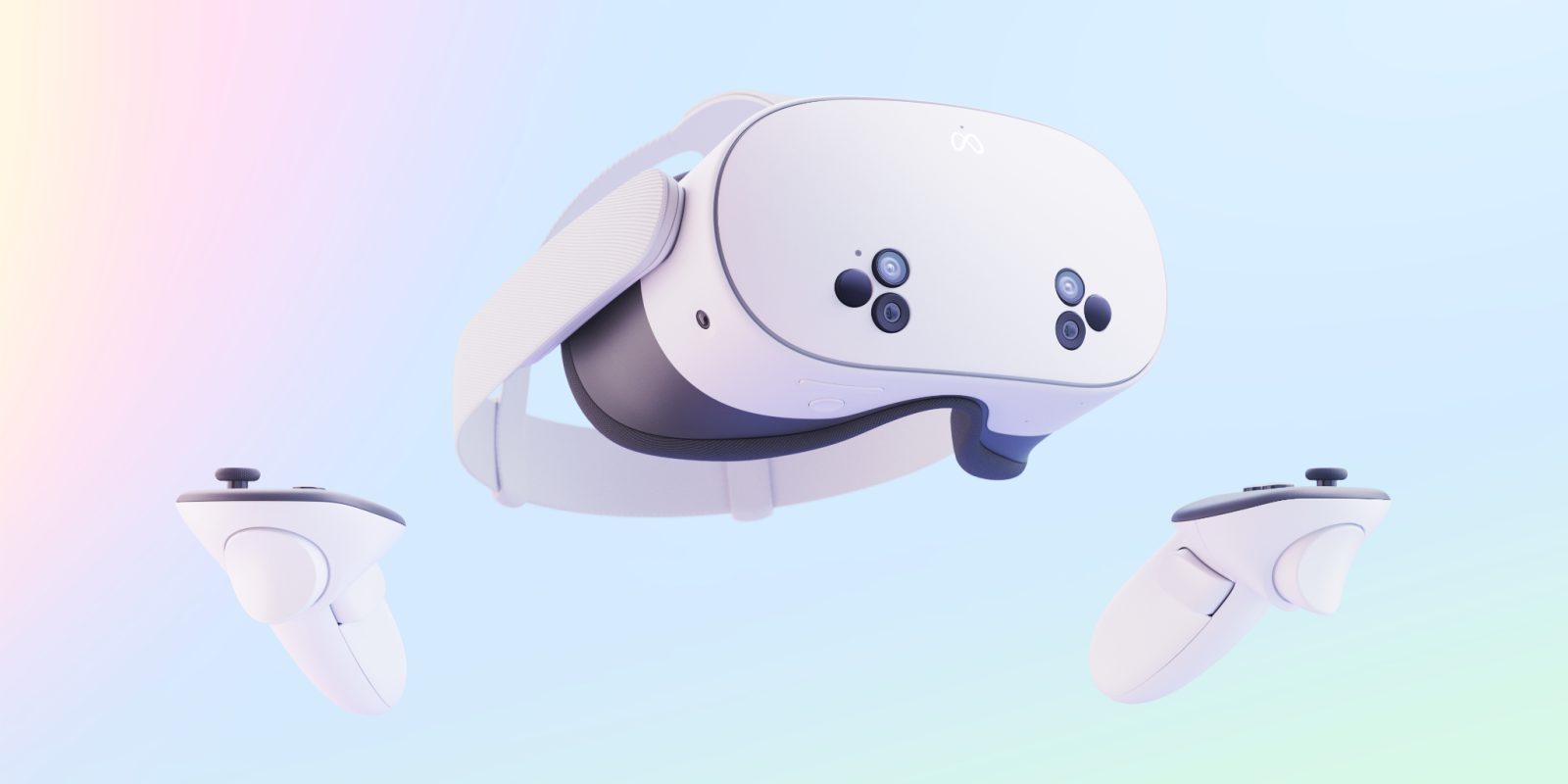
Despite years of aggressive pricing, hardware iterations (such as the Quest 2, Quest 3, and the budget-friendly Quest 3S), and massive marketing campaigns, standalone VR headsets remain niche consumer electronics compared to smartphones. While hundreds of millions of people carry powerful mobile devices in their pockets, global VR headset adoption sits in the tens of millions.
For a social platform designed to thrive on network effects, user-generated content, and vibrant economies, the limited ceiling of VR hardware active users has proven to be a persistent growth barrier.
Where the Creators and Consumers Went
As Bosworth noted in his remarks, Meta’s strategic pivot is ultimately driven by where energy is naturally concentrating. Mobile platforms offer lower friction:
Zero Barrier to Entry: Users do not need to strap a heavy headset to their faces; they can tap an app icon on their smartphone.
Streamlined Distribution: Integrating experiences into mobile app ecosystems aligns with existing digital consumption habits.
Creator Scalability: Creators targeting mobile ecosystems can tap into massive, pre-existing audiences rather than being artificially restricted to users who own specific virtual reality hardware.
By leaning into the Meta Horizon engine for mobile, Meta is effectively acknowledging that while VR remains a crucial medium for hardcore gaming and specialized productivity, the mass-market "metaverse" vision is far more likely to achieve scale through flat-screen mobile interfaces.
Official Statements and Insider Perspectives
The policy shift was articulated clearly by Meta CTO Andrew Bosworth during his social media broadcast. Rather than relying on formal corporate PR statements, Bosworth opted for a transparent, direct-to-consumer approach via his Instagram Stories.
Addressing a concerned community member who reached out about the rumored shutdown, Bosworth stated:
"We have decided, just today in fact, that we will keep Horizon Worlds working in VR for existing games to support the fans who’ve reached out, like yourself, who really care about that. Those, the Horizon Unity runtime games, they’re not gonna work on mobile. They’ll just be working on VR.
We’re not bringing new games. Again, most of our energy is going towards mobile and the Meta Horizon engine there. The reason for that is because that’s where most of the consumer and creator energy already was, and so we’re kind of leaning into that. But yeah, you know, for people who already have games that they like that they’re using in Horizon Worlds, will be able to download the Horizon Worlds app and use it in VR for the foreseeable future."
This statement paints a nuanced picture of the platform’s future. It is neither a complete abandonment of VR nor a reinvestment in VR innovation. Instead, it is a maintenance mode for legacy content—a gesture of goodwill to the vocal minority who built their virtual lives within those specific Unity-powered spaces.
Future Outlook: The Competitive Landscape of Spatial Computing
While Meta recalibrates Horizon Worlds to prioritize mobile environments, hardware gaming remains a foundational pillar for Meta Quest headsets. Standalone VR gaming continues to command a loyal, highly engaged demographic of users who purchase titles, participate in virtual communities, and look for deeply immersive experiences.
At the same time, the broader spatial computing and extended reality (XR) market is evolving rapidly, with formidable competitors pushing the envelope in different directions:
Apple Vision Pro and High-End Simulation
While Meta optimizes for accessibility and mobile reach, Apple continues to target the ultra-premium tier of spatial computing with the Apple Vision Pro. The ecosystem is experiencing significant enterprise and high-end gaming boosts. Notably, recent developments in visionOS 26.4 feature deep integration with Nvidia CloudXR, enabling resource-intensive enterprise and design applications—such as the Autodesk VRED app—to run seamlessly in spatial environments. Furthermore, Apple’s platform is unlocking support for advanced software suites, including what industry analysts are calling "the world’s most advanced flight simulator," targeting professional training and elite simulation enthusiasts.
The Diverging Paths of the Metaverse
Meta’s pivot highlights a fundamental fork in the road for spatial technology companies:
The Mass-Market Mobile Play: Lowering barriers to entry, focusing on casual social interaction, and leveraging mobile app ecosystems to achieve high user volume.
The Premium Hardware Play: Pushing the boundaries of fidelity, processing power, and cloud-rendering capabilities for dedicated VR and mixed-reality headset users.
By preserving Horizon Worlds in VR for existing fans while shifting new engineering efforts to mobile, Meta is attempting to straddle both worlds. Whether this dual-track strategy can satisfy both casual mobile users and hardcore VR loyalists remains one of the defining questions for the next era of digital interaction.











Belum ada komentar. Jadilah yang pertama berkomentar!