


Executive Overview
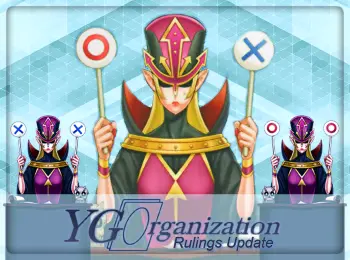
The digital dueling landscape of Konami’s wildly successful Yu-Gi-Oh! Master Duel is bracing for a tectonic shift. In an announcement that has sent immediate shockwaves through competitive communities, content creator spaces, and ladder grinders alike, the development team has detailed the upcoming Forbidden and Limited (F/L) List alongside a blockbuster Selection Pack titled "Kaiser on the Stage." Set to deploy globally on September 3rd, this update targets foundational elements of modern deck-building philosophy while introducing powerful new archetypes, legacy support variants, and aesthetic centerpieces designed to redefine the metagame.
At the epicenter of this update is the complete eradication of a card that has defined Master Duel’s interactive dynamic since its inception: Called by the Grave. Moving from limited status directly to the Forbidden tier, this staple Quick-Play Spell—long relied upon by duelists to neutralize opponent hand traps and punish graveyard-centric recursion—is being fundamentally excised from the competitive ecosystem. Accompanying this seismic ban are targeted restrictions on the emerging "Dracotail" engine, alongside a stunning, highly controversial return from the dead for one of the most infamous engines in the trading card game’s history: Tearlaments Havnis moves to Unlimited status.
Simultaneously, the horizon brightens for fans of diverse strategies with the arrival of the "Kaiser on the Stage" Selection Pack. Featuring heavy-hitting Ultra Rares (UR) such as Clown Crew Biancaviso, Phara the Primordial Goddess, an extended-art variant of Cyber End Dragon, the Final Strike Dragon, and the explosive Red Nova Dragon – Burning Soul, this pack promises to inject fresh, high-ceiling combinations into both casual and tournament play.
As duelists scramble to adapt their main decks, side options, and economic reserves ahead of the September 3rd implementation, this comprehensive report breaks down the chronological unfolding of the update, the tactical weight of the changes, the economic compensation frameworks in place, and a forward-looking analysis of how the competitive meta will metabolize these sweeping adjustments.
Detailed Chronology & Structural Breakdown of the September 3rd Update
The roll-out of the September 3rd update follows a meticulous schedule established by Konami to ensure data integrity and transparent communication with the player base. Understanding the precise timeline of these changes is critical for competitive players seeking to maximize their resource management and minimize competitive friction.
Phase 1: The Announcement and Community Reception
The initial data-mine and official in-game notification dropped simultaneously across all platforms, instantly galvanizing the Master Duel community. Within minutes of the disclosure, forums, Discord servers, and social media platforms were flooded with analysis. The immediate focal point was the sudden execution of Called by the Grave, a card whose ubiquity across nearly every competitive tier made its total prohibition a historical milestone for the digital format. Concurrently, the revelation of the "Kaiser on the Stage" Selection Pack shifted developer focus toward aggressive, high-impact summoning mechanics, balancing the defensive vacuum left by the banlist with explosive offensive options.
Phase 2: The Transition Window (Leading to September 3nd)
During the lead-up to the implementation date, players are afforded a brief grace period to review their collections, liquidate targeted assets, and theorycraft alternative defensive frameworks. Because Called by the Grave is transitioning to the Forbidden tier, and cards such as Dracotail Mululu and Ketu Dracotail are being restricted to Semi-Limited, players possess a finite window to prepare for deck adjustments.
Phase 3: Global Deployment (September 3rd)
At server reset on September 3rd, the new F/L List will go live, immediately invalidating any registered deck lists containing illegal quantities of the affected cards. Concurrently, the "Kaiser on the Stage" Selection Pack will become available in the in-game shop, accompanied by specialized promotional bundles and structural pack-opening interfaces.
Phase 4: The Dismantling and Compensation Epoch
Running from the moment the list goes live until October 1st at 13:00 JST, Konami has instituted a specialized crafting point (CP) refund period. During this window, players who dismantle cards whose maximum allowed copies have been reduced (specifically Called by the Grave, Dracotail Mululu, and Ketu Dracotail) will receive an enhanced material yield equivalent to the card’s full crafting cost. Additionally, a specialized exchange mechanic is active for alternate artwork variants of Called by the Grave, concluding slightly earlier on October 1st at 09:59 JST, ensuring collectors and aesthetic enthusiasts can safely pivot their visual assets.
Supporting Context, Metric Analysis, and Card-by-Card Breakdown
To fully appreciate the gravity of the September 3rd update, one must examine the individual components of the F/L List and the incoming Selection Pack through a lens of rigorous metagame analysis.
The Forbidden Tier: Called by the Grave
[SPELL CARD - QUICK-PLAY]
Effect: Target 1 monster in your opponent's Graveyard; banish it, and if you do,
until the end of the next turn, that monster and its original name-activated
effects and effects on the field cannot be activated.- Historical Context: Since the launch of Master Duel, Called by the Grave has sat comfortably at Limited (1 copy), serving as the premier safeguard against hand traps like Maxx "C", Ash Blossom & Joyous Spring, and Effect Veiler. However, its offensive utility—disrupting opponent graveyard setups on the fly—made it a polarizing design choice.
- Impact Analysis: By banning Called by the Grave, Konami is attempting to fundamentally alter how hand traps interact with the game state. Without this universal safety valve, graveyard-reliant strategies (such as Zombie, Infernoid, and Unchained variants) receive an indirect, massive buff. Conversely, players going second must now rely entirely on alternatives like Crossout Designator, Called by the Grave substitutes, or engine-specific interaction points to stop opponent disruptions. The absence of this card will likely increase the viability of proactive graveyard plays across the ladder.
The Semi-Limited Tier: The "Dracotail" Adjustments
- Dracotail Mululu (Newly Semi-Limited)
- Ketu Dracotail (Newly Semi-Limited)
- Impact Analysis: The "Dracotail" strategy has steadily climbed the tier lists, praised for its fluid resource generation and oppressive boss monster setups. By reducing both Dracotail Mululu and Ketu Dracotail to two copies each, Konami is enacting a preventative structural hit. This restriction slows down the opening consistency of the engine without completely murdering its viability, forcing pilots to make deliberate mathematical choices regarding brick ratios and search targets.
The Unlimited Tier: Tearlaments Havnis
[MONSTER - AQUA / EFFECT / LEVEL 3 / WATER]
ATK/1600 DEF/1000
Effect: During your opponent's turn, when an effect of an Aqua monster in your hand
is activated (Quick Effect): You can Special Summon this card from your hand,
then send the top 3 cards of your Deck to the Graveyard...- Historical Context: Tearlaments famously dominated the physical and digital trading card games to an unprecedented degree, leading to a sweeping sequence of bans that rendered the deck nearly unplayable in standard formats. Havnis, the engine’s primary interactive disruptor from the hand, has lingered on the restricted lists for ages.
- Impact Analysis: Moving Tearlaments Havnis to Unlimited (3 copies) is a bold, highly provocative move by the balancing team. While the deck lacks several of its core enablers (such as Agido the Ancient Sentinel and Kelbek the Ancient Vanguard, which remain strictly forbidden), returning to a trio of Havnis increases the explosive ceiling of mill-based playstyles. Whether this will resurrect Tearlaments as a tier-one threat or merely invite creative rogue experimentation remains one of the most hotly debated questions in the community.
The "Kaiser on the Stage" Selection Pack: New Additions
While the banlist clears out the old guard, the incoming Selection Pack injects vibrant new blood into the digital ecosystem. Let us examine the headline-grabbing Ultra Rare (UR) disclosures confirmed for September 3rd:
1. Clown Crew Biancaviso (UR)
A fascinating addition that leans into theatrical, high-risk playstyles. Clown Crew Biancaviso introduces unique board-control mechanics and resource cycling that reward tactical precision. Its integration into existing light-hearted or circus-themed archetypes will offer duelists fresh avenues for psychological warfare on the ladder.
2. Phara the Primordial Goddess (UR)
Embodying ancient, divine mystique, Phara the Primordial Goddess arrives as a towering boss monster designed to anchor high-tier control or fairy-centric strategies. With text that interacts directly with resource allocation and field presence, Phara is expected to command significant attention from deck-builders looking to establish unbreakable boards.
3. Cyber End Dragon, the Final Strike Dragon (UR) (Extended Art)
A beloved fan-favorite classic receives the premium treatment. Featuring an arresting extended-art frame, Cyber End Dragon, the Final Strike Dragon pays homage to Cyber Dragon traditionalists while offering modern finishing power. Collectors and nostalgic machine-type enthusiasts will undoubtedly prioritize pulling this variant.
4. Red Nova Dragon – Burning Soul (UR)
For the Synchro loyalists, Red Nova Dragon – Burning Soul takes the fiery legacy of Jack Atlas’s iconic dragon to blistering new heights. Requiring aggressive multi-step Synchro Summoning sequences, this card is engineered to close out matches in a blaze of high-attack glory, rewarding players who master high-density Extra Deck compositions.
5. The Crimson King
Rounding out the major reveals, The Crimson King provides comprehensive structural support for Archfiend and Resonator strategies, solidifying the pack’s heavy emphasis on classic anime-inspired archetypes modernized for contemporary competitive play.
Economic Policies, Crafting Point (CP) Refunds, and Player Compensation
Konami’s monetization and economy framework during banlist shifts is a critical component of player satisfaction. The September 3rd update maintains the established tradition of fair compensation, mitigating the sting of losing vital investment cards.
Dismantling Bonuses Overview
When a card’s maximum legal number of copies in a deck is officially reduced by the regulatory framework, players are granted an enhanced refund window upon dismantling excess copies.
- Target Cards: Called by the Grave, Dracotail Mululu, Ketu Dracotail.
- Refund Yield: Dismantling these cards during the promotional window yields crafting points equal to their full creation cost (e.g., 30 UR CP for Called by the Grave).
- Deadline: This window closes strictly on October 1st at 13:00 JST. Players are strongly advised to audit their inventories and liquidate unnecessary copies before this timestamp expires.
The Alternate Artwork Exchange Ticket Mechanism
In a unique provision catering to aesthetic collectors, Konami has accounted for the alternate artwork variant of Called by the Grave.
- The Exchange Ticket: Players who own the alternate artwork variant can utilize a specialized Exchange Ticket system upon dismantling the card.
- Deadline: This specific exchange window closes slightly ahead of the general CP window on October 1st at 09:59 JST. This ensures that cosmetic investments are respected while still cleaning the card out of active competitive circulation.
Future Outlook: Predicting the Post-September 3rd Metagame
As we look beyond the September 3rd deployment date, the competitive landscape of Yu-Gi-Oh! Master Duel is poised for radical transformation. Analysts and high-ranking ladder competitors are already forecasting several key trends:
- The Hand Trap Renaissance: With Called by the Grave completely removed from the equation, duelists must rethink how they protect their primary turn-one plays. Expect a sharp rise in the adoption of Crossout Designator, Triple Tactics Talent, and engine-specific negation tools. Furthermore, hand traps like Maxx "C" and Ash Blossom will resolve with significantly higher frequency, altering game-ending dynamics.
- Graveyard Strategies Rise from the Shadows: The removal of the ultimate graveyard-hate staple opens the floodgates for decks that utilize the GY as a second hand. Zombies, Lightsworn variants, and newly uninhibited Tearlaments strategies will enjoy greater operational freedom, though they must still contend with persistent staples like D.D. Crow and Dimensional Barrier.
- Engine Diversity via Selection Packs: The arrival of Clown Crew Biancaviso, Phara the Primordial Goddess, and Red Nova Dragon – Burning Soul ensures that the ladder will not become homogeneous. Rogue and tier-two strategies receiving these powerful reinforcements will pressure meta gatekeepers to adapt or risk being overrun by unexpected synergies.
Ultimately, the September 3rd update represents a bold, calculated gamble by Konami. By ruthlessly pruning an omnipresent staple while simultaneously tossing the keys back to a once-dreaded powerhouse (Tearlaments Havnis) and injecting fresh thematic flair through "Kaiser on the Stage," Master Duel proves once again that its digital ecosystem is an evolving, living organism. Duelists must dust off their binders, rethink their defensive matrices, and prepare for a brand-new era of competitive digital play.





Belum ada komentar. Jadilah yang pertama berkomentar!