

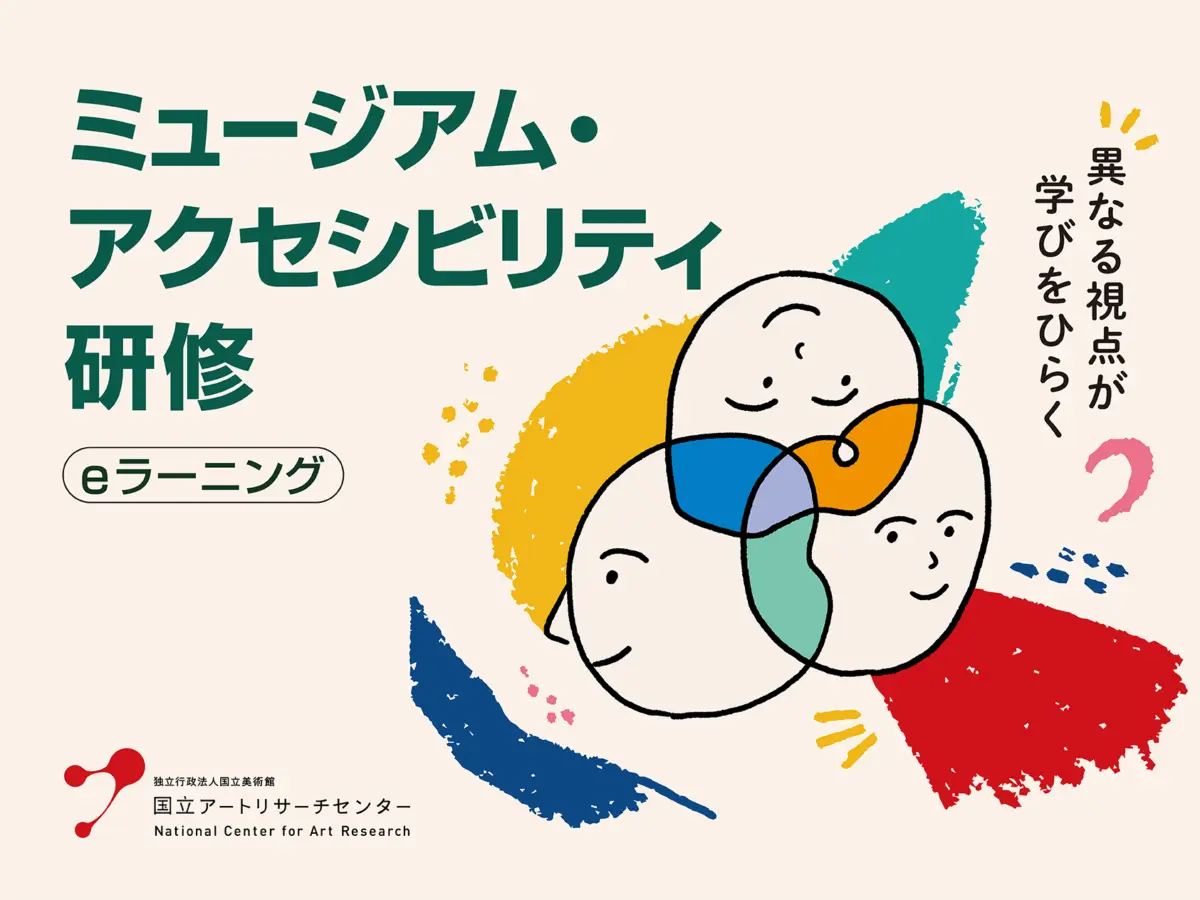
TOKYO — In a landmark initiative aimed at transforming the operational standards of public cultural institutions across Japan, the National Center for Art Research (NCAR) has officially inaugurated the "Museum Accessibility Training" program.
This ambitious nationwide educational endeavor arrives at a crucial juncture for the global museum and gallery sector. Following the landmark adoption of revised museum ethics and operational methodologies by the International Council of Museums (ICOM) during its April 2023 General Conference, cultural institutions worldwide are re-evaluating their foundational missions. Museums are no longer viewed merely as static repositories for the preservation of historical artifacts and fine art; they are increasingly expected to function as dynamic, equitable, and universally accessible community hubs.
NCAR’s newly minted curriculum directly addresses these evolving expectations, providing museum professionals, curators, educators, and administrators with the practical tools, theoretical frameworks, and institutional strategies required to bridge the gap between traditional operational models and modern standards of universal accessibility.
Executive Overview: A Paradigm Shift in Japanese Museology
For decades, the standard approach to accessibility within Japanese museums focused primarily on physical infrastructure—such as the installation of wheelchair ramps, elevators, and braille signage. While these physical adjustments remain critical, modern museology demands a much more holistic definition of accessibility.
The NCAR Museum Accessibility Training program is engineered to move the cultural sector beyond the baseline of physical compliance. It instills deep competencies in "rational accommodation" (the legal and ethical requirement to adapt environments for individuals with diverse needs without imposing an undue burden) and "information security" regarding sensitive visitor data.
By systematically training personnel across multiple departments—from front-of-house guest relations and security to exhibition design and educational outreach—NCAR aims to foster an institutional culture where inclusivity is woven into the very fabric of museum management. This initiative underscores a fundamental truth: true accessibility encompasses cognitive, sensory, socioeconomic, and cultural dimensions as much as it does physical mobility.
Detailed Chronology: Program Structure and Implementation
To maximize institutional participation and ensure that training does not disrupt daily gallery operations, NCAR has structured the learning tracks into two distinct operational models spanning the autumn and winter seasons of 2026–2027. Participants can choose between two specialized tracks depending on their institutional roles and geographical needs:
Track 1: General Visitor Relations & Front-Line Operations
Designed specifically for front-line staff, visitor experience coordinators, ticketing personnel, and security teams who interact directly with the public daily.
- Online Training Period: September 7, 2026 – October 15, 2026
- On-Site Training Period: November 4, 2026 – January 27, 2027
Track 2: Specialized Exhibition Planning & Curatorial Management
Tailored for curators, exhibition designers, educational programmers, and senior administrative leadership responsible for conceptualizing and executing public programs.
- Online Training Period: September 7, 2026 – December 15, 2026
- On-Site Training Period: October 1, 2026 – January 27, 2027
Through a blend of asynchronous digital modules, synchronous online seminars, and immersive on-site workshops hosted at partnering institutions, participants will unpack case studies ranging from tactile art exhibitions for the visually impaired to neurodiversity-friendly quiet hours designed for visitors with autism spectrum conditions.
Supporting Context & Metrics: The Imperative for Universal Access
The launch of the NCAR program does not occur in a vacuum. Japanese society is navigating unprecedented demographic shifts, characterized by a rapidly aging population alongside a growing emphasis on multiculturalism and international tourism.
According to recent metrics from cultural policy think tanks, public expectations of museums have shifted dramatically. Visitors increasingly demand environments that respect neurodiversity, linguistic diversity, and varying physical capabilities.
- Cognitive & Sensory Accessibility: Museums are learning to implement sensory-friendly maps, low-stimulus hours, and clear, plain-language signage that benefits neurodivergent visitors, individuals with cognitive disabilities, and non-native speakers.
- Physical & Digital Equity: The digital transformation accelerated by the pandemic has highlighted the need for robust digital accessibility. Websites, virtual tours, and digital exhibition catalogues must comply with international web accessibility standards (such as WCAG guidelines) to ensure that individuals unable to visit physical spaces can still engage with national cultural assets.
- Socioeconomic Barriers: Accessibility also intersects with economic and geographical disparities. Training modules guide institutions on how to dismantle financial and psychological barriers to entry, ensuring that marginalized communities feel a sense of ownership and welcome within cultural spaces.
Official Statements and Pedagogical Framework
While formal curriculum details are continuously refined and distributed directly to enrolled institutions via NCAR’s official portal, representatives from the steering committee have emphasized the collaborative nature of the initiative.
"Accessibility is no longer an optional add-on or a secondary consideration for museums aiming for relevance in the 21st century," noted a senior program coordinator during the preliminary curriculum briefing. "It is a core professional competency. Through this training program, NCAR is committed to equipping museum professionals with the mindset and methodologies required to ensure that our national cultural heritage is genuinely open to everyone, without exception."
The pedagogical framework relies heavily on peer-to-peer learning, expert-led lectures, and rigorous self-assessments. Participants are encouraged to evaluate their home institutions critically, identifying hidden systemic barriers that may alienate potential visitors.
Future Outlook: Building a Resilient Cultural Ecosystem
As Japanese museums look toward the remainder of the decade, the outcomes of the NCAR Museum Accessibility Training program are expected to ripple across the entire cultural landscape. By standardizing best practices in rational accommodation and information preservation, NCAR is laying the groundwork for a more resilient, empathetic, and inclusive museum sector.
Institutions participating in the 2026–2027 cohorts will not only fulfill emerging international standards set by bodies like ICOM but will also redefine what it means to be a public cultural institution in a rapidly changing world.
For further details regarding registration, application guidelines, and specific institutional requirements, professionals are encouraged to visit the official NCAR Museum Accessibility Training Portal.







Belum ada komentar. Jadilah yang pertama berkomentar!