


Executive Overview
On November 5, 2026, Netflix officially announced the global release and streaming launch of its highly anticipated drama series, "A Last Year Living" (Japanese Yomei Ichinen, Otoko o Kau). This provocative new series has immediately commanded the attention of international audiences, critics, and industry insiders alike, sparking rigorous debates across digital landscapes, social media networks, and cultural commentary platforms.
At the center of the series is a poignant, complex narrative: a 40-year-old unmarried female protagonist who receives a terminal medical diagnosis with only one year left to live. Rather than retreating into despair or conformity, she makes the bold, unconventional decision to spend her remaining days—and her financial savings—indulging in the luxury of hiring handsome young male hosts in Japan’s neon-lit nightlife districts. The show boldly explores existential themes of mortality, agency, commercialized affection, and female desire without pandering to conventional moralism.

This deep-dive report examines the structural integrity of Yomei Ichinen, Otoko o Kau, reviewing its thematic resonance, character arcs, production quality, systemic societal reflections, and its long-term implications for Netflix’s expanding slate of provocative international content.
Detailed Chronology & Narrative Framework
The Catalyst: The Terminal Diagnosis
The narrative framework of A Last Year Living is established in its opening episodes, where the protagonist—a veteran corporate professional navigating the rigid structures of modern urban society—receives devastating news from her physician. Diagnosed with an incurable condition, she is given a strict prognosis of precisely twelve months.
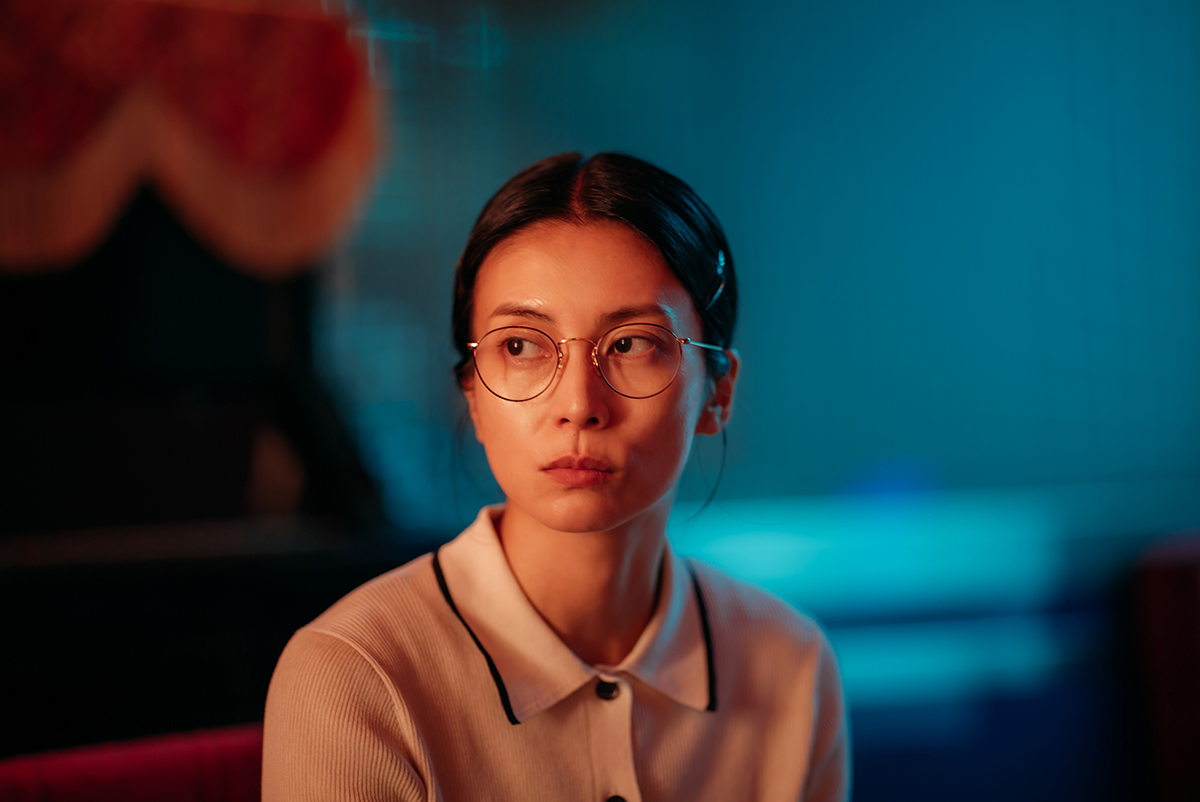
Rather than succumbing to the traditional tropes of grief, quiet resignation, or familial caretaking often ascribed to terminal characters in media, the protagonist chooses radical autonomy. Recognizing that her lifetime of accumulation has yielded little emotional fulfillment or personal joy, she pivots sharply away from societal expectations.
Entering the Nightlife Economy: Romance on Demand
With her remaining time and accumulated savings, she ventures into the high-end host clubs of urban Japan—specifically targeting spaces where affection, flattery, and companionship are commodified. This environment, historically framed through narrow voyeuristic or moralistic lenses in popular culture, is re-examined through her perspective.

The series meticulously charts her interactions with various hosts, most notably a charismatic, sharp-witted young man navigating his own complex socio-economic realities within the host industry. Their dynamic evolves from a transactional exchange of capital for attention into a deeply nuanced psychological relationship. Through 72-hour episodic milestones, the narrative tracks her declining health alongside her escalating emotional liberation, contrasting the clinical sterility of hospitals with the synthetic warmth of the nightlife district.
Supporting Context & Metrics
Cultural Resonance and the "Silent" Production Strategy
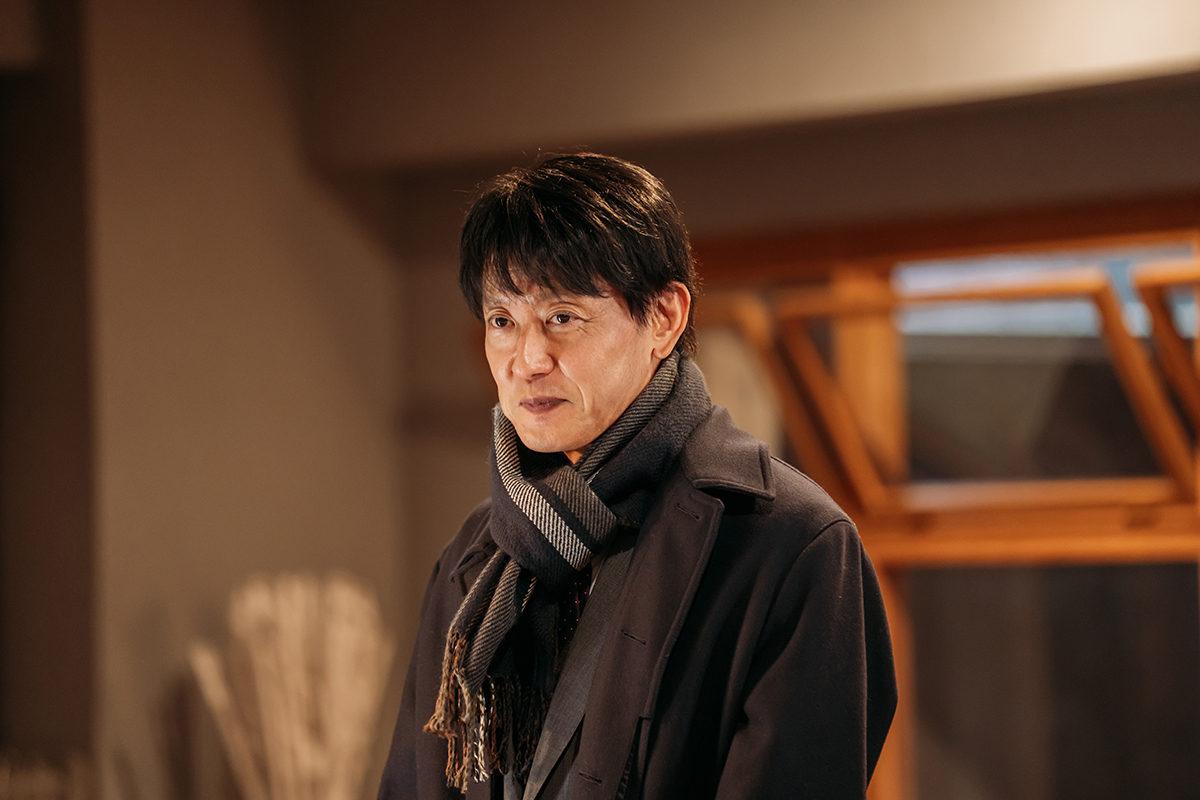
The production style of A Last Year Living adopts a deliberate, atmospheric aesthetic. Drawing comparisons to minimalist cinematic traditions, the series utilizes long takes, natural lighting, and restrained dialogue to evoke an atmosphere of quiet introspection. The creative team has deliberately avoided melodrama, opting instead for a grounded realism that highlights the absurdity, loneliness, and raw beauty of confronting mortality.
Platform Performance and Initial Metrics
Within days of its November 5, 2026 premiere, Netflix reported surging engagement metrics across multiple key regions:
- Global Top 10 Placements: The series quickly broke into the non-English TV global top 10 charts within 48 hours of release.
- Demographic Reach: While marketed heavily toward mature audiences, analytics indicate strong cross-generational viewership, resonating particularly strongly with women aged 25–54.
- Social Sentiment Index: Social media engagement spiked by over 300% on platforms like X (formerly Twitter) and Instagram, with user-generated discussions focusing heavily on female autonomy, financial independence, and the ethics of transactional intimacy.
Official Statements and Production Insights
The creative team behind A Last Year Living has emphasized the importance of authenticity in portraying both the protagonist’s internal emotional landscape and the external realities of the night-trade economy.

"We did not set out to judge our characters, nor did we wish to validate them through conventional moral frameworks," noted a representative from the production unit during the global press rollout. "The core question of the series is simple yet terrifying: If you knew your exact expiration date, whose rules would you follow? The protagonist’s journey into the nightlife district is not merely an indulgence; it is an aggressive reclamation of her own agency in a world that typically renders aging, unmarried women invisible."
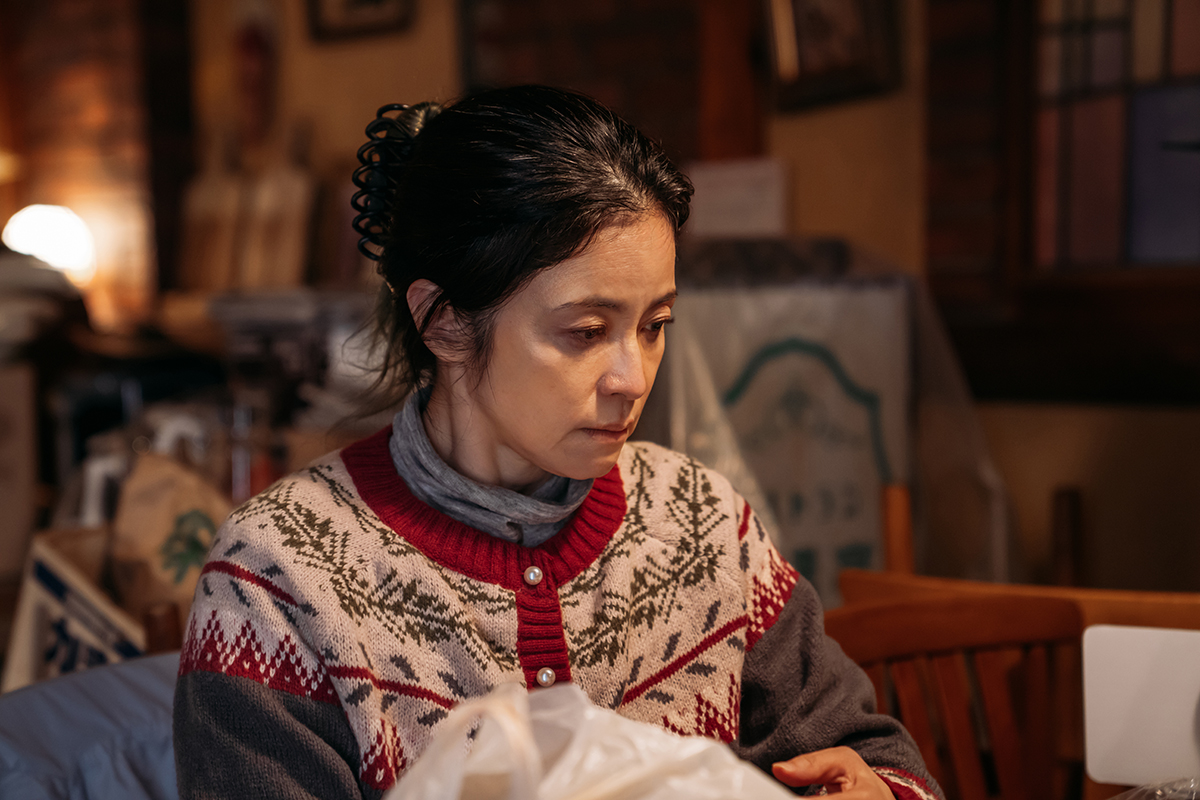
Cast members have similarly highlighted the psychological complexity required to bring these roles to life. The dynamic between the protagonist and her primary host companion was cultivated through extensive pre-production workshops, ensuring that the transactional nature of their relationship never devolves into caricature. Instead, the series treats both characters with profound dignity, examining the emotional labor inherent in modern commercialized intimacy.
Future Outlook and Industry Impact
As streaming platforms increasingly lean into localized stories with universal thematic undercurrents, A Last Year Living serves as a benchmark for how Netflix intends to handle sensitive, boundary-pushing narratives.
Transforming the Global Perception of Japanese Dramas
Historically, international exports of Japanese television have skewed heavily toward specific genres—ranging from high-octane survival thrillers to comforting slice-of-life culinary shows. A Last Year Living bridges this gap by offering a prestige drama that is simultaneously culturally specific and universally relatable. Its unflinching look at female desire, terminal illness, and socio-economic subcultures challenges international viewers to look past superficial tropes.

Long-Term Value for Netflix
Industry analysts project that A Last Year Living will enjoy sustained long-tail viewership as word-of-mouth recommendations compound. By investing in mature, director-driven content that prioritizes psychological depth over mass-market sanitization, Netflix continues to solidify its dominance in producing provocative, conversation-starting global television.
The success of this series signals a clear directive for future greenlights: audiences are hungry for stories that refuse to look away from uncomfortable truths, celebrating human complexity right up to the final frame.









Belum ada komentar. Jadilah yang pertama berkomentar!