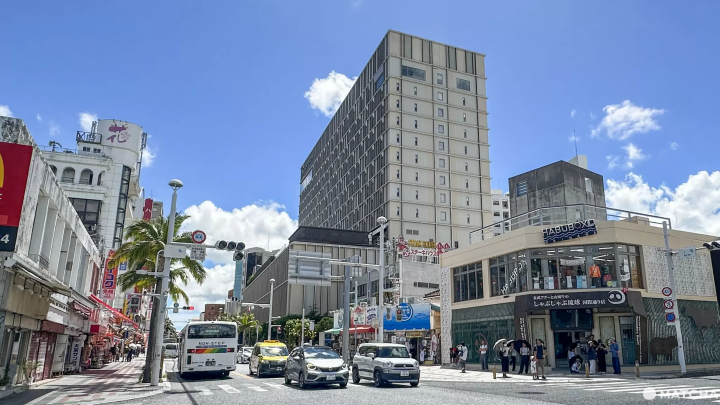
Stretching approximately 1.6 kilometers (one mile) through the heart of Naha, Okinawa Prefecture, Kokusai Dori (International Street) stands as the quintessential travel destination for visitors exploring Japan’s southernmost island chain. Connecting Kencho-mae Station to Makishi Station, this vibrant commercial artery is far more than a mere thoroughfare; it serves as a dynamic cultural crossroad where post-war American influences merge seamlessly with traditional Ryukyuan heritage.
For culinary enthusiasts, retail investors, and cultural tourists alike, Kokusai Dori represents an essential itinerary. However, due to the sheer density of vendors, sweet shops, traditional craft houses, and bustling covered arcades such as Heiwa Dori Shopping Street, Ichiba Hondori, and the historic Makishi Public Market, navigating the corridor efficiently requires a strategic approach.
This comprehensive guide maps out the corridor’s premier gastronomy, essential souvenir shopping hubs, and neighboring cultural attractions in a structured, sequential route starting from Kencho-mae Station and advancing toward Makishi. Furthermore, this report examines local operating metrics, demographic trends, and strategic planning data designed to optimize any traveler’s journey through Okinawa’s premier commercial and cultural hub.
Detailed Chronology: The Kokusai Dori Gastronomic Route
To maximize time and culinary intake, visitors are advised to approach Kokusai Dori in a linear progression. This sequential route mitigates backtracking, allowing travelers to experience the corridor’s rich culinary evolution from modern fusion treats to century-old traditional confectioneries.
[Kencho-mae Station]
  │
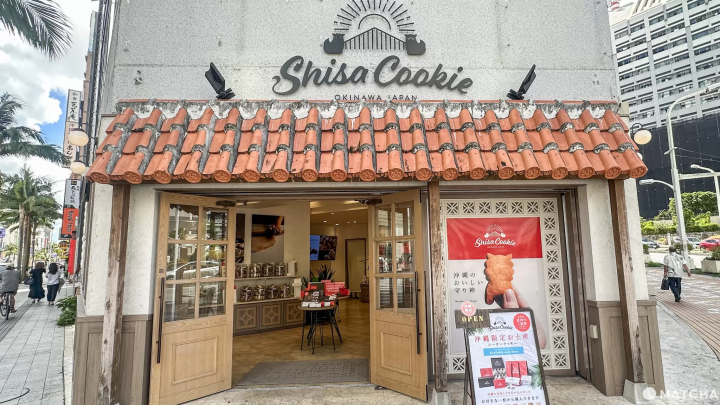
  ├─ 1. Shisa Cookie (Lion-dog shaped cookies, Shekwasha citrus)
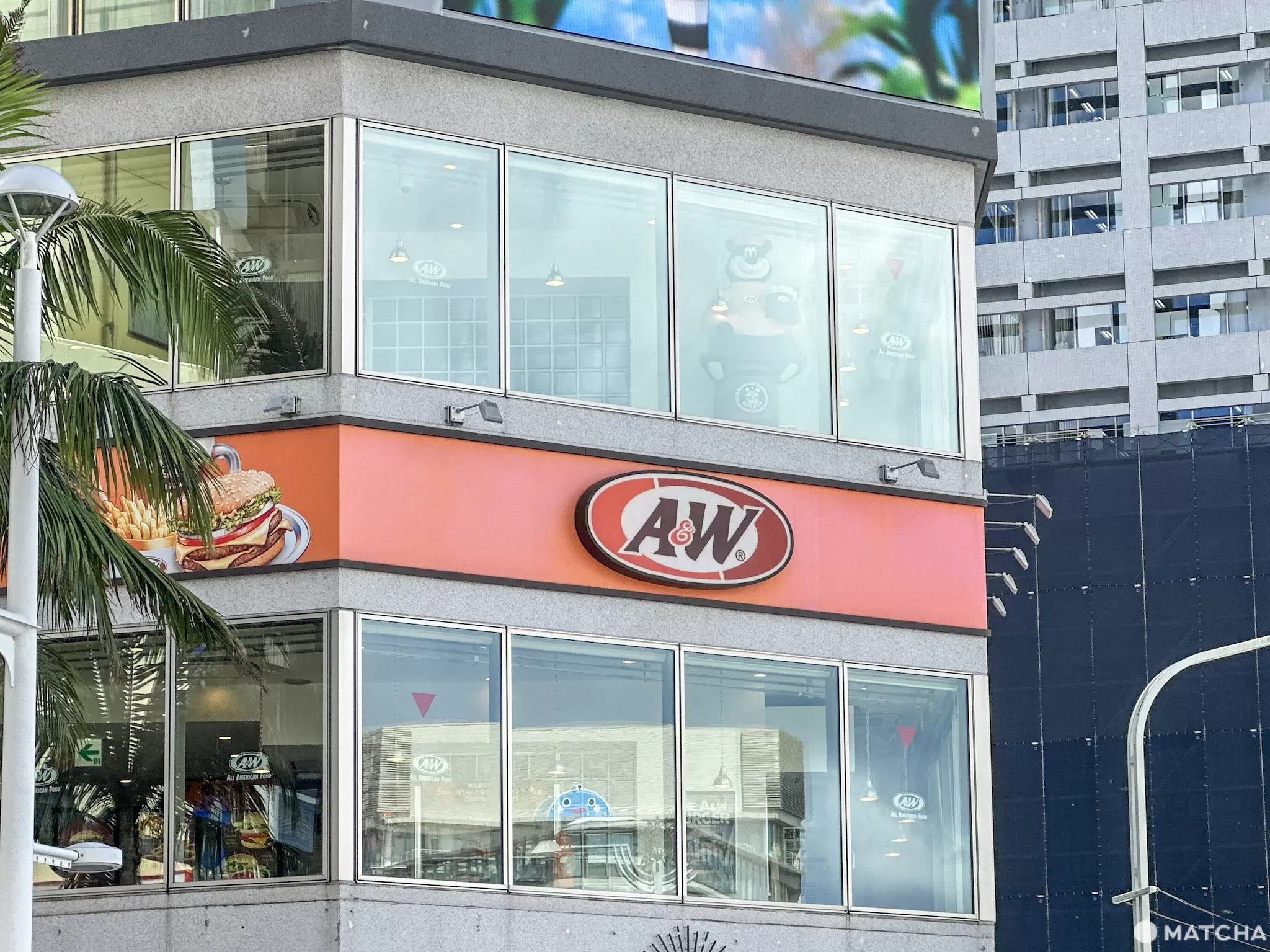
  ├─ 2. A&W Kokusai Dori Matsuo (Okinawa-exclusive fast food & root beer)
  ├─ 3. Yukishio Main Store (Miyakojima sea salt soft-serve)
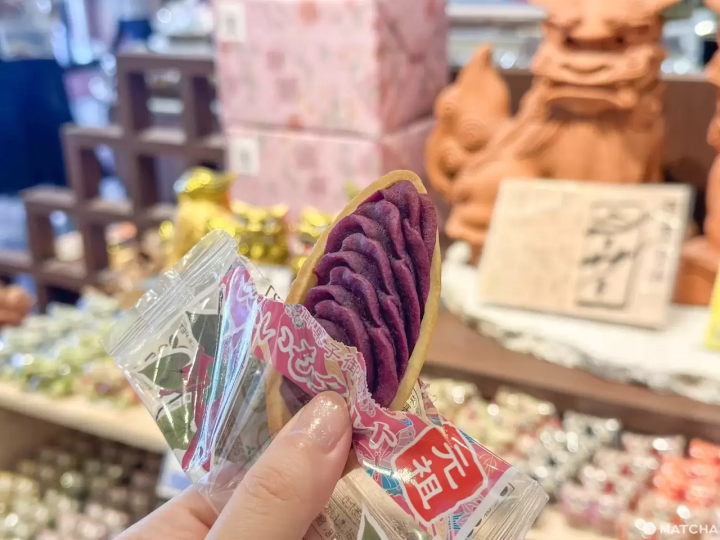
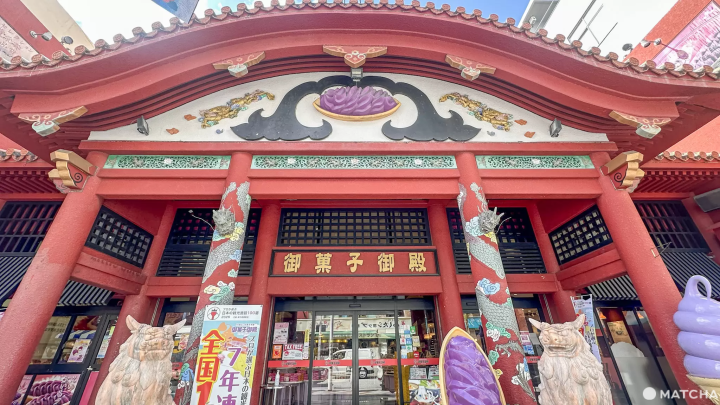
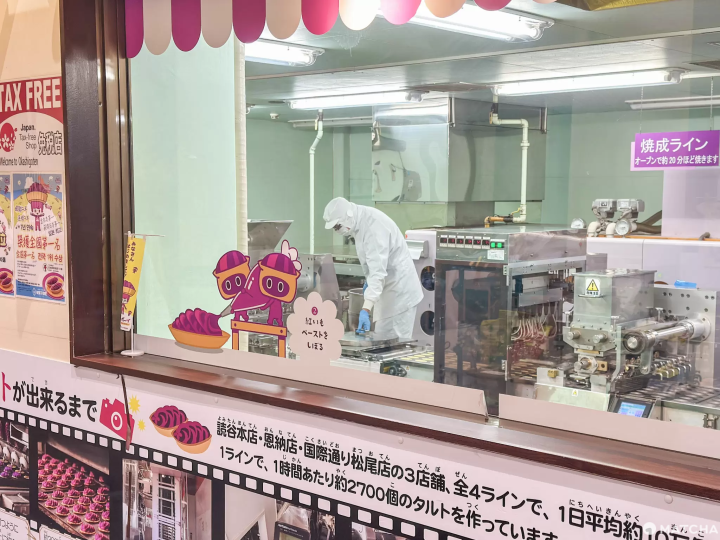
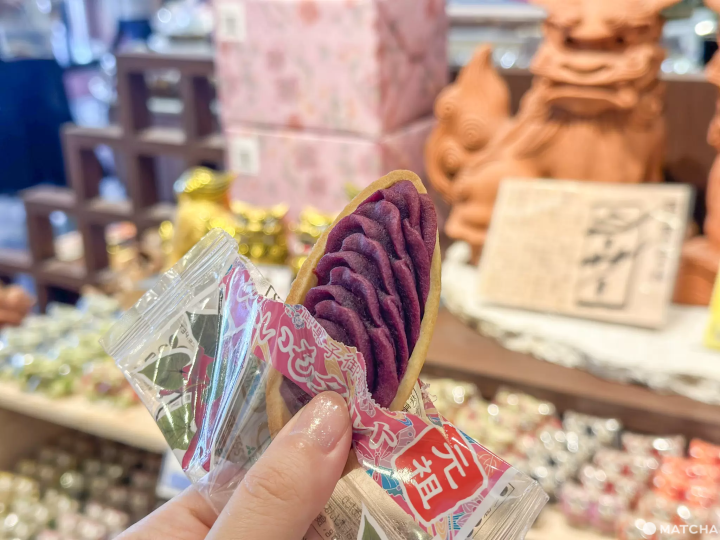
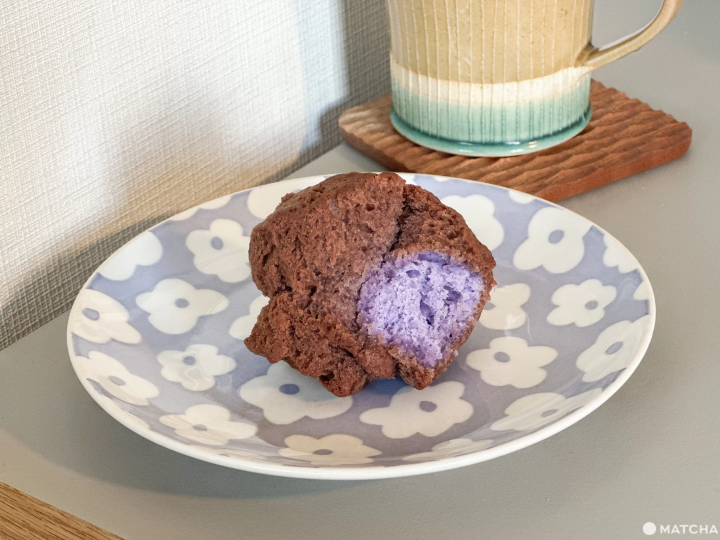
  ├─ 4. Okashigoten (Freshly baked purple yam tarts)
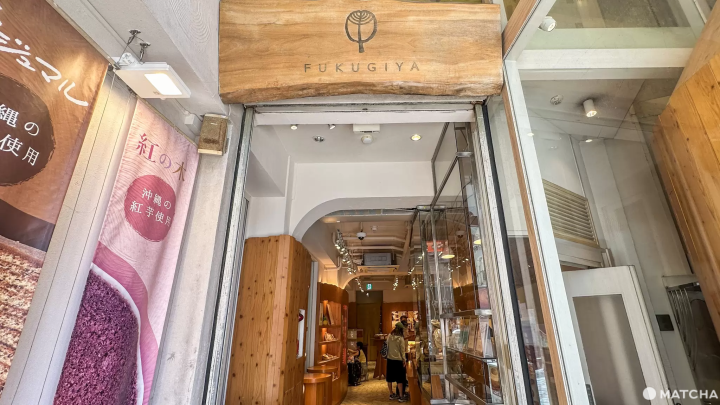
  ├─ 5. Fukugiya (Award-winning layered baumkuchen)
  ├─ 6. Blue Seal (Historic U.S. base ice cream staple)
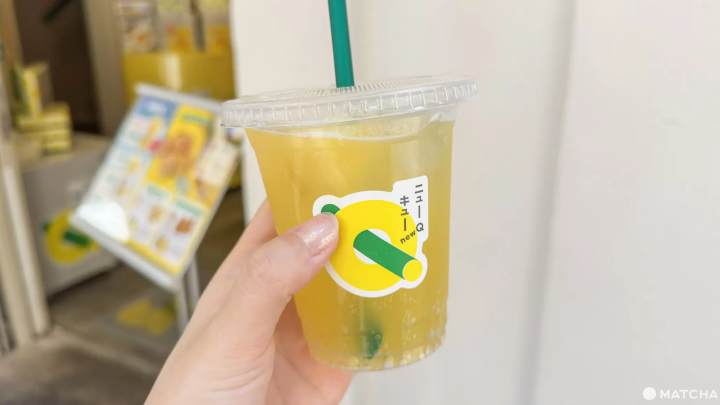
  ├─ 7. newQ (Ishigaki Island Tida Pineapple sparkling juice)
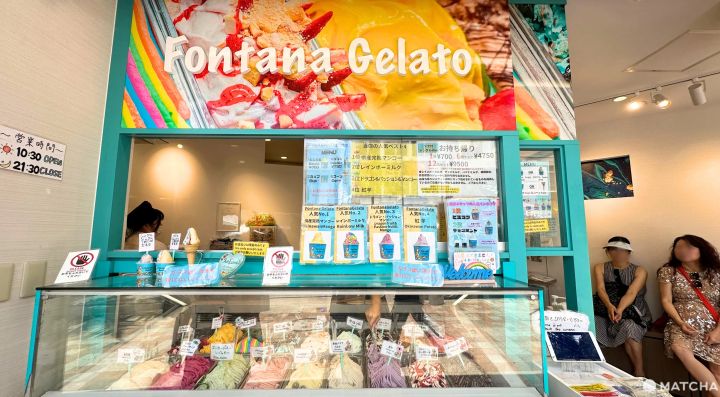
  ├─ 8. Fontana Gelato (Goya, mango, and dragon fruit gelato)
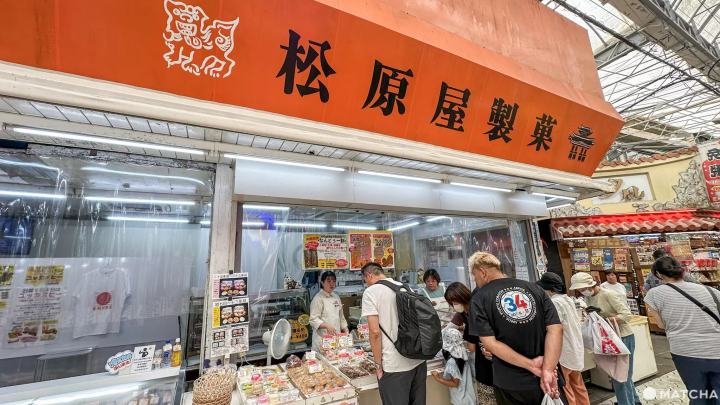
  ├─ 9. Matsubaraya Seika (Ichiba Hondori arcade: Sata andagi)
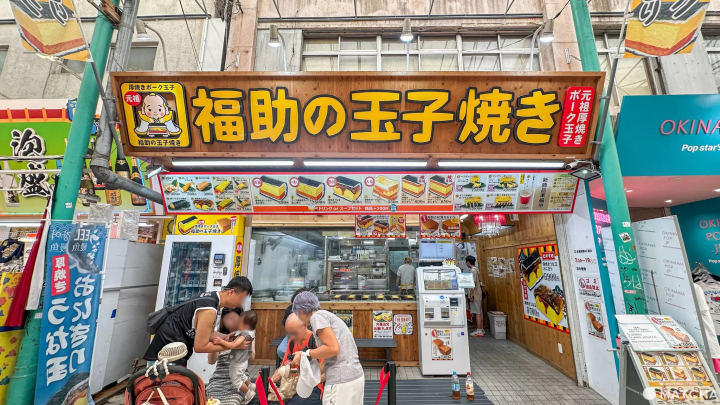
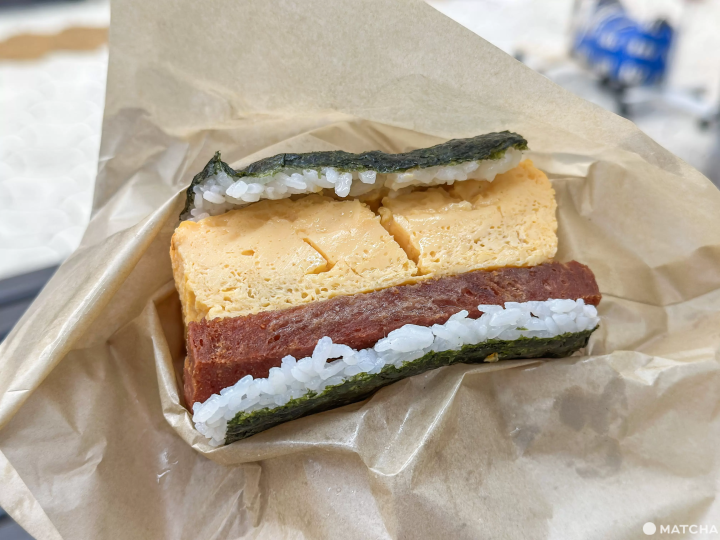
  ├─ 10. Fukusuke Tamagoyaki (Thick rolled omelet rice balls)
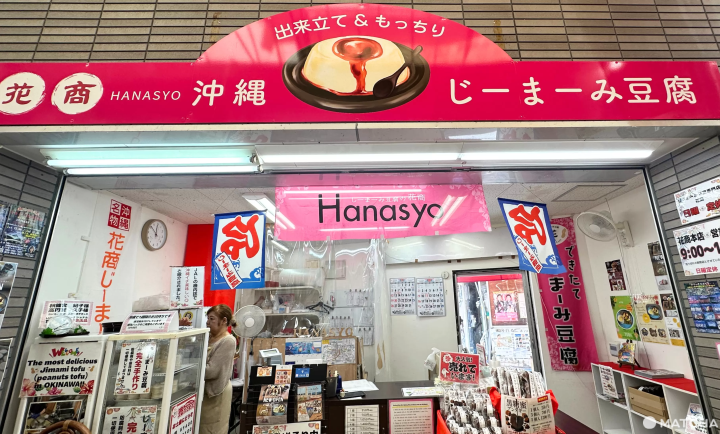
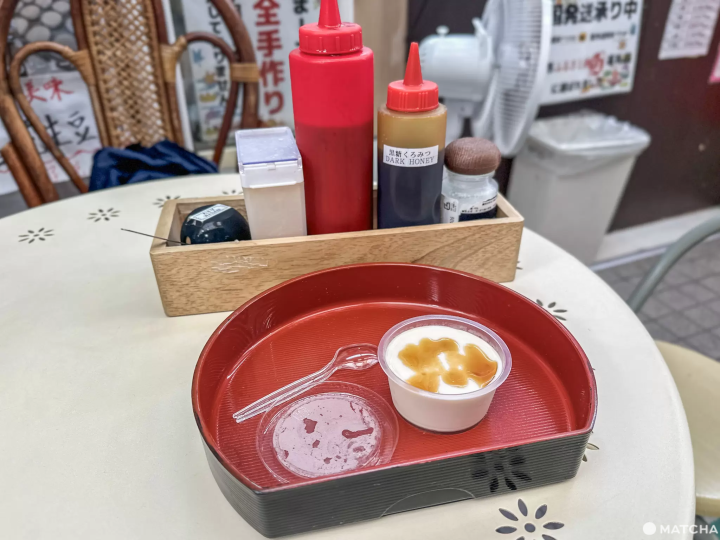
  ├─ 11. Hanashyo (Handmade Jimami peanut tofu)
  ├─ 12. JEF Sunrise Naha (Goya bitter melon burgers)
  ├─ 13. Calbee+ (Freshly fried Hot Poteriko & island chili chips)
  │
[Makishi Station / Yatai Mura / Makishi Public Market]
1. Shisa Cookie: Architectural Guardians Baked to Perfection
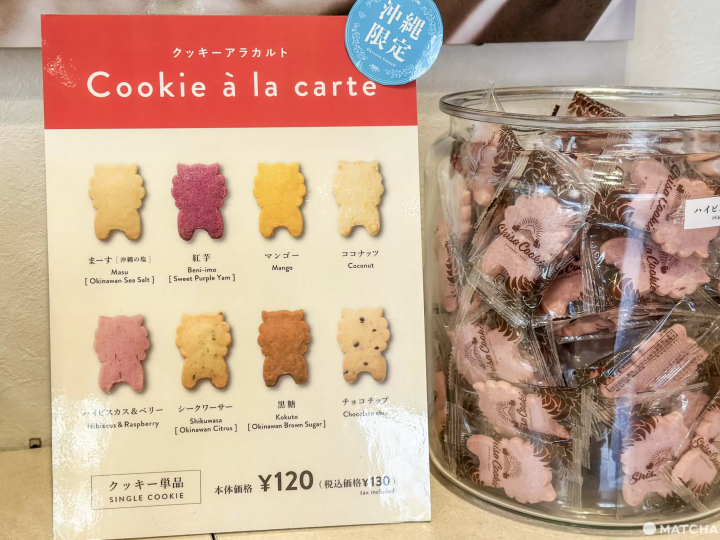
Most visitors immediately recognize Okinawa’s iconic shisa—the traditional lion-dog guardian statues perched upon rooftops to ward off malevolent spirits and secure domestic harmony. Shisa Cookie translates this deeply rooted cultural symbol into an accessible culinary art form. Situated near Kencho-mae Station, this specialty shop manufactures cookies cast directly in the likeness of these mythical guardians. Beyond the novelty, the shop maintains a generous sampling policy, inviting prospective buyers to taste every flavor profile before committing to a purchase. Culinary staff note that during the summer months, the tangy shekwasha citrus flavor (a indigenous green Okinawan fruit drawing close sensory parallels to key limes) and the tropical mango variation lead sales, offering a sharp, crisp profile underscored by a subtle, buttery finish.
2. A&W Kokusai Dori Matsuo: The Transpacific Fast-Food Staple
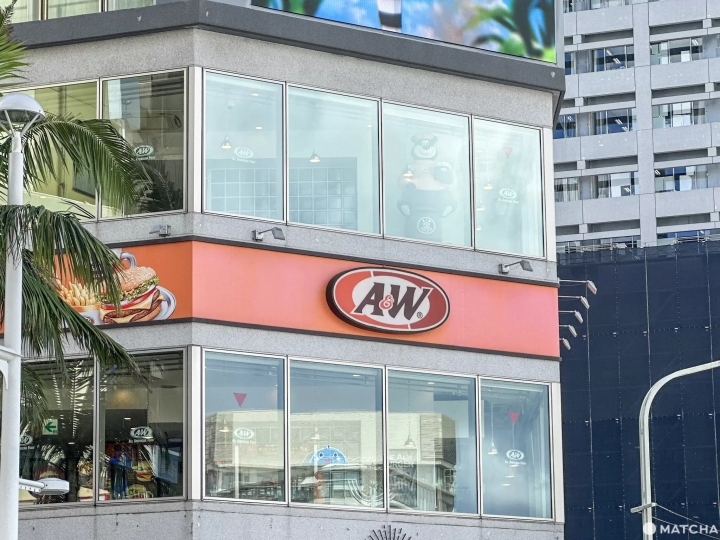
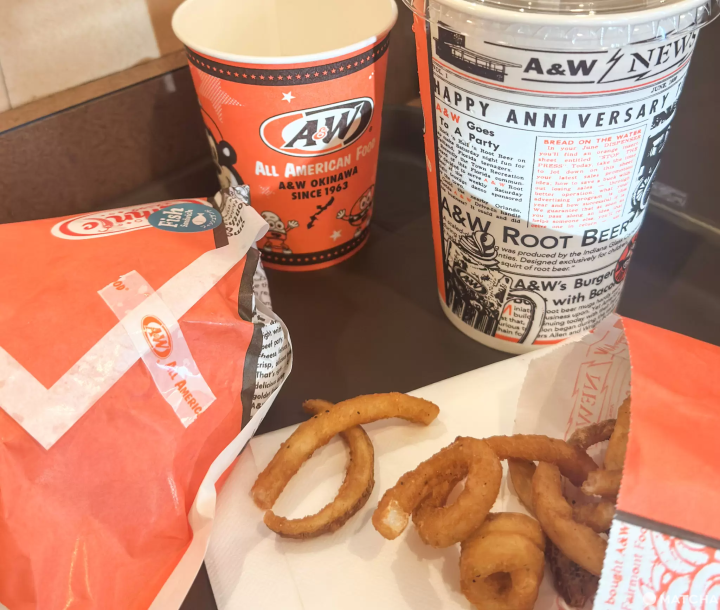
Operating directly above the Shisa Cookie storefront is the A&W Kokusai Dori Matsuo branch. While the American root beer brand maintains a storied history in domestic U.S. markets, its operational footprint in mainland Japan is exclusively restricted to Okinawa, having been established during the post-World War II American administration. The local menu deviates from standard fast-food fare by emphasizing regional preferences, most notably through its heavily seasoned, highly addictive curly fries and onion rings. Savvy diners utilize an insider perk unique to the chain: indoor table service grants patrons free, unlimited refills on signature draft Root Beer simply by presenting their empty mugs at the service counter.
3. Yukishio Kokusai Dori Main Store: Mineral Enhancement of Confectionery
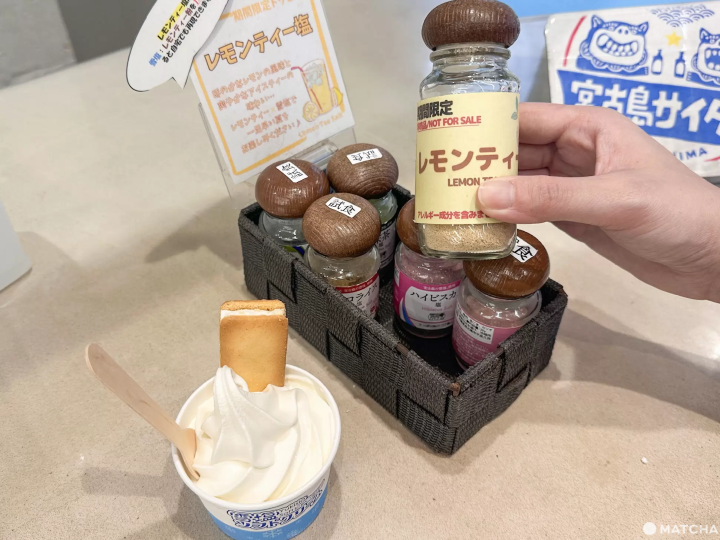
The application of sodium chloride to sweet dairy products often invites skepticism, yet the Yukishio Kokusai Dori Main Store transforms this juxtaposition into its primary commercial attraction. Utilizing Yukishio—fine, mineral-rich sea salt harvested from Miyakojima recognized by the Guinness World Records for containing the highest variety of natural minerals—the shop dispenses rich soft-serve ice cream alongside a dedicated seasoning station. Patrons are encouraged to experiment with micro-doses of flavored salts (such as green tea, hibiscus, and hot pepper salt), demonstrating how properly calibrated salinity accentuates dairy fats and natural sugars.
4. Okashigoten: The Hegemony of the Purple Yam Tart
No discourse concerning Okinawan culinary souvenirs is complete without acknowledging the beni-imo (purple yam) tart. The Okashigoten Kokusai Dori Matsuo flagship sits prominently on the main avenue, functioning as both a retail outlet and a cultural touchstone. Unlike the packaged iterations distributed nationwide, this specific location produces freshly baked purple yam tarts almost daily. Consuming a warm tart straight from the baking ovens reveals a profound textural contrast: a delicate, buttery pastry crust yields to a velvety, rich purple yam paste that emits an aromatic warmth entirely distinct from its shelf-stable counterpart.
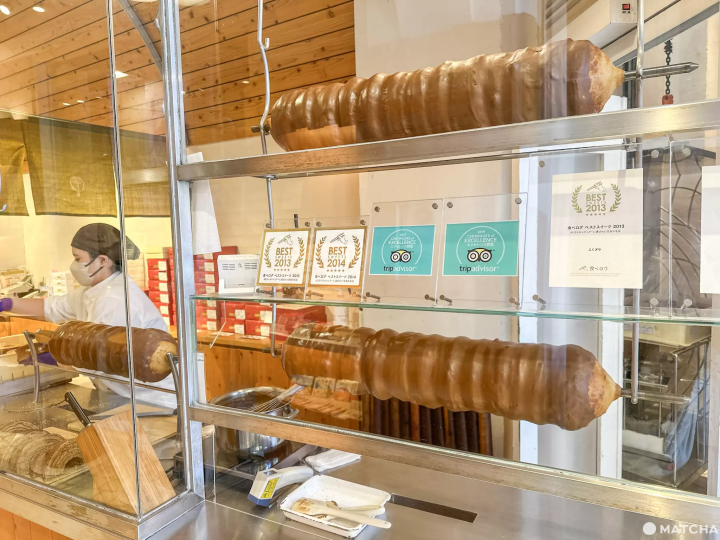
5. Fukugiya: Award-Winning Layered Confectionery
Representing the pinnacle of local baking artistry, Fukugiya specializes in German-style baumkuchen layered cakes tailored to Okinawan palates. The bakery has garnered substantial civic recognition, having secured prestigious accolades including the Okinawa Governor Award and the Naha Mayor Excellence Award. Alongside classic interpretations, Fukugiya incorporates indigenous ingredients such as unrefined brown sugar (kokuto), purple yam, and locally sourced honey. The establishment encourages exhaustive sampling, making it an optimal staging ground for travelers procuring gifts for corporate colleagues and family members.
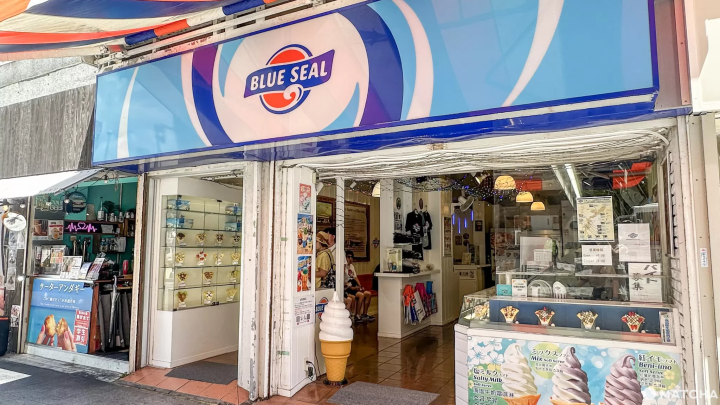
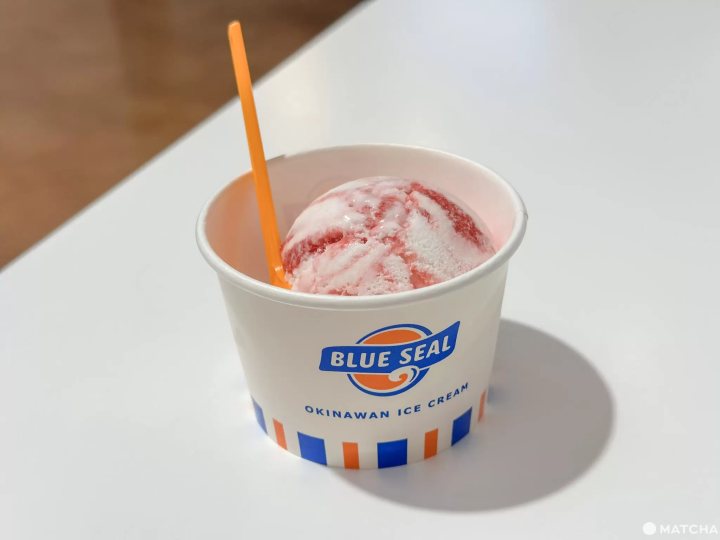
6. Blue Seal: A Legacy Born on Military Bases
Founded in 1948 on a U.S. military installation within the prefecture, Blue Seal is institutionalized within the Okinawan culinary landscape. Retailing at an accessible price point (averaging approximately 670 yen for a double scoop), the brand relies heavily on tropical inputs. Signature offerings such as Ryukyu Black Tea Warabimochi and Strawberry Cheesecake serve as reliable repasts against the sub-tropical heat. Because multiple outposts dot the island, visitors frequently make Blue Seal a daily pilgrimage throughout their stay.
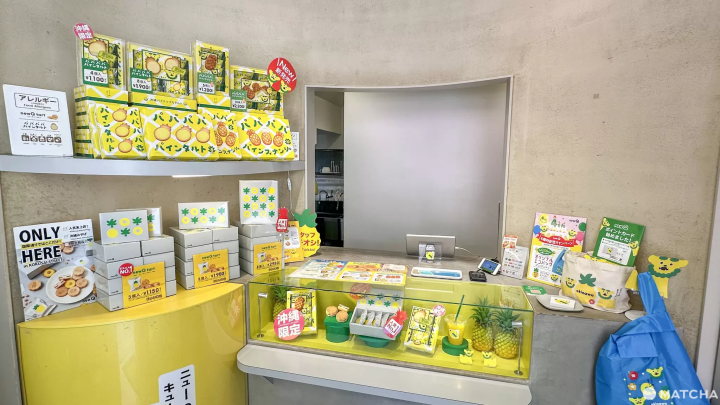
7. newQ: Artisanal Pineapple Confectionery
Okinawa’s intense summer climate and high ultraviolet index necessitate deliberate hydration and nutritional breaks. newQ, a specialized pineapple sweets and beverage vendor, addresses this physiological requirement. The establishment utilizes rare Tida Pineapples cultivated by independent agricultural artisans on Ishigaki Island. Their sparkling pineapple juice delivers an immediate, revitalizing balance of natural acidity and saccharine depth, engineered explicitly to combat thermal fatigue.
8. Fontana Gelato: Italian Technique, Ryukyuan Ingredients
Positioned further along the corridor, Fontana Gelato regularly commands extended queues. By merging traditional Italian gelato-making methodologies with Okinawan agricultural yields, the gelateria produces inventive flavor matrices. Most notable is their goya (bitter melon) gelato; while the botanical profile implies harsh astringency, the culinary execution subdues the bitterness into a sophisticated, highly refreshing aftertaste. Additional rotating varieties include Alphonso mango, pitaya (dragon fruit), and purple yam.
9. Matsubaraya Seika: Generational Confectionery within Ichiba Hondori
Diverting from the primary tarmac of Kokusai Dori into the covered arcade of Ichiba Hondori reveals Matsubaraya Seika, a traditional confectionery operating continuously for over six decades. The shop specializes in sata andagi—Okinawan deep-fried dough balls characterized by a crackling exterior and dense, cake-like interior. Observing local residents purchasing these pastries by the kilogram rather than individually serves as an empirical indicator of authentic, unpretentious local value.
10. Fukusuke Tamagoyaki: Structural Integrity in Rice Balls
Fukusuke Tamagoyaki reimagines the standard Japanese onigiri (rice ball) by incorporating an exceptionally thick, Japanese-style rolled omelet (tamagoyaki). Paired with seared luncheon meat (spam—a staple of Okinawan dietary history), these rice balls possess substantial physical weight. The caramelized, crisp exterior of the seared luncheon meat counterbalances the cloud-like density of the sweet, folded egg, yielding a calorie-dense and deeply satisfying meal option. High turnover rates ensure rapid queue clearance.
11. Hanashyo: The Textural Paradox of Peanut Tofu
Jimami tofu (Okinawan peanut tofu) breaks fundamentally from soybean-derived counterparts. Produced exclusively from pressed peanuts and starch, it occupies a unique textural middle ground falling precisely between firm tofu and elastic mochi. Hanashyo maintains a rigorous daily production schedule, handcrafting its peanut tofu to secure a silky, gelatinous mouthfeel. Drizzled with a reduction of black sugar syrup and dusted with roasted soybean powder (kinako), the dish bridges the gap between savory appetizer and delicate dessert.
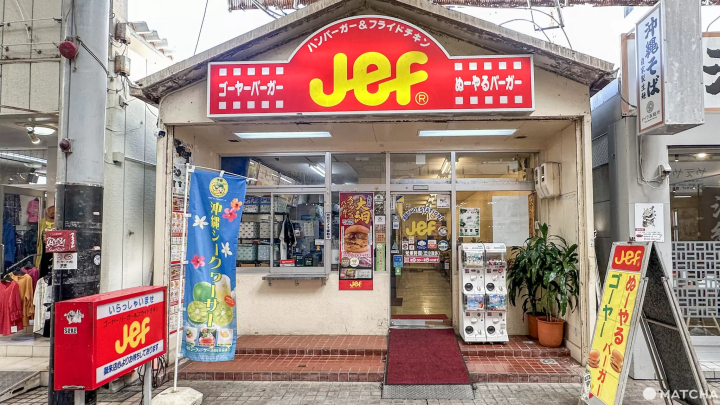
12. JEF Sunrise Naha: The Goya Burger Innovation
Continuing the exploration of regional fast-food infrastructure, JEF Sunrise Naha provides institutionalized validation of Okinawa’s most famous vegetable. The establishment’s signature menu item is the Goya Burger, featuring sliced bitter melon bound in an egg mixture and pan-fried before being assembled within a traditional bun structure. It stands as a testament to the prefecture’s culinary ingenuity, converting a notoriously challenging ingredient into an accessible fast-food commodity.
Concluding the primary gastronomic route, Calbee+ offers an industrialized yet freshly executed snack experience. While Calbee’s Poteriko potato sticks populate convenience store shelves across the Japanese archipelago, the Kokusai Dori flagship fries these products continuously on-site. The venue features regional exclusives, most prominently the purple yam poteriko and island chili pepper potato chips, packaged for immediate consumption or standardized transit.
Supporting Context & Metrics
To contextualize the commercial landscape of Kokusai Dori, statistical metrics and operational frameworks are synthesized below:
Geographic Span: Exactly 1.6 kilometers (1 mile) from Kencho-mae Station to Makishi Station.
Optimal Duration: 1 to 2 hours for uninterrupted pedestrian transit; 4 to 6 hours when integrating food sampling, arcade navigation, and public market exploration.
Pedestrian Infrastructure (Transit Mile): Every Sunday between 12:00 and 18:00, vehicular traffic is legally barred from the thoroughfare, converting Kokusai Dori into a pedestrian zone designed to facilitate retail commerce and photography.
Restroom Accessibility: Clean, public-access restrooms are strategically maintained without mandatory purchase requirements at the Makishi Public Market, RYUBO Department Store, and the Okashigoten retail complex.
Souvenir Retail Matrix
For travelers operating under compressed schedules, the following five retail outposts offer the highest density of authentic, high-yield gifting options:
Retailer
Primary Product Offering
Cultural / Commercial Significance
Shisa Cookie
Lion-dog shaped cookies
High visual novelty; extensive complimentary sampling
Yukishio Main Store
Miyakojima sea salt & sea salt soft-serve
Mineral-certified regional seasoning and infused snacks
Okashigoten
Beni-imo tarts
Industrial-scale production backed by daily fresh-baked batches
Fukugiya
Layered Baumkuchen cakes
Multiple civic awards (Governor and Mayor Excellence honors)
Calbee+
Fresh-fried potato & yam sticks
Regionally exclusive flavors (Island Chili Pepper & Purple Yam)
Official Statements and Strategic Insights
Urban planners and tourism boards emphasize the structural importance of Kokusai Dori as an economic engine for Naha City. According to municipal tourism directives released by the Okinawa Convention & Visitors Bureau (OCVB), the corridor acts as a vital distribution channel for micro-enterprises and agricultural cooperatives situated in outlying islands such as Ishigaki and Miyako.
"Kokusai Dori functions not merely as a commercial street, but as a living showcase of Okinawan identity. By integrating traditional crafts, indigenous agriculture—such as goya and Tida pineapples—with modern retail practices, the district preserves historical continuity while maintaining economic resilience," notes a municipal economic development briefing.
Furthermore, commercial real estate analysts point out that late-night economic activity, spearheaded by venues like Kokusai Dori Yatai Mura and the 24-hour Don Quijote branch (operational until 05:00 AM), has successfully prolonged visitor dwell times. This shift transforms Naha from a day-trip transit hub into an overnight destination, significantly increasing per-capita tourist expenditure.
Future Outlook: Evolution of the Commercial Corridor
Looking ahead, urban development initiatives along Kokusai Dori are slated to focus on enhanced climate resilience and pedestrian comfort. Given the intensification of sub-tropical summer temperatures and severe weather patterns, city stakeholders are examining expanded subterranean connections, architectural shading, and smart-city cooling stations.
Simultaneously, traditional retail spaces are experiencing a generational transition. As seen in the recent revitalization of the First Makishi Public Market—which reopened with modernized hygienic facilities on its first floor while preserving the communal dining culture on the second floor—the district is successfully balancing infrastructural modernization with heritage preservation.
For the international traveler, Kokusai Dori remains an indispensable anchor. By adhering to a structured itinerary that bridges the corridor’s historical side-streets (Tsuboya Yachimun Street) with its high-density commercial strips, visitors are guaranteed a comprehensive, authoritative immersion into the distinct cultural tapestry of Okinawa.








Belum ada komentar. Jadilah yang pertama berkomentar!