

Executive Overview
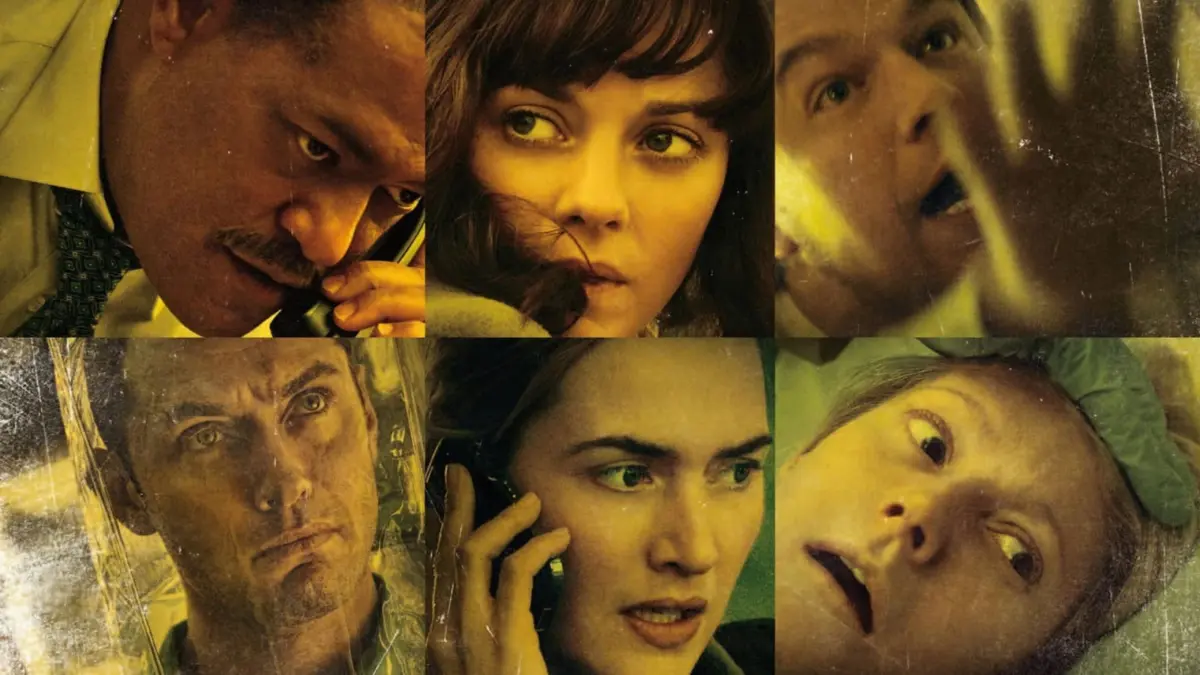
Fifteen years after its initial theatrical release in September 2011, Steven Soderbergh’s Contagion stands not merely as a masterclass in cinematic tension, but as one of the most chillingly accurate pieces of speculative fiction in modern Hollywood history. Written by Scott Z. Burns and assembled with an all-star ensemble cast, the film charted the rapid, devastating rise of a fictional, bat-and-pig-derived respiratory pathogen known as MEV-1. Long before the term "social distancing" entered the global lexicon and lockdowns altered the fabric of daily life, Contagion meticulously mapped out the epidemiological, societal, and psychological fallout of a novel global pandemic.
While disaster cinema historically leaned into flamboyant CGI, hyper-dramatized government conspiracies, or science-fiction monsters, Contagion opted for a cold, procedural realism. By consulting world-renowned epidemiologists, virologists, and public health authorities, the filmmakers crafted a narrative that functioned as both an entertaining medical thriller and a cautionary manual. When the real-world COVID-19 pandemic swept across the globe in early 2020, the film experienced an unprecedented resurgence, transforming from a modest box-office success into an uncanny, prophetic cultural artifact. This retrospective examines the genesis, scientific rigor, production challenges, and unexpected legacy of the undisputed godfather of modern pandemic thrillers.
Detailed Chronology: From Riefenstahl to Respiratory Pathogen
The Pivot from Nazi Propaganda to Microscopic Terror
The genesis of Contagion began in 2009, immediately following the completion of Steven Soderbergh and screenwriter Scott Z. Burns’ previous collaboration, The Informant!. Initially, the creative duo had set their sights on a decidedly different project: a biographical film chronicling Leni Riefenstahl, the controversial German filmmaker renowned for her trailblazing aesthetic techniques during the Weimar Republic and the rise of the Nazi party.

However, commercial realities quickly set in. Soderbergh recognized that a biographical picture centered on Riefenstahl would struggle to attract a viable mainstream audience, rendering the endeavor commercially unfeasible. It was at this juncture that Burns pivoted toward a lifelong fascination: the mechanics of disease transmission. Inspired by the relentless, invisible nature of pathogens, Burns proposed crafting a medical thriller that would trace a global outbreak from its patient zero to the brink of societal collapse.
Consulting the Scientific Vanguard
To ensure the script avoided Hollywood tropes and adhered strictly to biological reality, Burns embarked on an exhaustive research phase. He engaged directly with the scientific community, consulting luminaries such as Dr. Larry Brilliant—celebrated for his pivotal role in the global eradication of smallpox—and Dr. W. Ian Lipkin, a premier epidemiologist and professor at Columbia University.
Burns also incorporated insights from World Health Organization (WHO) representatives and sat down with investigative journalist Laurie Garrett, author of the seminal book The Coming Plague. These consultations provided the narrative foundation for the film, shaping everything from the R0 (reproduction number) of the virus to the procedural quarantine protocols executed by the Centers for Disease Control and Prevention (CDC) and the WHO.
The Influence of the 2009 Swine Flu Pandemic
While historical pandemics provided a structural template, contemporary events deeply influenced the script’s psychological landscape. During the writing process, the 2009 H1N1 (Swine Flu) pandemic unfolded in real time. For Burns, watching the public and political reaction to the H1N1 outbreak was a revelation.
The screenwriter closely observed the friction points of municipal governance and civil obedience. Questions surrounding school closures—such as who would stay home with the children, whether parents would comply, and how hourly wage earners would survive—provided the framework for the film’s examination of human behavior under stress. Witnessing these real-world anxieties enabled Burns to refine the script, shifting the narrative focus from a purely medical crisis to a deeply human drama defined by panic, institutional friction, and social fracturing.
Supporting Context & Metrics: Production, Cast, and Technical Execution
Soderbergh Behind the Lens
True to his reputation as one of Hollywood’s most versatile and autonomous auteurs, Steven Soderbergh served not only as director but also as the film’s Director of Photography (credited under his frequent pseudonym, Peter Andrews). Choosing to shoot digitally, Soderbergh utilized Red Digital Camera’s RED One MX camera. This high-resolution digital cinema camera delivered the sharp, clinical, and austere visual aesthetic required to match the scientific tone of the narrative.
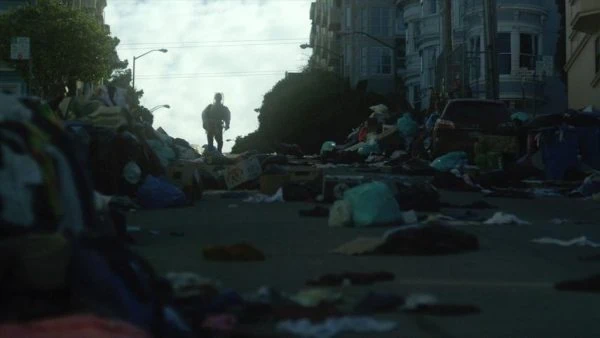
Contagion was a massive, multi-continental production that spanned the globe. Principal photography took place across diverse international locations, including Hong Kong, Abu Dhabi, London, and San Francisco. Meanwhile, various locations throughout Illinois—principally Chicago and its surrounding suburbs such as Skokie, Glencoe, Elgin, and Western Springs—ingeniously doubled for Minneapolis, Atlanta, and the headquarters of the CDC. Soderbergh’s dual role as director and cinematographer is a hallmark of his career, mirroring his technical approach on critically acclaimed features such as Traffic, Che, the Ocean’s trilogy, and the Magic Mike franchise.
Ensemble Dedication and Financial Engineering
Produced on a relatively modest budget of $60 million, Contagion assembled an A-list ensemble cast that included Matt Damon, Kate Winslet, Jude Law, Gwyneth Paltrow, Marion Cotillard, and Laurence Fishburne. Remarkably, many of these high-profile actors agreed to significant pay cuts to participate in Soderbergh’s ensemble piece, a financial maneuver that substantially lowered the film’s overall production overhead and ensured the project remained viable for Warner Bros.
Upon its release, the film grossed a respectable $136.5 million at the worldwide box office. Critically, it struck a powerful chord. It currently holds a robust 85% approval rating on the review aggregator Rotten Tomatoes. The site’s critical consensus encapsulates its enduring appeal:

"Tense, tightly plotted, and bolstered by a stellar cast, Contagion is an exceptionally smart — and scary — disaster movie."
Character Breakdowns and Behind-the-Scenes Lore
- Matt Damon as Mitch Emhoff: Portraying the narrative’s emotional anchor, Damon embodied the "everyman" archetype. Emhoff serves as the audience surrogate, navigating the immediate loss of his family while trying to protect his surviving daughter in a quarantined suburban home. Damon famously recalled receiving Burns’ script with a sticky note attached that read, "Read this and then go wash your hands." Captivated by the harrowing, fast-paced read, Damon immediately signed on.
- Jude Law as Alan Krumweide: Law delivered a chilling performance as an unscrupulous, conspiracy-theorizing independent blogger who promotes a fraudulent herbal cure called Forsythia. The character was directly inspired by Burns’ observations of the early-stage internet media ecosystem during the 2009 flu lockdown, wherein digital echo chambers began to outpace institutional science in public discourse.
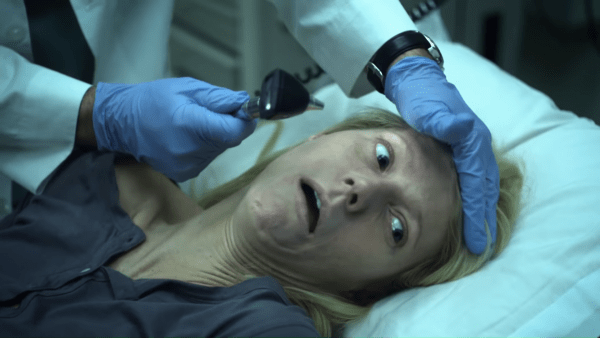
- The Gwyneth Paltrow Urban Legend: Following the film’s release, a persistent internet myth claimed that the prop head used for Gwyneth Paltrow’s graphic autopsy scene was the exact same prop fabricated for David Fincher’s 1965-style thriller Se7en (intended for a deleted version of its infamous box scene). Fincher quickly debunked the rumor, clarifying that no such prop was ever built for Se7en because the contents of the box were never visually revealed. In Contagion, Paltrow achieved the autopsy sequence by lying completely motionless on a table for 40 minutes under specialized mortuary makeup.
Official Statements and Retrospective Insights
In the years following its release—and particularly after the onset of the COVID-19 pandemic—cast members and filmmakers reflected extensively on the eerie foresight embedded within Contagion.
In March 2020, as global lockdowns were enacted, the principal cast members reunited virtually in collaboration with the Columbia University Mailman School of Public Health. They released a series of public service announcements emphasizing handwashing, social distancing, and reliance on peer-reviewed scientific guidance—echoing the exact methodologies depicted in the film a decade prior.
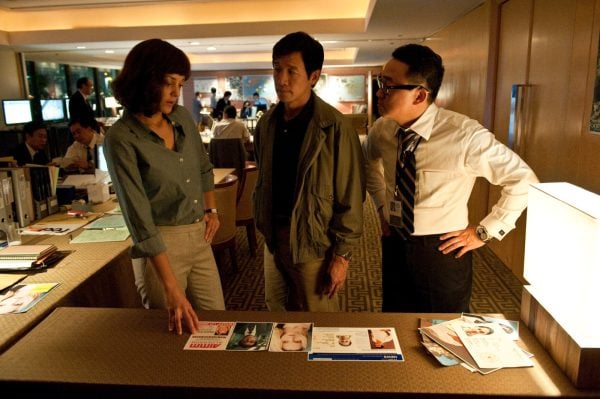
Reflecting on the experience during a May 2021 interview with the Los Angeles Times, Steven Soderbergh noted that making Contagion inadvertently served as a psychological inoculation for living through a real global health crisis. He remarked:
"Scott and I were trying to keep the narrative very focused and we had rules about points of view and what we can see and what we couldn’t see. But wow, there’s a lot of really fascinating human behavior that we didn’t even think about when we were doing this… It’s just a reminder of how deeply irrational we are. When we’re put into some sort of fear-threat space, we become deeply illogical. It’s crazy to witness."
Dr. W. Ian Lipkin, who served as the film’s chief scientific advisor, similarly observed that while filmmakers often sensationalize science for dramatic effect, Contagion succeeded precisely because it resisted that impulse, choosing instead to respect the methodical, often grueling pace of real-world scientific investigation.
Future Outlook: A Legacy Cemented in Reality
Fifteen years after premiering in theaters, Contagion has transitioned from a standard Hollywood thriller into a cultural touchstone. Its sudden leap to the top of iTunes rental charts and digital streaming platforms during the early months of 2020 cemented its status as the definitive cinematic text on modern biological crises. Furthermore, its pervasive presence on global piracy networks during quarantine highlighted the public’s desperate, morbid curiosity to find a framework for understanding their new, uncertain reality through art.
As society continues to grapple with the long-term geopolitical, technological, and public health ramifications of the 2020s, the lessons of Contagion remain acutely relevant. The film anticipated the rapid spread of misinformation, the fragility of global supply chains, the friction between civil liberties and public safety mandates, and the heroic, behind-the-scenes labor of epidemiologists racing against time.
Ultimately, Contagion endures because it is not merely a story about a virus; it is a mirror reflecting human nature under duress. Whether viewed as an alarming piece of predictive filmmaking or a brilliantly orchestrated thriller, it remains an essential cinematic experience—one that reminds viewers of both the fragility of modern civilization and the enduring resilience of science.






Belum ada komentar. Jadilah yang pertama berkomentar!