

Executive Overview
In an age dominated by pixelated screens and ephemeral digital distractions, traditional physical pastimes are undergoing a quiet renaissance. Among these, the timeless Japanese skill toy known as the kendama—a deceptively simple arrangement of a wooden handle (ken), a connecting string, and a pierced ball (tama)—has captured the global imagination. While enthusiasts practice worldwide, the undisputed epicenter of this kinetic craft is Nagai City, nestled in Japan’s snowy Yamagata Prefecture. Accounting for roughly 70 percent of nationwide competitive kendama manufacturing through local producers like Yamagata Kobo, Nagai has transformed itself into the official "Kendama Capital" of Japan.

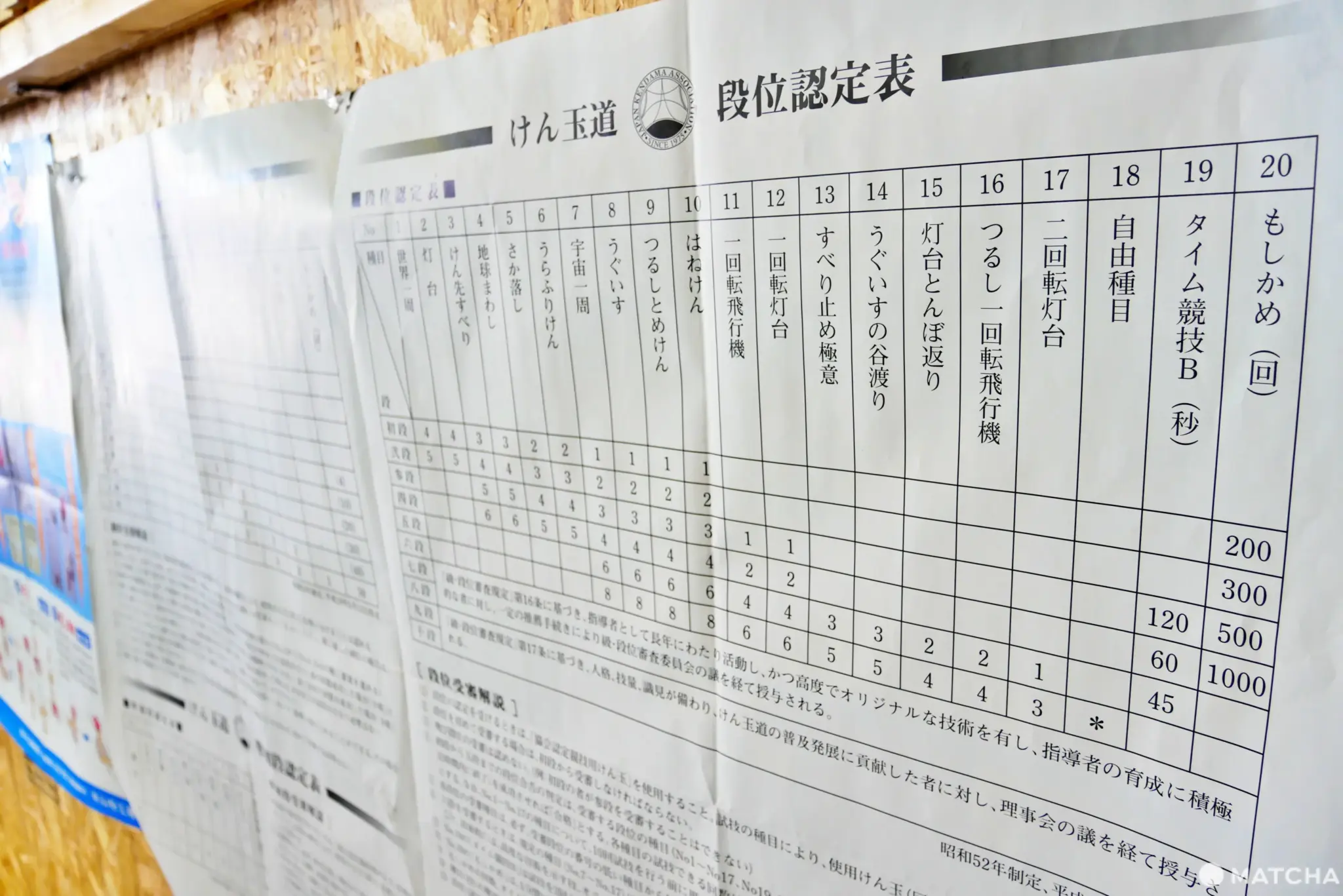
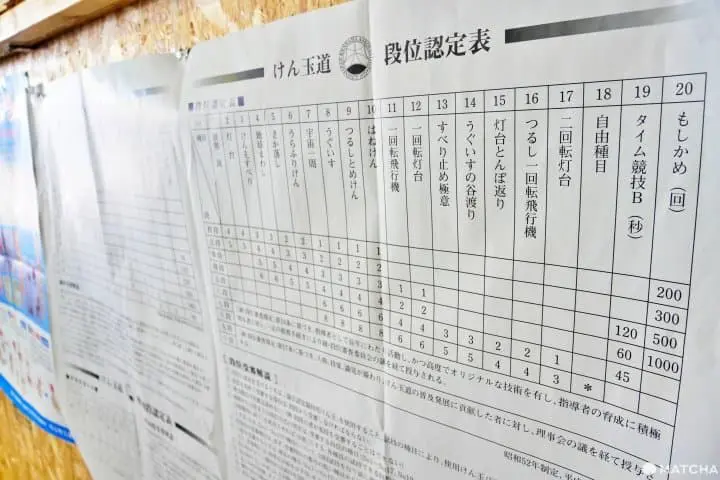
At the heart of this thriving cultural hub stands Kendama Plaza SPIKE, a dedicated facility designed to introduce novices and seasoned veterans alike to the art, history, and physical mastery of the craft. Managed by world-class competitors Satoru Akimoto and Takeshi Matsumoto—both veterans of the Kendama World Cup—SPIKE offers visitors free access to a sprawling collection of local toys, professional coaching, certification exams, and a bespoke painting workshop. This report explores the historical evolution of the kendama, the unique industrial heritage of Nagai City, and the immersive visitor experience awaiting travelers at Kendama Plaza SPIKE.
Detailed Chronology: From European Aristocracy to Japanese Folk Craft
To fully appreciate the cultural weight of Nagai City, one must trace the global migration and evolution of the kendama. Contrary to popular belief, the toy did not originate in Japan.
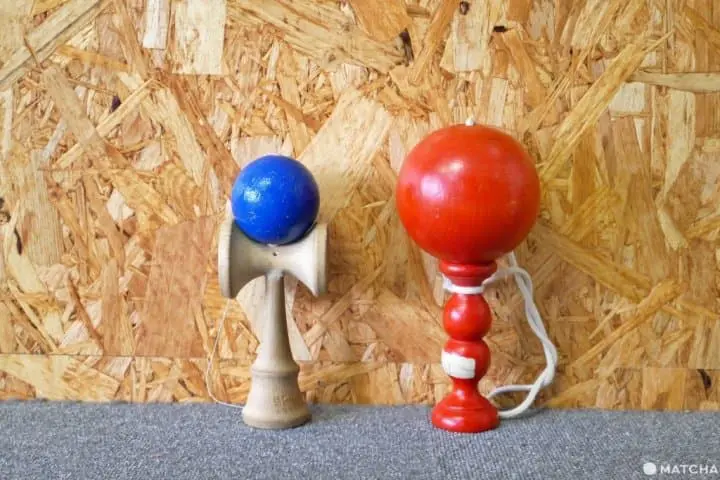
- Pre-19th Century (European Origins): Historical records indicate that a variant of the cup-and-ball game emerged in 16th-century Europe. Known in France as bilboquet and in various forms across the continent, it gained notable popularity among European aristocracy. During this era, the device was primarily an aristocratic parlor game rather than a test of athletic agility.
- 19th Century (Arrival in the Edo Period): The toy made its way to Japan via trade routes during the late Edo period. Initially adopted as a drinking game or a popular street performance prop, Japanese artisans quickly recognized its potential for refinement.
- The Japanese Redesign: Japanese woodworkers revolutionized the European prototype. While the original foreign design consisted simply of a handle tapering into a spike, Japanese craftsmen added large and small side cups to the handle, along with a base cup at the bottom. This critical innovation transformed the toy from a game of linear precision into a dynamic, multi-directional apparatus capable of housing hundreds of complex tricks.
- 1975 (Standardization and Professionalization): As the toy proliferated through households and schoolyards, children’s author Issei Fujiwara founded the Japan Kendama Association (JKA) in 1975. Fujiwara codified the rules, standardized the dimensions and weights of competitive models, established a formal grading system, and outlined official trick techniques—paving the way for modern competitive circuits.
- The 21st Century (The Globalized Sport): Today, the kendama has evolved from a Japanese folk toy into an international sport. Fueled by the Kendama World Cup and viral digital media communities, practitioners worldwide travel to Japan to test their mettle and acquire officially certified gear.
Supporting Context & Metrics: Nagai City’s Industrial Footprint
The relationship between Nagai City and the kendama industry is deeply symbiotic. Yamagata Prefecture is renowned for its master woodworkers, whose expertise in traditional crafts naturally transitioned into the precision turning required for high-grade wood manufacturing.
- Dominant Market Share: Yamagata Kobo, based directly in Nagai City, commands an estimated 70% of nationwide production for competitive-grade kendamas.
- The Local Ecosystem: In Nagai, the craft extends far beyond factory walls. From school children to senior citizens, nearly every resident can effortlessly execute basic maneuvers like Moshikame (alternating big cup and base cup catches) or landing the ball squarely on the spike.
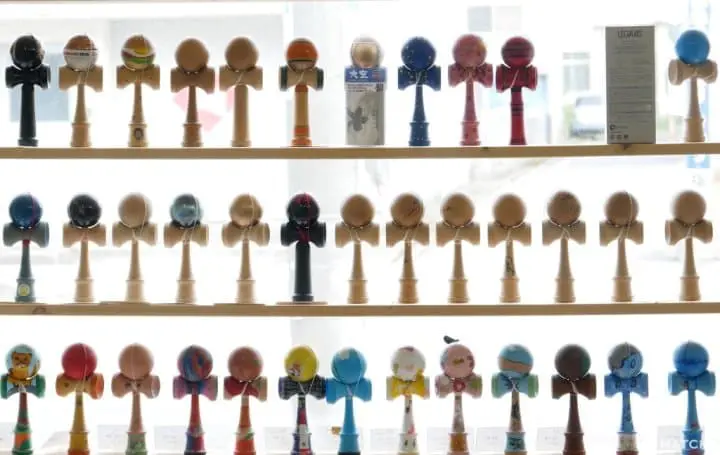
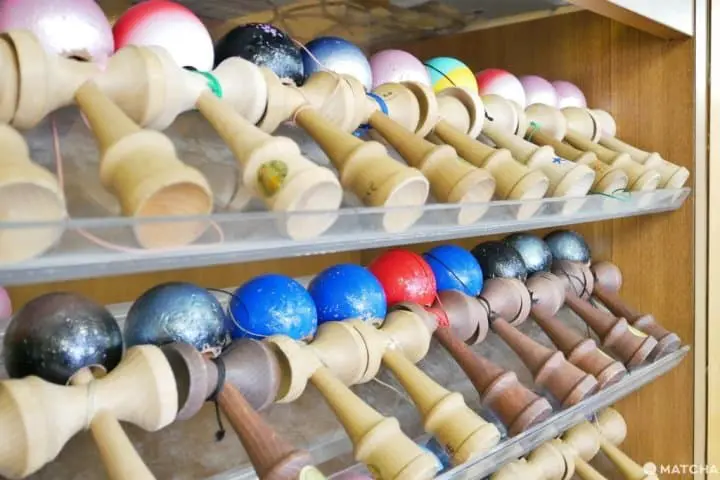
- Design Innovation: Far from remaining static, local artisans continually push the boundaries of design. Kendama Plaza SPIKE showcases an extensive array of variations, ranging from sleek, minimalist competition models to whimsical novelties modeled after Japanese traditional sweets (wagashi), carp, kokeshi dolls, and multi-ball apparatuses—such as a staggering ten-ball configuration that challenges even the most seasoned experts.
Official Statements and Leadership Profile: The Masters of SPIKE
Housed within a distinctively painted blue building, Kendama Plaza SPIKE was established by the municipal government of Nagai City as a cornerstone for community revitalization and cultural tourism. The daily operations and instructional programs are spearheaded by two elite practitioners whose personal journeys embody the global appeal of the sport.

Satoru Akimoto and Takeshi Matsumoto
Both managers boast over a decade of intensive competitive experience and have repeatedly tested their skills on the global stage at the Kendama World Cup. Most notably, Satoru Akimoto secured 3rd place in the 2014 Kendama World Cup. Driven by a shared devotion to the craft, both Akimoto and Matsumoto relocated to Nagai City to immerse themselves in its manufacturing ecosystem and share their expertise with an international audience.
According to the leadership team, the philosophy of SPIKE is rooted in accessibility and patience. "When you watch a master, the ball seems to move under its own power, flowing in an effortless rhythm," notes the instruction staff. "However, the moment a beginner picks up a ken and tama, the reality of the physical challenge sets in. Mastery requires dedication, but the joy of the craft lies in that precise struggle."
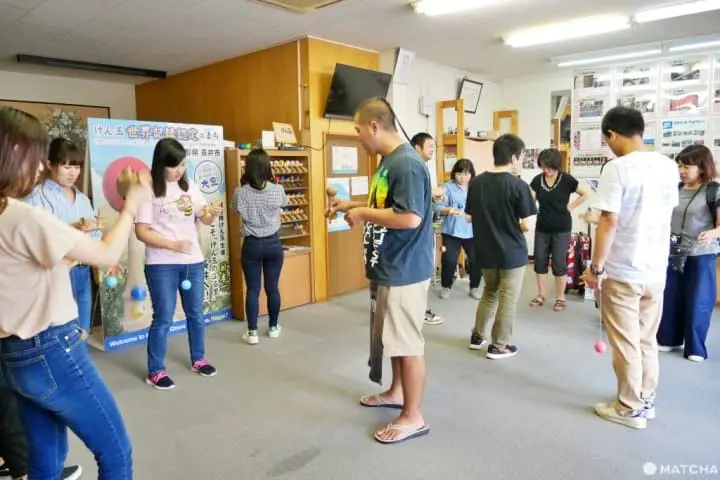
Visitor Insights and Instructional Methodology
Visitors to the plaza are greeted with an extensive lending library of colorful, locally produced kendamas. The instructional framework is systematic:
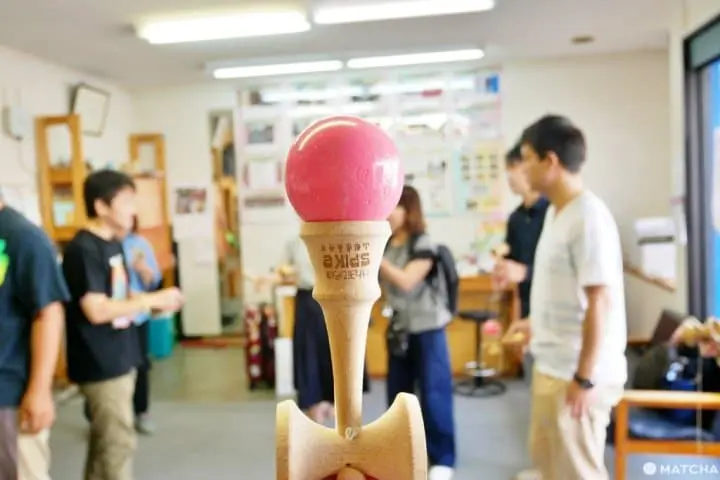
- Grip and Stance: Instructors introduce correct finger placements and posture to ensure balance and control.
- Basic Mechanics: Students practice lifting the tama from a resting position, focusing on knee-bend synchronization rather than arm strength.
- Cup Landings: Progressing from the large cup to the small and base cups, learners build tactile awareness.
- The Spike: The ultimate test of precision, requiring the hole of the ball to meet the wooden point with absolute spatial alignment.
Paint Your Own Custom Kendama Workshop
Beyond watching demonstrations and taking free lessons, visitors to Kendama Plaza SPIKE can participate in a hands-on crafting experience. For 2,500 yen per person, participants are provided with a blank, unpainted wooden kendama to customize.
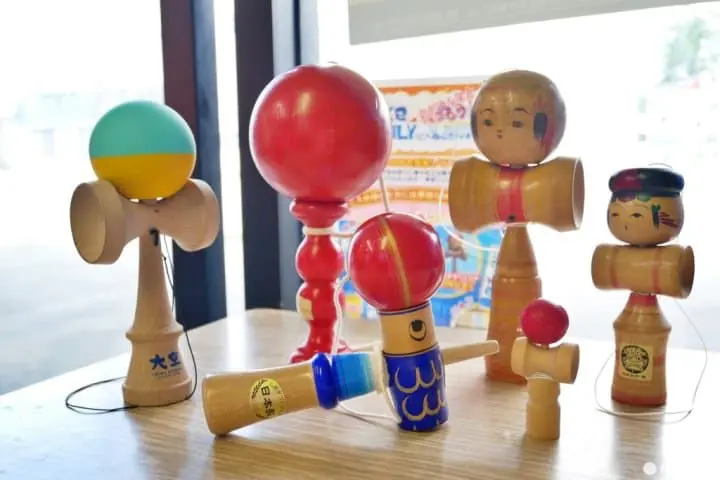
- Creative Expression: Visitors have transformed their equipment into miniature canvases, decorating them with floral patterns, yarn wrappings, animal motifs, and personal monikers (such as the writer’s custom-designed "Matcha-kun").
- Functional Advice: Instructors offer crucial technical guidance regarding the decoration process. While 3D embellishments and heavy ornaments look striking on a display shelf, they drastically alter the weight distribution and aerodynamics of the toy. For those intending to actively practice tricks, smooth, painted designs are strongly recommended over protruding physical attachments, which are prone to breakage and surface unevenness during high-velocity play.
Future Outlook
As cultural tourism shifts toward immersive, experiential learning, destinations like Kendama Plaza SPIKE occupy an increasingly vital niche. Nagai City’s unwavering commitment to preserving and innovating its manufacturing heritage ensures that the kendama will remain far more than a nostalgic relic.
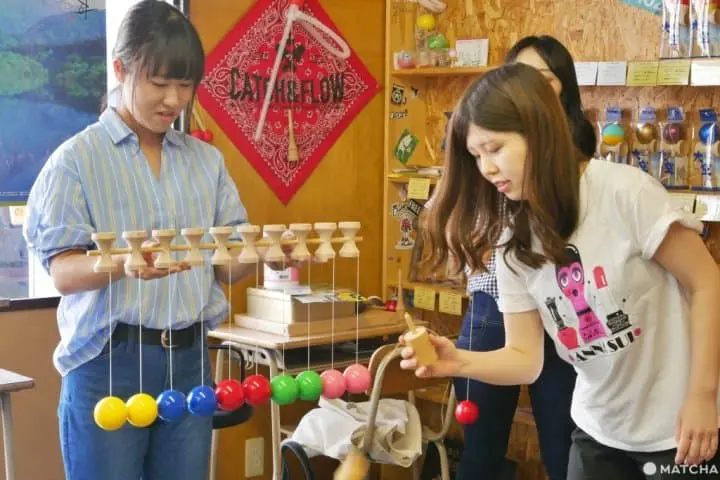
By bridging the gap between historical folk craft and modern international sport, SPIKE offers a blueprint for regional revitalization through cultural heritage. Whether visitors aim to pass the stringent certification exams of the Japan Kendama Association, challenge themselves with a ten-ball novelty, or simply paint a custom keepsake to take home, a pilgrimage to Nagai City provides an unforgettable encounter with Japan’s capital of balance.
Facility Information
- Name: Kendama Plaza SPIKE (Kendama Square Spike)
- Address: 3-5 Sakaemachi, Nagai City, Yamagata Prefecture 993-0084
- Key Offerings: Free equipment testing, professional instruction from World Cup veterans, official certification exam support, and custom kendama painting workshops (2,500 yen).
- Tourism Assistance: Interview and operational support courtesy of the Yamagata Arcadia Tourism Bureau.








Belum ada komentar. Jadilah yang pertama berkomentar!