The global landscape of independent animation and manga creation is undergoing a structural renaissance. For decades, Japanese independent artists (jishu制作, or independent works) have produced some of the most conceptually daring, visually inventive, and critically acclaimed storytelling in modern media. Yet, despite winning international acclaim at prestigious festivals like Annecy and Zagreb, these creators have historically struggled against systemic bottlenecks: chronic underfunding, a lack of international distribution infrastructure, linguistic barriers, and severe isolation from global markets.
Enter NeW NeW (New Way, New World: Program for Connecting Japanese Animators to the World) and MINT (Manga International Network Team)—two pioneering, complementary initiatives launched to systematically overhaul how independent Japanese animators and manga artists connect with global audiences, secure funding, and navigate international rights management.
Spearheaded by industry leaders and creative organizations, these programs do not merely act as promotional bridges. Instead, they represent an institutional shift toward a sustainable, borderless ecosystem for independent creators. By targeting the entire lifecycle of a project—from production grants and cross-border networking to digital merchandising and localized marketing—NeW NeW and MINT are establishing a new blueprint for auteur-driven visual arts in the 21st century.
Detailed Chronology: The Evolution of Independent Creators on the Global Stage
The journey of independent Japanese animation (jishu anime) has long been defined by passionate individuals working outside commercial production pipelines. Unlike the massive, industrialized studio systems responsible for mainstream broadcast anime, independent creators often write, direct, animate, and score their works single-handedly or within micro-studios.
The Shift from Analog Isolation to Digital Exposure
In the early 2010s, the landscape began to fracture and reform. Platforms like Tumblr and early social media networks allowed artists to bypass traditional gatekeepers, sharing single-panel illustrations and looping animations directly with international fans. Creators such as Ryo Hirano and Keisuke Yamada gained cult followings online, demonstrating that global audiences possessed an insatiable appetite for work that defied standard industry tropes.
However, viral success on social media rarely translated into financial stability. While illustrators and short-form animators could accumulate millions of impressions, monetization models remained rudimentary. Rights management across international borders was murky, and language barriers prevented creators from negotiating fair licensing deals with foreign publishers or festival organizers.
Institutional Recognition and the Rise of Global Platforms
Recognizing this structural deficiency, cultural institutions and independent networks began to mobilize. The mid-2020s marked a turning point. Programs like NeW NeW and MINT emerged to bridge the chasm between raw artistic talent and international commerce.
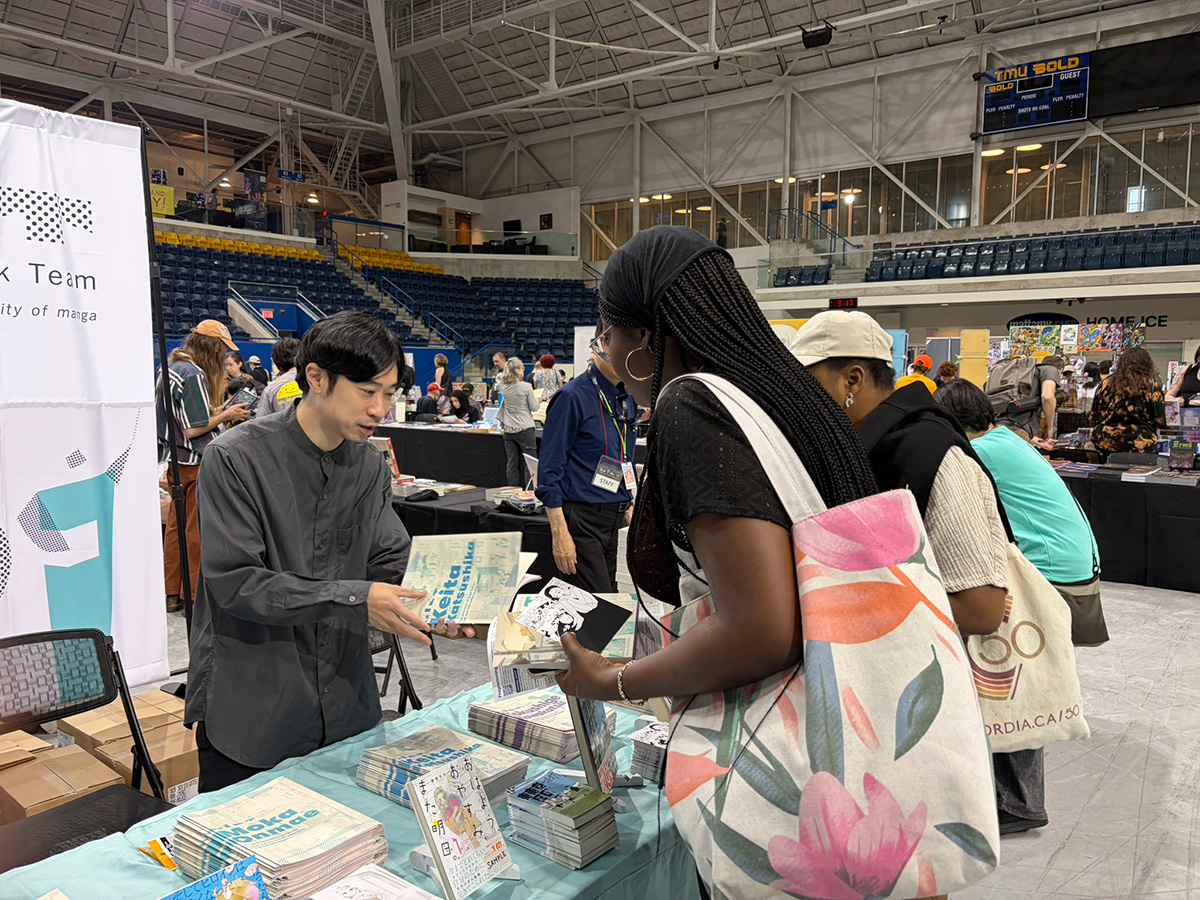
2025–2026: Initiatives accelerated their global footprint, with showcases at major North American and European conventions such as CXC (Cartoon Crossroads Columbus) and TCAF (Toronto Comic Arts Festival).
By partnering with international distribution entities like France’s Miyu Distribution, independent Japanese works began securing theatrical runs, boutique home-video releases, and localized digital streaming options that were once restricted to major studio productions.
Supporting Context & Metrics: The Economics of Independent Animation
To understand the necessity of NeW NeW and MINT, one must examine the precarious economic realities faced by independent creators. According to recent industry surveys, over 70% of independent animators operate as sole proprietors or within micro-teams of two to three people.
The Funding Crisis
While mainstream anime production committees rake in billions of dollars globally, independent artists frequently finance their projects through personal savings, crowdfunding, or meager government arts grants. A typical short film can take anywhere from three to five years to complete, during which the creator must sustain themselves through commercial freelance work—advertising commissions, music videos, or design gigs.
This creates a vicious cycle: creators spend their peak creative hours working on commercial projects to pay rent, leaving only exhausted evenings and weekends for their personal auteur projects. Consequently, many brilliant concepts are abandoned halfway through production, and countless potential masterpieces never materialize.
How NeW NeW and MINT Intervene
NeW NeW directly addresses this bottleneck by providing structural support across multiple fronts:
Production Grants & Financial Subsidies: Alleviating the burden of self-funding by offering direct grants and matching funds.
Global Networking: Connecting Japanese creators with international producers, festival programmers, and platform executives.
Legal & Rights Education: Empowering artists with workshops on copyright law, cross-border licensing, and contract negotiation.
Similarly, MINT focuses on the manga and indie publishing side of the equation. By curating international showcases and establishing direct lines of communication between Japanese creators and overseas publishers, MINT ensures that manga artists retain ownership of their intellectual property while expanding their readership into Western and European markets.
Official Statements: Insights from Industry Leaders and Creators
The impact of these initiatives is best understood through the voices of those driving the movement. Creators who have navigated the grueling path of independent production are increasingly vocal about the transformative role these programs play.
"For years, making an independent anime felt like shouting into a void. You poured your soul into a project, premiered it at a festival, and then watched it vanish because you lacked the distribution muscle or the foreign contacts to keep it alive. Programs like NeW NeW give us a safety net—not just financially, but strategically."
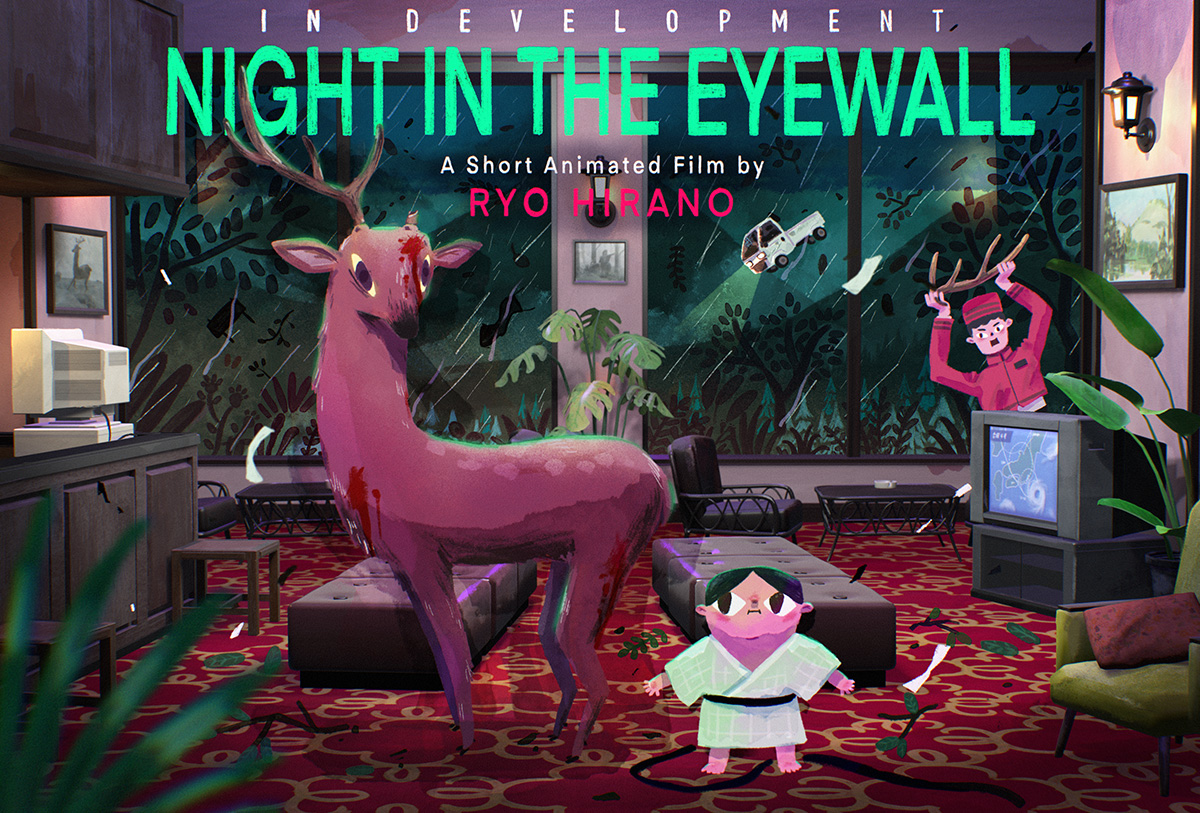
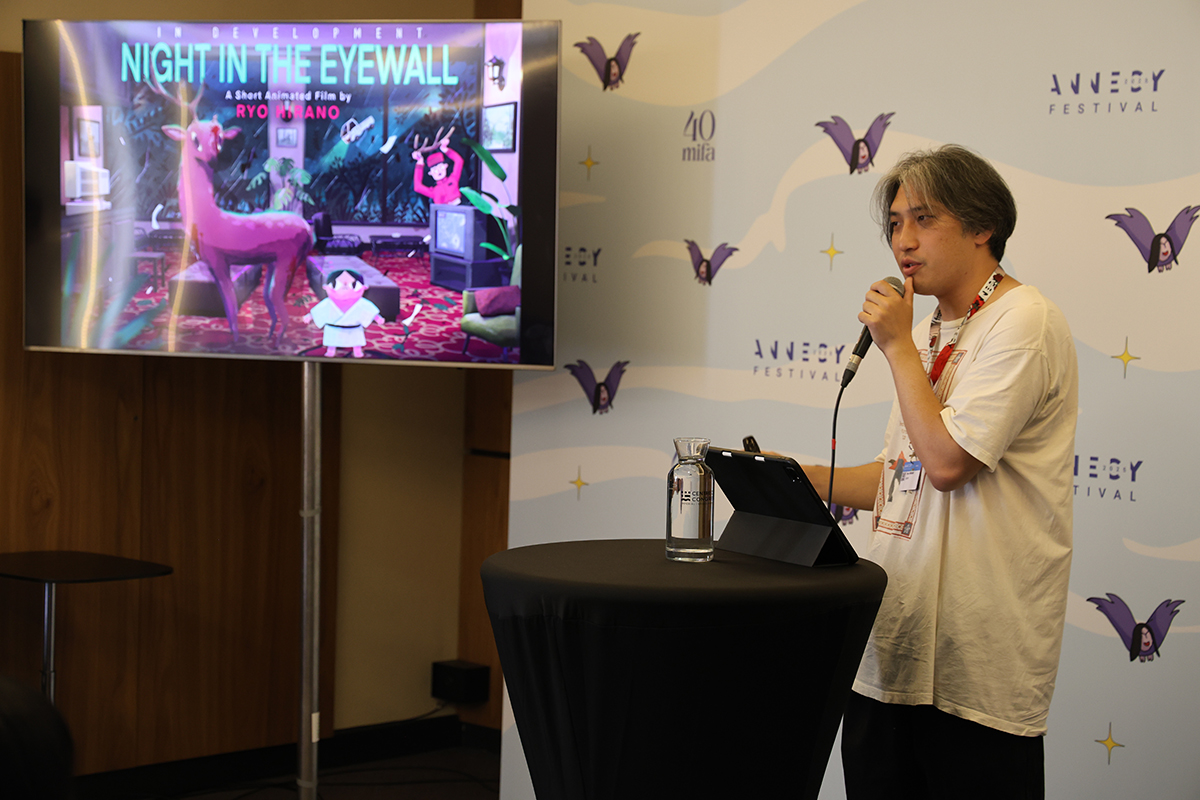
— Ryo Hirano, Renowned Independent Animator and Director (NIGHT IN THE EYEWALL, FANTASTIC WORLD)
Industry veterans emphasize that the traditional anime model—while globally dominant—is not built to support idiosyncratic, avant-garde storytelling. Mainstream studios are driven by committee-approved franchises, production schedules, and merchandising quotas. Independent animators operate on an entirely different frequency, prioritizing personal expression, experimental techniques, and philosophical depth over commercial marketability.
"We are seeing a historic correction," notes a representative from MINT’s steering committee. "For a long time, the global perception of Japanese animation was monolithic: long-running shonen series or high-budget feature films. MINT and NeW NeW are dismantling that monolith by proving that Japan’s independent sector is just as vibrant, diverse, and commercially viable."
Future Outlook: A Borderless Horizon for Japanese Creators
As we look toward the latter half of the decade, the convergence of digital distribution, community-funded platforms, and institutional backing is creating an unprecedented golden age for independent Japanese media.
The Rise of Hybrid Distribution Models
The traditional dichotomy between theatrical exhibition and streaming is blurring. Independent animators are utilizing a hybrid approach: premiering short films at elite international festivals (such as Annecy, Ottawa, and the Hiroshima Animation Season), followed by targeted digital releases on specialized curation platforms and physical media drops via boutique labels like Vinegar Syndrome or Radiance Films.
Furthermore, platforms like Substack, Patreon, and independent webtoons have allowed manga artists and animators to build direct-to-consumer subscriber bases. This direct relationship minimizes the cut taken by middlemen and ensures that fan support goes straight back into the creator’s pocket.
Challenges Ahead
Despite these encouraging strides, significant hurdles remain. Language barriers, while softening due to translation tech and international liaison teams, still complicate contract negotiations. Navigating the complex tax laws, withholding taxes, and legal frameworks of multiple international territories can overwhelm artists who are accustomed to focusing solely on the drawing board.
Moreover, scaling these initiatives to support a larger pool of creators requires sustained funding from both public cultural agencies and private investors. Ensuring that these programs do not become overly bureaucratic will be vital to preserving the raw, underground spirit that makes independent art so compelling in the first place.
Conclusion
The launch and expansion of NeW NeW and MINT mark a watershed moment for Japanese independent creators. By transforming isolation into connection, and financial precarity into structured support, these initiatives are ensuring that the next generation of boundary-pushing animators and manga artists do not just survive—they thrive on the global stage. As international audiences continue to hunger for authentic, creator-driven narratives, the future of Japanese animation is no longer confined to the mainstream studio system; it is expanding outward, boldly and brilliantly, into a truly borderless world.






Belum ada komentar. Jadilah yang pertama berkomentar!