

Executive Overview
In the fast-paced ecosystem of digital content creation, few platform updates carry as much weight as a verification badge. For creators, artists, and prominent brands, the digital checkmark is more than a mere aesthetic choice; it serves as a digital seal of authenticity, a badge of honor, and a crucial defense mechanism against malicious impersonation.
In September 2019, video-sharing giant YouTube found itself at the center of a severe community backlash after announcing a sweeping overhaul of its verification program. The proposed changes—intended to resolve user confusion and combat identity deception—inadvertently threatened to strip the coveted checkmarks from hundreds of thousands of established creators who had earned them under legacy rules.
What followed was an intense, multi-day public relations crisis that forced platform leadership into an almost unprecedented about-face. Within 24 hours of the initial announcement, YouTube executives acknowledged that their strategy had "completely missed the mark."
This comprehensive report examines the anatomy of the 2019 YouTube verification controversy. We will explore the initial policy objectives, the core operational missteps that triggered widespread creator panic, the swift policy reversal, and the long-term implications of how platform governance manages identity in the modern digital age.
Detailed Chronology: From Sweeping Overhaul to Rapid Reversal
To understand the scope of the 2019 YouTube verification crisis, one must trace the timeline of events from the initial policy rollout on September 19, 2019, to the corrective update issued less than 24 hours later.
Phase 1: The Initial Announcement (September 19, 2019)
YouTube initially introduced its reimagined verification framework with the stated goal of protecting creators from impersonation while addressing widespread user ambiguity. According to platform data cited at the time, YouTube processed tens of thousands of creator complaints annually regarding bad actors impersonating legitimate channels. Furthermore, internal surveys revealed a surprising statistic: nearly a third of all polled users fundamentally misunderstood the meaning of the verification badge. Rather than interpreting it as an indicator of distinct identity, users frequently associated the checkmark with an official "endorsement of content" by YouTube itself.
To decouple identity verification from content endorsement, platform leadership outlined a comprehensive restructuring:
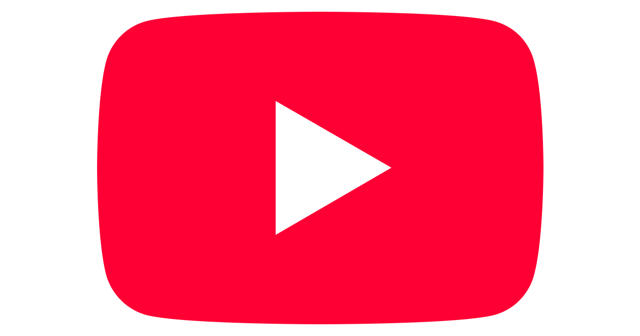
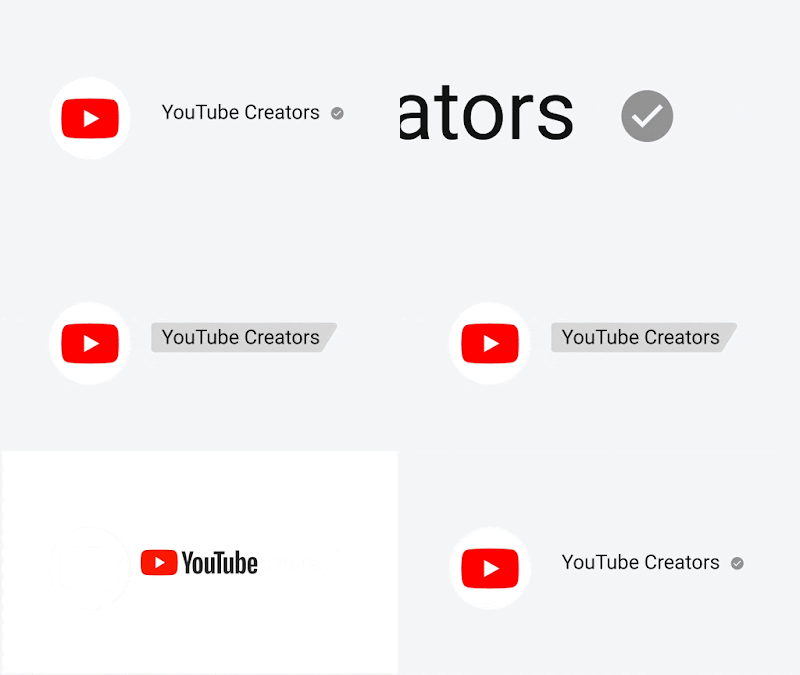
- A Brand-New Aesthetic: The classic checkmark design was slated for replacement with a new visual identifier intended to display consistently across all screens, channel pages, search results, and comment sections. This design was also set to replace the existing music note icon on Official Artist Channels.
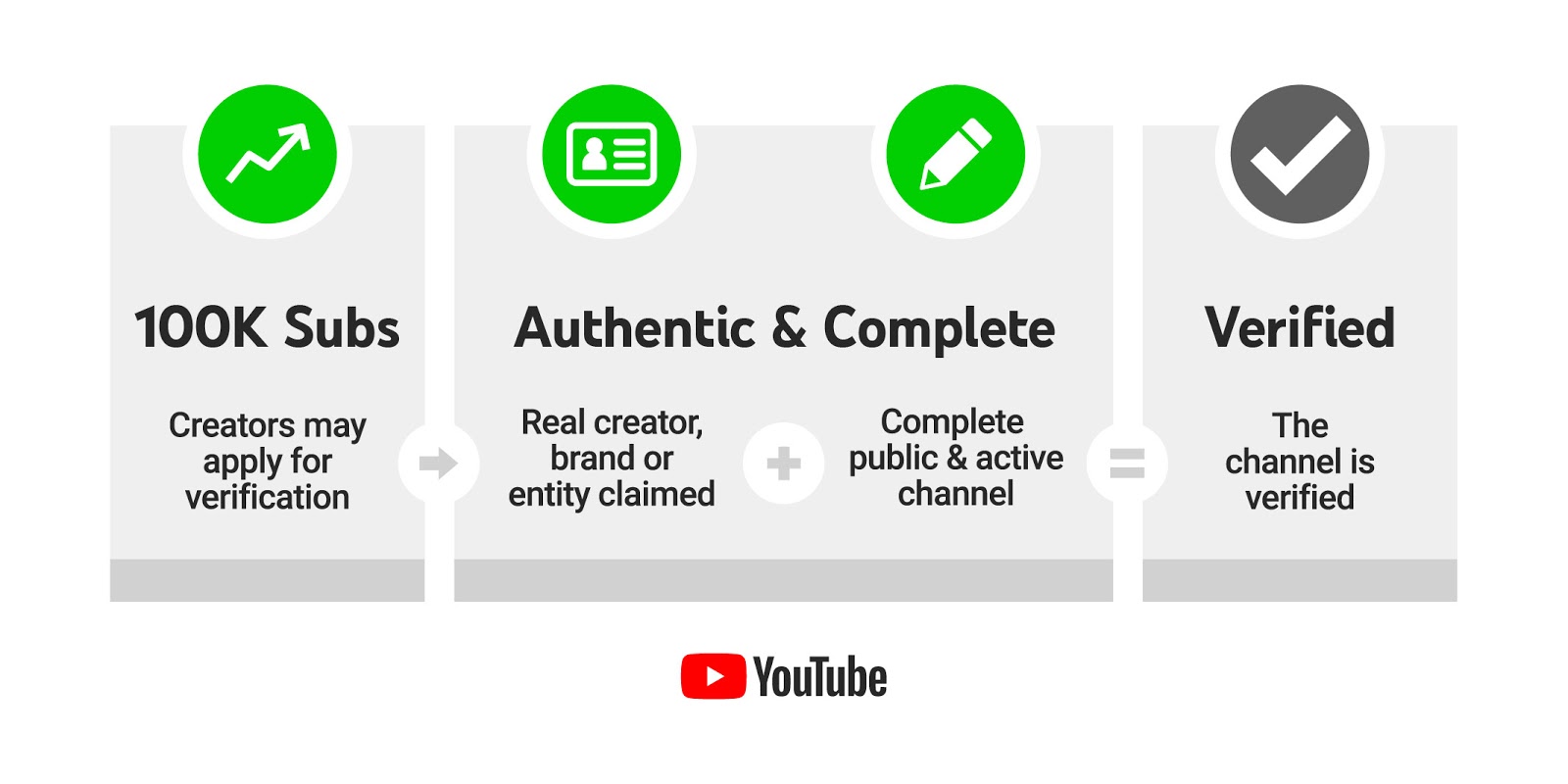
- The Overhaul of Eligibility: Under legacy rules, any channel crossing the 100,000-subscriber threshold could apply for verification, regardless of whether they faced a genuine risk of impersonation. The new policy aimed to retire this metric-based approach in favor of a criteria-based model that prioritized prominent channels with a clear, demonstrable need for authenticity proof.
- The Retroactive Strip: Crucially, the policy indicated that channels previously verified under the 100,000-subscriber rule would be subjected to the new, stricter criteria. This meant that countless creators who had built their channels under the old guidelines stood to lose their verification status unless they could successfully navigate an appeals process under the new rubric.
Phase 2: The Backlash and Community Outcry
The creator ecosystem’s reaction was swift, unified, and overwhelmingly negative. For smaller and mid-tier educational channels, gaming personalities, and independent commentators, the loss of a verification badge represented a tangible threat to their authority and audience trust. Many argued that the 100,000-subscriber threshold had served as an objective, reliable benchmark for years, whereas the proposed subjective criteria felt opaque, arbitrary, and exclusionary.
Social media platforms, particularly Twitter and YouTube’s own community forums, erupted with criticism. Prominent creators voiced fears that scammers would easily exploit the vacuum left by removed badges, while others expressed deep frustration that YouTube had failed to consult key stakeholders before implementing changes that directly impacted their livelihoods.
Phase 3: The Rapid Apology and U-Turn (September 20, 2019)
Recognizing the severity of the backlash, YouTube leadership acted with rare speed to contain the crisis. At 3:00 p.m. on September 20, 2019, just one day after the initial announcement, the platform published a formal retraction and update authored by its creator communications team.
The statement opened with a candid admission of failure:
"While rolling out improvements to this program, we completely missed the mark. We’re sorry for the frustration that this caused and we have a few updates to share."
YouTube announced three major concessions that effectively restored stability to the creator community:
- Grandfathering Existing Badges: Channels that already possessed the verification badge were granted immediate immunity. They would keep their badges without needing to submit an appeal.
- Preserving the Subscriber Threshold: The platform reaffirmed that all channels with over 100,000 subscribers would remain eligible to apply for verification when the application process reopened in late October 2019.
- Delaying the Visual Redesign: Due to the sweeping changes announced in the U-turn, the rollout of the new badge aesthetic was postponed to the following year to allow for smoother integration and clearer communication.
Supporting Context & Metrics: The Mechanics of Verification
To appreciate why YouTube attempted such a radical shift—and why it provoked such a fierce reaction—one must examine the structural challenges of managing identity verification at the scale of a global video platform.
The Scale of Impersonation
YouTube hosts billions of hours of content uploaded by creators ranging from global media conglomerates and chart-topping musicians to independent bedroom vloggers. As the platform grew into the world’s primary destination for user-generated video, it simultaneously became an attractive target for bad actors.
Impersonation takes many forms within the ecosystem:
- Scam Channels: Actors copying a popular creator’s exact profile picture, banner, and channel name to promote cryptocurrency scams, phishing links, or fraudulent giveaways in the live chat.
- Comment Section Phishing: Impersonator accounts replying to user comments, pretending to be the original creator, and telling viewers they have won a prize or directing them to malicious external sites.
- Brand Spoofing: Unauthorized entities creating channels that mimic official corporations to spread misinformation or damage corporate reputations.
Handling tens of thousands of complaints regarding these issues annually put immense operational strain on YouTube’s support and trust-and-safety infrastructure.
The Psychology of the Checkmark
The platform’s user research uncovered a fundamental UX (User Experience) challenge: the psychological conflation of identity with endorsement.
When a viewer sees a verified checkmark next to a public figure’s name on Twitter, Instagram, or Facebook, they understand it to mean, "This account belongs to the real person." However, on YouTube, the historical tie to a subscriber count (100,000 subscribers) created a different perception. Viewers frequently interpreted the badge as YouTube explicitly vouching for the safety, quality, or political stance of the content produced by that channel.
When controversial or polarizing creators crossed the 100,000-subscriber mark and received verification, critics often pointed to the badge as evidence that YouTube endorsed their views. This placed the platform in a difficult regulatory and public relations bind, motivating their initial attempt to sever the link between raw metrics and verification status.
Official Statements and Platform Reflection
The 2019 crisis stands as a watershed moment in how YouTube communicates policy adjustments to its community. In its retrospective communications, platform executives highlighted several key lessons learned regarding product development and creator relations.
Acknowledging the Value of the Badge
YouTube’s primary realization was that the verification badge had transcended its functional purpose as an anti-impersonation tool; it had evolved into an emotional symbol of validation and achievement for creators. For an individual who had spent years building an audience from scratch, the badge represented official recognition from the platform they called home. Threatening to strip that status away felt, to many creators, like a direct invalidation of their hard work.
Refining the Distinction Between Identity and Authenticity
While the immediate plan to strip existing badges was abandoned, YouTube maintained its long-term vision to improve how users find official sources. The platform emphasized that any future refinements to the program must balance two competing priorities:
- Robust Protection: Ensuring that malicious actors cannot easily spoof legitimate creators across search results, comments, and community tabs.
- Transparent Criteria: Providing clear, predictable pathways for rising creators to attain verification without running into arbitrary or opaque administrative barriers.
Future Outlook: The Evolution of Platform Trust
The events of September 2019 catalyzed a broader industry-wide conversation regarding how major technology platforms manage user trust, identity verification, and creator relations.
The Shift Toward Modular Identity Verification
In the years following the 2019 controversy, digital platforms—including YouTube, Meta, X (formerly Twitter), and TikTok—have continued to experiment with their verification programs. The era of the simple, universal checkmark has largely given way to multi-tiered verification systems that distinguish between government-issued identity verification, paid subscription tiers (such as YouTube Premium or platform-specific creator subscriptions), and institutional authenticity.
Rebuilding Creator-Platform Trust
For YouTube, the 2019 U-turn served as an invaluable masterclass in community management. It demonstrated that even when a platform operates with benign intentions—such as reducing user confusion and combating fraud—unilateral policy changes that impact creator status cannot succeed without proactive consultation, transparent dialogue, and profound respect for the community’s emotional investment.
As artificial intelligence, deepfakes, and automated content generation continue to lower the barrier to sophisticated impersonation, the demand for reliable digital identity verification has never been higher. YouTube’s experience remains a defining case study in the delicate balance between top-down platform governance and bottom-up creator empowerment.




Belum ada komentar. Jadilah yang pertama berkomentar!