For decades, Studio Ghibli has captured the collective imagination of global audiences through sweeping visual landscapes, deeply emotional storytelling, and iconic characters that transcend generations. From the soot-filled boiler rooms of Spirited Away to the tranquil, sun-dappled forests of My Neighbor Totoro, the animation house’s universes feel remarkably lived-in. Bringing those cinematic wonders off the silver screen and into domestic spaces has long been a thriving cottage industry. Enter Donguri Kyowakoku, the premier official Studio Ghibli specialty merchandise chain in Japan, which has consistently delighted fans with inventive physical goods—ranging from whimsical finger puppets and soothing fountain figurines to intricate, multi-layered craft kits.
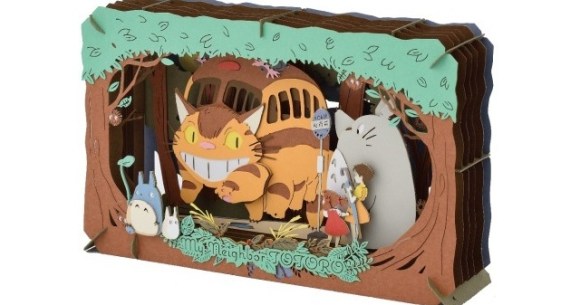
Among the store’s most mesmerizing offerings is the Paper Theater series. These DIY craft kits challenge enthusiasts to cut, assemble, and layer precision-engineered paper and wooden elements to construct three-dimensional dioramas of legendary Ghibli scenes. The resulting art pieces achieve a stunning sense of depth, creating the illusion that fans could physically step into these miniature pocket worlds, or that their favorite characters might leap right out into our reality.
However, the Paper Theater series has long presented fans with a delicate dilemma. These intricate constructions are too thick and dimensionally complex to fit into standard poster or photograph frames, yet they lack the rigid durability of solid-resin diorama figurines. Exposed to the elements on a bookshelf or desktop, hours of painstaking handiwork are vulnerable to dust, moisture, and accidental structural damage.
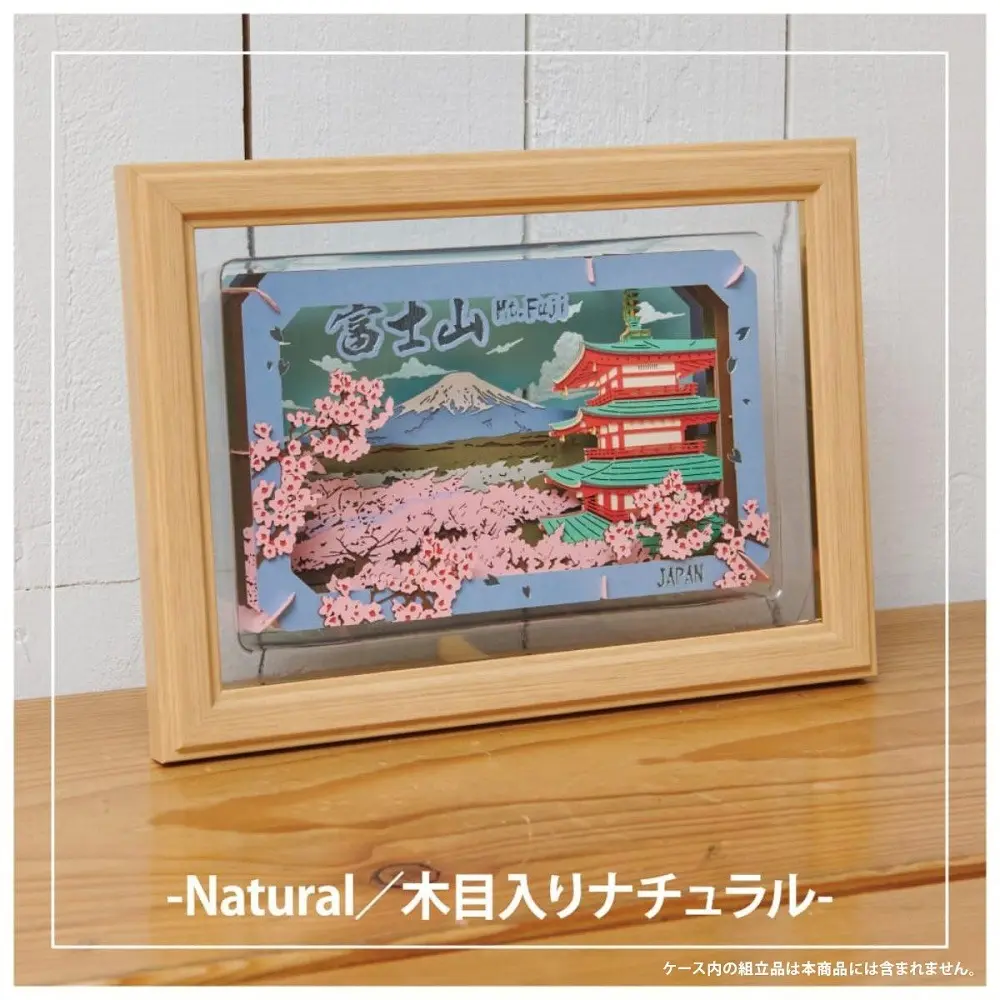
To solve this preservation crisis, Donguri Kyowakoku—in collaboration with merchandise manufacturer Ensky—has introduced a specialized line of display frames engineered exclusively for the Paper Theater collection. Combining aesthetic elegance with structural protection, these new frames offer Ghibli enthusiasts an authorized, highly polished solution to safeguard their handcrafted masterpieces. Available in multiple sizes, orientations, and wood-grain finishes, this product launch represents a crucial evolution in how anime merchandise is curated, displayed, and preserved in domestic collections.
Detailed Chronology
The Evolution of Studio Ghibli Papercraft and the Rise of Donguri Kyowakoku
The partnership between Studio Ghibli and specialty retailers like Donguri Kyowakoku has deep roots in the Japanese retail landscape. For years, Donguri Kyowakoku (which translates poetically to "Acorn Republic") has served as the ultimate brick-and-mortar and digital sanctuary for collectors seeking official, high-fidelity memorabilia. While mass-produced plushies and molded PVC figurines have traditionally dominated anime merchandising, a quiet revolution has taken place over the last decade within the realm of hands-on hobbyist crafts.
The Paper Theater line, produced by Ensky under official license from Studio Ghibli, was born from a desire to engage fans more deeply with the source material. Rather than merely purchasing a static figurine, collectors were invited to become co-creators. Using laser-cut paper and lightweight wooden sheets, builders follow detailed blueprints to assemble iconic sequences frame by frame.
As the catalog of Paper Theater kits expanded to encompass virtually every major Ghibli film—from Totoro and Kiki’s Delivery Service to Princess Mononoke and Howl’s Moving Castle—the community of builders grew exponentially. Online forums and social media channels filled with hobbyists sharing tips on precision cutting, adhesive application, and creative lighting setups to showcase their finished pieces.
The Preservation Dilemma: The Vulnerability of 3D Paper Art
By the mid-2020s, as the Paper Theater fandom matured, a persistent logistical and aesthetic challenge came to the forefront. Unlike two-dimensional prints or posters that can be easily flattened and slid behind protective glass, Paper Theater builds possess significant physical depth—often measuring over four centimeters thick due to their layered construction.
Standard picture frames proved entirely inadequate. Forcing a delicate papercraft diorama into a conventional flat frame risked crushing the protruding foreground elements, while leaving the dioramas unmounted exposed them to the insidious enemies of papercraft: ambient dust accumulation, household humidity, UV fading, and accidental knocks from pets or children. For a hobbyist who had spent several hours meticulously gluing together a multi-tiered forest scene featuring Totoro and the Kodama, the prospect of irreversible damage was a source of constant anxiety.
The Intervention: Ensky and Donguri Kyowakoku’s Protective Frame Line
Recognizing this widespread consumer pain point, Ensky and Donguri Kyowakoku initiated a targeted product development cycle to design a custom framing system tailored explicitly to the dimensional specifications of the Paper Theater catalog.
Rather than rushing a generic display case to market, the manufacturing team undertook a comprehensive audit of existing kits. They determined that the vast majority of Ghibli Paper Theater items fell into distinct dimensional tiers, requiring two primary frame sizes to achieve a snug, secure fit. Concurrently, design parameters were established to ensure that the frames would not only protect the art from environmental wear and tear but also elevate its visual presentation, transforming a hobbyist project into a gallery-grade display piece.
The resulting collection of specialized display frames officially rolled out across Donguri Kyowakoku’s physical storefronts and its digital flagship e-commerce platform. The rollout was immediately met with enthusiastic approval from the international crafting community, effectively bridging the gap between delicate DIY art and museum-quality presentation.
Supporting Context & Metrics
To fully understand the significance of this product release, it is essential to examine the physical dimensions, material composition, pricing architecture, and market positioning of the new Paper Theater frames alongside the kits they are designed to protect.
Specifications and Sizing Architecture
The newly introduced frames are engineered to accommodate the precise depth and footprint of Ensky’s Ghibli lineup. Two distinct sizes serve the entirety of the collection:
Large-Format Frames: Designed for expansive panoramic or multi-character scenes, these frames accommodate kits measuring 16 x 10 x 4.2 centimeters (approximately 6.3 x 3.9 x 1.7 inches).
Standard-Format Frames: Tailored for compact, focal-point vignettes, these units fit kits with dimensions of 10 x 8 x 4.2 centimeters (approximately 3.9 x 3.1 x 1.7 inches).
Both size categories are engineered with dynamic mounting flexibility. Recognizing that Ghibli directors and designers utilize both landscape (horizontal) and portrait (vertical) framing depending on the cinematic composition of the scene, each frame is built to support dual-orientation display. Whether mounting a towering tree canopy from My Neighbor Totoro or a wide-angle coastal view from Kiki’s Delivery Service, the frame adapts seamlessly to the artwork.
Material Science and Aesthetic Variations
While manufactured from durable, lightweight plastics to ensure structural stability without adding unnecessary weight to wall mounts or shelves, the frames feature a sophisticated, textured wood-grain finish. This design choice ensures that the housing complements the organic, earthy themes prevalent in Studio Ghibli’s visual style, rather than clashing with them through a stark, industrial plastic appearance.
The inventory features three distinct colorways to match diverse interior design aesthetics:
Natural: A light, blonde wood-grain look that evokes Scandinavian minimalism and bright, airy spaces.
Pearl White: A clean, contemporary finish that allows the vibrant colors of the papercraft to pop without visual distraction.
Ash Brown: A darker, moody tone that adds rustic warmth and traditional framing gravity to the display.
Economic Breakdown
Pricing for the preservation ecosystem has been kept accessible to encourage widespread adoption among hobbyists:
Small Frames: Retailing at 2,200 yen (approx. US$14).
Large Frames: Retailing at 2,750 yen (approx. US$18).
To put these figures into perspective, the underlying Paper Theater DIY kits typically retail between 2,000 and 3,000 yen, meaning the protective housing represents a comparable investment to the artwork itself—a standard ratio in the fine art framing industry, where custom protection often mirrors or exceeds the cost of the raw piece. All items are currently distributed internationally via the official Donguri Kyowakoku online storefront.
Official Statements and Industry Insights
In promotional materials accompanying the launch, representatives from Donguri Kyowakoku and Ensky emphasized the philosophical alignment between the painstaking nature of papercraft and the necessity of long-term preservation.
"When a fan sits down to build a Paper Theater kit, they are not merely following instructions; they are engaging in an intimate cinematic recreation," noted a joint product development statement released by the manufacturing partners. "Every layered leaf, every hand-placed whisker of Totoro, represents an investment of time, patience, and affection for the Ghibli canon. It became our professional responsibility to ensure that this labor of love does not succumb to dust or accidental damage over time."
Art preservationists and retail analysts tracking the anime merchandise sector have praised the initiative as a masterclass in consumer-centric product ecosystem design. By identifying a post-purchase vulnerability—namely, the lack of suitable display hardware for thick, multi-tier paper models—Donguri Kyowakoku has successfully cultivated a closed-loop hobbyist economy. Customers purchasing a kit are now statistically far more likely to bundle a matching display frame into their cart, simultaneously securing their investment and enhancing the visual cachet of their home collection.
Furthermore, industry insiders note that this release underscores a broader trend in otaku culture: the shift away from ephemeral, disposable plastic trinkets toward collectible art objects that demand craftsmanship, display curation, and long-term care.
Future Outlook
The introduction of specialized Paper Theater frames marks a significant milestone for Donguri Kyowakoku, but industry watchers anticipate that this is merely the foundational step in a broader merchandising strategy.
As Studio Ghibli continues to expand its cinematic footprint—most recently with award-winning masterworks like Hayao Miyazaki’s The Boy and the Heron—the pipeline for new Paper Theater kits is guaranteed to grow. Future releases will likely incorporate even more complex geometric designs, lighting integrations (such as built-in LED backlighting), and expanded multi-film crossovers. Consequently, the demand for modular, scalable display solutions will only intensify.
Future iterations of the framing line are widely expected to explore modular stacking capabilities, allowing collectors to build interlocking wall grids or illuminated display cases that mimic miniature gallery walls. Additionally, as international shipping logistics continue to evolve, Donguri Kyowakoku’s aggressive support for direct global e-commerce ensures that these preservation tools will reach an increasingly borderless community of enthusiasts.
For now, the message to the Ghibli fandom is clear: your papercraft Totoro no longer has to brave the elements unprotected. With bespoke engineering, elegant wood-grain finishes, and accessible pricing, Donguri Kyowakoku has ensured that the enchanting pocket worlds of Studio Ghibli can be safely preserved for generations of admirers to come.







Belum ada komentar. Jadilah yang pertama berkomentar!