

By the Editorial Desk
Published: Industry Insights & Analysis
Executive Overview
In an era defined by aggressive platform exclusivity, corporate ecosystems, and the relentless fragmentation of the PC digital marketplace, the industry has long anticipated a harmonious era of open cross-platform distribution. PC players frequently dream of a unified library—a space where legacy titles and modern blockbusters sit side-by-side, perfectly optimized for portable hardware like the Steam Deck.
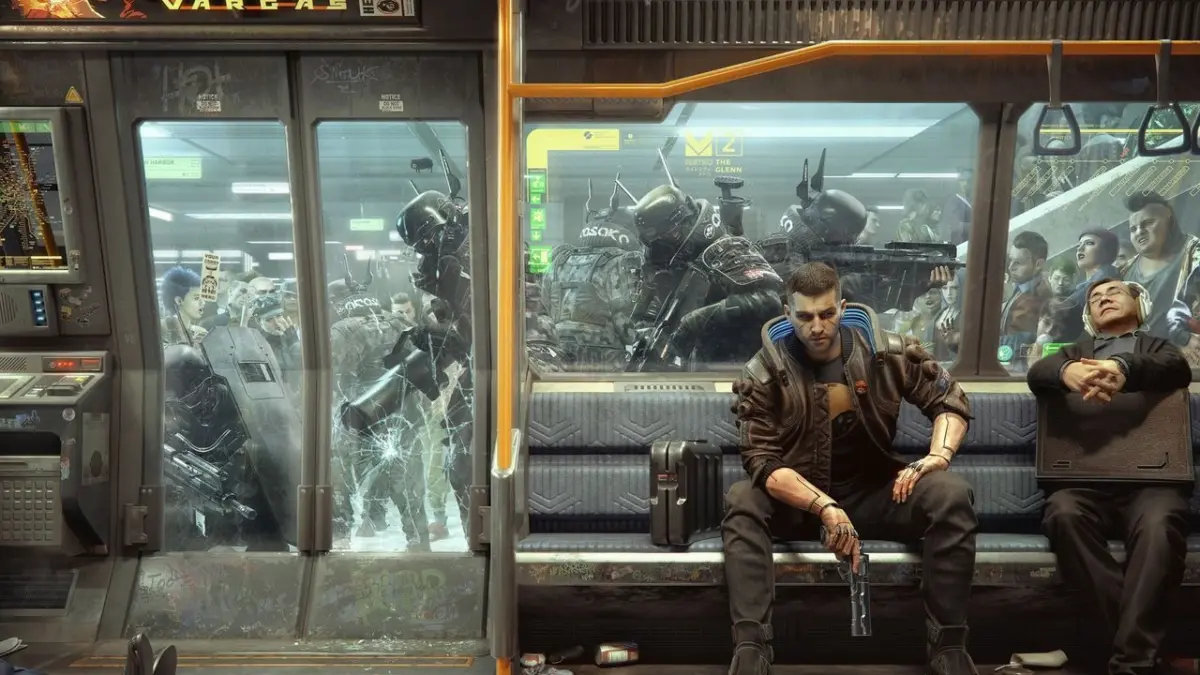
Yet, the reality of modern game distribution continues to confound expectations. In a move that has simultaneously bewildered and amused the gaming community, CD Projekt Red and Blizzard Entertainment have announced an unexpected cross-pollination of their respective digital storefronts. Cyberpunk 2077, along with its acclaimed expansion Phantom Liberty, is officially slated to launch on Blizzard’s proprietary Battle.net launcher later this year.
This partnership follows a growing trend of major publishers trading traditional walled gardens for cross-platform availability. However, the decision has thrown a sharp, ironic spotlight on Blizzard’s own catalog. While heavy-hitting external titles continue to find a home on Battle.net—joining an eclectic group that includes Sea of Thieves, Tony Hawk’s Pro Skater 3+4, and The Outer Worlds 2—Blizzard’s own celebrated retro library remains conspicuously absent from competing platforms like Steam.
This comprehensive report examines the mechanics of the Blizzard-CD Projekt Red collaboration, the peculiar history of third-party games on Battle.net, the implications for game preservation, and what this means for the broader PC gaming landscape.
Detailed Chronology: From Gamescom to BlizzCon
The seeds of this unlikely partnership were planted earlier this year at Gamescom, where CD Projekt Red and Blizzard dropped their first major collaborative bombshell. During the European trade show, executives revealed that the upcoming remastered version of The Witcher 3: Wild Hunt would not only hit its expected mainstream storefronts but would also make a surprise landing on Battle.net.
For many industry observers, the Gamescom announcement felt like an isolated experiment—a promotional handshake between two heavyweights testing the waters of shared digital infrastructure. However, any doubts regarding the longevity of this partnership were decisively put to rest at BlizzCon.
Taking center stage at the convention, representatives from both studios confirmed that the sprawling, neon-drenched dystopia of Cyberpunk 2077 and its narrative expansion will arrive on Battle.net later this year. This latest integration solidifies a strategic bridge between CD Projekt Red’s gritty RPG universes and Blizzard’s historically insular launcher ecosystem.
The crossover goes far beyond mere storefront placement. In an aggressive push to incentivize pre-purchasing, Blizzard and CD Projekt Red have woven direct cross-promotional content into their flagship live-service titles:
- The Diablo 4 Crossover: Players who pre-purchase The Witcher 3‘s newly announced Songs of the Past DLC directly through Battle.net will unlock an exclusive Geralt of Rivia skin for the Diablo 4 barbarian class. Both studios have teased that additional "Witcher-themed content" is slated to roll out across Blizzard properties through 2027.
- Overwatch Meets Edgerunners: The synergy extends into the hero shooter arena. Beginning next year, Overwatch players will gain access to a dedicated suite of cosmetics inspired by the critically acclaimed Netflix anime series Cyberpunk: Edgerunners. This release strategically aligns with the premiere of the show’s second season, which hits Netflix on October 20.
Supporting Context & Metrics: The Strange Evolution of Battle.net
To understand the weight of Cyberpunk 2077 arriving on Battle.net, one must examine the launcher’s evolution. Originally launched in 1996 alongside Diablo as a simple matchmaking service, Battle.net evolved over the decades into a fortress designed exclusively for Blizzard’s own intellectual properties—World of Warcraft, StarCraft, Diablo, and Overwatch.
For years, the idea of a non-Blizzard game appearing on the platform was unthinkable. That philosophy began to shift subtly when Activision Blizzard—then operating as a unified corporate entity—began utilizing the launcher to distribute marquee Activision titles like Call of Duty: Modern Warfare and Crash Bandicoot 4.
However, the inclusion of titles from external, non-affiliated publishers remains an unusual phenomenon that frequently catches consumers by surprise. Cyberpunk 2077 joins a peculiar roster of third-party games that have quietly found their way onto Battle.net over recent years—a list that includes titles like Sea of Thieves, Tony Hawk’s Pro Skater 3+4, and The Outer Worlds 2. Despite their presence, these games often exist in a psychological blind spot for the average PC user, who primarily associates the app with Blizzard’s core live-service giants.
The irony of this arrangement is sharply felt when looking at the inverse relationship. While third-party blockbusters migrate onto Blizzard’s launcher, Blizzard’s own historical footprint on competing platforms remains remarkably sparse.
As it stands, only a select handful of Blizzard titles—namely Diablo 2: Resurrected, Diablo 4, and Overwatch—have made the jump to Steam. Meanwhile, classic entries face turbulent preservation fates. While the original Diablo remains available via GOG, the foundational first two Warcraft real-time strategy games were infamously delisted from GOG when Blizzard released their controversial remastered editions a few years ago. (Though GOG subsequently doubled down on its commitment to video game preservation by establishing alternative measures, the friction between modern publishing practices and classic accessibility remains a persistent industry pain point).
Official Statements and Industry Perspectives
Neither CD Projekt Red nor Blizzard has released extensive public manifestos regarding the underlying financial or structural agreements governing their cross-storefront initiative. However, statements provided during their respective convention panels emphasize a shared desire to meet players "where they already play."
An internal representative speaking on behalf of CD Projekt Red noted:
"Our goal has always been to ensure that the stories we craft are accessible to as broad an audience as possible. By partnering with Blizzard to bring Cyberpunk 2077 to Battle.net, we are opening our doors to a massive, dedicated community of PC RPG enthusiasts who may manage their gaming library through the Blizzard ecosystem."
Conversely, Blizzard proponents have framed the integration as part of a broader philosophy to modernize Battle.net into a more versatile hub. Yet, community sentiment—as reflected across Reddit, forums, and social media—has leaned heavily toward ironic amusement and frustration.
The prevailing community critique centers on hardware accessibility. With the explosion in popularity of portable PC gaming devices like the Steam Deck and Asus ROG Ally, players heavily favor platforms that integrate seamlessly with SteamOS or standard Linux environments. While third-party launchers like Battle.net can be run on the Steam Deck via compatibility layers like Lutris or non-Steam shortcuts, doing so remains a cumbersome workaround compared to a native Steam release.
Consequently, fans frequently voice a singular, recurring sentiment: “Wouldn’t it be nice if Blizzard’s classic catalog—titles like StarCraft, Warcraft II, and early Diablo expansions—were readily available on Steam for effortless Steam Deck play, rather than seeing non-Blizzard titans occupy space on Battle.net?”
Future Outlook: What Lies Ahead for Launchers and Cross-Publishing
As the PC gaming landscape matures, the traditional boundaries separating competing digital storefronts continue to blur. Epic Games pioneered aggressive exclusivity deals, Microsoft brought its Xbox Game Studios catalog to Steam, and Sony has steadily migrated its premier PlayStation cinematic single-player experiences to PC platforms.
The partnership between CD Projekt Red and Blizzard—culminating in Cyberpunk 2077 hitting Battle.net alongside cross-promotional Diablo skins and Overwatch anime cosmetics—signals that storefront curation is increasingly driven by marketing synergy and revenue diversification rather than strict corporate tribalism.
Looking forward toward 2027, gamers can expect several developments:
- Deeper Live-Service Crossovers: The promise of additional "Witcher-themed content" arriving in Blizzard games through 2027 suggests that cross-publisher marketing will increasingly mimic cinematic universe crossovers, tying cosmetic monetization directly to multi-studio release schedules.
- Storefront Fluidity: As launcher overhead costs rise and player bases demand convenience, more publishers may experiment with cross-renting digital shelf space. Whether this eventually compels Blizzard to loosen its grip on its own legacy catalog and deploy its retro library to platforms like Steam remains the ultimate question for PC preservationists.
- The Portable Imperative: As handheld PC hardware claims an ever-larger market share, any launcher that fails to offer native, frictionless integration with portable operating systems risks alienating a vocal demographic of players.
For now, Battle.net stands as a monument to contradictions: a launcher that began as an exclusive home for Azeroth and Sanctuary now proudly hosts the neon streets of Night City, even as its own foundational history remains locked behind proprietary walls. Whether this strange convergence paves the way for a truly open multi-platform future remains to be seen, but one thing is certain: PC gaming’s corporate landscape remains as unpredictable as ever.





Belum ada komentar. Jadilah yang pertama berkomentar!