

Executive Overview
The ritual of assembling a desktop personal computer has long drawn comparisons to playing with digital or physical Lego bricks—a deeply satisfying exercise in spatial puzzle-solving, mechanical interlocking, and aesthetic curation. Yet, traditional mid-tower chassis designs have typically locked builders into rigid, manufacturer-determined blueprints. Corsair’s latest entry into the enthusiast ecosystem, the Frame 4000X (sibling to the widely reviewed 4000D), aims to shatter this paradigm by introducing an unprecedented level of modularity, interchangeable faceplates, swappable I/O layouts, and customizable internal frameworks.
In this deep-dive hardware evaluation, we chronicle the hands-on building experience with the Corsair Frame 4000X, examining its structural versatility, its triumphs and tribulations in cable management, its aesthetic ecosystem, and the economic realities of going all-in on Corsair’s new customizable parts pipeline. While the chassis offers an enticing playground for builders looking to customize every square inch of their rig, it also exposes minor usability friction points—ranging from digital manual inconveniences to rigid colorways—that highlight the growing pains of a fully modular hardware ecosystem.
Detailed Chronology: The Build Process and Modular Misadventures
Unboxing the Corsair Frame 4000X feels less like opening a standard PC case and more like unboxing a specialized hobbyist kit. The chassis arrives surrounded by a constellation of smaller accessory boxes containing faceplates, alternative brackets, and modular input/output modules.
Phase 1: Aesthetic Customization and the Faceplate Swap
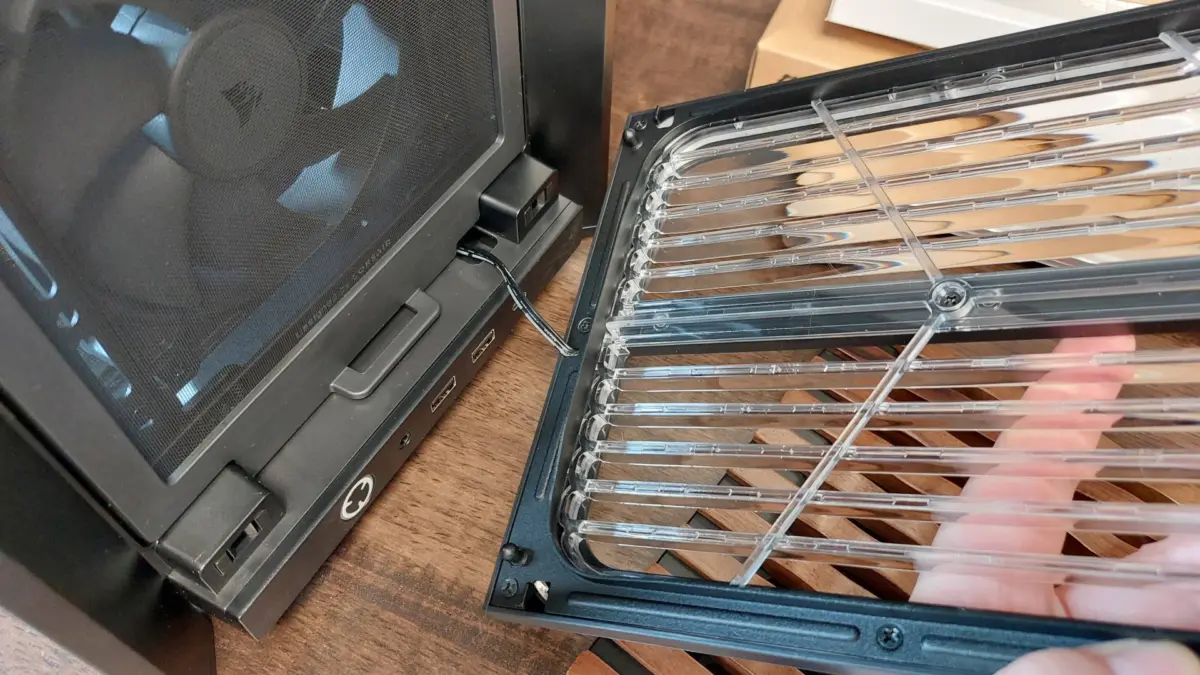
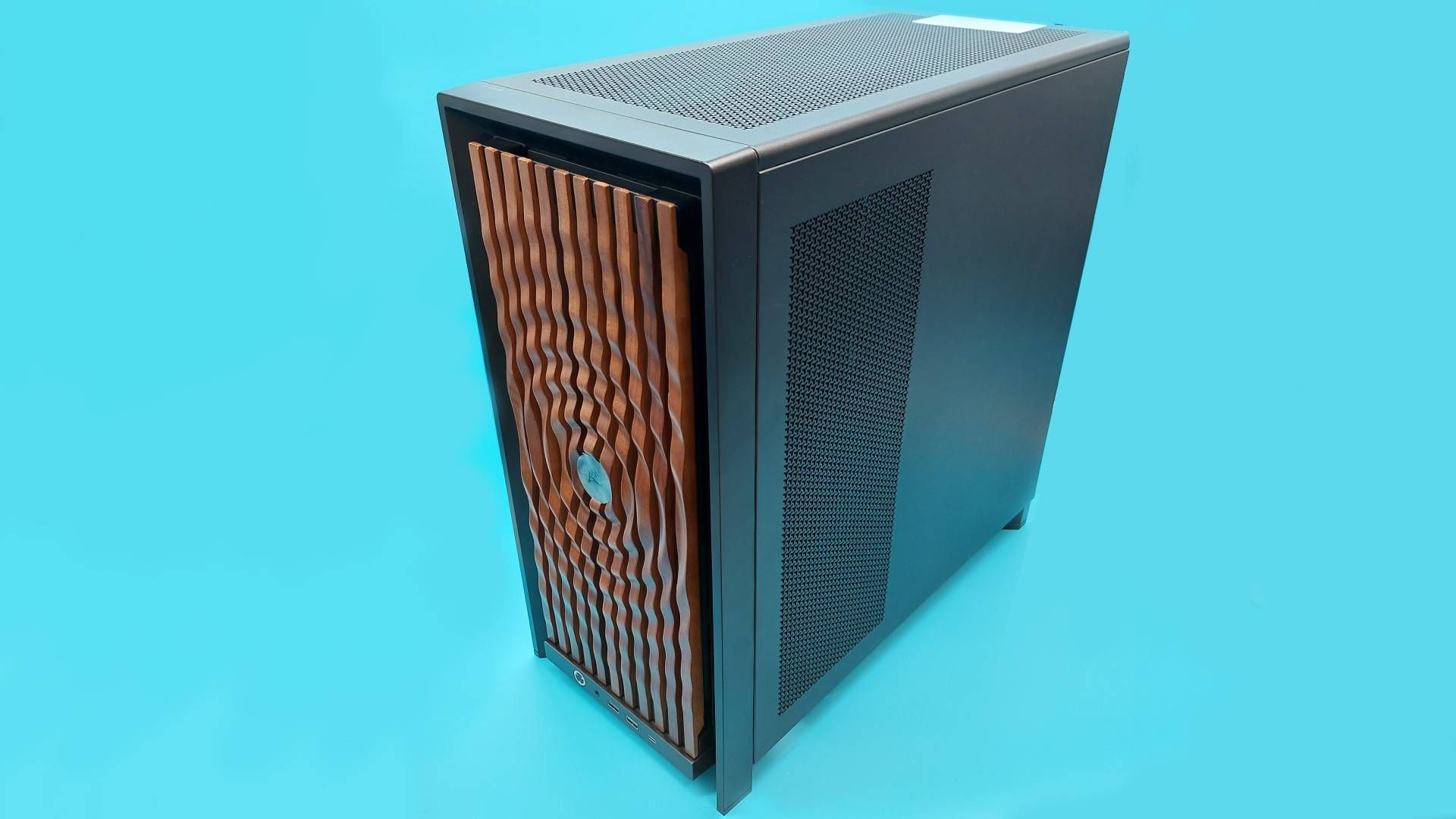
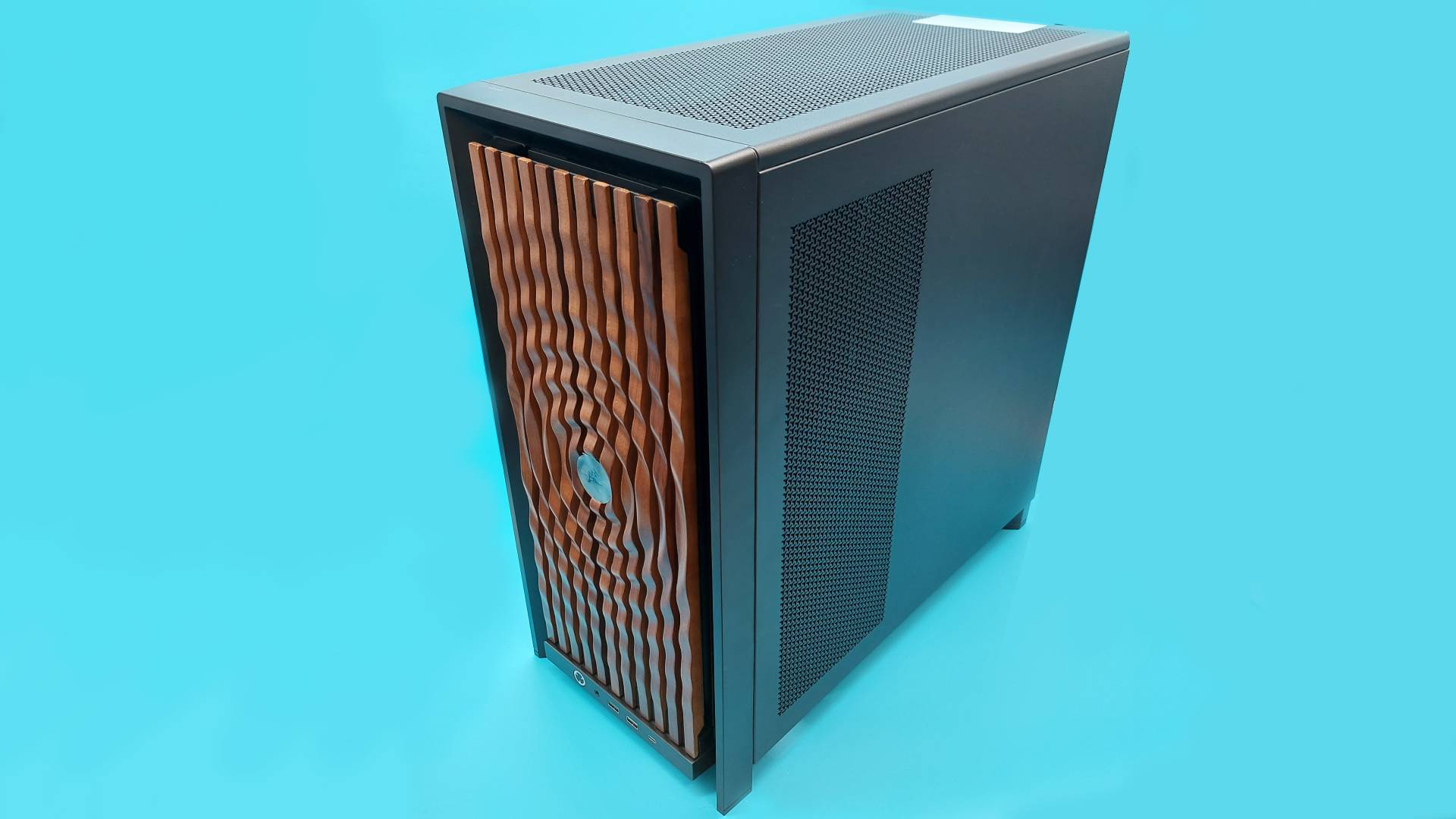
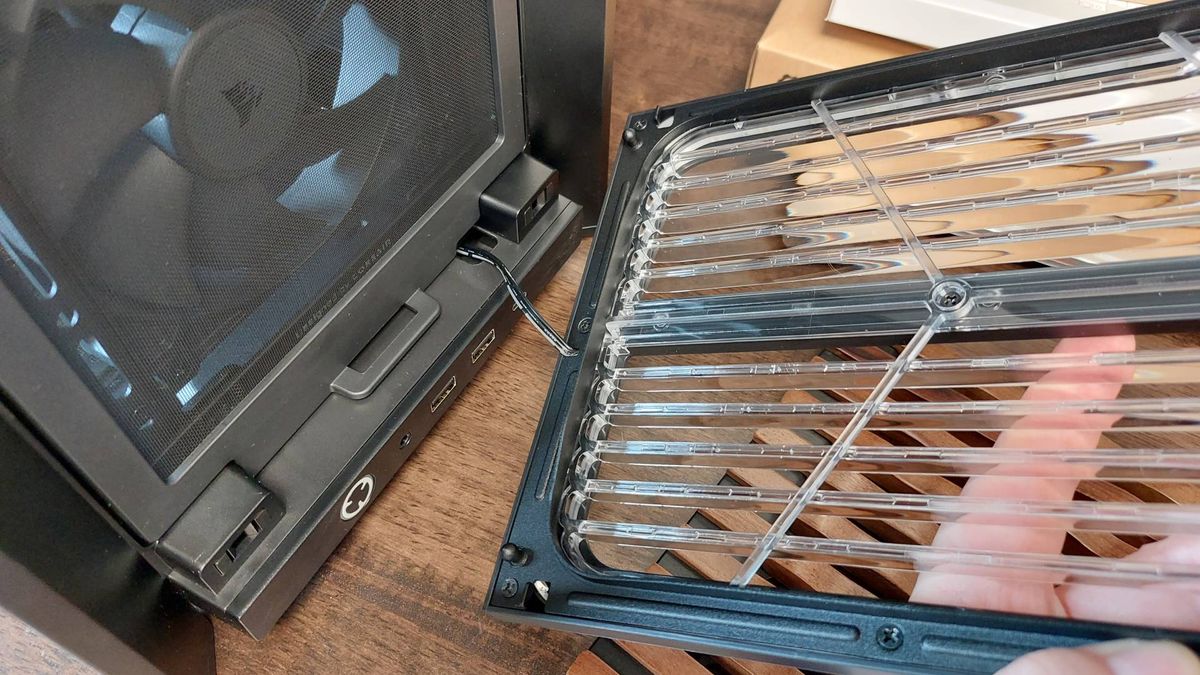
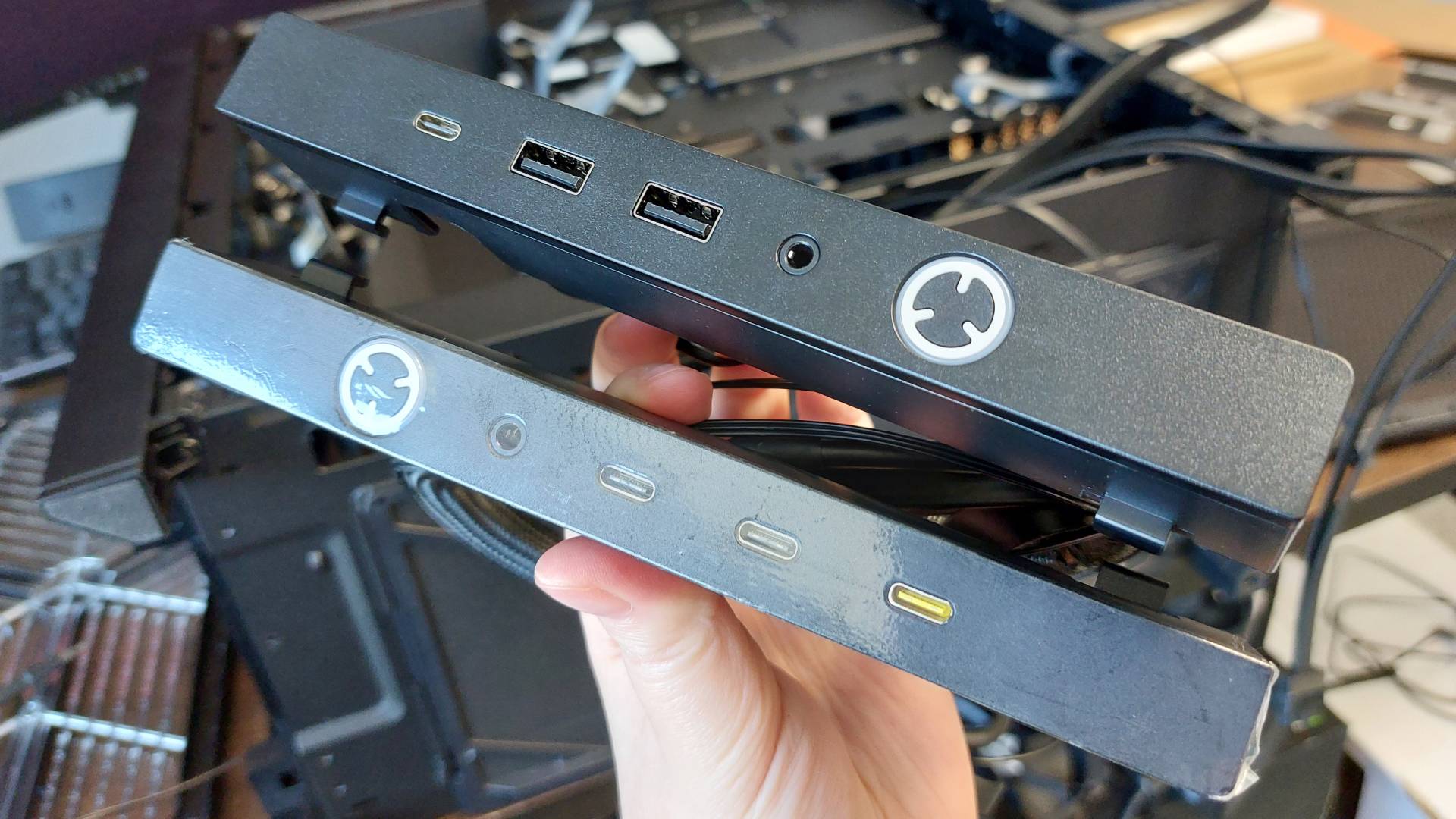
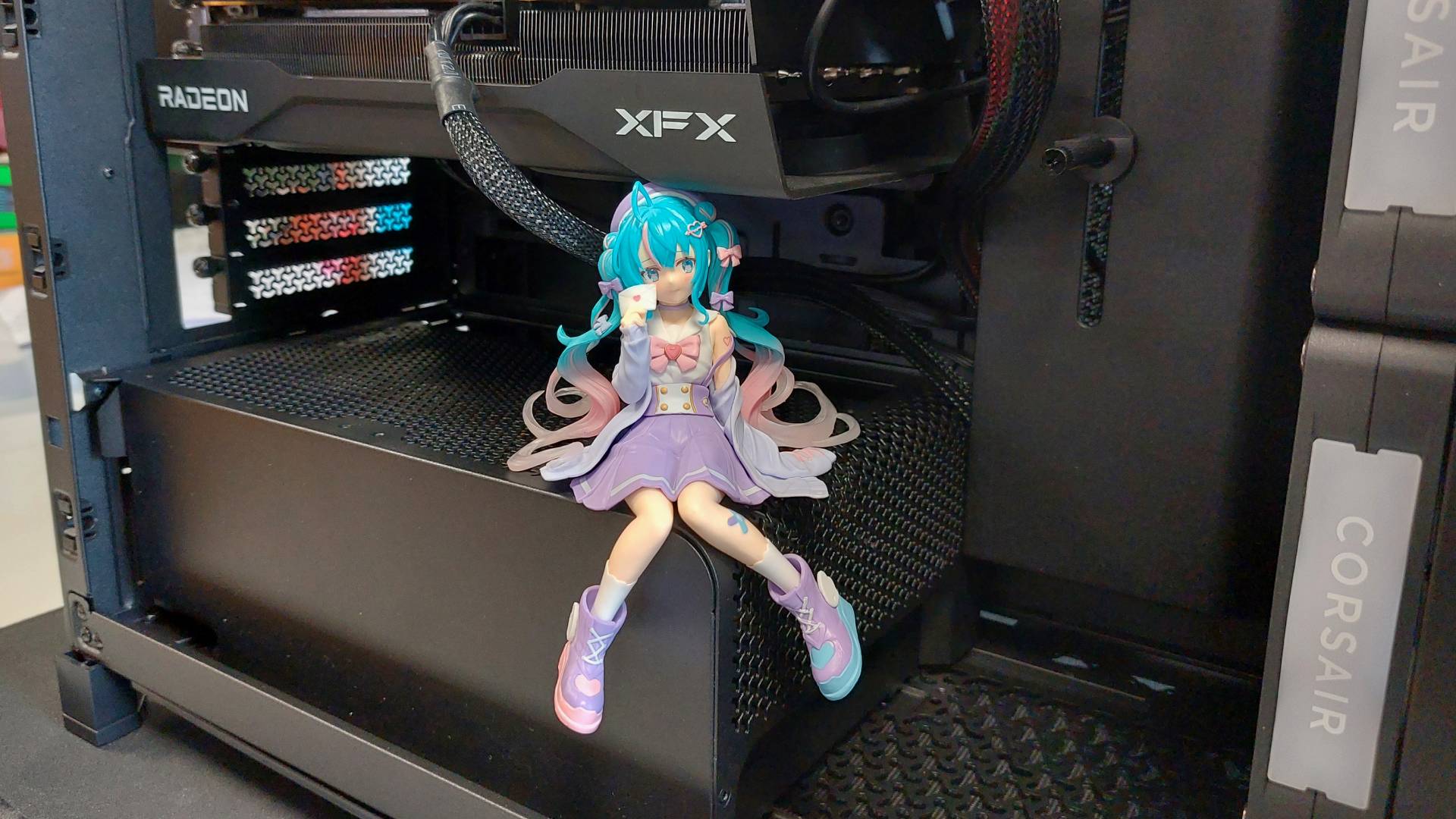
The building process naturally begins on the outside. The 4000X supports a tool-free faceplate swap mechanism, allowing builders to transition between multiple aesthetic archetypes on the fly. Out of the box, the reviewer tested the RGB Flow front panel, which immediately introduced a minor workflow hurdle: an auxiliary cable that must be laboriously routed behind the modular front panel I/O module every time the faceplate is swapped or cleaned. Furthermore, stylistic preferences ultimately led to abandoning the Cylon-esque aesthetic of the RGB Flow panel in favor of a classier, dark walnut wood-textured faceplate. This configuration prioritized a "business in the front, party in the back" design philosophy, leaving room to showcase tempered glass views and collectible anime figurines (such as Miku Hatsune) perched securely atop the power supply unit (PSU) shroud.
Phase 2: Modular I/O and Component Integration
Moving to the front I/O panel, Corsair’s modularity shines. The default configuration includes an MX-style green mechanical switch under the power button (which can be hot-swapped for alternative switches), alongside an audio jack, two USB Type-A ports, and a USB Type-C port. Builders who prefer a purely modern aesthetic can swap this out for an I/O module featuring only USB-C ports, though legacy users can comfortably retain their traditional USB-A connections.
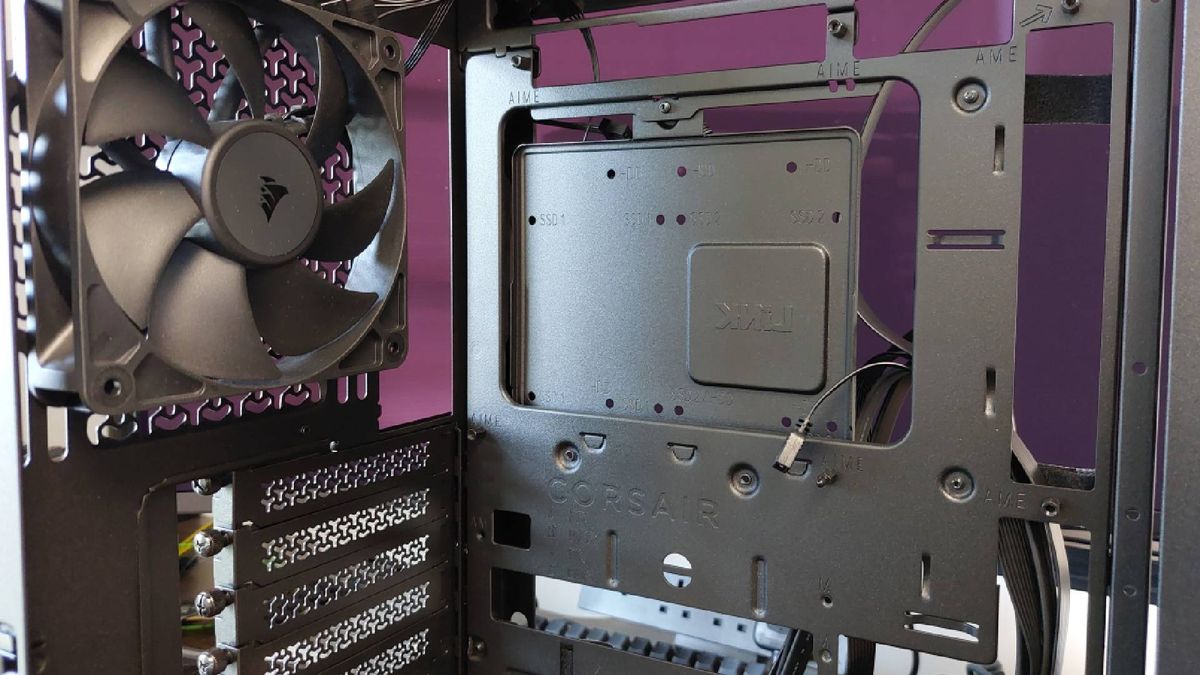
Internally, the chassis accommodates Mini-ITX, Micro-ATX, ATX, and E-ATX motherboards. Builders can choose between standard steel motherboard trays or the ultra-sturdy, premium Elite motherboard tray paired with RapidRoute 2.0 cable management channels. However, the sheer abundance of removable, customizable panels can occasionally backfire for scatter-brained builders. In a memorable administrative snafu during the build process, the reviewer mistakenly removed the entire PCI backplate structure—a piece designed to be disassembled incrementally by unscrewing only the specific slats needed for a graphics card. This error necessitated partially disassembling both the PSU shroud and the motherboard to re-secure the backplate, serving as a cautionary tale for future builders.

Phase 3: Cooling, Clearance, and Cable Management Hell
Space management within the Frame 4000X is generous. The chassis easily accommodates a 360mm liquid cooling radiator mounted at the top, alongside a secondary 360mm radiator up front. Corsair’s Infinirail system simplifies the adjustment of internal support brackets to fit complex, custom loop cooling layouts. Additionally, the case features a height-adjustable anti-sag bracket for beefy modern GPUs, though smaller form-factor graphics cards leave this feature underutilized.
Cable management, however, proved to be a double-edged sword. While the rear compartment is well-equipped with velcro straps and routing cutouts, being restricted to thick, stiff braided power supply cables transformed closing the rear panel into a test of brute-force patience.
Supporting Context & Metrics: Ecosystem Economics and Specifications
To fully understand the Frame 4000X, one must analyze it not merely as a standalone chassis, but as an entry point into a broader hardware ecosystem.
- Base Cost and Expansion: Purchasing the base chassis alongside customized faceplates, alternative trays, and accessories quickly brings the total investment to approximately $170. While this positions it above budget-tier enclosures, it reflects the cost of high-end modular engineering.
- Alternative Configurations: For builders seeking a different starting point, the standard Corsair Frame 4000D modular mid-tower case can be acquired for around $130 (with special variants like the Vault Series Metallic Purple edition offering distinct visual flair right out of the box).
- Accessory Pricing: Specialized additions—such as the Xeneon Edge 14.5-inch LCD Touchscreen side panel module—command a premium price tag of roughly $200, meaning fully customized ecosystem builds can escalate rapidly in price.
- Component Clearance: The mid-tower architecture supports comprehensive cooling arrays, multi-GPU setups, and extensive cable routing channels, making it versatile enough for high-end gaming rigs and professional workstation builds alike.
Official Statements and Industry Insights
Corsair’s design philosophy behind the Frame series centers on user empowerment and lifecycle longevity. By decoupling the outer skin from the structural skeleton, the company aims to reduce electronic waste; rather than buying an entirely new case when aesthetic trends shift, users can simply swap out panels, faceplates, and I/O modules.
Industry analysts note that modularity is becoming a defining trend in the PC hardware space, as manufacturers seek to capture revenue through proprietary ecosystems of cosmetic and functional accessories. However, hardware reviewers emphasize that manufacturers must balance infinite customizability with out-of-the-box user-friendliness, particularly when it comes to instruction manuals.
A notable point of friction during the build was Corsair’s reliance on digital manuals accessed via QR codes. While environmentally conscious, scrolling through digital documentation on a mobile device while simultaneously wrestling with physical PC components proved to be a frequent annoyance compared to traditional, tactile paper booklets.
Future Outlook: Where Modular PC Cases Go From Here
The Corsair Frame 4000X represents a compelling evolutionary step for mid-tower design. It successfully democratizes the process of customizing a PC’s exterior silhouette without compromising structural integrity or thermal performance.
Looking forward, the success of Corsair’s modular ecosystem will hinge on two primary factors:
- Colorway and Material Expansion: Currently, side panels and core structural components remain largely restricted to standard black and white colorways. Broadening the palette to include industrial raw metals, pastels, and wood-finish variants will be crucial for satisfying enthusiast demands.
- Pricing Accessibility: As modular accessories add up, keeping the barrier to entry manageable will determine whether modular cases become mainstream staples or remain niche luxury items.
Despite minor headaches regarding cable stiffness, digital-only manuals, and architectural over-complication, the Frame 4000X succeeds in its core mission: giving builders the tools to craft a machine that is uniquely their own. For builders willing to embrace the modular mindset—and exercise patience with their cable routing—the Frame series offers a tantalizing glimpse into the future of bespoke PC construction.









Belum ada komentar. Jadilah yang pertama berkomentar!