

Executive Overview
As the crisp autumn winds sweep across the Japanese archipelago and temperatures begin their inevitable descent, the country’s ubiquitous network of vending machines is preparing for its seasonal transition. For decades, these automated kiosks have been a reliable sanctuary against the cold, offering piping-hot cans of green tea, black coffee, and sweet red bean soup to commuters and pedestrians alike. However, the autumn/winter lineup of 2026 is poised to shatter conventional expectations of on-the-go convenience food.
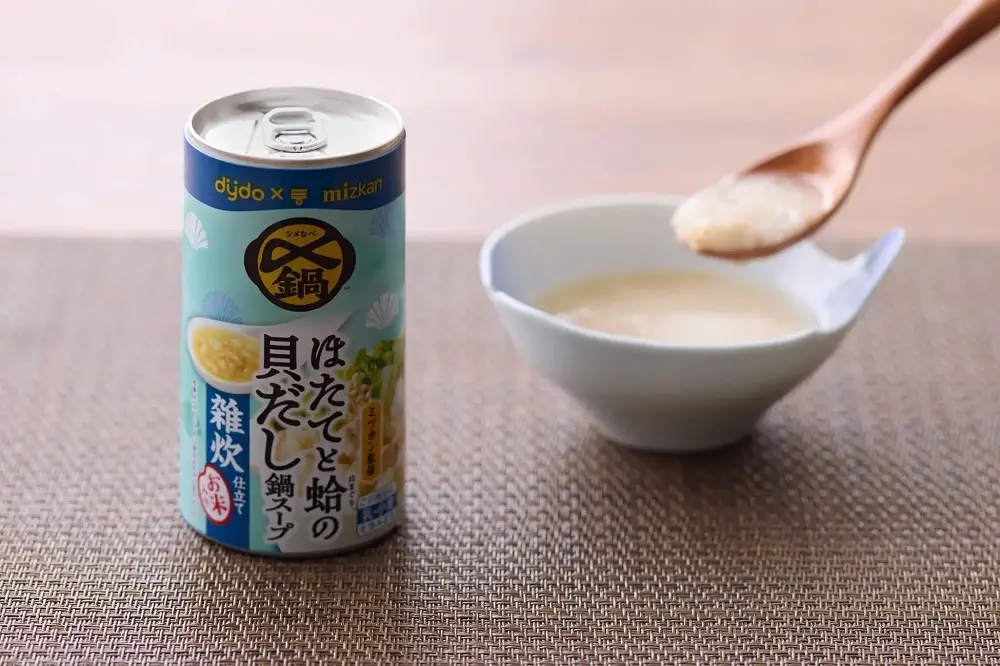
In a novel collaboration that bridges the gap between home-cooked comfort and rapid urban consumption, beverage manufacturer Dydo has teamed up with culinary giant Mizkan to introduce ready-to-drink canned Japanese hot pot (nabe).
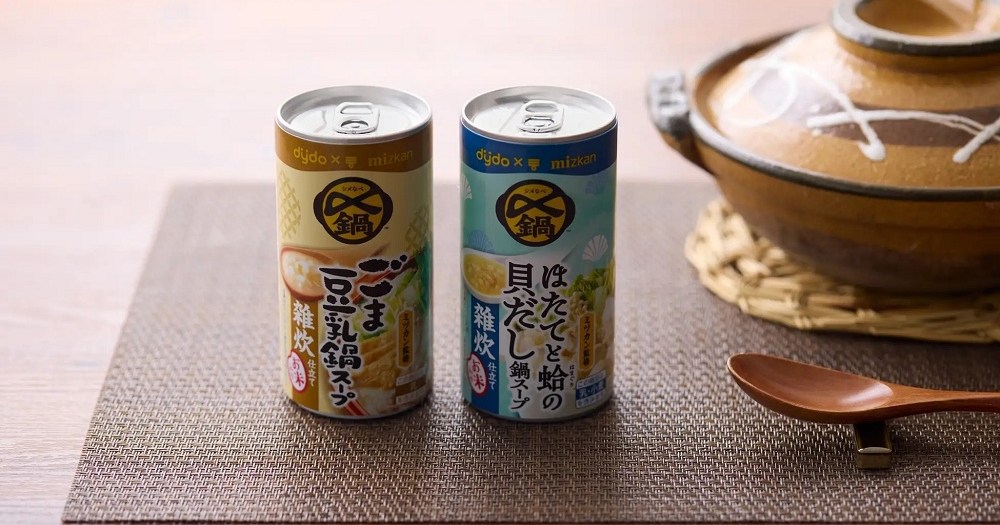
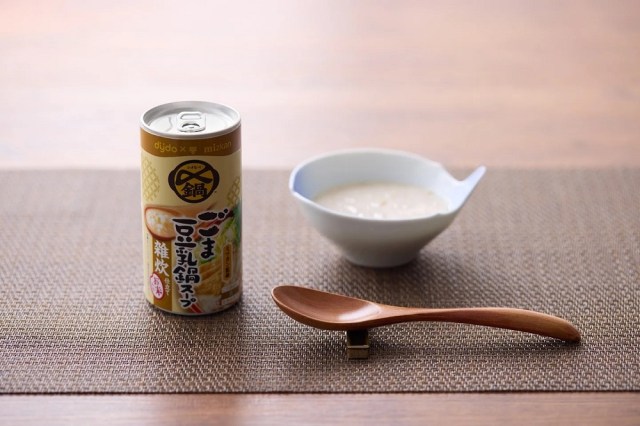
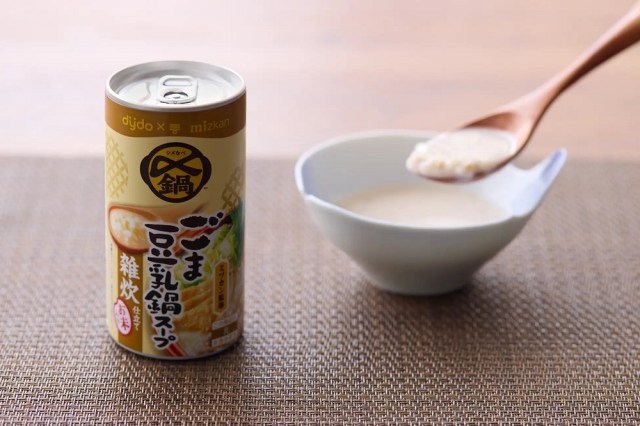
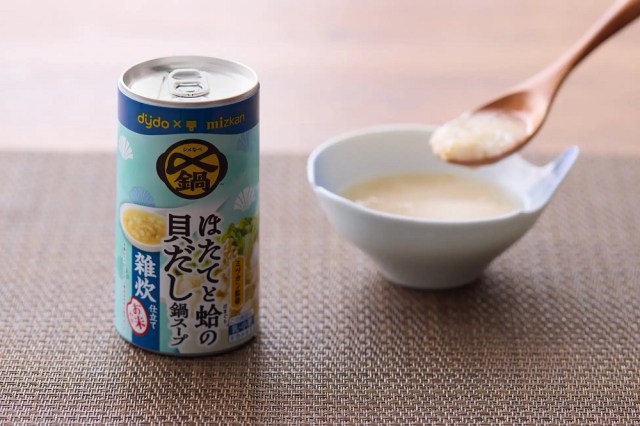
Officially launching across Dydo vending machines and select retail channels on October 26, this unorthodox product line adapts Mizkan’s wildly popular Shimenabe (hot pot base) brand into portable, sippable cans priced at an accessible 160 yen (approximately $1.00 USD). Available in two distinct, rich flavor profiles—Goma Tonyu (Sesame Soy Milk) and Hotate and Hamaguri (Scallops and Clam)—these warm broths are not merely liquids; they are prepared zosui-style, meaning they incorporate grains of rice to stave off both hunger and chills.
While promotional imagery often depicts the contents elegantly poured into bowls and garnished with spoons, these cans are explicitly engineered for the sidewalk: designed to be cracked open and sipped directly on the move. This development marks a fascinating evolution in Japanese convenience culture, signaling a blurring of lines between traditional sit-down dining and hyper-mobile street sustenance.
Detailed Chronology
The journey from a home-style dinner staple to a handheld, coin-operated beverage did not happen overnight. The convergence of Dydo’s vending machine infrastructure and Mizkan’s flavor science represents months of behind-the-scenes product development, market strategizing, and logistical alignment.
Phase 1: Conceptualization and Brand Synergy (Early 2026)
The partnership began as an exploratory venture between Dydo, a company renowned for its innovative and occasionally eccentric vending machine product lines, and Mizkan, a household name in Japanese condiments and soup bases. Mizkan’s Shimenabe line is traditionally utilized by families and home cooks who want to elevate their winter dinner tables with complex, slow-simmered broths.
Executives from both companies identified a distinct gap in the burgeoning "warm beverage market." While canned corn soup (potage) has long been a staple of Japanese winter vending machines—complete with pull-tabs designed to catch stray kernels of corn—no brand had successfully captured the complex, savory, and culturally significant profile of a Japanese hot pot (nabe). The challenge lay in translating a communal, multi-ingredient dinner dish into a homogenous, fluid format that could remain heated in a vending machine for hours without degrading in quality or flavor.
Phase 2: Formulation and R&D (Spring–Summer 2026)
By the middle of the year, food scientists at Mizkan and beverage engineers at Dydo had finalized the two primary formulations:
- The Sesame Soy Milk (Goma Tonyu) Variation: Designed to offer a rich, creamy, and deeply comforting mouthfeel, this recipe utilizes a robust chicken and vegetable stock foundation blended with ground sesame and soy milk. The formulation had to be carefully balanced to prevent the soy solids from separating or scorching under the constant, low-heat conditions of a vending machine heating rack.
- The Seafood (Hotate and Hamaguri) Variation: Aimed at lovers of oceanic umami, this recipe relies on a delicate fish-based dashi enhanced with concentrated extracts of scallops (hotate) and hard clams (hamaguri).
Crucially, both recipes were adapted to include soft rice grains (zosui style). This technical hurdle required engineering a grain of rice that could sit inside a hot, acidic or neutral broth for extended periods without turning completely to mush, while still remaining small and soft enough to pass smoothly through a standard beverage can opening without requiring a spoon.
Phase 3: Final Production and Launch Announcement (September 2026)
Following successful taste tests and stress-testing of the can linings to withstand prolonged thermal exposure, the official announcement was dropped in September 2026. PR materials released via PR Times immediately captured the public imagination, sparking viral debates across social media platforms regarding whether the product should be linguistically categorized as a "hot pot" or simply a "hot can." With a confirmed release date of October 26, manufacturing plants ramped up production to stock thousands of machines nationwide ahead of the deep winter freeze.
Supporting Context & Metrics
To fully appreciate the cultural impact of canned hot pot, one must examine the unique ecosystem of Japan’s vending machine industry and the deep culinary significance of nabe in Japanese society.
The Japanese Vending Machine Phenomenon
Japan boasts one of the highest densities of vending machines in the world, with roughly one machine for every 30 residents. Operated primarily by beverage giants like Coca-Cola, Suntory, Ito En, and Dydo, these machines are marvels of thermal engineering. Unlike standard Western soda machines, Japanese variants feature dual-temperature systems:
- The Red Buttons (Hot): Maintained via internal heating elements that keep canned and bottled beverages at a comforting 55°C to 60°C (131°F to 140°F).
- The Blue Buttons (Cold): Refrigerated to crisp, refreshing temperatures.
Dydo, in particular, has carved out a niche for itself by specializing in quirky, functional, and niche beverages—ranging from specialized working-class coffees to functional health drinks. Venturing into canned meal-replacements is a calculated risk that taps into Japan’s relentless pace of urban life, where quick, nutrient-dense warmth is deeply valued by salarymen, students, and night-shift workers.
The Cultural Weight of Nabe
In Japanese culinary culture, nabe is more than just food; it is an emotional touchstone. Traditionally associated with the coldest months of the year, hot pot is a communal dining experience where family and friends gather around a single clay pot bubbling on a portable stove, cooking meats, seafood, and vegetables together.
The term shimenabe specifically refers to the final stage of a hot pot meal, where leftover rice or noodles are added to the concentrated, umami-rich broth to absorb every last drop of flavor. By incorporating the zosui (rice soup) element directly into the can, Dydo and Mizkan are packaging this culturally cherished culinary crescendo into a form factor suited for solitary, on-the-go consumption.
Economic Accessibility
At 160 yen (approx. $1.00 USD), the canned hot pot is priced identically to premium canned coffees and seasonal soups currently dominating the market. In an era marked by global inflationary pressures and rising food costs, this price point ensures that the product remains an impulse buy rather than a luxury item, accessible to anyone with loose change in their pocket.
Official Statements
While corporate press releases often lean heavily into marketing hyperbole, the messaging surrounding the Dydo-Mizkan collaboration emphasizes culinary authenticity and functional comfort.
In a joint statement released by Dydo and Mizkan via PR Times, representatives highlighted the bridging of two distinct culinary worlds:
"We wanted to deliver the unmistakable, soul-warming comfort of a home-cooked winter dinner to people who are constantly on the move. By leveraging Mizkan’s decades of expertise in crafting beloved regional and family-style soup bases, alongside Dydo’s unmatched network of thermal-regulated vending machines, we have created a product that defies expectations. These are not merely drinks; they are portable meals designed to nourish both the body and the spirit during Japan’s coldest months."
Food technologists involved in the project also addressed the technical challenges of the formulation:
"Balancing the viscosity of the sesame soy milk stock while ensuring the rice grains retained an appealing texture was a formidable engineering task. Consumers will find that the depth of flavor—whether they choose the rich, nutty warmth of the Goma Tonyu or the clean, oceanic punch of the Hotate and Hamaguri—mirrors the quality of a meal prepared from scratch in a home kitchen."
Future Outlook
The launch of canned Shimenabe hot pot on October 26 is more than a seasonal marketing stunt; it serves as a bellwether for the future of convenience store and vending machine gastronomy in Japan.
Market Potential and Expansion
If consumer adoption matches the early viral enthusiasm seen on social media platforms like X (formerly Twitter) and Facebook, industry analysts expect to see an immediate expansion of the product line. Should the initial two flavors prove commercially viable, future iterations could include regional nabe variations unique to Japan’s prefectures—such as Hokkaido-style miso butter corn hot pot or Fukuoka-inspired pork bone (tonkotsu) broth. Furthermore, similar partnerships between traditional food brands and beverage distributors could pave the way for other solid-liquid hybrid snacks, such as canned stews, curries, and regional Japanese soups.
Changing Consumer Habits
As urban demographics shift and single-person households become increasingly common in Japan, the traditional communal hot pot dinner is seeing structural declines in home cooking frequency. Products like Dydo’s canned zosui provide a micro-dose of traditional comfort food tailored to the modern, independent consumer. It bypasses the need for grocery shopping, chopping vegetables, or washing up a communal clay pot, offering instant gratification with zero friction.
Global Curiosity
While current distribution plans are strictly domestic, Japanese vending machine culture has a massive global following. Travel vloggers and culinary tourists routinely document the eccentricities of Japan’s automated retail landscape. It is entirely possible that successful domestic sales could eventually spark international interest, leading to export-friendly non-heated or shelf-stable iterations for specialty Asian grocery markets abroad.
As October 26 approaches, commuters across Japan would do well to check their local Dydo machine. When the autumn chill truly sets in, the promise of a hot, savory, rice-infused bowl of nabe—dispensed directly from a glowing metal cylinder on a street corner—will undoubtedly redefine what it means to grab a "warm drink" on the go.








Belum ada komentar. Jadilah yang pertama berkomentar!