

Executive Overview
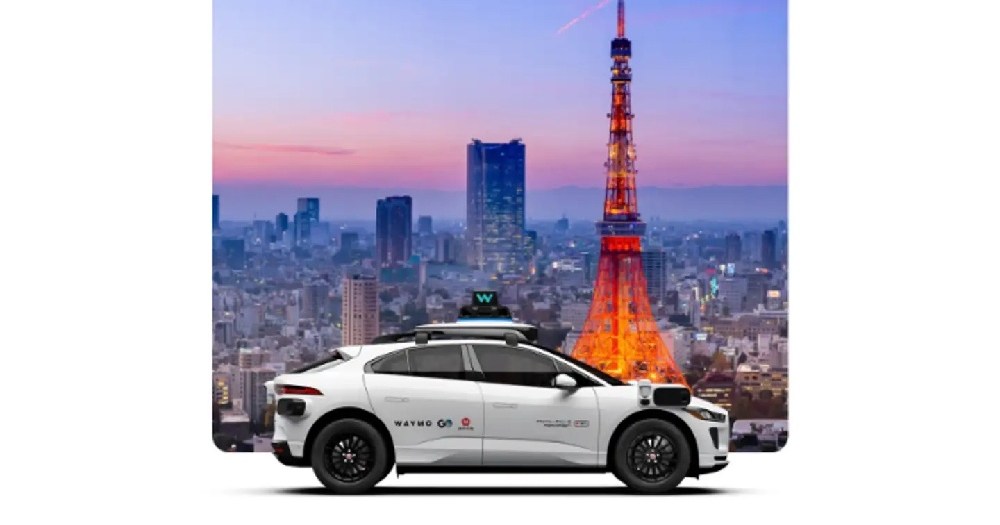
The global race toward autonomous mobility has officially set its sights on one of the world’s most formidable urban landscapes: Tokyo. Alphabet-backed autonomous driving pioneer Waymo has announced its intention to introduce a fleet of fully self-driving, unmanned taxis to the streets of Japan’s sprawling capital by 2027.
This ambitious initiative is the result of a strategic partnership forged last year between Waymo, leading Japanese taxi operator Nihon Kotsu, and Go—the widely used Japanese taxi-hailing application partially owned by Nihon Kotsu. Over the past twelve months, the consortium has quietly conducted rigorous on-road testing of Waymo’s autonomous vehicles across Tokyo, utilizing safety drivers behind the wheel to monitor performance and intervene when necessary. Now, emboldened by data gathered from these trials, the companies are preparing for the monumental transition to driverless commercial deployment.
However, the road ahead is fraught with unique hurdles. Japan has historically resisted Western-style ride-sharing platforms, relying instead on a world-class public transit infrastructure and a tightly regulated traditional taxi industry. Furthermore, Tokyo’s notoriously complex road network—characterized by congested arterial thoroughfares, winding backstreets, and a high volume of irregularly shaped, uncontrolled intersections—presents a formidable technical challenge for autonomous navigation software.
Beyond technological and regulatory hurdles lies a deeper, more strategic question: Do Tokyoites even want driverless cabs? With hyper-reliable trains, subways, and buses weaving seamlessly through the metropolis, traditional taxis are primarily viewed as a luxury service or a late-night alternative to walking. Consequently, Waymo’s venture into Tokyo may not be driven by immediate consumer demand for novelty, but rather by an impending labor crisis. Japan’s professional driving workforce is rapidly aging, and the taxi industry is facing a severe shortage of human drivers. By introducing autonomous fleets now, Waymo and Nihon Kotsu are positioning themselves not merely to disrupt the market, but to ensure its survival.
Detailed Chronology: From Partnership to the 2027 Tokyo Launch
The path toward a driverless Tokyo has been meticulously paved over several years, marked by key milestones in cross-border technological cooperation.
Phase 1: The Foundation and Strategic Partnership (2025)
The groundwork for Waymo’s entry into the Japanese market was laid when U.S. executives met with representatives from Nihon Kotsu and Go. Recognizing that a direct, independent rollout would face insurmountable regulatory and cultural roadblocks, Waymo opted for a collaborative approach. By partnering with Nihon Kotsu—one of Japan’s oldest and most prestigious taxi firms—and integrating with the Go app, Waymo gained instant credibility, regulatory insight, and access to an established dispatch ecosystem.
Phase 2: On-Road Testing and Mapping (2025–2026)
Throughout the past year, modified Waymo vehicles have become an increasingly familiar sight in select districts of Tokyo. These vehicles have been operating under strict supervisory protocols. Every test vehicle features a trained Nihon Kotsu driver in the driver’s seat, ready to take over manual control at a moment’s notice. This phase has been crucial for gathering localized mapping data, teaching the autonomous system how to interact with unpredictable pedestrian behavior, narrow alleyways, and the distinct traffic etiquette of Japanese motorists.
Phase 3: Transition to Unmanned Trials (Late 2026–Early 2027)
As testing progresses, the consortium is preparing to scale down human intervention. The upcoming phase will involve moving from safety-driver-assisted trials to limited remote-monitored, unmanned testing in controlled zones. Companies are working closely with municipal authorities and the Japanese Ministry of Land, Infrastructure, Transport and Tourism (MLIT) to secure the necessary permits for commercial driverless operations.
Phase 4: Commercial Launch Target (2027)
The ultimate milestone of this multi-phase roadmap is the official commercial launch slated for 2027. The initial rollout will be deliberately modest, targeting an initial fleet size of approximately 100 autonomous vehicles concentrated in key commercial and business districts of Tokyo. This gradual scaling is designed to prioritize safety, build public trust, and iron out any operational inefficiencies before contemplating broader expansion across the Greater Tokyo Area.
Supporting Context & Metrics: The Japanese Mobility Ecosystem
To understand why Waymo’s strategy in Tokyo is so distinct from its operations in Phoenix, San Francisco, or Los Angeles, one must examine the unique socio-economic and infrastructural pillars of Japanese transportation.
The Failure of Ride-Sharing in Japan
Unlike North America and Europe, where platforms like Uber and Lyft revolutionized urban mobility by leveraging private car owners as freelance drivers, Japan largely bypassed the ride-sharing boom.
- Demographics and Vehicle Ownership: In major Japanese urban and suburban centers, owning a private car is viewed as a discretionary luxury rather than a daily necessity, largely due to high parking costs, strict vehicle inspection regulations (shaken), and exceptional public transit access. Consequently, urban car owners rarely fall into an income bracket where they require supplemental income from driving strangers.
- Rural Realities: Conversely, in rural Japan, owning a car is an absolute daily necessity. However, population density in these areas is too low to sustain a vibrant, on-demand ride-sharing economy.
- The Uber Pivot: As a direct result of these market dynamics, Uber’s footprint in Japan is heavily skewed toward food delivery (Uber Eats) rather than passenger transportation.
Tokyo’s Infrastructural Complexity
Operating an autonomous vehicle in Tokyo is vastly different from cruising the grid-like streets of Phoenix. Tokyo’s urban topology presents a punishing testbed for AI perception and planning systems:
- Road Network Density: The city features a dense web of major multi-lane thoroughfares juxtaposed with residential backstreets that often lack sidewalks, forcing pedestrians, cyclists, and cars to share the exact same narrow right-of-way.
- Intersection Architecture: A staggering percentage of Tokyo intersections are uncontrolled or irregularly shaped, lacking standard traffic lights or clear lane markings. Navigating these spaces requires advanced predictive modeling to interpret subtle hand gestures, eye contact, and localized right-of-way etiquette among human road users.
Official Statements and Industry Perspectives
While official press releases from the consortium emphasize innovation, safety, and operational synergy, industry insiders and analysts point to deeper macroeconomic pressures shaping the venture.
In statements released via PR Times regarding the initial partnership, representatives from Nihon Kotsu highlighted the urgent need to embrace cutting-edge technology to maintain service quality. However, the unspoken driver behind the collaboration is the acute demographic crisis facing Japan’s labor market.
"Waymo and Nihon Kotsu might not be looking to launch driverless taxis because they think customers will prefer them to conventional cabs, but as preparation for an expected coming labor shortage that could make it difficult to find and hire enough human drivers."
Japan’s population is aging rapidly, and the professional driving workforce is no exception. Veteran taxi drivers are retiring at an alarming rate, while younger generations are showing little interest in entering an industry known for grueling hours, shift work, and demanding physical labor.
From Waymo’s perspective, establishing a presence in Tokyo now is a long-term play. By entering the market with a trusted local partner like Nihon Kotsu, the company can mitigate consumer skepticism. While a portion of the riding public will inevitably feel uneasy stepping into a driverless vehicle, riders are far more likely to embrace autonomous technology if it bears the branding of a familiar, respected local institution rather than an opaque foreign tech giant.
Future Outlook: Challenges and Opportunities on the Road to 2027
As the 2027 launch window approaches, Waymo, Nihon Kotsu, and Go face a complex balancing act between technological scaling, consumer adoption, and economic viability.
1. The Value Proposition for Consumers
Will Tokyoites actually choose a Waymo cab over a traditional taxi or the world-renowned rail network?
- Pricing Dynamics: Eliminating the human driver lowers operational costs, which theoretically enables lower fares. However, because Tokyo’s trains, subways, and buses are exceptionally cheap, clean, and punctual, traditional taxis are already viewed as a luxury. To entice rail commuters out of the subway and into an autonomous pod, Waymo will likely need to price its services significantly below conventional taxi rates.
- Trip Patterns: Taxi usage in Tokyo typically falls into two categories: short-to-medium hops between downtown commercial hubs, or late-night trips from entertainment districts back to suburban residences (undertaken after train service has ceased for the evening). In both scenarios, rides originate in highly developed, densely populated zones where hailing a traditional cab off the street is rarely difficult. The convenience of summoning a car to a remote suburban doorstep—where autonomous fleets shine brightest in the U.S.—is a far less common use case in Tokyo.
2. Overcoming Cultural and Regulatory Hesitation
Japan’s regulatory bodies, led by the MLIT, are notoriously rigorous when it comes to public safety. While government officials are keen to foster technological innovation to combat the labor shortage, they will not compromise on safety standards. The success of the 2027 rollout hinges entirely on the safety record compiled during the intervening unmanned testing phases.
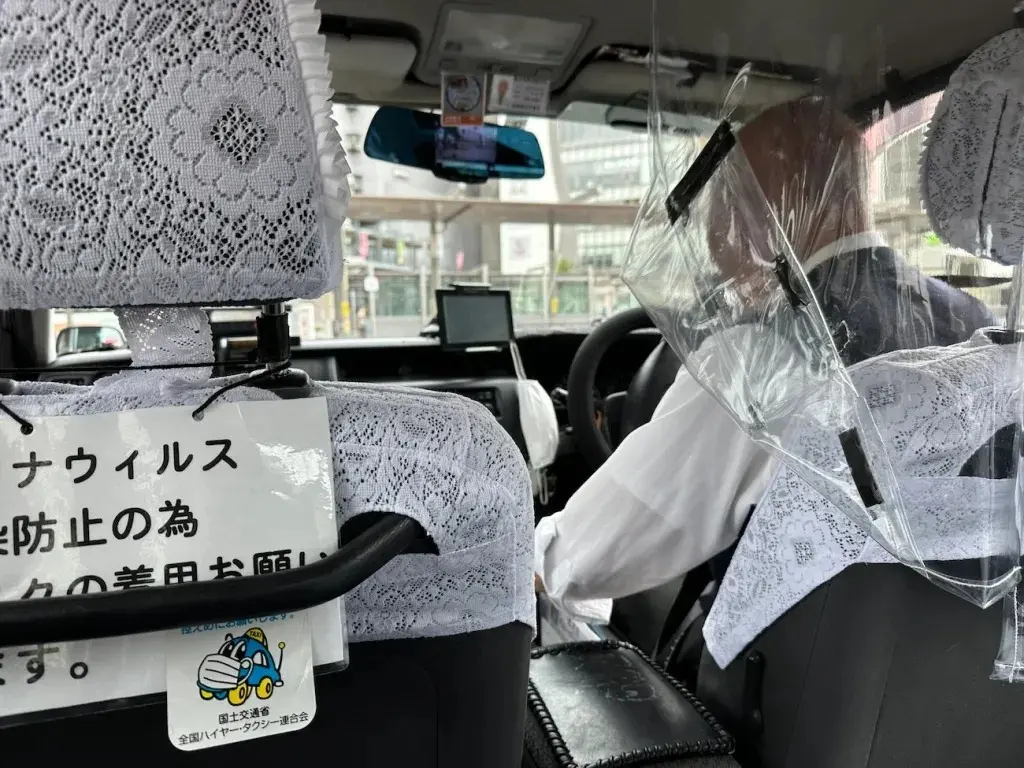
Furthermore, cultural acceptance will play a vital role. Japanese consumers place an extraordinarily high value on polite customer service, immaculate vehicle interiors (complete with the iconic white-gloved drivers and lace seat doilies), and flawless hospitality (omotenashi). Whether a cold, automated sensor suite can replicate the comfort of the traditional Japanese taxi experience remains one of the most intriguing cultural questions of this technological transition.
Conclusion
Waymo’s upcoming foray into Tokyo is much more than a geographical expansion; it is a high-stakes convergence of Silicon Valley autonomy and traditional Japanese transit craftsmanship. By partnering with Nihon Kotsu, Waymo has chosen the smartest path through Japan’s regulatory and cultural maze. Whether driverless cabs become an everyday reality for commuters or simply a specialized tool to plug a widening labor gap, the 2027 rollout will serve as a definitive litmus test for whether fully autonomous mobility can conquer the world’s most sophisticated urban transit ecosystem.







Belum ada komentar. Jadilah yang pertama berkomentar!