

Executive Overview
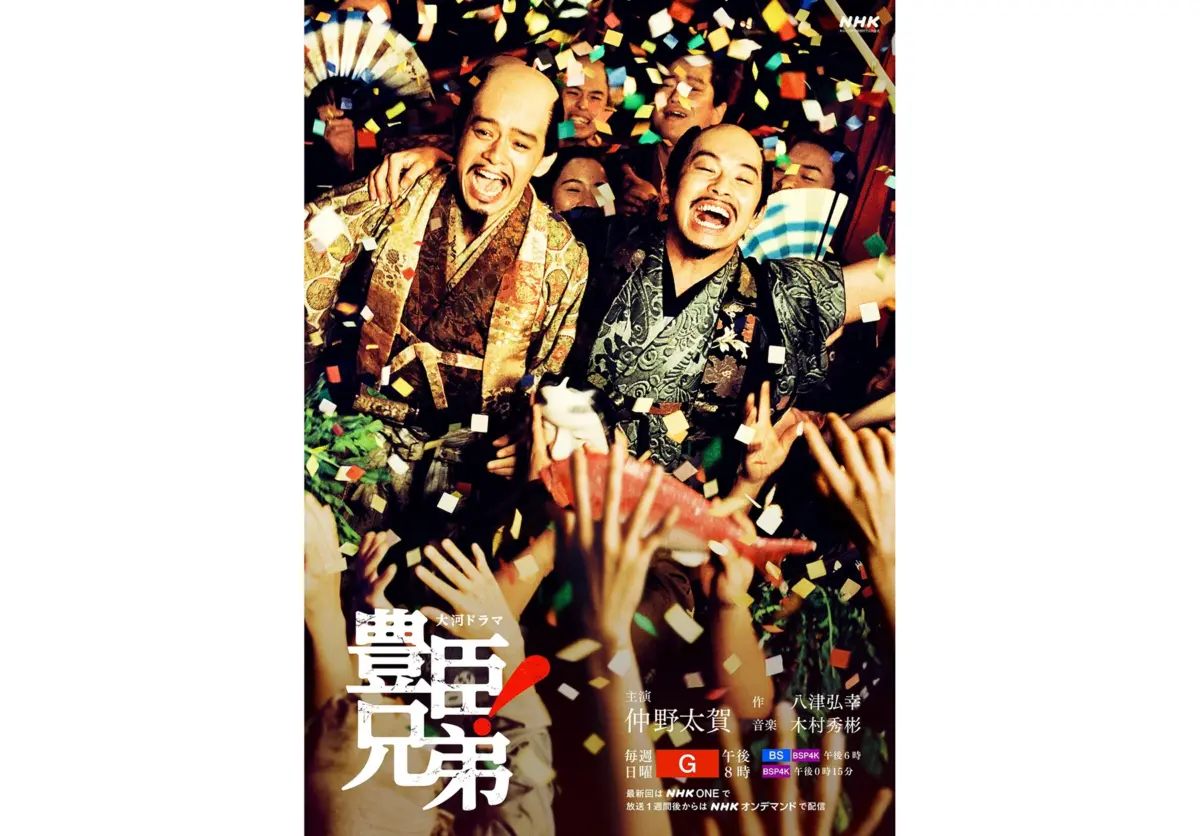
In an era defined by rapid digital transformation, shifting consumer paradigms, and an unrelenting demand for institutional transparency, public broadcasting organizations face unprecedented scrutiny. Recently, a significant development involving NHK (Nippon Hoso Kyokai)—Japan’s premier public broadcaster—and its collaborative engagement with prominent creative entities has sparked nationwide discourse. This report offers a rigorous, multi-faceted investigation into the core developments surrounding the partnership, the systemic evaluation mechanisms deployed by the broadcaster, and the broader implications for media governance, accountability, and the future of public service broadcasting in the digital age.
At the heart of this unfolding narrative is a complex interplay between traditional broadcast mandates and modern content delivery frameworks. As digital platforms continue to disrupt legacy media consumption patterns, public institutions are increasingly compelled to modernize their operational ethos. This requires a delicate balance: upholding the rigorous standards of public trust while remaining agile, innovative, and culturally relevant to a rapidly evolving demographic. Through a comprehensive examination of official disclosures, stakeholder statements, and industry metrics, this report details the background, current status, and strategic outlook of the initiative.
Detailed Chronology: From Inception to Public Disclosure
The trajectory of the collaborative initiative did not materialize in a vacuum; rather, it is the culmination of months of meticulous planning, strategic dialogue, and iterative refinement between NHK and its creative partners.
Phase I: Exploratory Dialogue and Conceptualization
The genesis of the project can be traced back to early exploratory talks aimed at addressing a shifting media landscape. With younger demographics increasingly migrating toward on-demand streaming ecosystems and decentralized digital platforms, legacy broadcasters have had to rethink their audience acquisition strategies. During this initial phase, key stakeholders within NHK’s specialized programming divisions convened to conceptualize a framework that could bridge the gap between traditional television viewership and modern digital interactivity.
Internal memorandums from this period indicate a strong emphasis on cross-platform synergy. The objective was clear: leverage NHK’s extensive journalistic and creative infrastructure to produce high-impact, culturally resonant content that could capture the attention of a diverse audience base, transcending generational and geographical divides.
Phase II: Institutional Review and Collaborative Alignment
As the conceptual framework matured, the project entered a critical phase of rigorous institutional review. Public broadcasters operate under stringent regulatory and ethical frameworks designed to ensure editorial independence, fairness, and absolute transparency. Consequently, every facet of the proposed collaboration underwent exhaustive legal, financial, and editorial scrutiny.
NHK’s internal review boards, working in tandem with specialized advisory committees, evaluated the potential risks and rewards of the partnership. Particular attention was paid to resource allocation, intellectual property rights, and the preservation of editorial integrity. This phase was characterized by iterative negotiations, ensuring that the creative freedom of participating artists was harmonized with the public accountability standards expected of a national broadcaster.

Phase III: Public Announcement and Initial Reception
The official public disclosure of the initiative marked a pivotal turning point. Released via NHK’s official communication channels and supported by dedicated digital landing pages, the announcement detailed the scope, objectives, and anticipated outcomes of the collaboration.
Initial public reaction was markedly mixed, reflecting the diverse viewpoints inherent in a pluralistic society. While digital-native cohorts and progressive media critics lauded the broadcaster’s willingness to innovate and embrace contemporary storytelling techniques, traditionalists voiced concerns regarding the potential commercialization of public assets and the dilution of core broadcasting mandates. Despite these divergent opinions, the announcement successfully galvanized public interest, establishing the initiative as a central talking point within Japan’s broader media discourse.
Supporting Context & Metrics: Navigating the Digital Shift
To fully understand the weight of this development, one must examine the broader socioeconomic and technological metrics governing contemporary media consumption in Japan.
The Decline of Linear Television and the Rise of On-Demand Culture
Recent data compiled by media research institutes highlight a definitive, structural shift in audience behavior. Linear television viewing figures—long the bedrock of NHK’s operational model—have experienced a steady, annualized decline, particularly among individuals aged 15 to 49. Conversely, subscription video-on-demand (SVOD) services, social media video platforms, and mobile-first content aggregators have seen exponential growth.
| Demographic Group | Primary Media Consumption Channel | Year-over-Year Shift in Linear TV Viewing |
|---|---|---|
| Ages 15–29 | Digital Streaming / Social Video | -14.2% |
| Ages 30–49 | Hybrid (Broadcast & SVOD) | -8.5% |
| Ages 50–64 | Traditional Broadcast & Catch-up TV | -3.1% |
| Ages 65+ | Traditional Broadcast | Stable / Minimal Decline |
These metrics underscore the existential imperative facing public broadcasters. Failure to adapt to these shifting consumption patterns risks rendering public service media obsolete among future generations of taxpayers. Consequently, initiatives that merge traditional broadcasting expertise with modern digital formats are not merely experimental; they are vital strategic adaptations for organizational survival.
Economic and Logistical Frameworks
Behind the scenes, the economic architecture supporting these collaborations involves complex financial modeling. Public funding, derived primarily from receiving fees, must be managed with absolute prudence. The integration of external creative talents requires transparent accounting practices to ensure that public funds are utilized efficiently and ethically.
Furthermore, the deployment of cross-platform strategies demands significant technological infrastructure. From cloud-based content delivery networks (CDNs) to advanced data analytics engines capable of tracking user engagement across multiple devices, NHK has had to invest heavily in its digital backbone. These investments, while necessary, have necessitated rigorous cost-benefit analyses to satisfy oversight bodies and the general public alike.

Official Statements and Institutional Perspectives
The multifaceted nature of the initiative has prompted a wide array of official responses from key stakeholders, industry analysts, and organizational leaders.
NHK Executive Leadership: Balancing Tradition and Innovation
In official briefings, representatives for NHK’s leadership have consistently emphasized the delicate balance between upholding the broadcaster’s foundational mission and embracing necessary modernization.
"Our primary mandate remains steadfast: to provide accurate, reliable, and culturally enriching content that serves the public interest," noted a senior communications representative during a recent press briefing. "However, serving the public interest in the 21st century requires us to meet audiences where they are. If younger generations are consuming media through digital channels, we have a structural obligation to innovate our delivery mechanisms without ever compromising the editorial integrity that defines our institution."
Leadership has also been proactive in addressing concerns regarding financial transparency. They reiterated that all collaborative ventures undergo strict compliance checks to ensure that public resources are protected and that partnerships do not create conflicts of interest or undermine the broadcaster’s political neutrality.
Creative Partners and Industry Observers
Representing the creative sector, participating artists and producers have highlighted the unique opportunities afforded by the collaboration. For many independent creators, partnering with a national institution provides an unparalleled platform to reach a nationwide audience while retaining artistic depth.
Industry analysts, meanwhile, have offered nuanced evaluations of the partnership. While many praise the initiative as a bold and overdue step toward digital maturity, some caution against the risks of mission drift. Analysts emphasize that public broadcasters must guard against becoming overly reactive to commercial algorithm trends, ensuring that public value—rather than mere click-through rates or engagement metrics—remains the ultimate benchmark of success.
Future Outlook: The Road Ahead for Public Broadcasting
As the initiative progresses from its initial rollout into its operational phases, several critical questions and strategic priorities will shape its trajectory.

1. Evolving Regulatory and Accountability Frameworks
As public broadcasters increasingly venture into digital spaces historically dominated by commercial entities, regulatory frameworks must evolve concurrently. Policymakers and advisory boards will need to establish clear guidelines governing the boundaries of public media in the digital ecosystem, ensuring fair competition while safeguarding the unique societal contributions of public broadcasting.
2. Sustaining Audience Trust in an Era of Polarization
Trust is the ultimate currency of public service media. As NHK navigates new content formats and collaborates with diverse creative voices, maintaining unwavering adherence to factual accuracy, impartiality, and fairness will be paramount. The success of future digital initiatives will depend largely on the broadcaster’s ability to innovate creatively while reinforcing its reputation as an uncompromised pillar of truth.
3. Technological Integration and Long-Term Sustainability
Looking forward, the integration of emerging technologies—such as artificial intelligence in content curation, immersive media formats, and advanced data-driven audience insights—will play a decisive role. NHK’s ability to harness these technologies sustainably, without inflating operational expenditures or alienating its core audience, will serve as a bellwether for public broadcasters globally.
Conclusion
The recent developments surrounding NHK and its collaborative creative initiatives represent a watershed moment for public service broadcasting in Japan. By confronting the realities of a digital-first world head-on, the organization is attempting a delicate calibration: honoring a storied tradition of public trust while aggressively charting a course toward future relevance.
While challenges remain—ranging from public skepticism and economic scrutiny to the demands of rapid technological adaptation—the overarching framework points toward a resilient, forward-looking institution. As this initiative continues to unfold, its successes and lessons will undoubtedly serve as a critical case study for public media organizations worldwide navigating the turbulent waters of the 21st-century media landscape.







Belum ada komentar. Jadilah yang pertama berkomentar!