Nestled amidst the rugged, windswept terrain of Abashiri, Hokkaido, the Abashiri Prison Museum (博物館網走監獄, Hakubutsukan Abashiri Kangoku) stands as an architectural marvel, an open-air historical archive, and a sobering monument to Japan’s Meiji-era modernization. Far more than a mere repository of antiquities, this expansive museum preserves the original structures of the notorious old Abashiri Prison, meticulously relocated and reassembled to offer an unvarnished look into the grueling penal labor that forged Hokkaido’s early infrastructure.
Spanning a park-like campus that houses four distinct structures designated as Important Cultural Properties of Japan—including the world’s oldest radial cell block—the museum bridges the gap between grim historical reality and modern popular culture. Propelled into contemporary global consciousness through classic cinematic masterworks and breakout anime franchises like Golden Kamuy, the site attracts historians, architecture enthusiasts, and pop-culture pilgrims alike. This comprehensive investigation examines the historical genesis, architectural significance, structural highlights, and cultural legacy of one of Japan’s most fascinating historical destinations.
Detailed Chronology: From Frontier Penal Colony to Open-Air Historical Archive
To fully comprehend the gravity of the Abashiri Prison Museum, one must trace the geopolitical and infrastructural imperatives that birthed the original penal institution during the late 19th century.
The Meiji Restoration and Hokkaido’s Strategic Imperative
Following the Meiji Restoration of 1868, the new imperial government faced an urgent geopolitical crisis: the northern frontier of Hokkaido remained sparsely populated and vulnerable to potential incursions from Tsarist Russia. Rapid industrialization and territorial integration were matters of absolute national security. To secure the region, the government initiated an ambitious colonization and infrastructure development program.
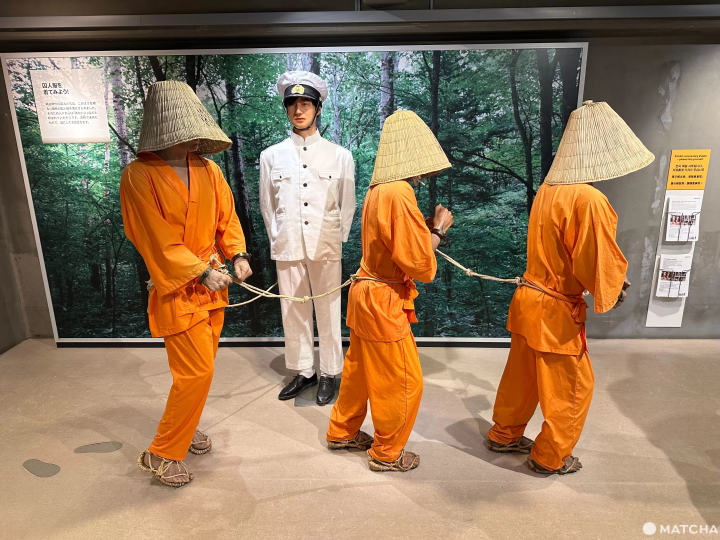
However, building roads, cutting through dense primeval forests, and carving out mountain passes in sub-zero sub-arctic conditions required a massive, expendable labor force. The solution was the establishment of frontier prisons. In 1890, the Abashiri Prison was established as an outpost for serious offenders. These inmates were pressed into brutal, forced hard labor to construct the Chuo Road and connect the isolated eastern coast to the interior.
The Crucible of Hard Labor (1890–1912)
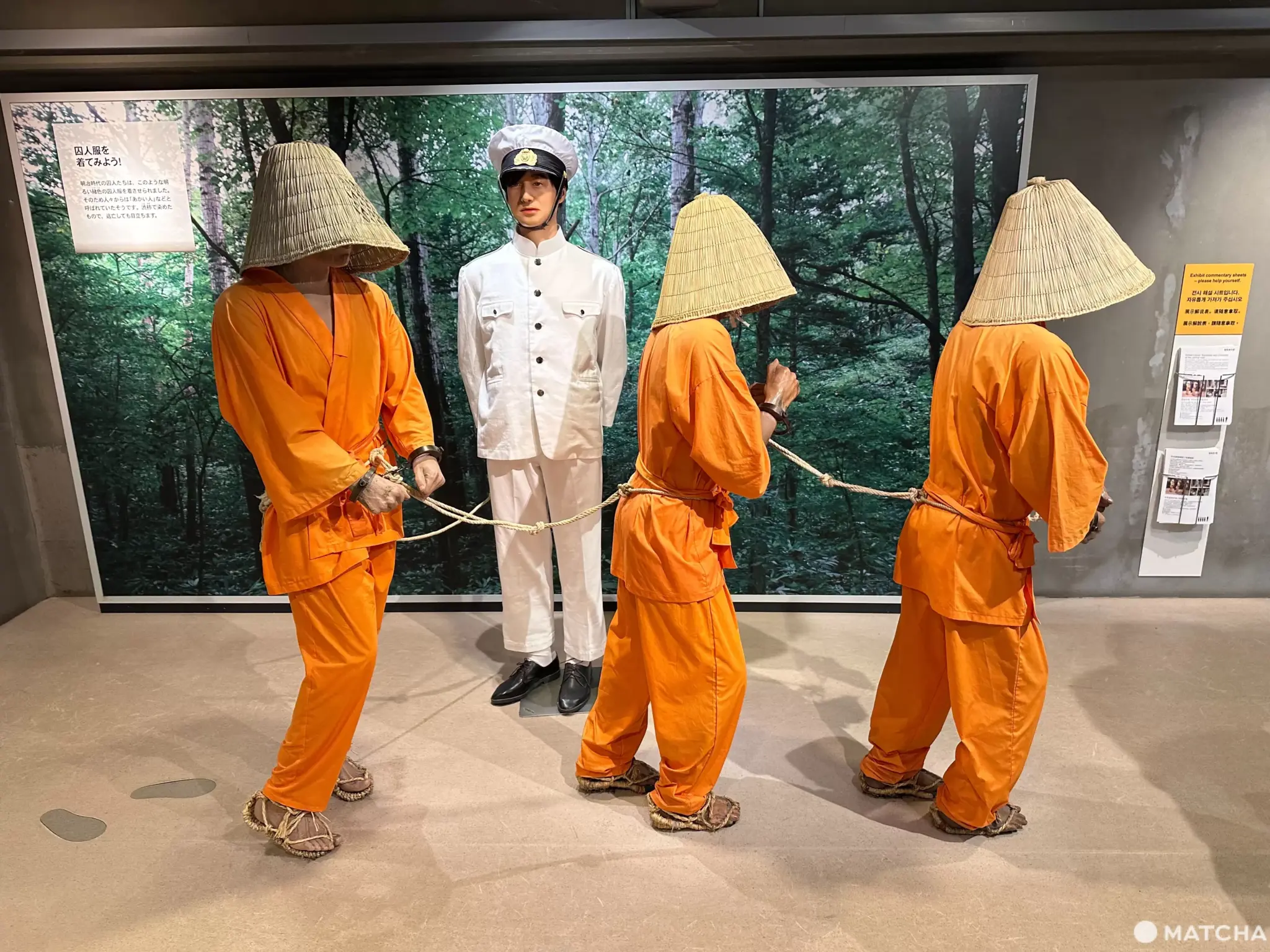
The early years of Abashiri Prison were defined by unimaginable hardship. Inmates labored under brutal conditions during Hokkaido’s notoriously harsh winters, facing deep snow, biting winds, and temperatures plunging far below freezing. Undernourished and overworked, hundreds of prisoners perished from exhaustion, disease, and workplace accidents. They were often buried in unmarked graves near their work sites, earning Abashiri the chilling moniker of "Japan’s harshest prison."
As Japan modernized through the Taisho and Showa eras, the penal system evolved. While the physical demands on inmates shifted away from frontier clearance, the prison maintained its reputation for housing incorrigible offenders and high-security inmates, cementing its mystique in the Japanese cultural psyche.
Transformation into a Museum
As the original wooden facilities aged and modern security protocols demanded contemporary correctional architecture, plans were drawn up to replace the decaying 19th-century buildings. Recognizing their immense historical and architectural value, preservationists intervened. Rather than demolishing these century-old structures, the historic buildings were carefully dismantled, relocated to their current picturesque site overlooking Lake Abashiri, and painstakingly reassembled. In 1983, the Abashiri Prison Museum opened to the public, transforming a site of state-sponsored suffering into an educational sanctuary dedicated to preserving the memory of Hokkaido’s foundational laborers.
Supporting Context & Metrics: Architecture and Operations
The Abashiri Prison Museum operates on a grand scale, integrating historic preservation with visitor accessibility. The following metrics and structural categorizations define the scope of the institution:
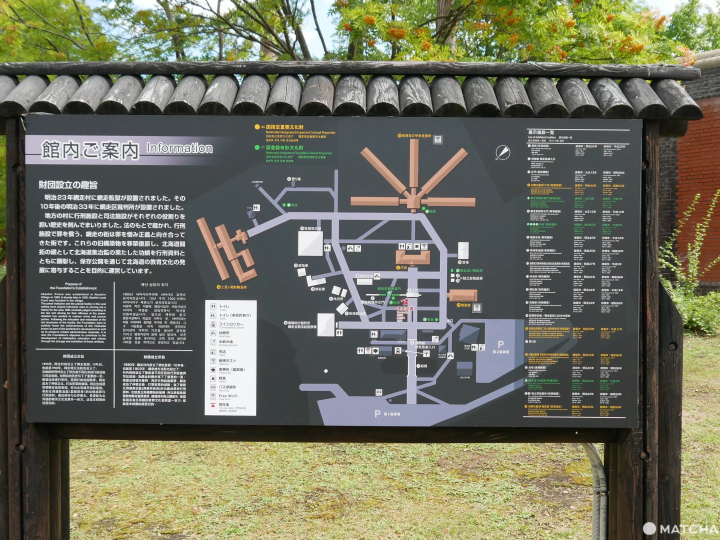
Total Campus Area & Layout: Spanning a sprawling, park-like landscape, the museum features over a dozen preserved or reconstructed historical buildings separated by wide pathways, mirroring the isolation and expansive footprint of a frontier penal colony.
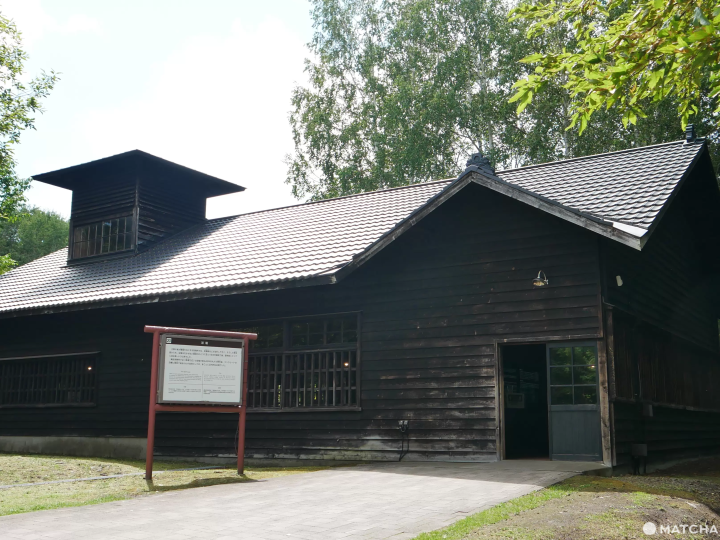
National Designations: Four core structures—the Prison Cell Block and Central Guardhouse, the Main Administration Building, the Lecture Hall, and the Futami-oka Prison Branch—are officially designated as Important Cultural Properties of Japan. Several additional buildings are registered as Tangible Cultural Properties.
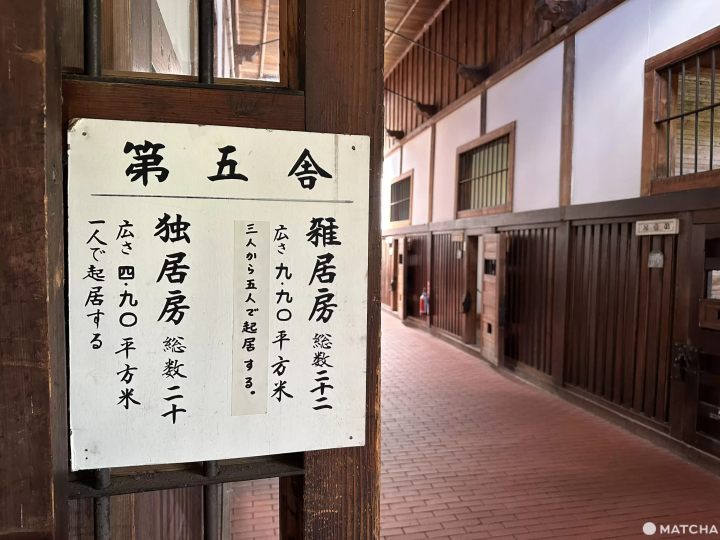
Capacity Metrics of the Five-Wing Radial Block: The iconic radial cell block contains 226 individual cells designed with an original operational capacity of 300 to 400 inmates. However, historical documentation reveals that during peak overcrowding in the Meiji era, the population swelled to approximately 1,000 prisoners, drastically reducing living space per inmate.
Visitor Infrastructure: The facility is equipped with comprehensive visitor amenities, including a large parking lot capable of accommodating up to 400 vehicles, an informative ticket booth, an extensive museum shop offering exclusive prison-themed merchandise, and the operational Prison Cafeteria.
Current Admission Structure:
Adults: 1,500 yen
High School Students: 1,000 yen
Elementary and Junior High Students: 750 yen
Architectural Highlights and Must-See Exhibits
A thorough tour of the museum reveals a complex interplay of Japanese carpentry, imported Western architectural motifs, and nineteenth-century penal engineering.
1. The Reconstructed Red Brick Main Gate
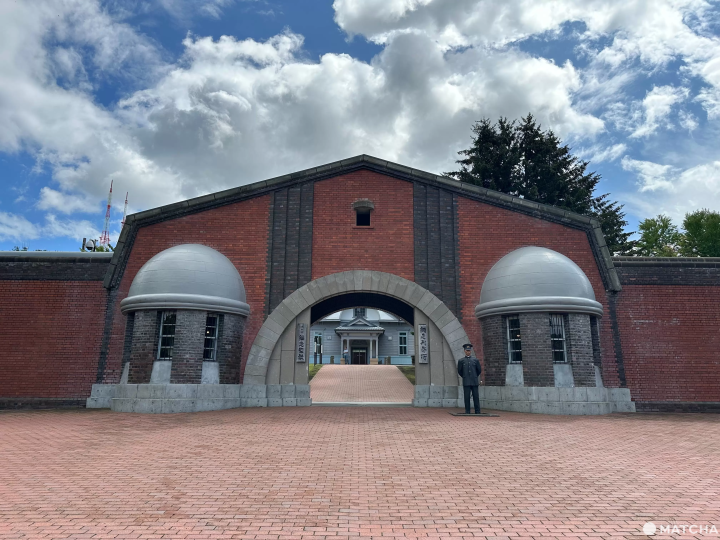
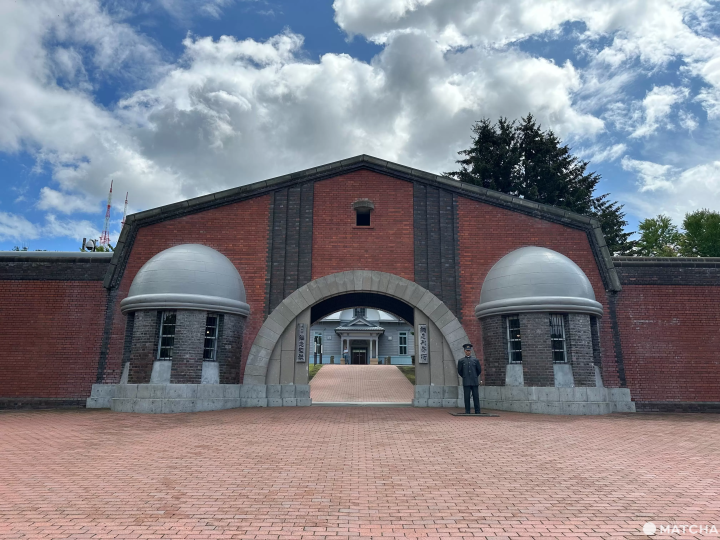
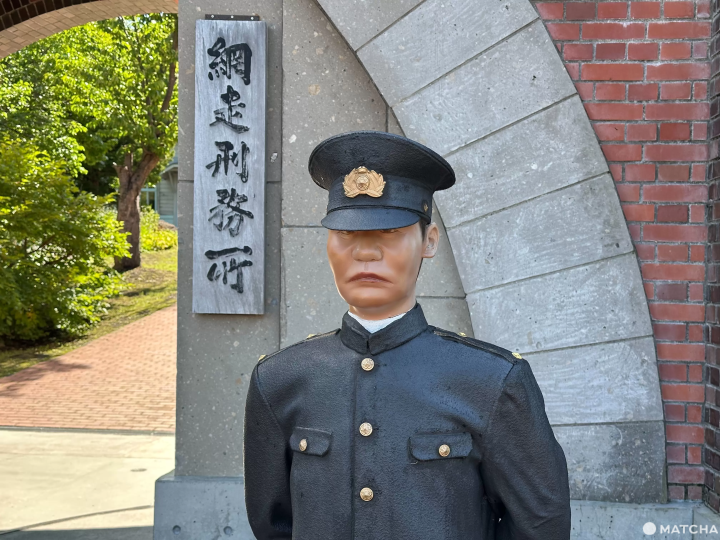
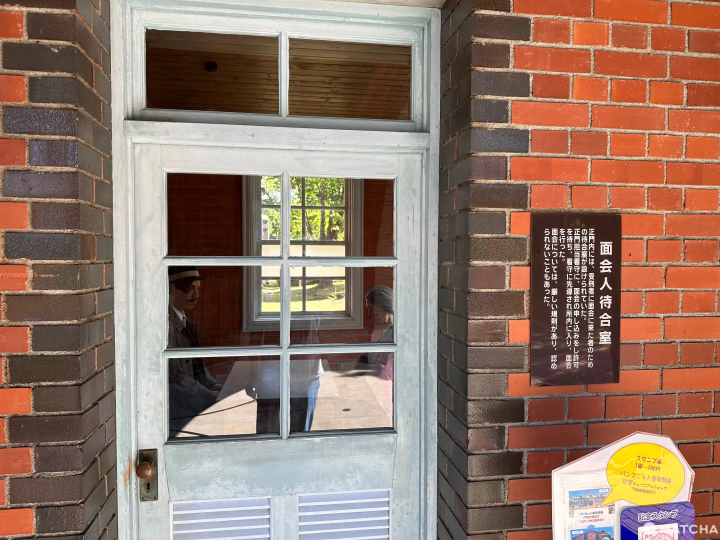
Visitors begin their journey by crossing the Kagami Bridge (Kagami-bashi—literally "Mirror Bridge"), historically named to remind released inmates to reflect upon their past misdeeds before re-entering society. Beyond the bridge stands the imposing Red Brick Main Gate. Recreated to match the entrance still utilized by the active Abashiri Prison, the original gate was constructed brick-by-brick by the inmates themselves. Flanked by guard posts and family waiting rooms featuring lifelike mannequins, the gateway creates an immediate psychological threshold, transporting visitors back to the Meiji period.
2. The Main Administration Building
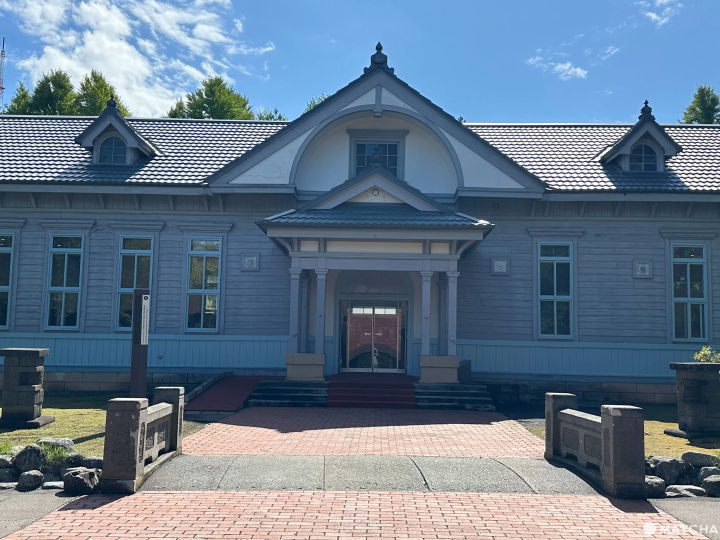
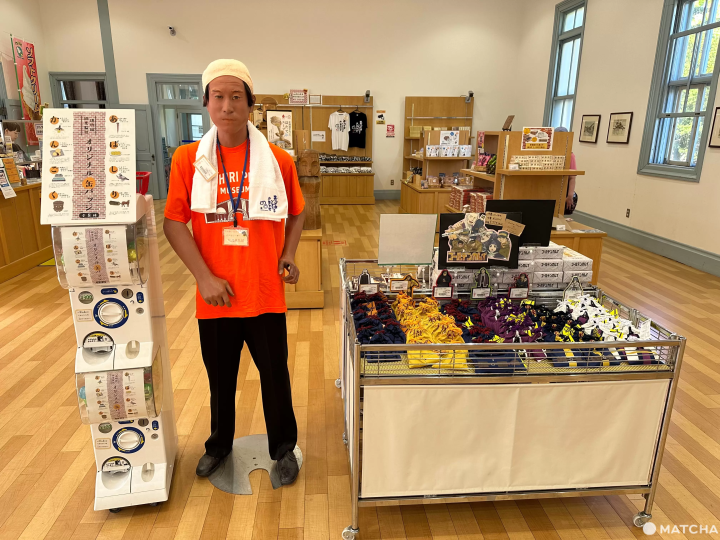
As the administrative nexus of the historic facility, the Main Administration Building showcases a distinctive pseudo-Western architectural style (giyofu-hiki), which seamlessly blends traditional Japanese joinery with European administrative aesthetics. This building housed the warden’s office, security divisions, and general affairs departments. Today, its interior functions as an orientation hub and houses a curated museum shop.
3. The Five-Wing Radial Cell Block (Important Cultural Property)
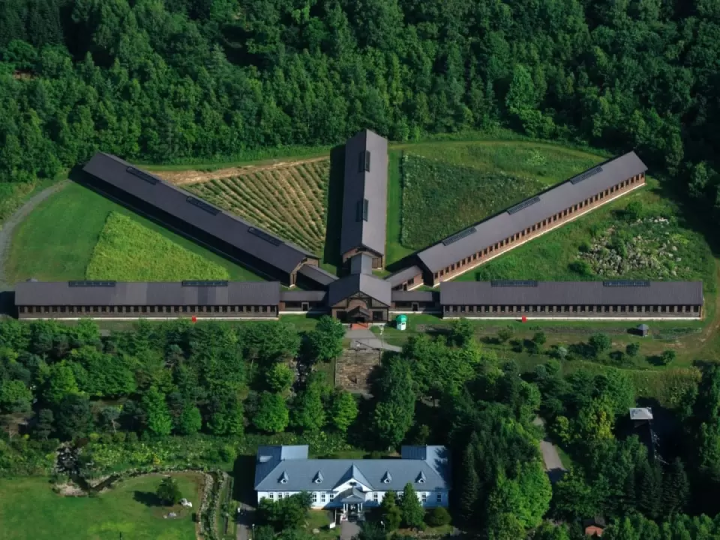
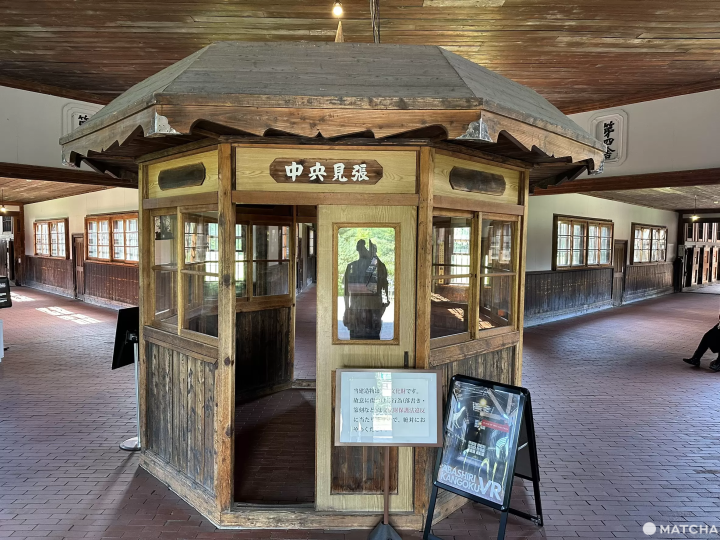
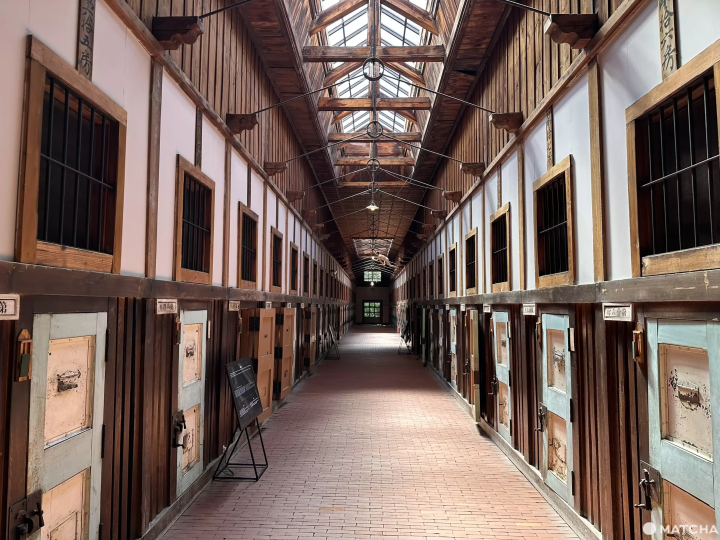
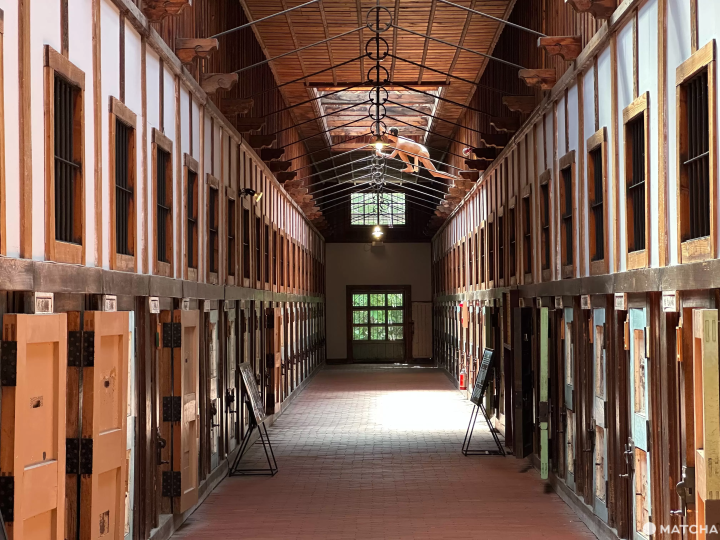
Undoubtedly the crown jewel of the museum, the Five-Wing Radial Cell Block is recognized as the world’s oldest radial wooden prison structure. Radiating outward like spokes from a central hub, this layout allowed a single guard standing in the elevated Central Guardhouse to maintain 360-degree surveillance over all five corridors simultaneously without the aid of electronic cameras. The high ceilings and central skylights were ingeniously engineered to maximize natural light and maintain air circulation across the wooden cell blocks.
4. The Legend of Yoshie Shiratori: The Prison Break King
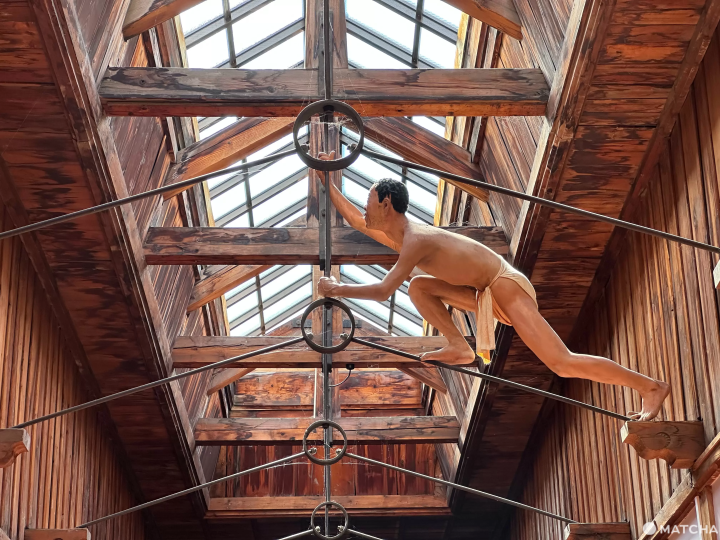
Within the labyrinthine corridors of the Five-Wing block, visitors encounter a tribute to Yoshie Shiratori, Japan’s legendary "Prison Break King," who successfully executed four daring escapes over his lifetime. His breakout from Abashiri marked his third and most famous evasion. Shiratori systematically corroded his iron window frame over a prolonged period by secretly pouring his daily ration of salt-rich miso soup onto the metal joints day after day. Utilizing his anatomical flexibility to dislocate his own joints, he squeezed through the narrow skylight into the freezing wilderness. A mannequin of Shiratori perched in the upper rafters remains one of the museum’s most popular photo installations.
5. The Futami-oka Prison Branch
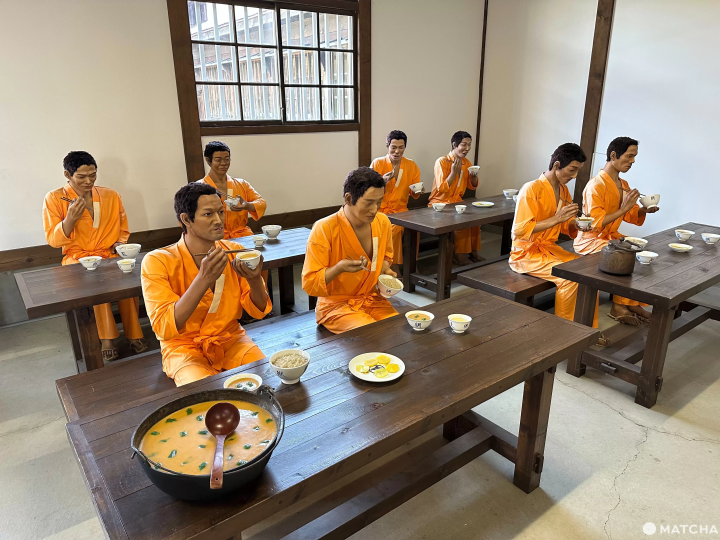
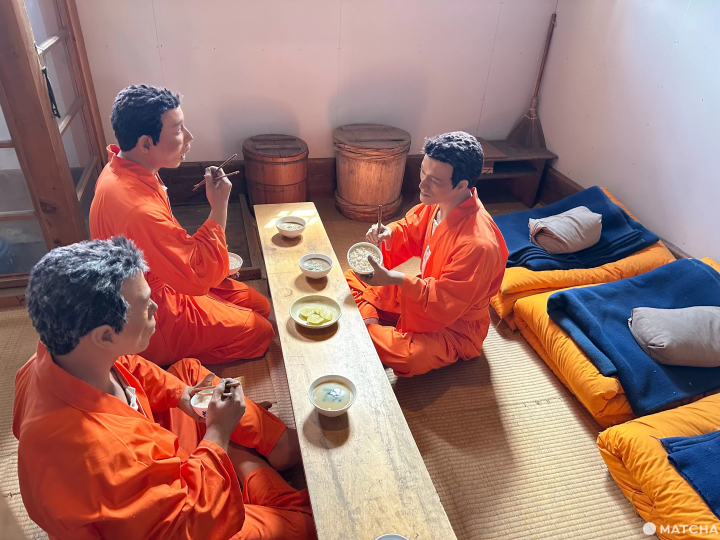
Representing a radical departure from the high-security radial block, the Futami-oka Prison Branch functioned as an early open-prison agricultural model. Here, model inmates lived under conditions of relative freedom, engaging in livestock farming, crop cultivation, and poultry raising. Recreated dining halls and lecture rooms within the complex illustrate a rare facet of Meiji-era penal reform aimed at rehabilitation through agricultural labor.
6. The Prison History Museum and Interactive Zones
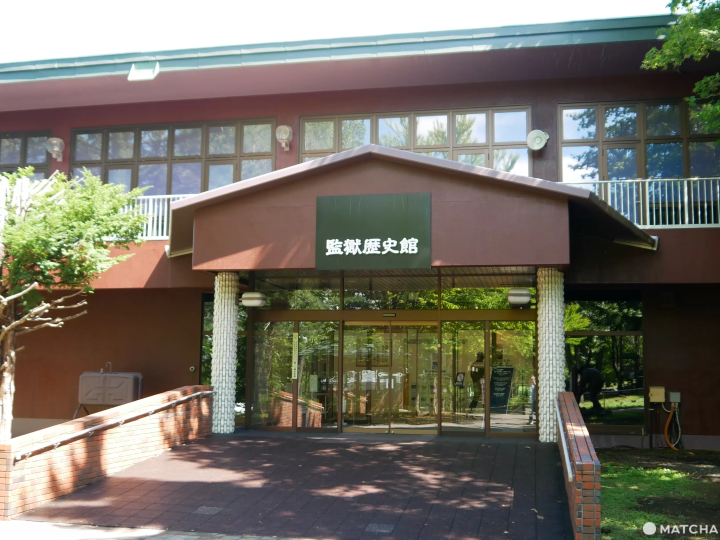
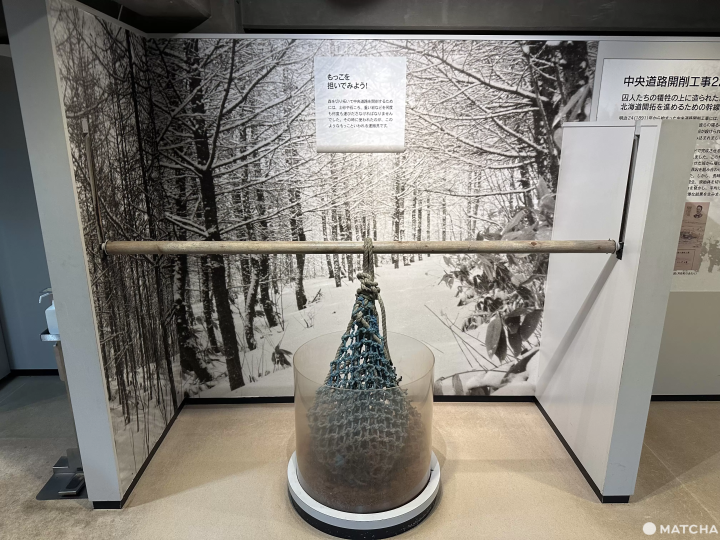
Situated at the heart of the campus, this modern two-way exhibition facility moves beyond static displays by employing digital archives, interactive touchscreens, and authentic artifacts to contextualize the prison’s role in Hokkaido’s development. Visitors can physically lift heavy Meiji-era iron ration packs and heavy road-building tools, gaining a visceral understanding of the physical toll extracted from the inmates. A full-scale replica of a modern cell from today’s active Abashiri Prison provides a striking visual comparison between historical punishment and modern correctional practices.
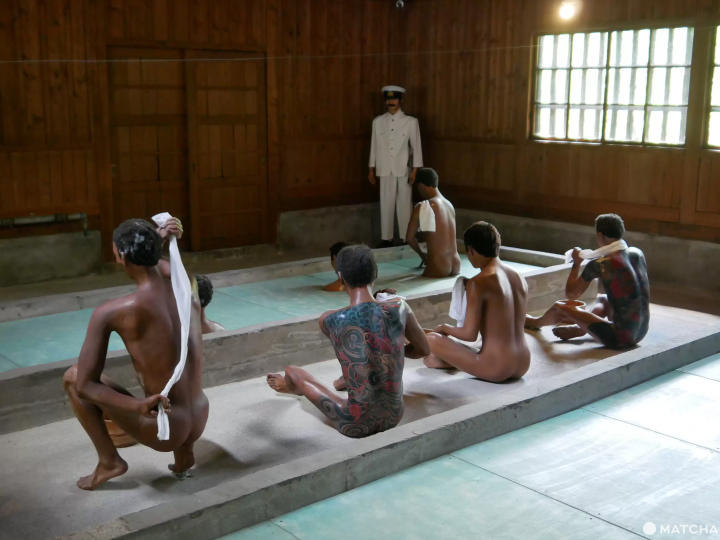
7. The Historic Bathhouse
Bathing was heavily restricted and strictly regulated in the Meiji penal system. Inmates were permitted to bathe only five times a month during the summer months (June to September) and a meager once a month during the rest of the year. To process hundreds of inmates rapidly, a military-style 15-minute routine was enforced: three minutes to undress, three minutes in the first soaking tub, three minutes to wash, three minutes in a rinsing tub, and three minutes to dress—all orchestrated under the strict commands of guards.
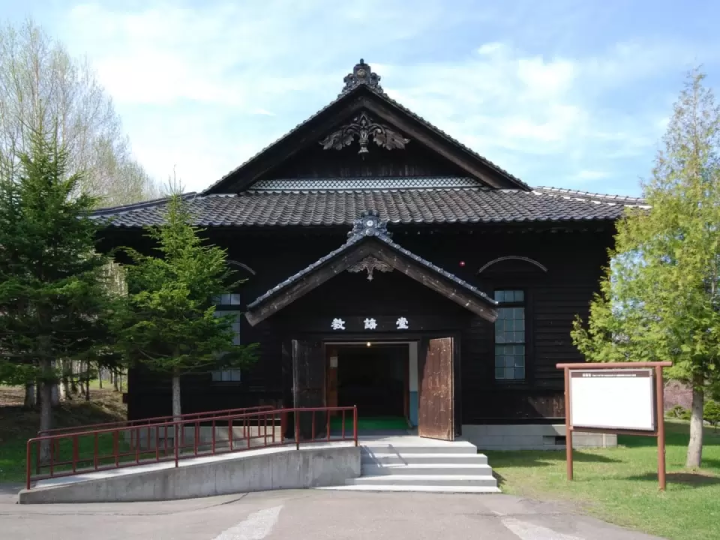
8. The Lecture Hall
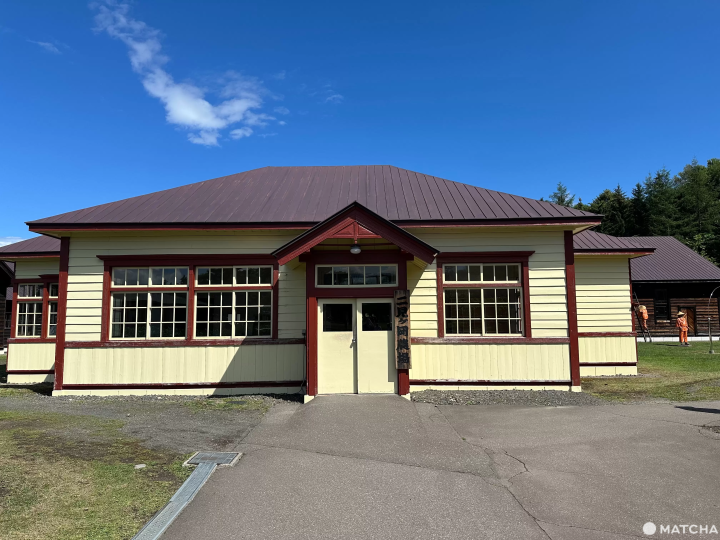
Constructed in 1912, this elegant wooden structure features soaring ceilings and blended architectural styles. It served as a spiritual and moral reform center where Buddhist monks and Shinto priests delivered lectures to inmates. Its prominent role as a backdrop in modern Japanese manga and anime has transformed it into a mandatory pilgrimage site for pop-culture enthusiasts.
9. The Authentic Prison Cafeteria
Operating adjacent to the main entrance, the Prison Cafeteria offers visitors a unique culinary experience: precise replicas of the meals served in today’s active Abashiri Prison. Dispensed via a ticket-vending machine, Prison Set A features salt-grilled Pacific saury served alongside a nutritious 70-30 blend of white rice and barley, traditional miso soup, shredded daikon radish, and a refreshing glass noodle salad. Though simple and utilitarian, the meal is nutritionally balanced and offers a tangible connection to contemporary Japanese correctional life.
Official Statements and Cultural Legacy
Curatorial representatives and cultural preservationists emphasize that the Abashiri Prison Museum serves a dual mandate: historical transparency and cultural education.
"The preservation of these wooden structures is not intended to glorify a dark past, but rather to confront the stark realities of Hokkaido’s foundational history," notes a senior museum curator. "Every beam and cell block serves as a silent witness to the immense human cost required to build the modern infrastructure of this northern frontier. By welcoming both serious historians and fans of contemporary popular culture, we ensure that these vital lessons in human resilience and historical accountability endure for future generations."
The museum’s dual appeal has been heavily amplified by popular media. The classic film series Abashiri Bangaichi (Abashiri Prison), starring screen legend Ken Takakura, cemented the facility’s mythos in mid-20th-century Japanese cinema. Decades later, the smash-hit manga and anime series Golden Kamuy introduced a new, global generation of fans to the historical intrigue of Abashiri, sparking a surge in international tourism and cultural pilgrimage to Eastern Hokkaido.
Future Outlook
As the Abashiri Prison Museum looks toward the future, its operational strategy focuses on sustainable heritage tourism, digital archiving, and international outreach. Maintaining century-old wooden architecture in Hokkaido’s punishing sub-arctic climate requires continuous, highly specialized carpentry and preservation techniques. Museum administrators are increasingly investing in digital preservation—utilizing 3D scanning and virtual reality archiving—to protect these Important Cultural Properties against environmental degradation while expanding global accessibility for researchers who cannot travel to Hokkaido.
Furthermore, the museum is actively expanding multilingual interpretive signage and audio guide infrastructure to accommodate the rising influx of international tourists drawn by literary and cinematic pilgrimages. By balancing rigorous historical scholarship with accessible public engagement, the Abashiri Prison Museum guarantees that the complex, haunting narratives of Meiji-era Hokkaido will continue to educate, challenge, and captivate visitors from across the globe for generations to come.








Belum ada komentar. Jadilah yang pertama berkomentar!