

Executive Overview
The Noto Peninsula, reaching like a rugged finger into the Sea of Japan from Ishikawa Prefecture, has long enchanted travelers with its harmonious blend of satoyama (traditional rural landscapes) and satoumi (productive coastal ecosystems). Yet, in recent years, the region has transitioned from a purely idyllic holiday escape to a powerful living classroom of human endurance and community recovery.
Following the profound disruptions of the January 2024 Noto Peninsula Earthquake—and subsequent localized heavy rainfall events, including severe flooding in August 2026—the peninsula’s west coast has embarked on a remarkable path of restoration. Far from being closed to the outside world, major sections of this scenic corridor are open, welcoming visitors who wish to experience not only the raw, windswept beauty of Japan’s northern coast, but also the enduring faith, local gastronomy, and rich cultural traditions nurtured here across generations.

This article explores a comprehensive travel itinerary stretching from the wave-swept shores of Chirihama in the south to the Zen heartland of Monzen in Wajima City. It highlights how the region’s people are transforming natural upheaval into a newly revealed topography of hope, offering travelers a meaningful journey that directly supports local livelihoods and tourism.
Detailed Chronology of the West Coast Itinerary
1. Chirihama Nagisa Driveway: Where Vehicles Meet the Waves
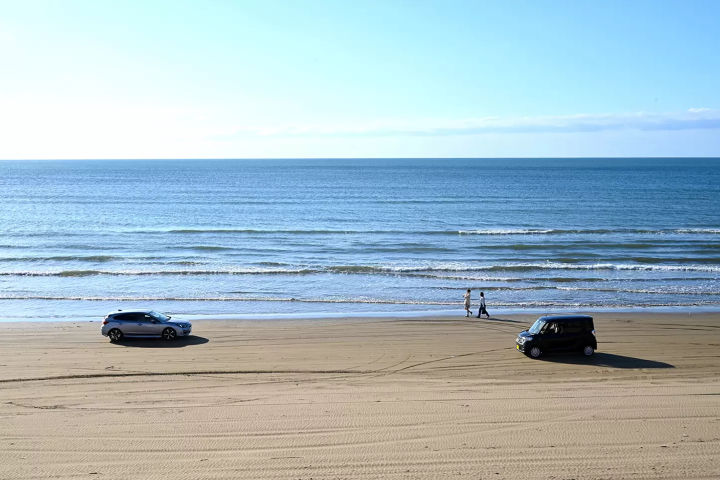
The journey begins approximately 30 to 40 minutes by car from Kanazawa, leading drivers to Hodatsushimizu Town and Hakui City. Here lies the Chirihama Nagisa Driveway, an 8-kilometer stretch of coastline that holds a singular distinction: it is the only place in Japan where regular passenger cars, rental vehicles, motorcycles, and bicycles can be driven directly along the sandy shoreline.
- The Science of the Sand: Unlike coarse beach sand, Chirihama’s sand is composed of exceptionally fine particles. When saturated with seawater, these grains pack tightly together, creating a firm, asphalt-like surface capable of supporting ordinary automobiles without specialized four-wheel-drive systems.
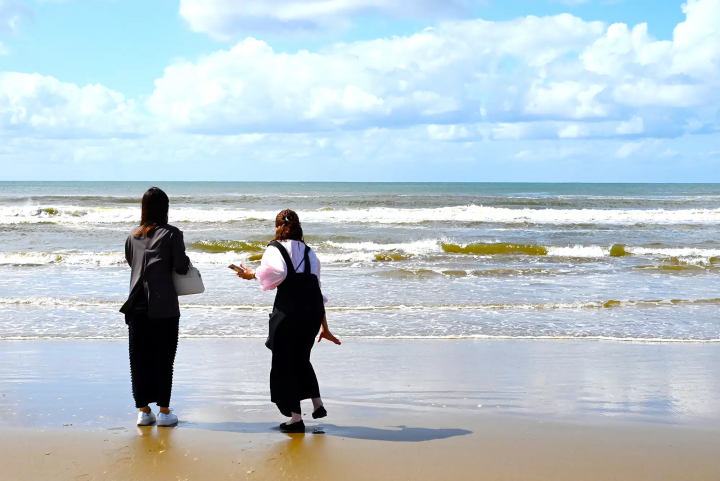
- Sensory and Seasonal Pleasures: Visitors can roll down their windows to inhale the crisp Sea of Japan breeze, park near the water’s edge for shoreline strolls, or capture striking photographs of their vehicles framed against the open horizon. While summer brings swimming, sand sculptures, and bustling beach huts, the evening hours reveal Chirihama’s true fame as a premier sunset destination. As dusk approaches, the setting sun paints the sky and wet sands in amber and crimson hues. Travelers arriving before dawn may even witness a tranquil, otherworldly landscape shrouded in morning mist.
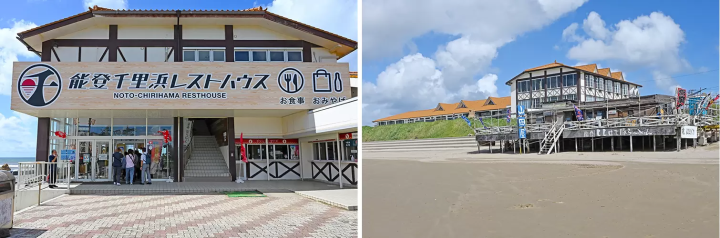
- Practical Stops: For dining, shopping, and traveler amenities, the Noto Senrihama Rest House at the northernmost entrance offers an ocean-view cafe, beachside barbecue, regional souvenirs, bicycle rentals, and a second-floor co-working space equipped with panoramic sea views.
- Note on Safety: Because high waves can render the shoreline impassable, traffic restrictions are implemented during adverse weather. Drivers are advised to consult the Ishikawa Prefecture "Ishikawa Road Information Network" before departure.
2. Keta Taisha Shrine: Ancient Sanctuary of the Hokuriku Region
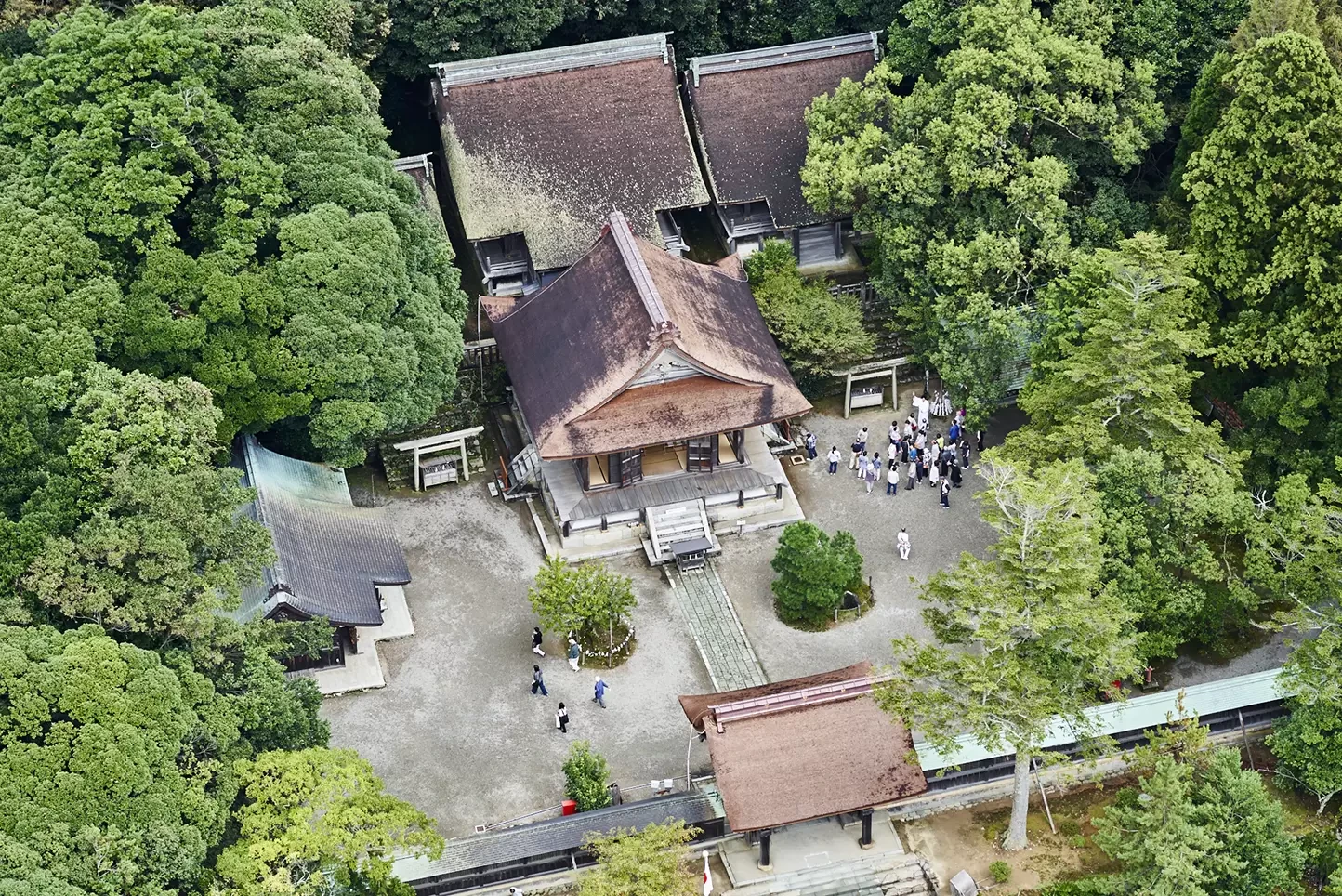
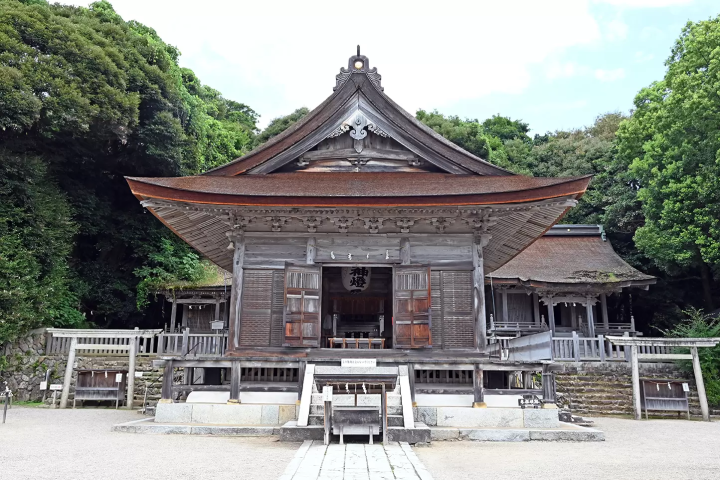
Driving roughly 10 minutes north from Chirihama brings travelers to Hakui City and Keta Taisha, the premier Ichinomiya (highest-ranked shrine) of the former Noto Province. Boasting a recorded history exceeding 2,100 years, the shrine is deeply woven into Japan’s literary heritage; it was visited in 748 by Otomo no Yakamochi, the governor of Etchu Province, who composed verse about the sacred site for the Manyoshu poetry anthology.

- Spiritual Legacy: Dedicated to Oanamuchi-no-Mikoto (also known as Okuninushi-no-Mikoto), the deity of nation-building, matchmaking, and guidance, Keta Taisha is celebrated as a spiritual nexus charged with vibrant energy (ki).
- The Forbidden Forest and Future Milestones: Directly behind the shrine grounds lies "Irazu-no-mori" (Forbidden Mori), a national natural monument and primeval forest covering approximately 33,000 square meters. Having remained strictly off-limits to humans for centuries—with the exception of Shinto priests entering once annually—the forest preserves an untouched ecosystem. Furthermore, major restoration work is scheduled between 2030 and 2031 to replace the cypress bark roofs of the Main Sanctuary, Wakamiya Shrine, and Hakusan Shrine (all designated Important Cultural Properties). In 2030, a temporary relocation ceremony will allow visitors a rare opportunity to worship the enshrined deities up close before the shrine transitions its historical title to "Keta Jingu" in 2031.
3. Shika Town and Ganmon: Sculpted by Wind and Tide
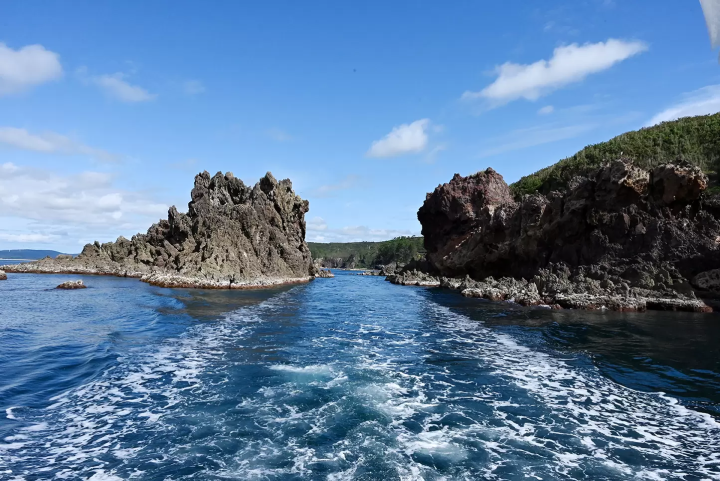
Continuing north into Shika Town, the landscape shifts dramatically into a dynamic coastal theater known as "Noto," featuring roughly 29 kilometers of steep cliffs, hidden coves, and curiously shaped rock formations stretching from Fukuura Port to Sekinohana.
- Fukuura’s Maritime Heritage: Historically, Fukuura flourished as a vital trading port with the ancient Balhae Kingdom on the Asian mainland from the 8th to 10th centuries, later thriving during the Edo period through the maritime commerce of Kitamaebune merchant ships. It remains home to Japan’s oldest wooden Western-style lighthouse.
- The Marvel of Ganmon: Near the center of this coastal zone is Ganmon, a massive rock arch carved out by centuries of relentless waves from the Sea of Japan. While viewing paths offer striking vistas, the premier way to experience Ganmon is via the Noto Sightseeing Boat. The 20-minute cruise carries passengers past dramatic formations such as Takanosu-iwa, Senjojiki-iwa, and Goban-jima, offering an up-close look at towering rock walls from the water’s level. Despite sustaining impacts from the 2024 earthquake, the cruise operations have successfully resumed, drawing a resurgence of domestic youth travelers and international visitors utilizing online discount coupons.
- Myth and Sunset: Nearby landmarks include Yase Cliff—immortalized in Matsumoto Seicho’s novel Zero Focus—and Hatagoiwa, twin rocks bound by a sacred Shinto rope (shimenawa) that evoke a legendary goddess’s weaving loom.
4. Masuhogaura and the Togi Coastline
Further north in the Togi area, the coastline softens into the white sandy beaches and turquoise waters of Masuhogaura. Renowned in the summer for beachgoers, the autumn and winter months transform the beach into a treasure trove for collectors of delicate pink cherry blossom shells (sakuragai) and other vibrant marine micro-shells.
- Landmarks and World Records: Masuhogaura is famously associated with the "world’s longest bench," a 460.9-meter wooden structure that held a Guinness World Record starting in 1989. Proving that the area’s spirit of communal achievement remains unbroken, a new Guinness World Record was established here in 2024 when 269 participants executed a relay-style traditional drumming performance.
- The Thirty-Six Immortal Poets Shell Collection: Visitors can engage directly with the coastal ecosystem by purchasing a specialized collection box at the nearby Michi-no-Eki Togi Umikaido roadside station. By gathering 36 designated varieties of small seashells along the shoreline, participants earn official commemorative prizes, creating a tangible keepsake of their Noto journey.
5. Monzen and Kaiso: Culinary Artistry at Umibe no Somamichi
Crossing into the Monzen district of Wajima City, culinary travelers are met with an inspiring story of relocation and renewal at Umibe no Somamichi (Seaside Forest Path).
- From Adversity to the Table: Originally operating as a study and guesthouse for renowned lacquer artist Akito Akagi, the establishment was severely impacted by the January 2024 earthquake shortly after opening as an auberge. Refusing to let the disaster defeat their vision, the team renovated an alternative property in Kaiso—previously used as an editorial office—reopening it in the autumn of 2024 as a tranquil seaside restaurant.
- Philosophy of Cuisine: Head chef Yutaka Kitazaki crafts menus centered around Noto’s seasonal vegetables, wild mountain plants, and coastal seaweed. Rooted in Zen philosophy, Chef Kitazaki employs minimalist seasoning to elevate the inherent flavors of each ingredient. Meals are served exclusively on handcrafted lacquerware created by Akito Akagi and fellow regional artisans. Diners are invited to reflect on the dramatic physical changes to the local environment: due to tectonic uplift during the earthquake, the ground around the restaurant rose by up to 4 meters, causing the nearby shoreline to recede by 200 meters—a powerful testament to nature’s raw creative and destructive forces, now embraced as a new landscape.
6. Sojiji Soin and Kuroshima: 700 Years of Zen Heritage
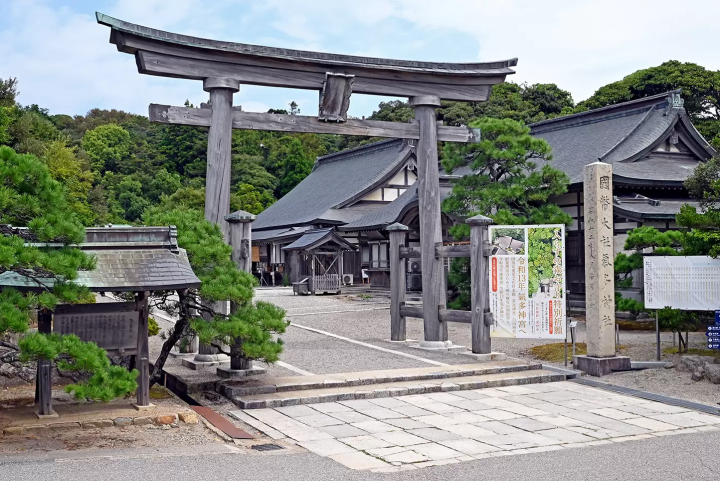
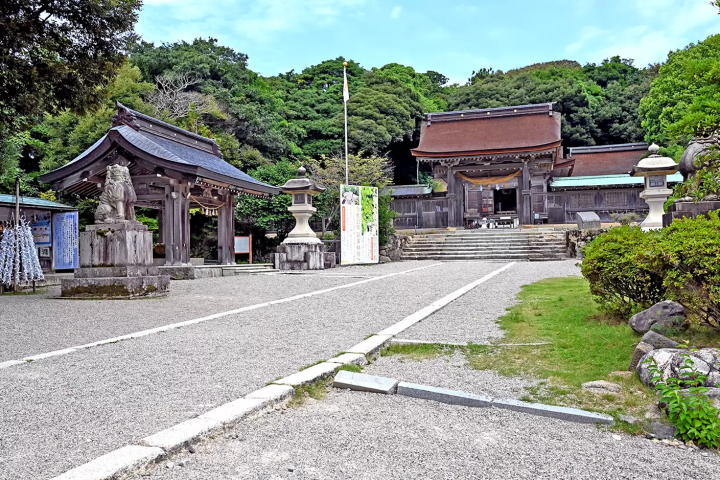
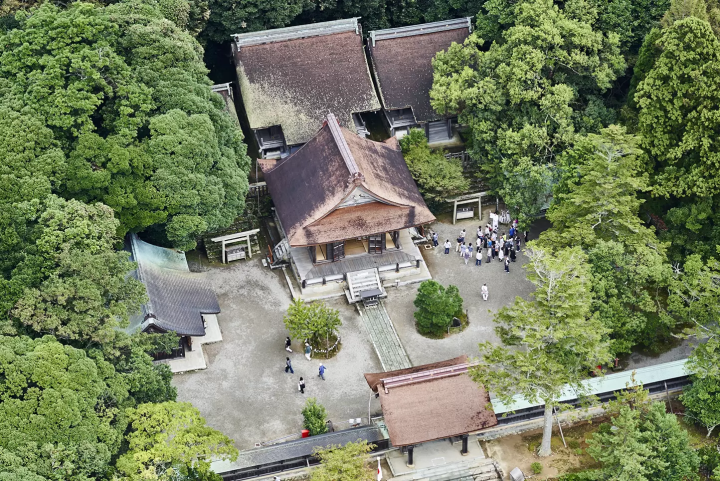
The final stop on the west coast itinerary brings travelers to Monzen’s historical core, anchored by Daihonzan Sojiji Soin, a seminal head temple of the Soto Zen school with a history spanning approximately 700 years.
- The Historical Port of Kuroshima: Before entering the temple grounds, visitors can explore the Zen no Sato Koryukan (Zen Village Exchange Center) to understand how Monzen developed as a temple town. During the Edo period, monks traveled to Noto from across Japan aboard Kitamaebune vessels, landing at the nearby port of Kuroshima. Kuroshima flourished as a community of wealthy shipowners, earning designation in 2009 as an Important Preservation District for Groups of Traditional Buildings. Although the 2024 earthquake damaged many historic wooden structures featuring black-glazed roof tiles and lattice windows, the townscape retains its historic atmosphere, standing alongside post-disaster innovations like the community-minded Kurukuru Cafe.
- Resilience at Sojiji Soin: Founded in 1321 by Zen master Keizan Jokin, Sojiji Soin served as a primary seat of Soto Zen until administrative functions shifted to Yokohama in 1898. The Noto site was preserved as an ancestral sanctuary (soin). Following extensive damage in the 2007 Noto Peninsula Earthquake, a 14-year, 4-billion-yen restoration was completed in 2021 to mark the temple’s 700th anniversary. Just three years later, the January 2024 earthquake struck. Thanks to prior seismic reinforcements, monumental structures like the Sanmon gate withstood collapse, though extensive damage required a new wave of recovery efforts.
- National Recognition: In December 2024, amid ongoing recovery work, 16 buildings within Sojiji Soin were officially designated as Important Cultural Properties of Japan, providing a vital morale boost to the temple community. Visitors can tour the complex and engage in specialized guided tours led by senior temple priests, gaining profound insights into the architectural and spiritual preservation of Zen heritage.
Supporting Context & Metrics
- Infrastructure & Road Networks: The primary coastal arteries—including the Chirihama Nagisa Driveway and the Noto Satoyama Kaido—have undergone extensive safety evaluations and repairs following the 2024 earthquake and the August 2026 heavy rains. While most tourist facilities referenced in this itinerary are fully operational, travelers are strongly encouraged to consult official prefectural road networks for real-time updates.
- Geological Shifts: Marine surveys and local observations confirm that tectonic movements during the 2024 earthquake uplifted sections of Noto’s western shoreline by up to 4 meters, shifting marine boundaries outward by up to 200 meters. These dramatic geological transformations are increasingly interpreted by local educators, geologists, and cultural leaders as living landmarks of Earth’s dynamic power.
- Economic Recovery Indicators: Tourism data from regional associations (such as the Hakui and Shika Tourism Associations) indicate a gradual return of leisure travelers. The demographic has diversified, showing notable increases in independent younger travelers and international visitors taking advantage of digital promotional campaigns and discount ticketing for cultural and natural attractions like the Ganmon cruise.
Official Statements & Community Perspectives
Regional leaders and cultural stewards have consistently emphasized the importance of responsible, supportive tourism over mere sightseeing.
- Preserving the Essence of Noto: Anri Miyashita of the Zen no Sato Koryukan notes that study tours focusing on the 700-year history of Monzen offer visitors a chance to look beyond surface-level aesthetics. "By learning how our community has adapted to historical fires, economic shifts, and recent natural disasters, travelers gain a true appreciation for the resilience embedded in Noto’s daily life," Miyashita explains.
- Living with the Land: Reflecting on the post-earthquake landscape, Kojo Takashima, senior priest (Fukukanin and Fusu) at Sojiji Soin, emphasizes the temple’s enduring mission: "Our buildings carry the scars of the earth, yet they continue to stand. Welcoming visitors allows us to share not only our architectural heritage, but our collective prayer for peace, renewal, and the future of the Soto Zen tradition."
- Gastronomic Authenticity: Chef Yutaka Kitazaki of Umibe no Somamichi underscores the philosophical synergy between Noto’s environment and its cuisine: "When guests eat here, they are tasting the minerals of the uplifted sea and the bounty of the restored satoyama. Every dish is a dialogue with this land."
Future Outlook
The trajectory of the Noto Peninsula’s west coast over the coming decade will be defined by meticulous architectural restoration, ecological adaptation, and sustainable tourism development.
- Long-Term Heritage Projects: Major milestones are already charted on the regional calendar. Keta Taisha’s comprehensive roof replacement and title transition slated for 2030–2031 highlight a multi-year commitment to safeguarding national cultural treasures. Similarly, the 12-year projected restoration timeline for Sojiji Soin’s newly designated Important Cultural Properties ensures that traditional carpentry skills will be preserved and passed down to a new generation of artisans.
- Expanding Accommodation Infrastructure: The hospitality sector in Shika Town and surrounding districts continues to evolve. From large resort facilities like Ikoi no Mura Noto Hanto to relocated traditional inns such as Kogetsukan and newly renovated heritage rentals like TOGISO, the region is expanding its lodging capacity to accommodate both recovery personnel and leisure travelers.
- The Slow Travel Movement: Tourism authorities are increasingly promoting multi-day itineraries—encouraging visitors to spend at least one night in towns like Shika or Wajima. Slow travel allows tourists to experience the diurnal rhythms of the Noto Peninsula: watching the sunset over the Sea of Japan, waking to misty coastal dawns, and engaging in meaningful exchanges with local artisans, innkeepers, and spiritual leaders.
By venturing along Noto’s west coast, travelers do more than witness breathtaking landscapes of satoyama and satoumi. They become active participants in a historic narrative of recovery, bearing witness to a community that honors its deep past while courageously building its future.





Belum ada komentar. Jadilah yang pertama berkomentar!