

Executive Overview
The landscape of independent video game development has undergone a radical, structural transformation over the past four decades. What began as a decentralized community of hobbyists working out of bedrooms and academic labs has matured into a multi-billion-dollar economic powerhouse, rivaling traditional AAA studios in both innovation and market penetration. As the industry looks toward the horizon of 2026 and 2027, the symbiotic relationships between independent developers, boutique publishers, and platform holders are being rewritten.
At the center of this dialogue is Tokyo Game Show 2026 (TGS 2026), an event that served as both a showcase for cutting-edge hardware—such as the emerging specifications of the Nintendo Switch successor—and a crucible for indie publisher strategy. Among the companies drawing heavy scrutiny from industry analysts and press outlets alike is Acacia, a boutique action-RPG developer whose recent ascent has captivated the gaming sphere. Known for their distinct retro-styled 2D pixel aesthetics combined with modern systemic depth, Acacia’s journey from a solo development venture to a critical darling offers a fascinating case study in modern game publishing.
This report provides an exhaustive, investigative look into the operational mechanics, structural shifts, and strategic developments shaping indie publishing today. By examining publisher-developer contracts, marketing milestones, community-driven development pipelines, and multi-platform distribution strategies, we dissect how studios like Acacia navigate the treacherous waters of commercial release schedules.
![「続ポートピア連続殺人事件」「配信少女ノ裏垢迷宮」,新旧2作品を並べたジー・モードブースは大盛況。取締役・竹下功一氏に聞く[TGS2026]](https://www.4gamer.net/games/957/G095773/20260920004/SS/003.jpg)
Detailed Chronology: The Rise of Modern Indie Publishing and the TGS 2026 Watershed
To understand the current state of indie publishing, one must trace the timeline of key developments leading up to the watershed announcements of 2026. For over forty years, the barrier to entry for video game creation has steadily lowered. The transition from physical cartridges and bulky development kits to digital storefronts, democratized game engines (such as Unity and Unreal Engine), and cloud-based collaboration tools has permanently altered the industry.
However, democratization brought a new challenge: discoverability. In an ecosystem flooded with thousands of daily releases, simply making a good game is no longer sufficient for commercial viability. Developers are increasingly forced to partner with specialized publishers who can handle the administrative, marketing, and logistical burdens of launching a title globally.
The Road to TGS 2026: Hardware Evolution and Software Adaptation
The months leading into September 2026 were defined by hardware speculation, most notably regarding the anticipated commercial rollout of Nintendo’s next-generation console (widely referenced in industry leaks as the "Switch 2"). While major platform holders guarded their hardware roadmaps with military precision, independent developers were given early access to development kits to ensure day-one software availability.
![「続ポートピア連続殺人事件」「配信少女ノ裏垢迷宮」,新旧2作品を並べたジー・モードブースは大盛況。取締役・竹下功一氏に聞く[TGS2026]](https://www.4gamer.net/games/957/G095773/20260920004/TN/016.jpg)
Among these forward-thinking studios, Acacia positioned itself at the vanguard. Utilizing a mix of social media campaigns, community-driven feedback loops, and strategic publisher partnerships, Acacia managed to secure prime exhibition space at TGS 2026. Their presence at the event was not merely promotional; it was a masterclass in modern indie positioning. By bridging the gap between nostalgic 16-bit/32-bit aesthetics and contemporary mechanical complexity, Acacia captured the attention of both veteran gamers and modern critics.
Supporting Context & Metrics: The Economics of Modern Game Publishing
The economics of independent game development in 2026 are characterized by a delicate balance between creative autonomy and financial security. According to recent market analysis from industry research groups, the indie games sector accounts for over 35% of total digital storefront revenue across PC and console platforms.
[Traditional Publishing Model]
Developer ──(Loss of IP/High Cut)──> Major Publisher ──> Market

[Modern Boutique Publishing Model]
Developer ──(Collaborative Support/IP Retention)──> Boutique Publisher (e.g., G-MODE style) ──> Multiplatform Release
However, this financial success hides a stark reality: the vast majority of indie games fail to break even without robust marketing support. This is where boutique publishers step in. Unlike traditional corporate publishers who often demand majority stakeholder control and IP ownership, modern indie publishers—exemplified by firms like G-MODE and specialized indie imprints—act more like venture capital incubators. They provide non-dilutive funding, QA testing, localization services, and platform relations management in exchange for a calculated revenue share.
![「続ポートピア連続殺人事件」「配信少女ノ裏垢迷宮」,新旧2作品を並べたジー・モードブースは大盛況。取締役・竹下功一氏に聞く[TGS2026]](https://www.4gamer.net/games/957/G095773/20260920004/TN/003.jpg)
Data Table: Indie Publisher vs. Self-Publishing Metrics (Projected 2026 Averages)
| Metric | Self-Publishing | Boutique Publisher Partnered | Major AAA Hybrid |
|---|---|---|---|
| Average Initial Budget | Low ($10k – $100k) | Moderate ($100k – $1M) | High ($5M+) |
| IP Ownership | 100% Developer | 100% Developer ( typically ) | Often Shared/Retained by Publisher |
| Marketing Reach | Organic / Social Media Dependent | Multi-channel, PR Campaigns, TGS Booths | Global, Omnichannel, Multi-million Dollar |
| Platform Relations | Direct (Time-consuming) | Streamlined via Publisher Connections | Enterprise-grade Dedicated Support |
| Revenue Share (Dev Cut) | 70% – 90% (Storefront dependent) | 50% – 70% (Post-recoup) | 15% – 30% (Royalties) |
As illustrated by the data, while self-publishing offers the highest potential percentage return per unit sold, the absolute sales volume achieved through a partnered publisher often results in a significantly higher net profit. For studios like Acacia, partnering with a publisher allowed them to scale their development team without compromising their artistic vision.
Official Statements and Industry Insights
During TGS 2026, members of the press had the opportunity to sit down with key figures from both Acacia and their publishing partners. The discourse heavily centered around the realities of pre-launch marketing, community building, and the shifting expectations of players in an oversaturated market.
The "Omotenashi Box" and Community-First Philosophy
One of the most discussed panels at TGS 2026 revolved around community engagement strategies. Representatives from Acacia emphasized that their marketing strategy began years before launch, rooted in what they termed an "omotenashi" (hospitality) mindset toward their player base.
![「続ポートピア連続殺人事件」「配信少女ノ裏垢迷宮」,新旧2作品を並べたジー・モードブースは大盛況。取締役・竹下功一氏に聞く[TGS2026]](https://www.4gamer.net/games/957/G095773/20260920004/TN/004.jpg)
"When you build a game, you aren’t just writing code; you are inviting players into a space you’ve created," stated Acacia’s lead director during a packed roundtable session. "If that space feels cold, transactional, or purely market-driven, players will notice. Our publisher understood that from day one. They didn’t just hand us a budget; they helped us build a dialogue."
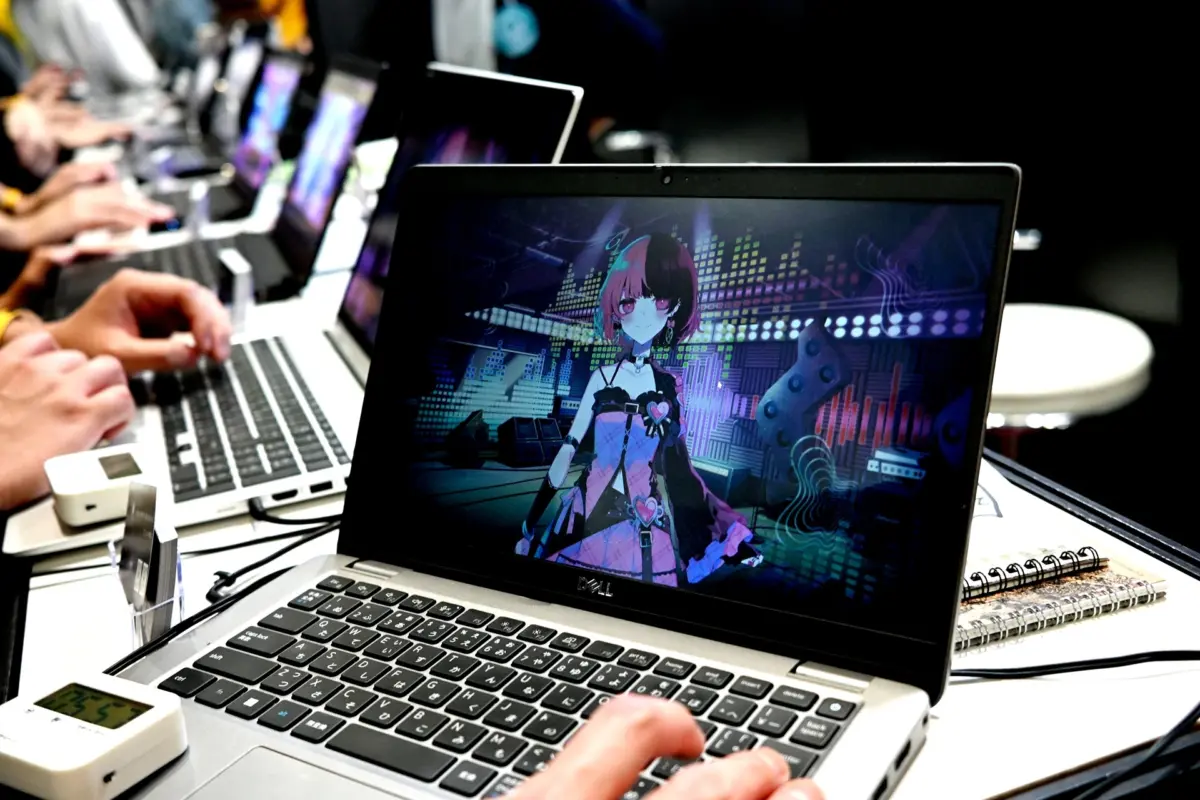
This philosophy was visibly manifested in Acacia’s TGS booth design, which deliberately avoided the sterile, corporate aesthetic of major AAA exhibitors. Instead, the booth was styled to resemble a cozy, retro living room, complete with CRT-style display monitors running early builds of their upcoming action-RPG, alongside physical merchandise displays that paid homage to 90s gaming culture.
Publisher Perspectives on Risk and Reward
From the publisher’s perspective, the calculus of indie publishing has shifted from high-volume speculation to targeted curation. In interviews conducted on the show floor, publishing executives noted that the risk profile of indie titles has fundamentally changed with the advent of cross-play and digital-first distribution on platforms like Nintendo Switch and Steam.
![「続ポートピア連続殺人事件」「配信少女ノ裏垢迷宮」,新旧2作品を並べたジー・モードブースは大盛況。取締役・竹下功一氏に聞く[TGS2026]](https://www.4gamer.net/games/957/G095773/20260920004/TN/005.jpg)
"We are no longer throwing spaghetti at the wall to see what sticks. The indie market is hyper-literate. Players demand polish, narrative depth, and unique artistic identity. If a developer comes to us with a brilliant pixel-art concept but lacks the infrastructure to market it, our job is to provide that safety net without diluting their creative voice."
— Senior Publishing Executive, TGS 2026 Panel
This sentiment was echoed across multiple developer-publisher panels. The consensus is clear: the friction points that once defined the relationship between creators and financial backers are being smoothed over by mutual recognition of market realities. Publishers are adopting a "hands-off creative, hands-on administrative" approach, ensuring developers can focus on building compelling experiences while the publisher handles the complex machinery of global logistics, age ratings, and storefront optimization.
Future Outlook: The Horizon Beyond 2026
As the dust settles on TGS 2026, industry analysts are looking ahead to how these evolving publisher-developer dynamics will shape the next generation of gaming. The convergence of cloud gaming, portable high-performance hardware (such as the anticipated Switch successor), and AI-assisted development tools presents both unprecedented opportunities and new hazards.
![「続ポートピア連続殺人事件」「配信少女ノ裏垢迷宮」,新旧2作品を並べたジー・モードブースは大盛況。取締役・竹下功一氏に聞く[TGS2026]](https://www.4gamer.net/games/957/G095773/20260920004/TN/009.jpg)
Sustainability and the Risk of Oversaturation
Despite the celebratory atmosphere at TGS 2026, underlying anxieties remain. The indie market faces a persistent threat of discoverability fatigue. With thousands of titles launching monthly across Steam, Nintendo eShop, and other storefronts, even critically acclaimed games can easily slip through the cracks if their marketing campaigns misfire.
For Acacia, the strategy moving forward involves doubling down on community loyalty and cross-platform optimization. Their upcoming action-RPG, slated for a broad 2027 release across PC, Switch, and Switch 2, is being built with scalability in mind. By maintaining close ties with their community through regular dev-logs, playtests, and transparent roadmap updates, they aim to insulate themselves against market volatility.
Conclusion: A New Golden Age for Indie Development
The narrative emerging from the 2026 exhibition season is one of cautious optimism and profound structural maturation. The indie sector is no longer an experimental fringe of the video game industry; it is its creative beating heart. Through sophisticated partnerships, publisher-backed infrastructure, and an unwavering commitment to artistic integrity, studios like Acacia are proving that small teams can achieve monumental success.
![「続ポートピア連続殺人事件」「配信少女ノ裏垢迷宮」,新旧2作品を並べたジー・モードブースは大盛況。取締役・竹下功一氏に聞く[TGS2026]](https://www.4gamer.net/games/957/G095773/20260920004/TN/013.jpg)
As we look toward 2027 and beyond, the blueprint for indie success is clear: combine uncompromising creative vision with professional, collaborative publishing support. For players, this spells an era of unprecedented creativity, where nostalgic charm and modern technical prowess converge to create unforgettable gaming experiences.




Belum ada komentar. Jadilah yang pertama berkomentar!