

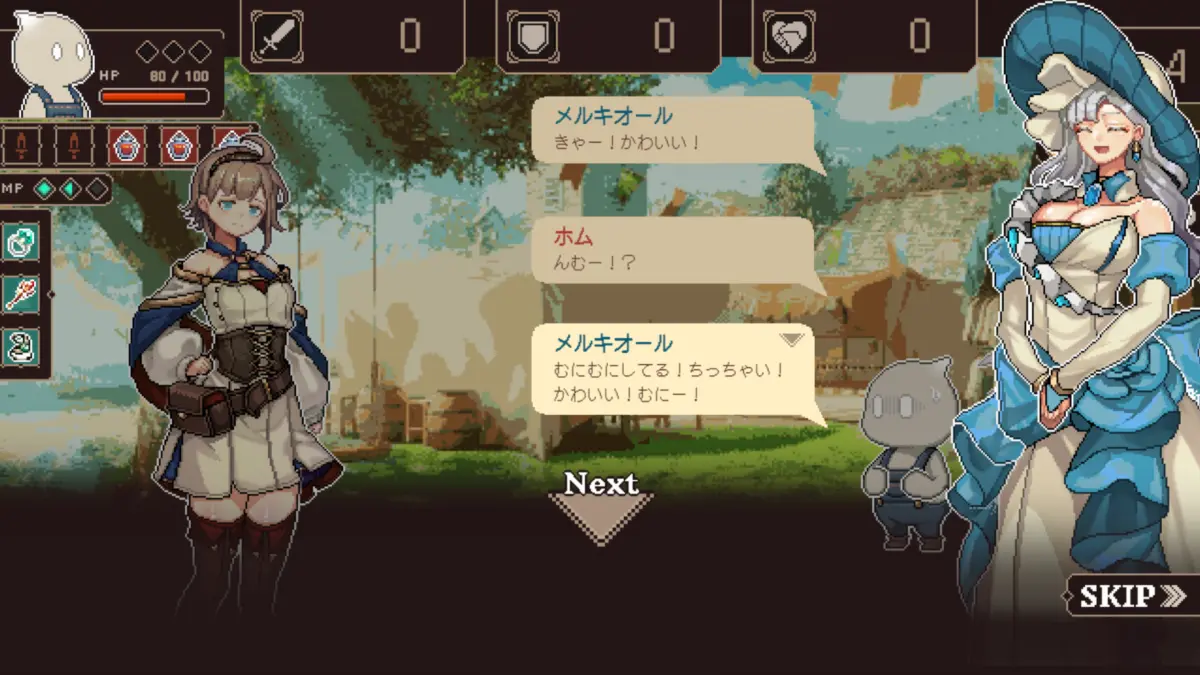
On September 21, 2026, the independent developer GREENHORN officially launched their highly anticipated PC role-playing game, Project Solaris (working title), onto the digital marketplace. Priced accessibly at 1,350 yen (inclusive of tax), the title immediately attracted the attention of domestic and international gaming communities alike. Described by its creators as a "strategic deck-building RPG," Project Solaris fuses the tactical depth of traditional Japanese role-playing games (JRPGs) with modern roguelike mechanics, creating an innovative gameplay loop that challenges both tactical thinkers and casual deck-building enthusiasts.
The release marks a significant milestone for GREENHORN, an up-and-coming studio that has spent the past several years quietly refining its flagship project. In an era where digital storefronts are continually flooded with fast-produced indie titles, Project Solaris stands apart through its meticulous design philosophy, striking visual identity, and deep, systems-driven combat mechanics.

Detailed Chronology: The Journey to Launch Day
To understand the significance of Project Solaris, one must examine the arduous development cycle overseen by GREENHORN. The project’s timeline is characterized by calculated risk-taking, transparent community engagement, and iterative design refinement.

The Early Conceptualization Phase (2023–2024)
Project Solaris began as a modest prototype within a small, tight-knit team of industry veterans who sought to capture the nostalgic essence of 1990s console RPGs while injecting modern game design principles. Early design documents reveal a heavy emphasis on resource management, deck composition, and high-stakes turn-based encounters. Unlike traditional RPGs where players rely on linear leveling systems to overcome obstacles, the foundational mechanics of Project Solaris were built around adaptability. Players had to learn how to construct, deconstruct, and optimize their decks on the fly, transforming random card draws into tactical advantages.
The Closed Beta and Community Playtests (2025)
Recognizing the delicate balance required for a deck-building RPG, GREENHORN adopted a community-first approach during the middle stages of development. Throughout 2025, the studio hosted several closed beta tests, inviting dedicated strategy game fans to stress-test the game’s core systems. Feedback from these sessions proved invaluable. Players noted that early iterations of the boss encounters were punishingly difficult, leading the development team to recalibrate the scaling system. This iterative feedback loop ensured that by the time the game entered its final polish phase, the difficulty curves were both fair and exhilarating.
The September 2026 Global Release
As summer gave way to autumn in 2026, anticipation for the title reached a fever pitch. GREENHORN utilized targeted social media campaigns, developer vlogs, and gameplay deep-dives to build momentum leading up to September 21. When the digital gates finally opened, early adopter metrics quickly surpassed initial projections. Within hours of launch, community hubs and dedicated forums were abuzz with players sharing optimal deck builds, route strategies, and harrowing tales of near-defeat against the game’s formidable bosses.
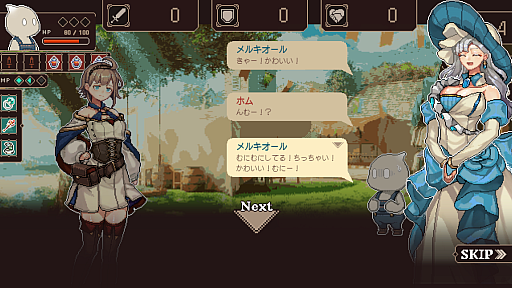
Supporting Context & Metrics: Deconstructing the Mechanics
Project Solaris is not merely a card game slapped onto a fantasy skin; it is a meticulously calculated strategy engine. The game’s mechanics demand a closer look to understand why it has resonated so deeply with PC gamers.
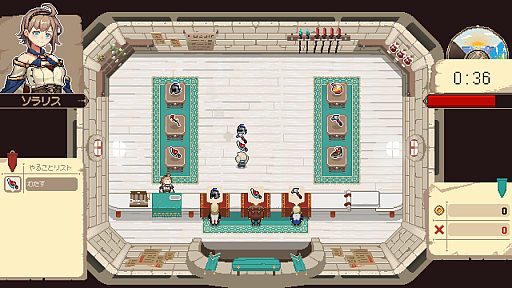
The Synergy Between Deck-Building and JRPG Traditions
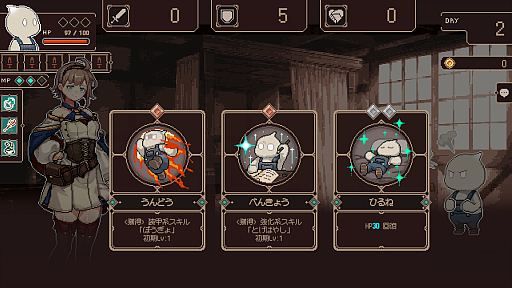
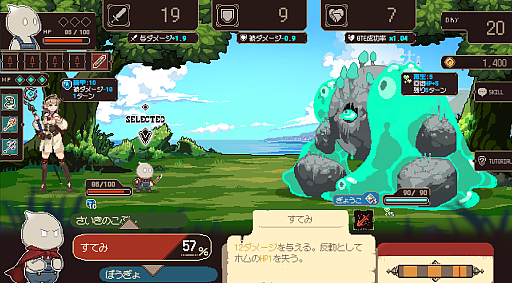
At its core, Project Solaris challenges players to manage a dual-layered progression system. Characters possess traditional JRPG attributes—such as hit points, mana equivalents, and elemental affinities—but their actions in combat are entirely dictated by the cards drawn from their custom decks.

| Gameplay Feature | Traditional JRPG Element | Project Solaris Innovation |
|---|---|---|
| Combat Progression | Linear leveling and fixed skill acquisition. | Dynamic deck-building influenced by roguelike runs. |
| Resource Management | Turn-based action points or magic meters. | Card draw randomness paired with strategic hand retention. |
| Risk vs. Reward | Standard dungeon crawling and boss fights. | High-stakes pathing where failed builds end the run. |
This fusion creates a constant psychological tension. Players must balance offensive output with defensive utility, knowing that a single mismanaged draw can unravel hours of careful dungeon crawling.

Visual Identity and World-Building
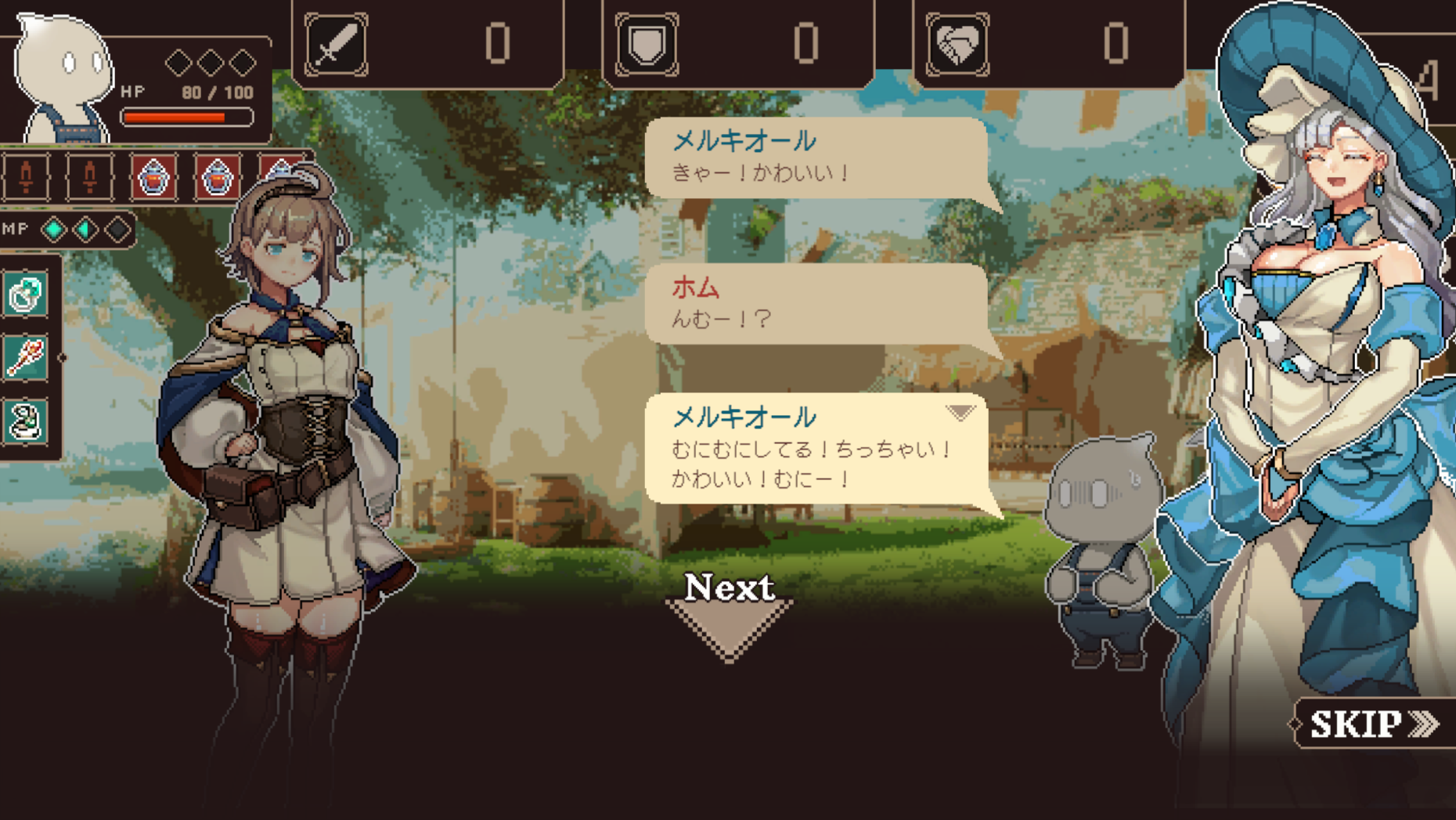
Beyond the math and mechanics, Project Solaris boasts a distinctive aesthetic that bridges retro-pixel charm with modern visual fidelity. Character portraits exhibit expressive hand-drawn qualities, breathing life into a world teetering on the edge of destruction. Environmental design leans heavily into dark fantasy tropes, utilizing moody lighting, desolate landscapes, and atmospheric soundtracks to immerse the player in the melancholic lore of the Solaris universe.

Official Statements and Developer Insights
In conjunction with the launch, GREENHORN released a comprehensive developer blog detailing their design philosophies and aspirations for the title.

"When we set out to create Project Solaris, our goal wasn’t to reinvent the wheel, but rather to find a new friction point between two beloved genres," stated the lead game designer in an official launch statement. "We wanted to capture the emotional highs and lows of classic JRPGs—the feeling of overcoming an impossible boss through sheer tactical brilliance—and combine it with the infinite replayability of roguelike deck-builders."

The studio also addressed the decision to keep the entry price modest at 1,350 yen. GREENHORN emphasized that accessibility was paramount to their launch strategy. By keeping the financial barrier to entry low, the team hopes to foster a wide, diverse player base willing to experiment with unconventional builds and share their discoveries across online spaces.
Furthermore, GREENHORN confirmed that the game’s official support portal and community hub are now fully operational, providing players with direct channels to report bugs, suggest quality-of-life improvements, and discuss upcoming content patches.
Future Outlook: What Lies Ahead for Project Solaris
With a successful launch day securely in the rearview mirror, GREENHORN’s focus has already shifted toward the future. While the studio has remained tight-lipped regarding a concrete roadmap, industry analysts and players alike are speculating on what comes next for the burgeoning franchise.

Potential Expansion and Content Updates
Given the nature of the roguelike genre, content longevity is heavily dependent on post-launch support. Community members are already clamoring for additional character classes, expanded card pools, and endless dungeon modes. GREENHORN has historically been responsive to fan feedback—as demonstrated during their 2025 beta testing phases—suggesting that future updates will likely be shaped by the community’s collective experiences.

Industry Impact and the Independent Scene
Project Solaris arrives at a fascinating time for the PC indie market. As major publishers lean heavily into safe, iterative sequels, independent developers continue to drive innovation through genre-blending experiments. If Project Solaris maintains its current trajectory, it could serve as a blueprint for other small-to-midsize studios looking to merge traditional narrative-driven gameplay with systems-heavy mechanics.
As players continue to dive into the treacherous depths of the Solaris world, one thing is abundantly clear: GREENHORN has crafted a compelling experience that rewards patience, punishes carelessness, and leaves a lasting impression on the tactical RPG landscape.






Belum ada komentar. Jadilah yang pertama berkomentar!