

Executive Overview
For decades, the architectural and culinary landscape of Japanese railway platforms has been dictated by a singular, reliable convention: the quick-service noodle shop. Whether dashing through a metropolitan hub or navigating a quiet regional transit stop, commuters accustomed to speedy nourishment on the go rarely encounter anything beyond the comforting steam of soba and udon joints. Because these noodle bars rely on a unified broth base and consistently boiling vats of noodles, they have long mastered the logistical alchemy required to feed hurried travelers in mere minutes.
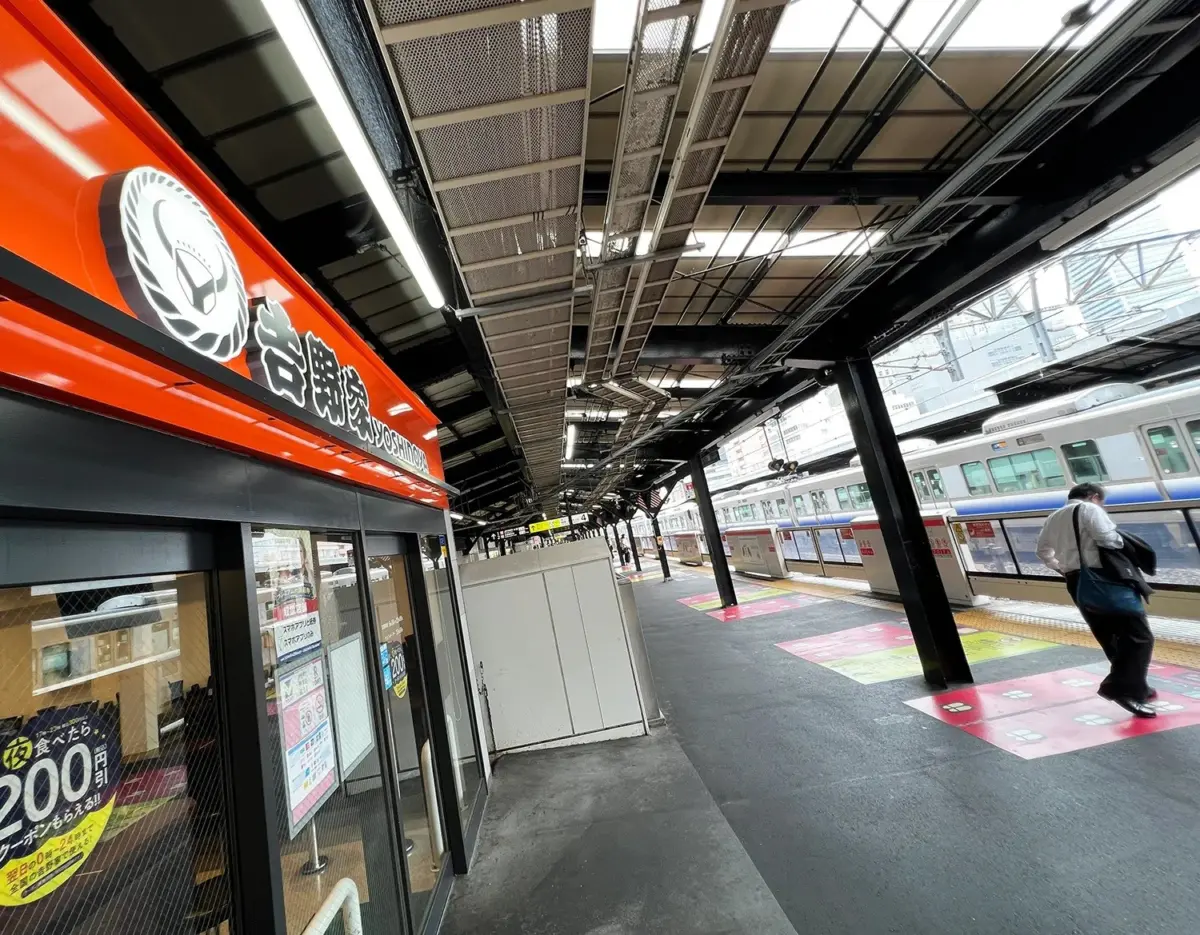
However, a recent journalistic expedition by SoraNews24’s Japanese-language reporter, Seiji Nakazawa, has shattered this long-held assumption. While transiting through the bustling transportation nexus of Osaka’s Kyobashi Station, Nakazawa stumbled upon a dining establishment so counterintuitive to traditional station design that it borders on the surreal: a full-service, platform-integrated Yoshinoya beef bowl restaurant.
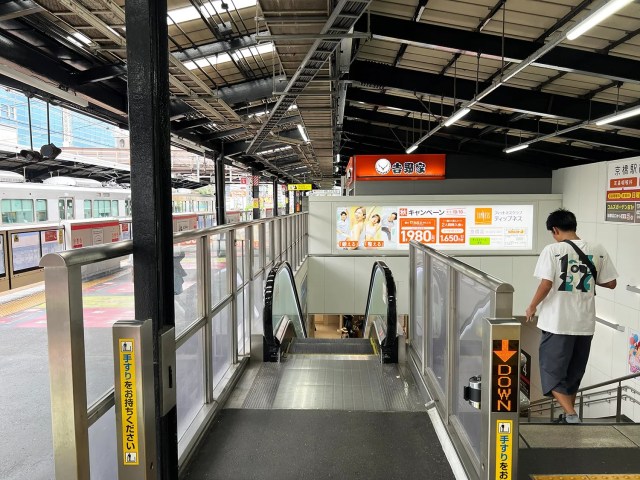
Situated directly on the outer track platform of the Osaka Loop Line, this establishment represents a monumental anomaly in Japanese transit gastronomy. Far from being a localized pop-up or a stripped-down kiosk, this branch delivers the complete Yoshinoya experience. Diners can step off a commuter train, walk a mere five paces, and settle into a counter seat where the iconic aroma of simmered beef and onions mingles with the ambient rumble of arriving railcars. With only one other verified counterpart existing across the entirety of Japan’s sprawling railway network—located on Platform 4 of Meitetsu Nagoya Station—the Kyobashi Station Yoshinoya stands as a masterclass in urban space utilization, operational efficiency, and uncompromised culinary consistency.
Detailed Chronology of the Discovery
The discovery of this rare culinary outpost unfolded as a routine transit commute turned into an investigative journey into fast-food logistics.
The Unexpected Sighting
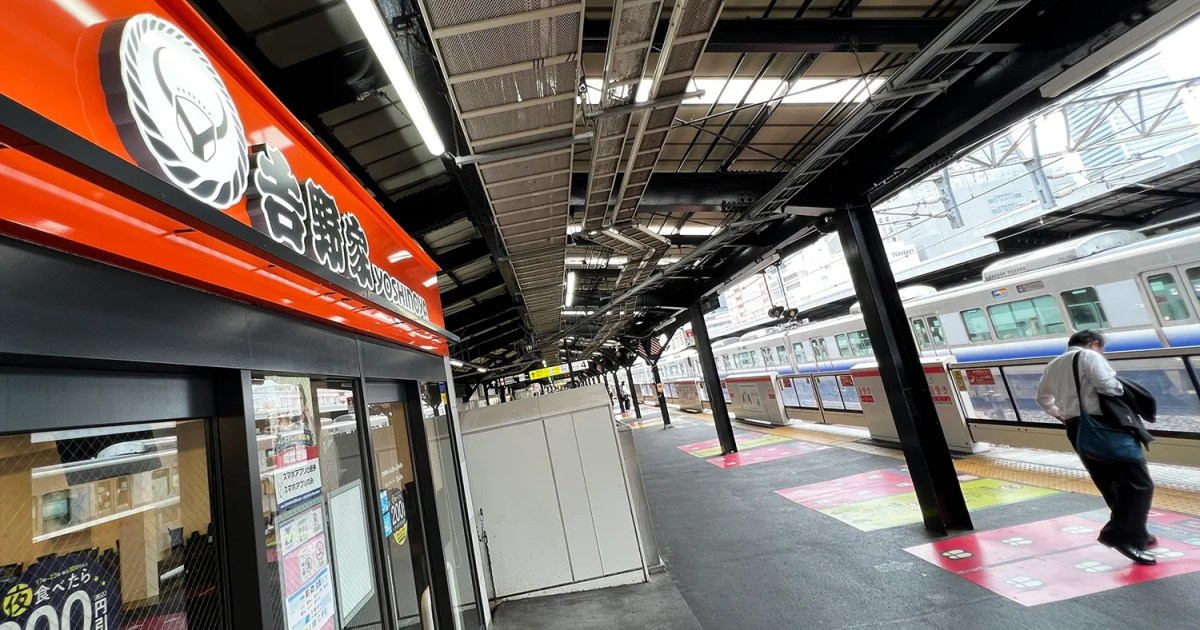
The encounter began when Nakazawa traversed the platform of Kyobashi Station on the Osaka Loop Line. Commuters in Japan are well-trained to tune out the standard sensory inputs of a train platform: the automated chime signaling an incoming train, the rustle of suits, and the omnipresent scent of dashi broth emanating from traditional standing-eat soba shops. Thus, when Nakazawa’s eyes registered the unmistakable bright orange signage bearing the name "Yoshinoya," a momentary cognitive dissonance occurred.
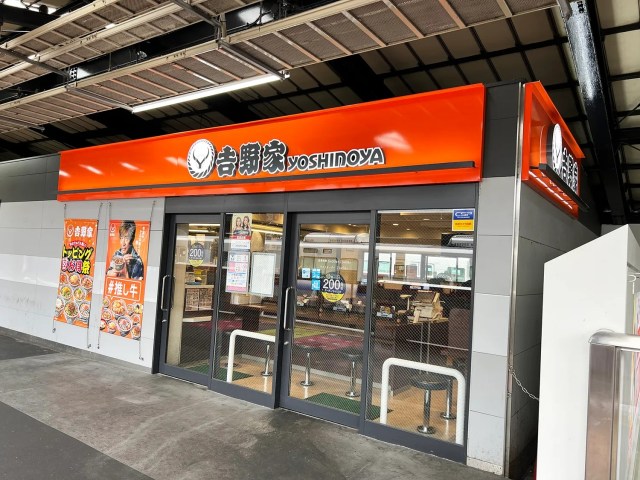
Skeptical of his own eyes—knowing that major gyudon (beef bowl) chains typically require substantial footprint allocations for food preparation, storage, and customer seating—he approached the storefront. There was no mistaking it. Wedged directly into the infrastructure of the station platform, fully exposed to the kinetic energy of daily commuters, sat a fully operational Yoshinoya restaurant.
Navigating the Menu and Ordering
Upon entering the micro-footprint branch, Nakazawa’s initial hypothesis was that the menu must be severely curtailed. Standard industry practices for space-constrained locations—such as airport kiosks or highway service areas—dictate a pared-down selection of core items to accelerate throughput and minimize inventory storage requirements.
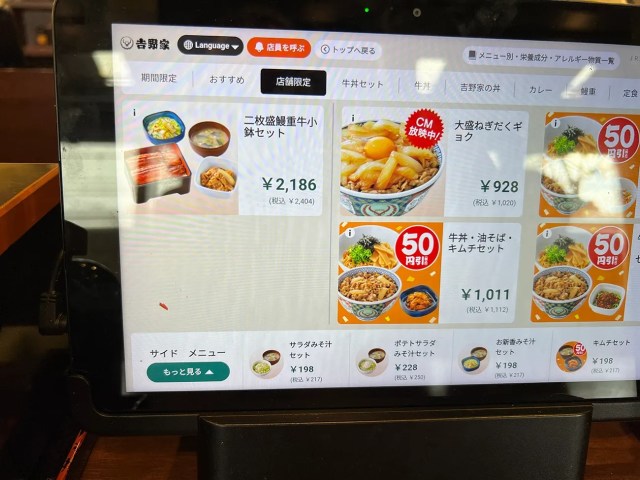
Approaching the digital ordering touch screen, however, revealed a surprising reality. The Kyobashi Station branch offers virtually the exact same expansive menu found at street-level, standalone Yoshinoya locations across the country. Diners are not restricted to a basic, single-serving beef bowl; rather, they are met with the full catalog of culinary offerings.
Whether a traveler desires a modest standard gyudon, a protein-packed extra-large portion, or the elaborate and luxurious seasonal combo meals—such as the grilled unagi (eel) paired with stewed gyudon beef, accompanied by miso soup and a crisp side salad—the kitchen staff operating within this compact platform enclosure are fully equipped to prepare it.
Quality and Cost Verification
A secondary concern accompanying such an unconventional placement is the potential for pricing inflation or a dip in quality control. In many transit hubs globally, convenience commands a hefty financial premium, and spatial limitations can occasionally compromise ingredient freshness or preparation standards.
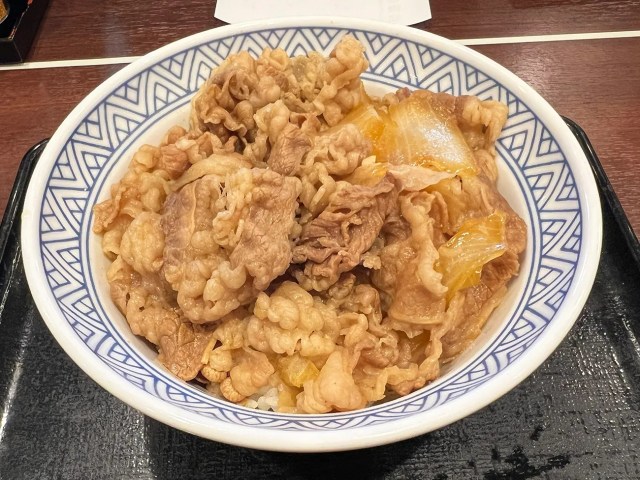
Nakazawa ordered a standard beef bowl to put these metrics to the test. The verdict was definitive:
- Pricing: The dishes are sold at standard nationwide Yoshinoya pricing structures, with zero markup or platform-convenience tax applied to the menu items.
- Quality: The flavor profile, tenderness of the beef, and overall presentation matched 100 percent with experiences at traditional roadside branches. The familiar, savory-sweet balance of soy sauce, mirin, and thinly sliced beef remained entirely uncompromised.
Supporting Context & Metrics: The Japanese Platform Dining Ecosystem
To fully appreciate the significance of the Kyobashi Station Yoshinoya, one must examine the broader socioeconomic and logistical framework of Japanese railway station architecture (ekinaka).
The Dominance of Noodle Shops
Japanese railway platforms have historically favored noodle shops for several structural reasons:
- Thermal Efficiency: A single, large vat of dashi can be maintained at a steady temperature for hours with minimal active intervention.
- Rapid Assembly: Par-cooked or quick-boil noodles require mere seconds to prepare, perfectly matching the tight turnover windows of passengers with limited transfer times.
- Minimal Footprint: Standing-room-only counters require virtually zero floor space, allowing hundreds of passengers to be processed per hour in narrow corridors.
The Rarity Matrix
Yoshinoya, founded in 1899 at the Nihonbashi fish market in Tokyo, revolutionized fast food with its "tasty, low-priced, and quick" philosophy. Yet, expanding onto active train platforms remains an exceedingly rare operational pivot.
| Metric / Feature | Typical Street-Level Yoshinoya | Kyobashi Station Platform Yoshinoya | Meitetsu Nagoya Station Platform Yoshinoya |
|---|---|---|---|
| Location Type | Free-standing buildings, strip malls, urban street fronts | Train Platform (JR Osaka Loop Line, Outer Track) | Train Platform (Meitetsu Nagoya Station, Platform 4) |
| Menu Availability | 100% Full Menu | 100% Full Menu | Standardized Platform Offering |
| Pricing | Standard Baseline | Standard Baseline | Standard Baseline |
| Payment Options | Cash, Credit, IC Cards (Suica/ICOCA) | Cash, Credit, IC Cards (Suica/ICOCA) | Cash, Credit, IC Cards (Suica/ICOCA) |
| Operating Hours | Often 24/7 or Extended Hours | 6:30 AM – 10:00 PM Daily | Aligned with Train Schedules |
As detailed in the comparison above, the Kyobashi branch is one of a microscopic elite. Its only known peer within the entire Japanese archipelago is situated on Platform 4 of Meitetsu Nagoya Station—itself located in a region renowned for boundary-pushing railway platform dining experiences.
Spatial Dynamics and the Surreal Commuter Experience
Eating at the Kyobashi Station Yoshinoya delivers a psychological duality that is difficult to replicate anywhere else in modern urban dining.
The Interplay of Mundane and Surreal
For patrons seated at the counter, the experience is defined by a distinct surrealism:
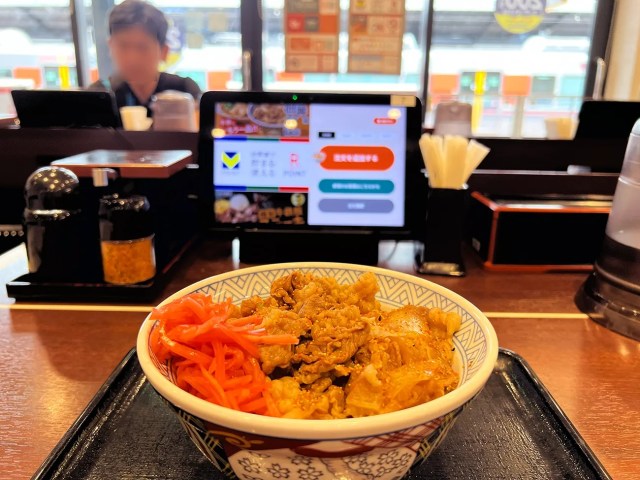
- The Visual Landscape: While lifting a chopstickful of glistening beef and onions to one’s mouth, diners look out through large glass panes directly onto the tracks. High-speed commuter trains brake, discharge passengers, and depart mere feet from the restaurant’s boundary walls.
- The Acoustic Environment: The low hum of train engines, the automated warning chimes, and the muffled footsteps of hundreds of rushing commuters form an industrial soundtrack to a deeply traditional, comforting meal.
- The Seating Arrangement: Unlike the frantic, grab-and-go nature of traditional platform kiosks where patrons stand shoulder-to-shoulder eating bowls of soba in under three minutes, this Yoshinoya features actual seated counter spaces. Commuters can sit down, slow down their internal clocks for ten minutes, and watch the frantic dance of urban transit unfold while completely insulated from the rush.
Seamless Digital Integration
In alignment with modern Japanese transit culture, payment methods reflect ultimate efficiency. While all modern Yoshinoya branches accept contactless IC transit cards—such as JR West’s ICOCA or the ubiquitous Suica—settling the bill at the Kyobashi platform branch via a simple tap of a commuter rail pass feels profoundly poetic. The card that granted physical passage through the station turnstiles also purchases the meal that sustains the journey, bridging transit infrastructure and personal sustenance into a single, cohesive loop.
Official Information and Operational Details
For travelers, rail enthusiasts, and culinary tourists looking to experience this architectural and gastronomic anomaly firsthand, official operational metrics are as follows:
- Official Name: Yoshinoya (JR Kyobashi Station Platform Branch) / 吉野家 JR京橋駅ホーム店
- Geographic Address: 1-2-31 Shin-Kita, Joto-ku, Osaka-shi, Osaka-fu 536-0001
- Location Specifics: Situated directly on the outer track platform of the Osaka Loop Line (JR West).
- Operating Hours: Open daily from 6:30 AM to 10:00 PM (operating continuously through morning, noon, and evening rushes, rather than restricting hours to peak commuting windows).
- Digital Access: Detailed store information and real-time operational status updates can be accessed via the official Yoshinoya Store Locator.
Future Outlook
The existence of platform-integrated major fast-food chains like the Kyobashi Station Yoshinoya challenges traditional urban planning paradigms for high-density transit hubs. As railway operators across the globe look for innovative ways to maximize commercial revenue per square meter while enhancing passenger satisfaction, the successful integration of a full-service, high-throughput restaurant onto an active commuter platform offers a compelling blueprint.
While regulatory hurdles, fire safety compliance, and tight spatial logistics will likely keep such installations exceptionally rare, the Kyobashi branch proves that operational constraints do not necessitate a compromise in quality or menu diversity. For now, it remains a hidden jewel of the Kansai rail network—a place where the relentless, clockwork precision of Japanese trains pauses just long enough for a hot, steaming bowl of beef and rice.








Belum ada komentar. Jadilah yang pertama berkomentar!