

Executive Overview
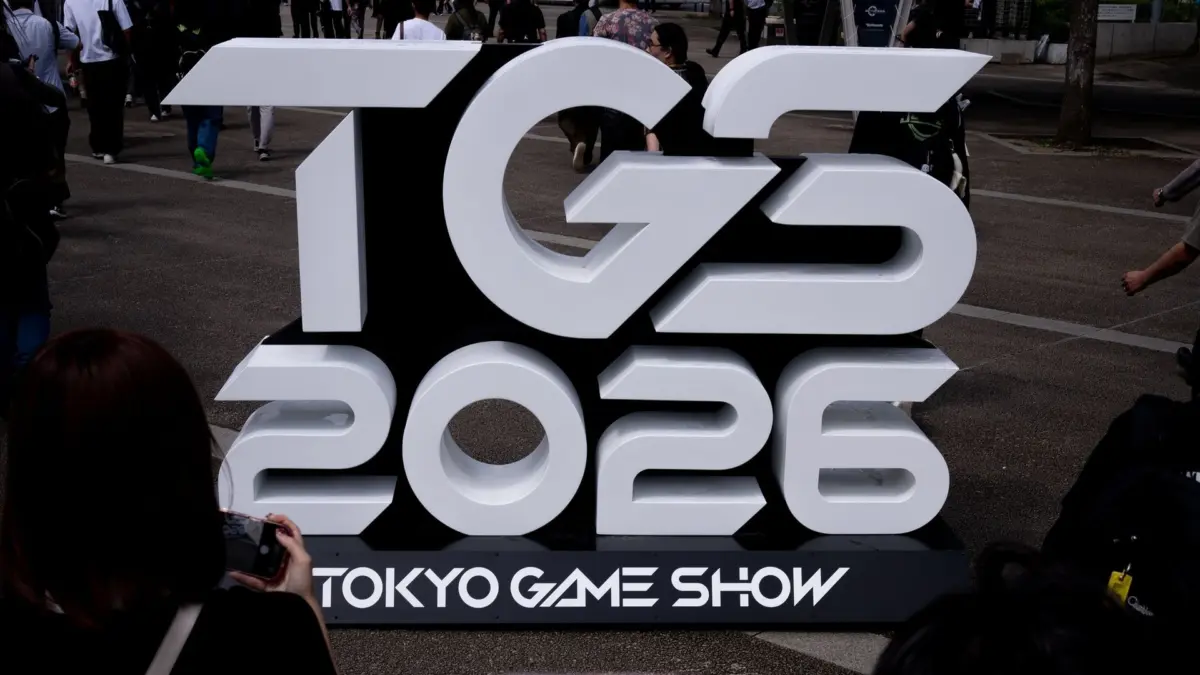
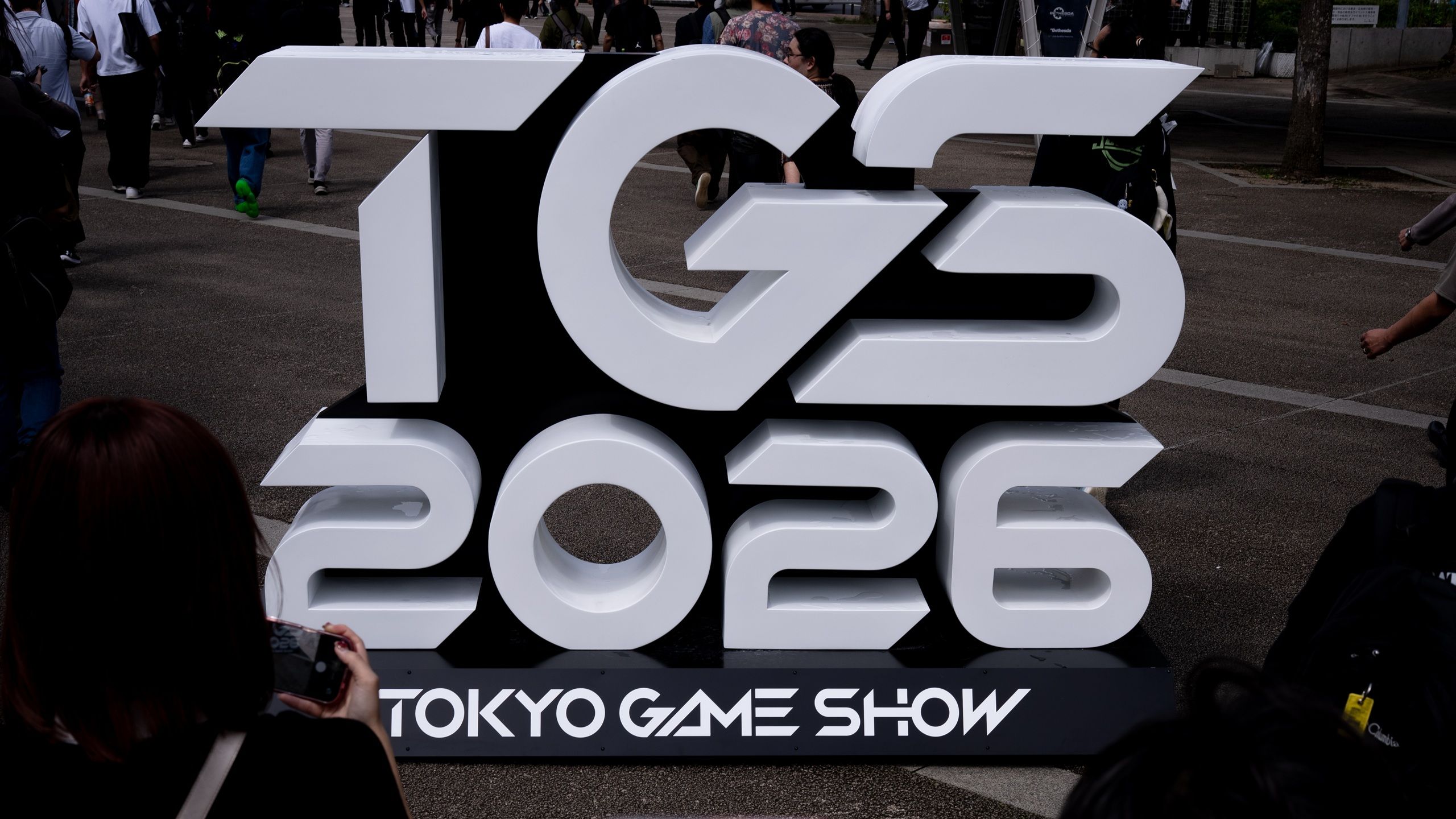
The 30th-anniversary milestone of the Tokyo Game Show (TGS)—one of the globe’s premier and most heavily attended interactive entertainment exhibitions—came to a premature and dramatic halt. Organizers of the monumental gaming convention officially announced the cancellation of the final day of the event, scaling back what was intended to be a groundbreaking, first-ever five-day exhibition in the convention’s storied history.
The decision comes in the direct path of Typhoon Dujuan, the 25th named tropical cyclone of the 2026 Pacific typhoon season. Meteorological forecasts projected severe weather conditions, including torrential downpours reaching up to 16 inches in parts of the Kanto region, alongside destructive gale-force winds. With public safety, attendee welfare, and regional infrastructure at immediate risk, executive committees opted to pull the plug on Monday, September 21, leaving thousands of ticket holders, international developers, and media personnel scrambling to adjust travel itineraries.
While the showfloor remained operational through Sunday, September 20—albeit under modified protocols—the sudden truncation casts a shadow over what was otherwise slated to be a triumphant celebration of three decades of Japanese and international game development. As refund procedures are swiftly implemented and transportation networks across Tokyo grind to a weather-induced standstill, the gaming industry is left to evaluate the logistical fallout of climate disruptions on major live events.
Detailed Chronology of the Crisis
The Build-Up: A Historic Milestone Cut Short
When planning for the Tokyo Game Show 2026 began, executives intended the event to be a watershed moment. For the first time in its three-decade lineage, TGS expanded its operational footprint from the traditional four-day schedule to an ambitious five-day lineup, designed to accommodate an ever-growing global audience eager to sample the latest technological breakthroughs, hardware reveals, and software titles.
The exhibition kicked off as scheduled, welcoming thousands of gaming enthusiasts, industry titans, press representatives, and content creators to the Makuhari Messe in Chiba, Japan. High-profile showcases, hands-on demos, and global broadcasts—including the annual PC Gaming Show: Tokyo Direct—proceeded smoothly through the opening days, building immense anticipation for the long weekend.
The Turning Point: The Approach of Typhoon Dujuan
By Saturday, September 19, meteorological warnings regarding Typhoon Dujuan escalated rapidly. Tracking systems confirmed that the storm was on a direct intercept course with Japan’s densely populated Kanto region, which encompasses the Greater Tokyo Area.
As forecasts hardened, predicting dangerously high wind speeds and historic rainfall totals by Sunday afternoon and persisting through Monday, the operational window for a safe public gathering vanished. Transport authorities across eastern Japan began signaling preemptive measures, threatening massive commuter strandings.
The Official Cancellation Announcement
Recognizing that an operational final day would expose tens of thousands of visitors to severe transit hazards, event organizers issued an urgent joint statement via social media channels and official press briefings late Saturday evening:
"Due to the approach of Typhoon No. 25, strong winds and rain are expected to intensify in the afternoon and beyond, and disruptions to transportation are also a concern. Therefore, prioritizing the safety of all attendees, exhibitors, and related parties, as well as ensuring safe return home, we have decided to cancel the event for the entire day."
The announcement immediately invalidated all admission tickets for Monday, September 21—a traditional holiday in Japan known as Respect for the Aged Day, which coincides with the autumn Silver Week holiday cluster. Organizers swiftly promised full, automated refunds for all affected ticket holders, though the administrative headache of reimbursing tens of thousands of digital and physical transactions remains a monumental task.
Supporting Context & Metrics: The Anatomy of Typhoon Dujuan
To understand the gravity of the decision to shutter TGS 2026, one must examine the sheer scale of the meteorological threat posed by Typhoon Dujuan.
According to reports published by The Japan Times, Dujuan represents the 25th officially named storm of the 2026 typhoon season, highlighting a particularly volatile meteorological period in the Northwest Pacific. Weather models indicated that the storm system carried immense moisture plumes capable of unleashing up to 16 inches of rainfall over targeted sectors of the Kanto plain in a matter of 24 to 36 hours.
Infrastructure and Transportation Collapse
Modern mega-exhibitions like the Tokyo Game Show rely fundamentally on the seamless operation of public mass transit. The Makuhari Messe convention center is heavily dependent on the Keiyo Line and surrounding rail networks to move upwards of 250,000 cumulative visitors in and out of the venue over a weekend.
As Typhoon Dujuan closed in:
- Rail Networks: East Japan Railway Company (JR East) announced rolling suspensions and full service halts across multiple high-speed commuter and regional lines, citing risks of flooding, track debris, and high winds.
- Aviation: Major domestic carriers, including Nippon Airways (ANA) and Japan Airlines (JAL), preemptively grounded or canceled dozens of flights originating from and arriving at Haneda and Narita international airports.
- Local Commuting: Municipal authorities across Chiba and Tokyo issued advisories urging residents to remain indoors, effectively rendering public attendance at an open-air or convention environment untenable.
Official Statements and Industry Impact
Exhibitor and Developer Dilemmas
While visitor safety provided the ethical and practical imperative for the cancellation, the sudden termination of Monday’s schedule created an unprecedented commercial and logistical crisis for exhibitors, independent developers, and hardware vendors.
Publishers spend hundreds of thousands—sometimes millions—of dollars securing floor space, constructing elaborate booths, hiring event staff, and shipping promotional merchandise tailored precisely to the duration of the event. While organizers have pledged full cooperation regarding ticket holders, formal policies addressing the financial compensation or partial reimbursement for commercial exhibitors forced to shutter operations a day early remain sparse.
Industry analysts note that many smaller indie studios, particularly those participating via international collective booths, operate on razor-thin margins. Losing the final high-volume consumer day—traditionally a peak window for retail sales, consumer feedback, and community engagement—represents a tangible financial blow.
Media and Digital Pivots
Despite the physical truncation of the showfloor, media outlets and digital broadcasts managed to capture the majority of scheduled announcements prior to the storm’s peak severity.
The annual PC Gaming Show: Tokyo Direct, a staple of the TGS digital programming slate, successfully broadcast its lineup of exclusive trailers, developer interviews, and world premieres. Viewers unable to catch the live stream due to early event shutdowns or local weather preparations can access the Video on Demand (VOD) via YouTube or review aggregated compilation lists detailing every major reveal, trailer, and indie darling showcased during the digital presentation.
Future Outlook: Lessons for the Convention Industry
The premature closure of the Tokyo Game Show 2026 serves as a stark reminder of the mounting vulnerabilities large-scale public events face in an era of shifting global climate patterns. As extreme weather events increase in frequency and intensity across East Asia and the globe, exhibition organizers are forced to adopt more agile, risk-mitigation strategies.
What This Means for Future TGS Events
- Flexibility in Scheduling: The experiment of running a historic five-day TGS will likely be re-evaluated. While the extra day was designed to alleviate crowding and accommodate massive post-pandemic demand, weather exposure over a longer operational window increases statistical vulnerability to seasonal typhoons.
- Enhanced Crisis Communication Protocols: The rapid dissemination of cancellation notices and swift commitment to ticket refunds demonstrated commendable institutional readiness. However, future iterations will need to establish clearer, pre-negotiated relief frameworks for commercial exhibitors caught in sudden force majeure closures.
- Hybrid Event Resilience: The success of digital showcases like the Tokyo Direct highlights the absolute necessity of robust hybrid frameworks. When physical doors must close due to natural disasters, digital pipelines ensure that the global gaming audience can still engage with developer creations, mitigating economic and cultural stagnation.
As Tokyo cleanses itself of Dujuan’s heavy downpours and rail lines resume standard operations, the interactive entertainment community extends its solidarity to the residents of the Kanto region and the staff of the Tokyo Game Show. While the 30th-anniversary celebration did not conclude precisely as scripted, the resilience displayed by organizers, press, and developers ensures that TGS will return stronger—and perhaps a bit more weather-wary—when it opens its doors once again.






Belum ada komentar. Jadilah yang pertama berkomentar!