

In an unprecedented union of Japan’s ancient imperial heritage and its contemporary pop-culture soft power, Emperor Naruhito and Empress Masako embarked on a high-profile, highly publicized excursion to Ghibli Park. The royal couple’s visit to the sprawling, whimsical attraction in Aichi Prefecture blended traditional state-level itinerary stops with an unmistakably modern, lighthearted date. Amid a bustling official schedule that included regional engagements and athletic showcases, the reigning monarchs carved out time to immerse themselves in the handcrafted, nostalgic universe built by Studio Ghibli, Japan’s most internationally revered animation powerhouse.
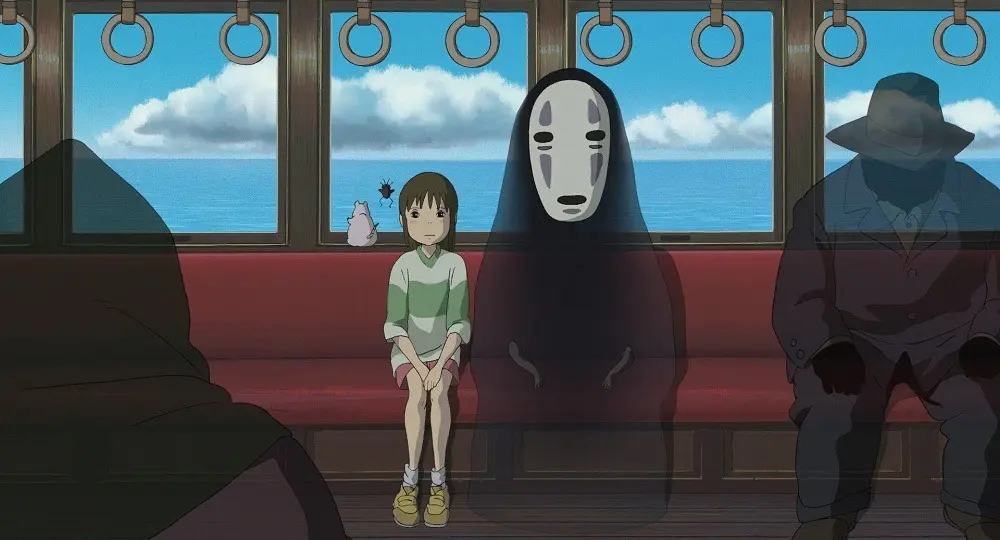
The visit, captured extensively by national media and official royal correspondents, featured rare, candid moments: the 66-year-old emperor requesting an aide to snap a smartphone photograph of him and his 62-year-old wife seated next to the iconic, silent spirit No Face from the cinematic masterpiece Spirited Away. Guided personally by Goro Miyazaki—the creative mastermind behind the park and son of legendary co-founder Hayao Miyazaki—the imperial couple toured the crown jewel of the development, Ghibli’s Grand Warehouse.
While the imagery of a reigning emperor using a modern smartphone to photograph a fictional animated spirit might seem lighthearted, the event carries significant socio-cultural weight. It underscores the evolving public persona of the modern Chrysanthemum Throne—one striving for greater accessibility, cultural relevance, and engagement with the daily lives and passions of ordinary citizens. This in-depth report explores the chronology of the royal visit, the unique architectural and cultural significance of Ghibli Park, the intersection of modern royalty with pop-culture tourism, and the broader implications for Japan’s tourism economy.
Detailed Chronology of the Imperial Visit
The imperial couple’s journey to Ghibli Park occurred on the second morning of a tightly packed, two-day official visit to Aichi Prefecture. While royal tours typically focus on industrial sites, disaster reconstruction zones, historical museums, or agricultural showcases, this itinerary offered a deliberate nod to Japan’s modern cultural exports.
Arrival and Entry into Ghibli’s Grand Warehouse
Nestled within the expansive grounds of the Expo 2005 Aichi Commemorative Park in Nagakute City, Ghibli Park does not rely on traditional, high-thrill rollercoasters or towering mechanical rides. Instead, it offers immersive, narrative-driven zones that blend seamlessly into the surrounding natural landscape.
Upon arrival, Emperor Naruhito and Empress Masako were greeted by Goro Miyazaki, dressed in a signature black polo shirt, who served as their personal docent. The choice of guide was particularly fitting; as the director and primary designer of the park’s master layout, Miyazaki was uniquely positioned to explain the intricate craftsmanship, hidden Easter eggs, and philosophical foundations underpinning the attractions.
The tour focused heavily on Ghibli’s Grand Warehouse, an indoor facility protected from the elements that houses an eclectic mix of permanent exhibition spaces, storage for classic Studio Ghibli production materials, and theatrical screening rooms.
The Spirited Away Photo-Op and Cultural Relatable Moments
One of the most widely circulated moments of the tour occurred within the Becoming Characters in Memorable Ghibli Scenes exhibit. This popular interactive installation features a series of meticulously crafted, diorama-style sets that allow visitors to step directly into cinematic history.
In a scene that delighted onlookers and royal watchers alike, Emperor Naruhito and Empress Masako posed inside the famous train carriage alongside No Face—the melancholy, transparent-faced spirit from Spirited Away. Demonstrating the ubiquity of modern technology, the Emperor handed his personal smartphone to a member of his administrative entourage, asking them to capture the memory. The image of the head of state acting just like any ordinary tourist on a weekend date instantly resonated across Japanese social media platforms, highlighting a rare, relaxed human side of the monarchy.
The Catbus Encounter and Strict Park Regulations
Following their cinematic encounter, the royal couple moved into the Catbus play room, a vibrant, tactile space designed primarily for younger visitors. Here, they engaged warmly with a group of local elementary school children who were visiting the park.
In a humorous display of institutional equity, the strict rules of Ghibli Park applied even to the sovereign ruler of the nation. While the giant, plush Catbus is a legendary attraction within the room, park guidelines strictly prohibit adults from entering or climbing inside the vehicle to preserve the delicate materials for children. True to form, both Emperor Naruhito and Empress Masako adhered strictly to the regulations, remaining comfortably in the adults-allowed perimeter while kneeling to converse and interact with the school children.
Afternoon Transition: From Anime to Athletics
Following their immersive morning in the world of animation, the imperial couple had to swiftly pivot back to conventional state duties. Later that afternoon, Emperor Naruhito and Empress Masako made a scheduled appearance at the Aichi Arena to observe a high-stakes women’s basketball match between the national teams of Japan and Kazakhstan, held in connection with the Asian Games 2026 framework.
This seamless transition from fantastical, hand-drawn cinematic realms to competitive international athletics encapsulated the demanding, diverse nature of modern imperial public relations.
Supporting Context & Metrics: The Anatomy of Ghibli Park
To understand the cultural weight of the emperor’s visit, one must examine the scale, philosophy, and economic impact of Ghibli Park itself. Opened in phases beginning in November 2022, the park represents a radical departure from conventional theme park design.
Design Philosophy and Integration
Unlike Tokyo Disneyland or Universal Studios Japan, Ghibli Park was explicitly built with a "no-destruction" mandate. Constructed on the former site of the 2005 World Exposition (Ai·The Expo), the park utilizes pre-existing structures and integrates its zones directly into the surrounding forest without cutting down old-growth trees.
The park is currently divided into five distinct operational zones:
- Ghibli’s Grand Warehouse: An indoor, climate-controlled facility housing exhibition halls, a 170-seat cinema (Orion Theatre), shops, cafes, and interactive dioramas.
- Hill of Youth: Featuring the retro World Emporium antique shop from Whisper of the Heart and architectural nods to The Cat Returns.
- Dondoko Forest: Inspired by My Neighbor Totoro, featuring Satsuki and Mei’s house and a massive, climbable wooden Totoro structure.
- Valley of Witches: A European-inspired brick-and-mortar district reflecting Howl’s Moving Castle, Kiki’s Delivery Service, and Earwig and the Witch.
- Mononoke Village: A rural, charcoal-burning village aesthetic inspired by Princess Mononoke.
Economic and Cultural Footprint
Ghibli Park has rapidly established itself as a premier driver of domestic and international tourism in Aichi Prefecture. According to regional economic impact studies, the park generates billions of yen annually in localized spending, hospitality, and transport revenue.
| Metric / Feature | Specification |
|---|---|
| Location | Aichi Commemorative Park, Nagakute, Aichi Prefecture |
| Key Creative Force | Goro Miyazaki (Studio Ghibli / Hayao Miyazaki’s son) |
| Opening Era | Phased launch beginning November 2022 |
| Park Model | Eco-friendly, low-impact integration with existing parkland |
| Exhibition Highlight | Spirited Away train diorama, Catbus play room |
The attraction continues to innovate. In addition to permanent fixtures, the park regularly introduces exclusive cinematic experiences. Most notably, Studio Ghibli produces unique short animated films screened exclusively at the Grand Warehouse’s Orion Theatre—films that are strictly prohibited from streaming or viewing anywhere else in the world, adding an elite layer of cultural exclusivity that likely caught the attention of even the imperial household.
Official Statements and Institutional Perspectives
While direct, informal quotes from the Emperor and Empress during private recreational moments are rare, spokespersons from the Imperial Household Agency (IHA) and local government representatives provided context regarding the motivations behind the tour.
The Imperial Household Agency’s Evolving Strategy
In recent years, the IHA has pursued a calculated modernization strategy. Under the guidance of Emperor Naruhito and Empress Masako, the Chrysanthemum Throne has sought to foster a more accessible, empathetic public image. Observers note that while previous generations of emperors maintained a more distant, solemn aesthetic, Naruhito and Masako have consistently emphasized cultural engagement, environmentalism, and modern societal connection.
An IHA official noted prior to the Aichi trip that the Emperor maintains a deep personal interest in water conservation, history, and cultural arts. Allowing public access to images of the Emperor casually posing with pop-culture icons like No Face serves as a powerful signal that traditional Japanese values and contemporary pop culture can coexist harmoniously at the highest levels of society.
Goro Miyazaki and Studio Ghibli’s Reaction
Hosting the head of state is a logistical and ceremonial undertaking of the highest order. Goro Miyazaki, who walked the grounds with the monarchs, expressed quiet appreciation for their genuine curiosity. Unlike corporate executives who might view such visits strictly through a public-relations lens, Miyazaki’s personal guided tour highlighted his deep investment in the park’s narrative integrity.
By taking the time to explain the hidden production details, the hand-painted textures of the Grand Warehouse sets, and the environmental preservation ethos of the park, Miyazaki offered the imperial couple an authentic masterclass in modern Japanese artistic expression.
Future Outlook: Royalty, Pop Culture, and National Soft Power
The image of Japan’s reigning monarch smiling alongside an animated spirit marks a fascinating milestone in the evolution of the world’s oldest continuous hereditary monarchy. As Japan navigates a complex modern landscape defined by global tourism, economic shifts, and the explosive international reach of its "Cool Japan" soft power, the endorsement—implicit or explicit—of cultural landmarks by the imperial family carries substantial weight.
The Modernization of Imperial Diplomacy
Moving forward, observers anticipate that future imperial engagements will increasingly blend traditional diplomatic duties with touchpoints celebrating contemporary creative industries. As anime, manga, and digital art continue to anchor Japan’s global cultural identity, the willingness of the imperial family to embrace these mediums helps bridge generational divides within the domestic populace.
Sustaining the Ghibli Phenomenon
For Ghibli Park, the royal endorsement solidifies its status not merely as a commercial theme park, but as a recognized national cultural treasure. With seasonal expansions, such as special after-dark outdoor autumn screenings planned for upcoming cinematic projects, the park continues to draw massive international demand. Reservations remain notoriously difficult to secure, and the stamp of approval from Emperor Naruhito and Empress Masako will undoubtedly cement its reputation as a mandatory pilgrimage site for both foreign travelers and proud Japanese citizens alike.
In the final analysis, the imperial couple’s date at Ghibli Park was far more than a simple photo-op. It was a masterclass in modern cultural diplomacy—proving that even under the weight of an ancient crown, there is always room to step onto a fictional train, sit beside a quiet spirit, and appreciate the magic of storytelling.





Belum ada komentar. Jadilah yang pertama berkomentar!