

Executive Overview
Kyoto, the ancient capital of Japan, remains one of the most culturally revered and heavily visited destinations on the global tourism map. For generations, travelers have flocked to its iconic districts—Gion, Arashiyama, and Fushimi—to experience historic teahouses, sweeping bamboo groves, and endless corridors of vermilion torii gates. However, the immense popularity of these landmark locations has created a severe overtourism challenge. Navigating these historic streets during peak seasonal shifts, particularly the vibrant autumn foliage season (koyo), often means shoulder-to-shoulder crowds, long queues, and a diluted cultural experience.
For travelers seeking a profound, tranquil connection with Japan’s heritage without sacrificing visual splendor, the solution lies just beyond the traditional tourist bubble. Enter Yamashina, a historic neighborhood situated a mere five-minute train ride east of Kyoto Station. While Yamashina sits outside the conventional downtown tourist circuit, it safeguards one of the city’s most breathtaking autumn destinations: Bishamondo Monzeki.
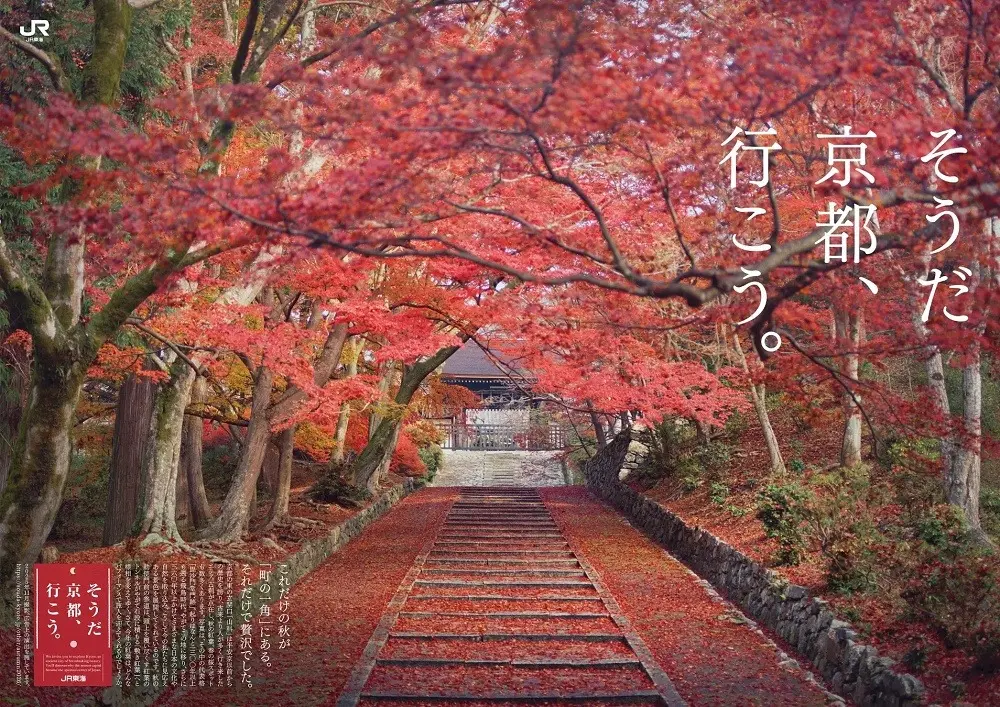
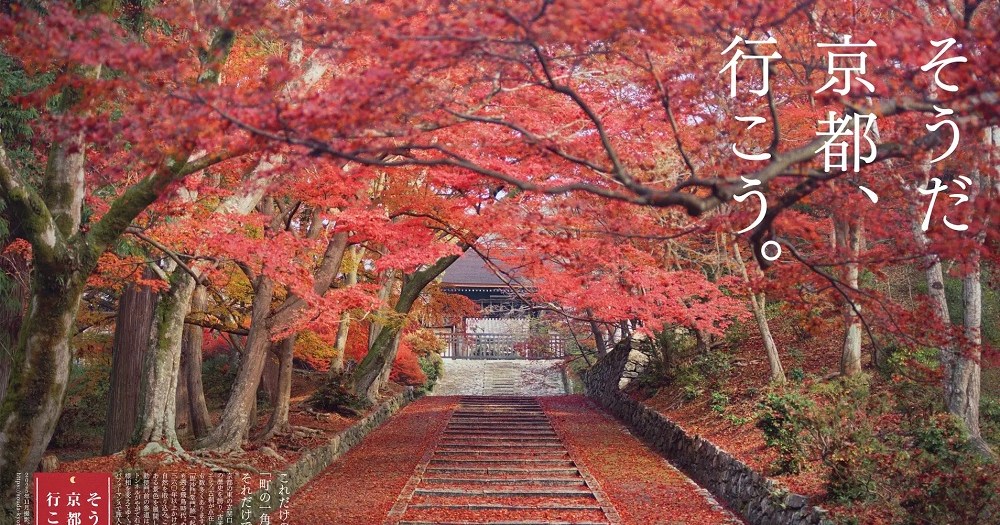
Founded in the early eighth century and relocated to its current hillside sanctuary in 1665, Bishamondo Monzeki is celebrated for its stunning stone stairways canopied by ancient maple trees. When autumn arrives, these maples shed a crimson carpet across the temple grounds, creating a visual masterpiece that rivals any major downtown attraction. To help travelers experience this hidden gem at its absolute best, Japan Railways (JR) has introduced an exclusive early-admission initiative through its EX online booking service. By granting access one hour before public opening gates swing wide, this program offers a rare window of solitude amidst the blazing colors of Kyoto’s autumn.
Detailed Chronology: The History and Evolution of Bishamondo Monzeki
To truly appreciate the understated elegance of Bishamondo Monzeki, one must examine its long, resilient history, which spans over thirteen centuries of imperial patronage, relocation, and religious devotion.
Origins and Early Foundations (703 CE)
The lineage of Bishamondo Monzeki traces back to the year 703 CE, during the Asuka period of Japanese history. Originally established under the auspices of high-ranking Buddhist clergy and imperial supporters, the temple was initially constructed to enshrine statues of Bishamonten (Vaisravana)—one of the Four Heavenly Kings in Buddhism, revered as a guardian deity of northern directions, wealth, and protection.
For centuries, the temple shifted locations as political power centers evolved within the ancient capital. Despite these migrations, the institution retained its prestigious monzeki status, a designation historically reserved for temples whose head priests were members of the Japanese imperial family (gotoke). This status elevated Bishamondo Monzeki far above a standard neighborhood place of worship, endowing it with priceless works of art, architectural precision, and deep ties to the imperial court.
Relocation to Mt. Bishamon (1665)
The modern era of Bishamondo Monzeki took root in 1665, during the early Edo period, when the complex was permanently established in its current scenic location nestled into the foothills of Mt. Bishamon in the Yamashina ward.
The choice of site was deliberate. Tucked away from the bustling urban center of Kyoto yet easily accessible via ancient mountain passes, the foothills provided the ideal environment for meditative monastic life. The architectural layout was refined to incorporate traditional shoin-zukuri residential styles, expansive rock gardens, and defensive yet graceful stone stairways that harmonized with the surrounding topography. Over the centuries, generations of monks planted hundreds of maple and cherry trees along these slopes, transforming the temple grounds into a seasonal sanctuary that shifts dramatically with Japan’s four distinct climatic chapters.
The Modern Tourism Era and the JR Partnership
As global tourism surged through the late 20th and early 21st centuries, Kyoto experienced unprecedented structural strain. Iconic locations like Kiyomizu-dera and Fushimi Inari Taisha began welcoming tens of millions of visitors annually, leading local municipalities to implement crowd-management policies and residents to voice concerns over urban congestion.
Recognizing the economic and social imperative to disperse tourist traffic into lesser-known neighborhoods, regional transportation authorities and cultural preservationists began collaborating on decentralized travel initiatives. The partnership between Japan Railways (JR) and cultural sites like Bishamondo Monzeki represents the latest evolution in this journey. By utilizing digital reservation systems like the EX travel platform, authorities can curate visitor flows, protect delicate historical infrastructure from sudden influxes of foot traffic, and offer discerning travelers an elite, unhurried cultural encounter.
Supporting Context & Metrics: Navigating Yamashina and the Autumn Landscape
Understanding the logistics, timing, and environmental factors surrounding a visit to Bishamondo Monzeki is essential for maximizing the experience. Below is an exhaustive breakdown of the travel metrics, scheduling details, and geographical context required to plan a seamless journey.
Geographical Proximity and Transit Metrics
Many international travelers operate under the assumption that escaping tourist crowds requires traveling hours outside major urban centers. Yamashina shatters this misconception:
- Distance from Kyoto Station: Approximately a 5-minute journey east via local JR train lines (such as the JR Biwako Line or JR Tokaido Line).
- Station Arrival to Temple Gates: A pleasant 15-minute walk north from Yamashina Station, guiding visitors through quiet residential streets, small canals, and gentle ascents into the foothills of Mt. Bishamon.
- Buffer Zone Effect: Because Yamashina sits on the opposite side of the eastern mountain ridge from downtown hubs like Gion and Yasaka Shrine, it effectively filters out casual, spontaneous foot traffic, shielding the neighborhood from day-trip congestion.
Standard Operating Hours vs. Exclusive Access Metrics
Ordinarily, Bishamondo Monzeki maintains standard tourist hours designed to accommodate general public sightseeing:
- Standard Season (Spring through Autumn): 9:00 AM to 5:00 PM.
- Winter Season (December through February): 9:00 AM to 4:00 PM.
However, the specialized JR EX online travel booking service program alters these parameters for early risers:
- Early Admission Start Time: 8:00 AM (one full hour prior to the general public opening).
- Program Pricing: 1,800 Japanese Yen (approximately US $11.00) per person.
- Designated Access Dates: November 22, November 28, November 29, and December 5. These specific dates are strategically chosen to coincide with the statistical peak of the autumn koyo (maple leaf color change) cycle in the Yamashina foothills.
Comparative Tourist Density Index (TD Index)
| Location | Average Daily Visitors (Peak Autumn) | Noise Level / Atmosphere | Photographic Accessibility |
|---|---|---|---|
| Arashiyama Bamboo Grove | Extremely High (20,000+ daily) | Busy, chaotic, commercialized | Difficult to capture without crowds |
| Gion District / Hanamikoji | Extremely High (15,000+ daily) | Congested, restricted zones | Highly regulated, strict photo rules |
| Kiyomizu-dera Temple | Peak Density (30,000+ daily) | Packed walkways, queue-heavy | Requires extreme patience |
| Bishamondo Monzeki (Standard Hours) | Moderate (1,000–3,000 daily) | Calm, contemplative | Good during mid-day lulls |
| Bishamondo Monzeki (JR EX Early Access) | Ultra-Low (Capped capacity, <50 visitors) | Silent, serene, undisturbed | Pristine, unobstructed compositions |
Official Statements and Stakeholder Perspectives
The implementation of targeted early-access programs reflects a broader shift in Japanese tourism management—moving away from unrestricted mass tourism and toward sustainable, high-value cultural stewardship.
Regional Tourism Authorities and JR Central
Representatives from Japan Railways Central (JR Central) have emphasized that digital reservation platforms are vital tools for modern infrastructure management. In statements regarding the expansion of optional cultural facilities through the EX booking ecosystem, transport planners noted:
"Our objective is not merely to transport passengers from point A to point B, but to enrich the entire travel lifecycle. By partnering with historic institutions like Bishamondo Monzeki, we can alleviate localized congestion in downtown Kyoto while offering visitors an intimate, high-quality engagement with Japan’s spiritual heritage. Early-morning access passes ensure that delicate temple grounds are preserved, local communities experience balanced foot traffic, and travelers enjoy a deeply personal encounter with nature and history."
Temple Administration and Cultural Custodians
The resident priesthood at Bishamondo Monzeki has long championed a balanced approach to heritage preservation. While welcoming those eager to study the temple’s priceless cultural assets—including sliding door paintings (fusuma-e) attributed to classical Kano school artists—temple leadership has repeatedly stressed the importance of respectful contemplation.
In official temple communications, administrative staff highlighted the unique spiritual resonance of the morning hours:
"The stone stairway flanked by maple trees is not merely a scenic photo opportunity; it is a threshold. In the quiet hours before the morning bell, the rustling of falling leaves and the crisp mountain air allow visitors to experience the temple as it was intended centuries ago—as a place of quiet reflection, gratitude, and harmony with the natural changing of the seasons."
Future Outlook: The Sustainable Future of Kyoto Tourism
As global travel continues to rebound and expand, destinations worldwide are grappling with the ecological and social impacts of overtourism. Kyoto has emerged as a pioneer in testing innovative administrative frameworks to protect its cultural legacy.
Decentralizing the Tourist Footprint
Initiatives like the Yamashina early-access program point the way toward a sustainable future for Japanese tourism. By incentivizing travelers to explore peripheral neighborhoods—such as Yamashina, Ohara, or Fushimi’s backstreets—city planners can distribute economic benefits across a wider geographic area while preserving the fragile ecosystems and quiet residential lifestyles of historic centers.
The Rise of Digital Curation and Timed Entry
The success of platforms like the JR EX booking service signals a permanent shift toward digitized, data-driven tourism management. Future travel in historic Japanese cities will likely rely heavily on:
- Capped Capacity Models: Restricting hourly visitor numbers to protect ancient wooden structures and temple gardens.
- Premium Early/Late Access Passes: Offering exclusive time slots that fund ongoing preservation efforts while guaranteeing a superior visitor experience.
- Educational Integration: Encouraging travelers to engage deeply with local history rather than engaging in "checklist tourism."
Conclusion: An Invitation to Awaken Early
For the traveler willing to step outside the well-worn paths of Gion and Arashiyama, the rewards are immense. By taking a five-minute train ride east to Yamashina and securing an early-morning pass to Bishamondo Monzeki, visitors unlock a side of Kyoto that few international tourists ever witness. As the morning sun pierces the crimson canopy of the ancient maple stairway, illuminating a carpet of fallen leaves in absolute silence, the true soul of Japan’s ancient capital reveals itself—untouched, serene, and unforgettable.








Belum ada komentar. Jadilah yang pertama berkomentar!