

Executive Overview
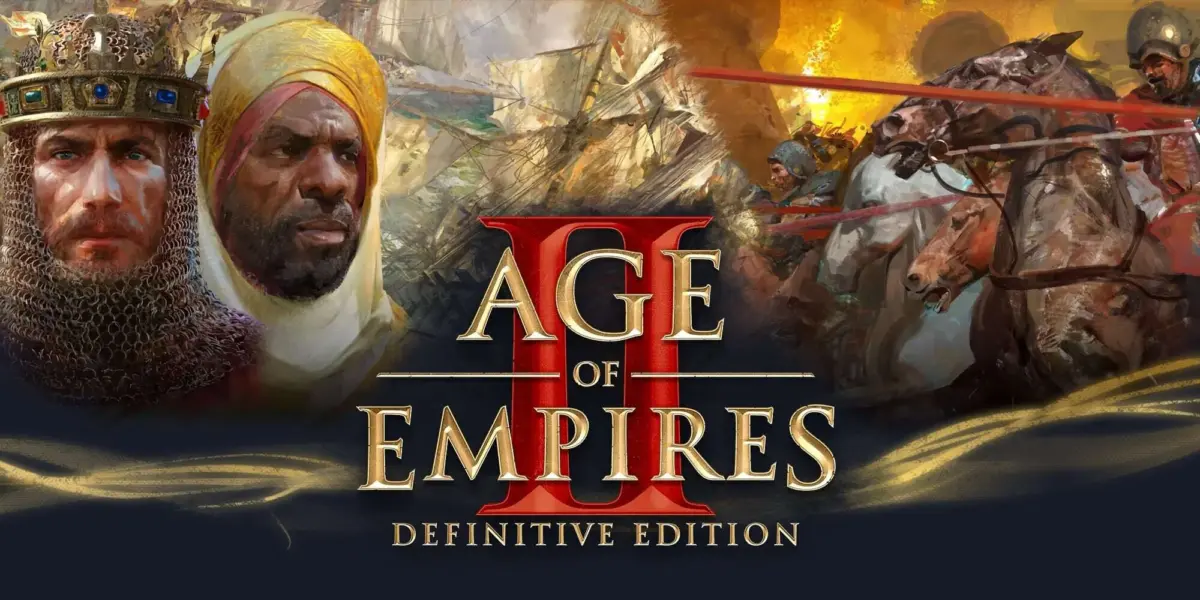
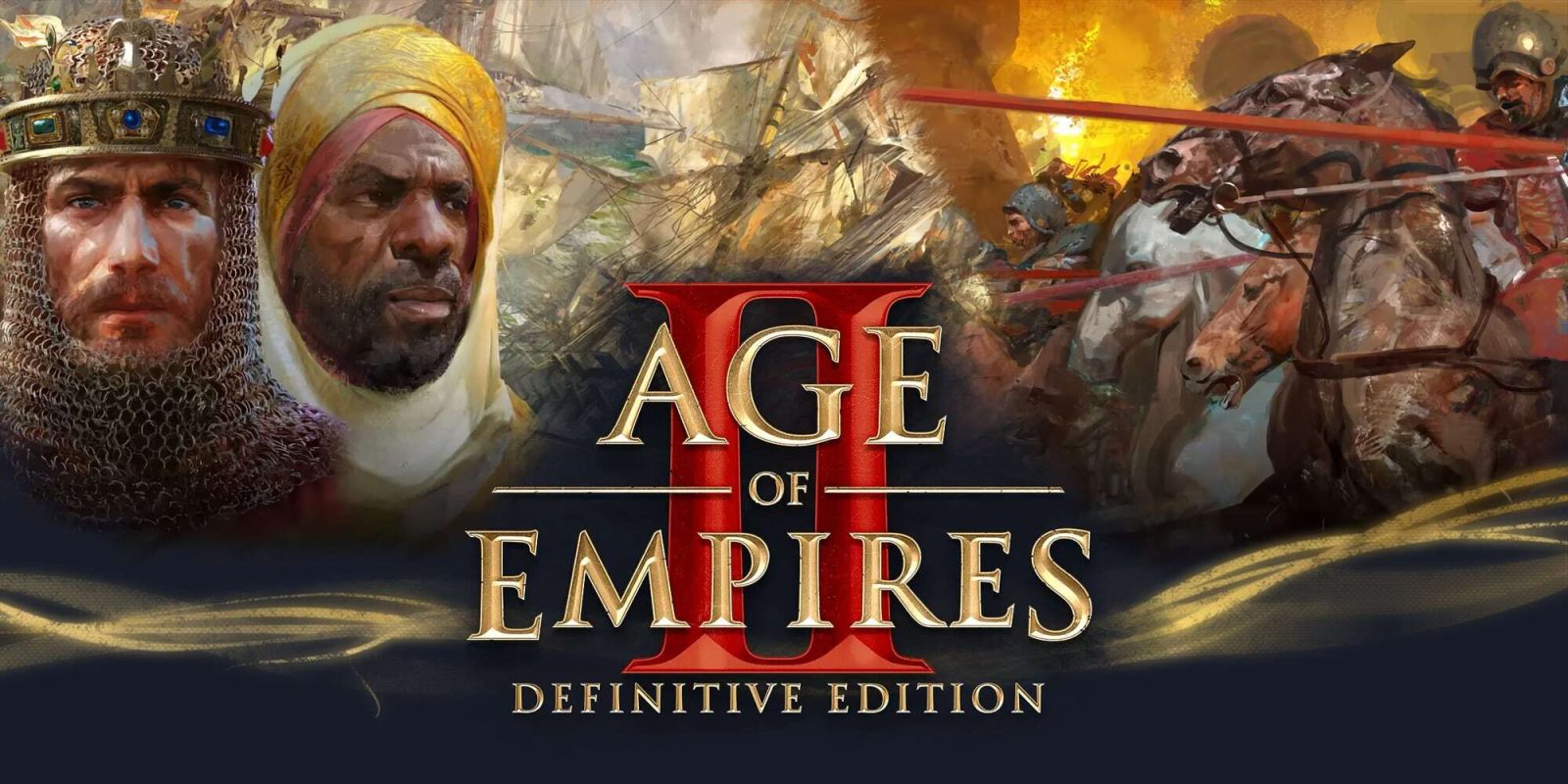
In what marks another significant milestone for Apple’s ongoing crusade to reshape the narrative around Mac gaming, Microsoft and its studio partners have officially announced that Age of Empires II: Definitive Edition is making its long-awaited debut on macOS. Set for release on Thursday, May 28, this monumental addition injects one of the most celebrated real-time strategy (RTS) franchises in history directly into the burgeoning Apple silicon ecosystem.
For years, the Mac has fought an uphill battle against the perception that it is fundamentally incompatible with serious, high-performance gaming. However, Apple’s concerted investments—spanning powerful custom silicon architectures (from the M1 through the M4 and beyond), the Game Porting Toolkit, MetalFX Upscaling, and a more aggressive outreach program to major developers—are steadily bearing fruit. While Age of Empires II: Definitive Edition is arriving via a staggered release window rather than a simultaneous day-one drop—launching first on Steam, with a Mac App Store rollout scheduled for later in the year—its inclusion in the macOS library is a massive win for strategy enthusiasts. It bridges a historical software gap for a platform that has increasingly proven its capability to handle complex, graphically demanding titles.
This article provides an in-depth look at the upcoming macOS launch, breaks down the content included in the package, analyzes the shifting landscape of Mac gaming in light of recent heavy-hitter releases like Crimson Desert, and evaluates what this means for the future of entertainment on Apple desktop and laptop computers.
Detailed Chronology: From Medieval Roots to the Apple Silicon Era
To fully appreciate the gravity of Age of Empires II arriving on macOS, one must first look at the trajectory of both the game and Apple’s platform.
Originally developed by Ensemble Studios and published by Microsoft Game Studios in 1999, Age of Empires II: The Age of Kings quickly established itself as a defining pillar of the RTS genre. Set in the Middle Ages, the game tasked players with guiding historical civilizations through various epochs, gathering resources, constructing sprawling fortresses, researching technologies, and commanding massive armies. Its intricate balance, deep tactical gameplay, and memorable campaign design turned it into an enduring classic.
Decades later, in 2019, Microsoft released Age of Empires II: Definitive Edition to celebrate the 20th anniversary of the franchise. This wasn’t merely a simple port; it was a complete overhaul featuring:
- Stunning, native 4K ultra-HD visuals.
- A fully remastered orchestral soundtrack.
- Brand-new narrative campaigns and civilizations.
- Quality-of-life enhancements, including modernized pathfinding, spectator modes, and integrated matchmaking.
Over the years, the Definitive Edition has received continuous support, expanding its roster of civilizations and campaigns through a steady stream of downloadable content (DLC). Despite its immense popularity across Windows PCs and, more recently, Xbox consoles, Mac users were largely left on the sidelines—often forced to rely on complex third-party compatibility layers, virtualization software, or Bootcamp (on legacy Intel Macs) to get the game running.
The announcement on May 28 changes the landscape. By bringing the native title directly to Steam first, Microsoft is leveraging the largest digital distribution platform on PC and Mac to ensure a smooth, optimized rollout. The subsequent arrival on the Mac App Store later this year will further streamline access for mainstream consumers who prefer Apple’s native storefront.
Content Breakdown: What macOS Players Get on Day One
When Age of Empires II: Definitive Edition drops on macOS, players will not be receiving a stripped-down version. According to the official press release from the development team, the macOS port is feature-complete and packed with content right out of the gate.
The Core Package and Remastered Enhancements
The base game comes equipped with the aforementioned razor-sharp 4K visual fidelity and the fully remastered audio suite. Crucially, the release bundles three major expansions directly into the base game package:
- Lords of the West: Introducing new civilizations, fully voiced campaigns, and unique units from Western Europe.
- Dynasties of India: Bringing rich architectural styles, tactical options, and campaigns inspired by the Indian subcontinent.
- Dawn of the Dukes: Transporting players to Eastern Europe with new mechanics, campaigns, and formidable armies.
Day-One Access to Expanding DLC Libraries
For veteran players who have already mastered the base game and its initial expansions, the developers have ensured that the wider ecosystem of DLC will be accessible from day one. This includes major add-ons such as:
- Return of Rome: A unique expansion that cleverly transplants the entire original Age of Empires experience into the modern Age II engine, offering a nostalgic bridge between the two classics.
- The Last Chieftains: The most recent DLC release, which delves deep into the complex, fascinating medieval societies of South America, adding fresh strategic depth and diverse civilization dynamics.
This robust feature set guarantees that Mac users won’t just be playing a historical relic; they will be jumping into a vibrant, actively supported ecosystem with active multiplayer servers, frequent balance patches, and a thriving competitive scene.
Supporting Context & Metrics: The Shifting Tide of Mac Gaming
The arrival of Age of Empires II: Definitive Edition does not happen in a vacuum. It is part of a calculated, multi-year strategy by Apple to transform the Mac into a viable, respected gaming platform.
For decades, the narrative surrounding Mac gaming was bleak. Intel-based Macs struggled with thermal throttling, integrated graphics chips were largely inadequate for 3D rendering, and developers routinely bypassed macOS due to its low market share among hardcore gamers and the friction of transitioning APIs away from OpenGL.
However, the introduction of Apple silicon (M1, M2, M3, and M4 chips) fundamentally altered the hardware paradigm. By integrating high-performance CPU cores, massive unified memory bandwidth, and powerful energy-efficient GPUs onto a single die, Apple created machines capable of running demanding titles natively while sipping battery power.
To accelerate software adoption, Apple introduced several key initiatives:
- The Game Porting Toolkit (GPTK): Providing developers with a streamlined way to evaluate how well their existing Windows games could run on macOS by translating DirectX 12 code to Apple’s native Metal API in real-time.
- MetalFX Upscaling: Offering spatial and temporal upscaling technologies similar to DLSS and FSR, allowing games to run at higher frame rates without sacrificing visual fidelity.
- Direct Developer Partnerships: Working behind the scenes with major studios to secure high-profile ports.
The Contrast: Day-One Launches vs. Delayed Ports
While Age of Empires II: Definitive Edition follows the traditional, delayed release pattern for Mac titles—arriving years after its initial PC and console debuts—it arrives on the heels of groundbreaking exceptions.
Earlier this year, the gaming industry was stunned by the release of Crimson Desert, a major AAA open-world action-adventure game that launched on macOS on the exact same day as its Windows and console counterparts. Such day-one parity was previously almost unheard of for non-Apple Arcade titles.

While simultaneous AAA launches like Crimson Desert represent the ultimate gold standard for Apple’s ambitions, the steady influx of classic, genre-defining titles like Age of Empires II highlights a vital parallel track: filling the Mac library with timeless, high-retention staples that command active player bases for years. Strategy games, in particular, are exceptionally well-suited to the Mac demographic—frequently utilized by professionals, students, and creators who appreciate a good productivity machine that can double as a tactical war room after hours.
Official Statements and Industry Reception
The industry response to the Age of Empires II macOS announcement has been overwhelmingly positive, signaling a maturing relationship between Microsoft’s gaming division and Apple’s platform ecosystem.
While Microsoft has historically positioned Windows and Xbox as its primary gaming domains, the company’s cross-platform strategy—exemplified by bringing titles to mobile devices, cloud streaming, and competing desktop environments—has softened old rivalries. Making a crown jewel of the PC strategy genre accessible to millions of Mac users via Steam makes sound economic and cultural sense.
Industry analysts note that strategy games thrive on platforms with robust trackpad and mouse input ecosystems, making MacBooks and desktop Macs (iMacs, Mac Studios, and Mac minis) naturally ergonomic environments for the genre.
Furthermore, community sentiment across forums like Reddit, MacRumors, and Steam discussions has shifted from skepticism to cautious optimism. Where past Mac gaming news was often met with complaints about poor optimization or neglected ports, the modern era of Apple silicon has inspired renewed confidence. Players are eager to test how well the M-series chips handle large-scale battles featuring hundreds of units clashing on screen simultaneously.
Future Outlook: What Lies Ahead for Mac Gaming?
As we look toward the remainder of 2026 and beyond, the inclusion of Age of Empires II: Definitive Edition serves as a strong indicator of where macOS gaming is heading.
- Widened Publisher Confidence: As more third-party studios witness the successful technical transition of complex titles via Metal and the Game Porting Toolkit, the friction of porting legacy games diminishes.
- Unified Digital Storefronts: The dual-release strategy—launching first on Steam to capture the hardcore enthusiast market, followed by the Mac App Store to capture mainstream consumers—provides a reliable blueprint for future publishers.
- Hardware Evolution: With Apple continuously pushing the boundaries of its silicon architecture, the performance ceiling for Mac games is rising exponentially. Features like hardware-accelerated ray tracing and dynamic caching ensure that future Mac hardware will only become more hospitable to high-end game development.
The landscape is undeniably changing. While the Mac may never completely replace dedicated Windows gaming rigs or consoles for the absolute most hardcore enthusiasts, it is shedding its reputation as a wasteland for serious games. With Age of Empires II: Definitive Edition marching onto macOS on May 28, Apple’s empire-building campaign in the gaming world has just secured one of its most important victories yet.
Do you game on your Mac? Are you planning to build your medieval empire on macOS this May 28, or will you be sticking to your traditional setup? Let us know your thoughts and hardware configurations in the comments below!









Belum ada komentar. Jadilah yang pertama berkomentar!