

Executive Overview
The competitive landscape of the Yu-Gi-Oh! Rush Duel trading card game is on the cusp of a significant evolution. Recent official disclosures from Konami and coordinated social media campaigns on X (formerly Twitter) have illuminated a new wave of card reveals from the highly anticipated set RD/CA01-JP. This upcoming expansion promises to blend nostalgic fan-favorite iconography with cutting-edge Rush Duel mechanics, creating ripples of excitement throughout both casual and competitive communities.
At the center of this latest reveal cycle is a curated selection of nine pivotal cards bridging classic Yu-Gi-Oh! lore with the fast-paced, high-draw mechanics native to the Rush Duel format. Headlining these reveals are reimagined iterations of iconic monsters—most notably Battletested Gaia The Fierce Knight and Battletested Curse of Dragon—alongside crucial support spells like The Eye of Timaeus. Furthermore, the expansion delves deep into archetypal utility, introducing dynamic new playsets such as Ship of Seven Treasures, Deity of Seven Treasures – Ryozai, Justicar of the Dragon Stream, Balloon Butler, Gunde of the Monumenthes, and Alpha Burn Drake.
This comprehensive journalistic report provides a deep-dive analysis into the newly unveiled cards of the RD/CA01-JP set. We will dissect the chronological rollout of these reveals, examine their mechanical implications within the current meta, contextualize their broader impact on the Rush Duel ecosystem, and project how these additions will shape deck-building strategies for duelists worldwide.
Detailed Chronology of the Reveals
The rollout of set RD/CA01-JP has been characterized by a calculated, drip-feed marketing campaign executed by Konami’s official Yu-Gi-Oh! Rush Duel channels. By staggering the reveals across multiple days, the developers have successfully maintained sustained community engagement, transforming each individual card drop into a major micro-event for the player base.
Phase 1: The Iconic Vanguard
The campaign kicked off with a heavy dose of nostalgia, appealing directly to veteran duelists who grew up watching the original Yu-Gi-Oh! anime series.
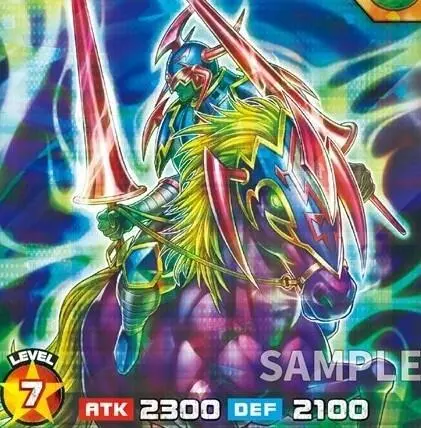
- RD/CA01-JP009: Battletested Gaia The Fierce Knight
- Reveal Date: Referenced via official channels (source tracking back to official social media archives).
- Significance: Gaia The Fierce Knight has always held a legendary status in duel culture. The "Battletested" prefix indicates a modernized, format-specific reworking designed to integrate seamlessly into Rush Duel’s distinct pacing, offering players aggressive field-presence options right from the early-to-mid game.
- RD/CA01-JP010: Battletested Curse of Dragon
- Significance: Following closely behind its eternal rider, Curse of Dragon arrives to re-establish one of trading card history’s most recognizable partnerships. In the context of Rush Duel, pairing these "Battletested" variants signals an underlying synergy designed to reward players who draft classic Dragon-Warrior combinations.
Phase 2: Expanding the Engine and Utility Spells
As the reveal schedule progressed into the middle of the week, Konami shifted focus toward systemic consistency and resource management, dropping essential spells and supporting monsters.
- RD/CA01-JP079: Ship of Seven Treasures
- Significance: Card economy is the lifeblood of Rush Duel, where players draw up to a hand of five every turn. Resource-management spells like the Ship of Seven Treasures traditionally offer explosive filtering or recycling capabilities, making them immediate focal points for competitive theorists looking to maximize consistency.
- RD/CA01-JP068: Deity of Seven Treasures – Ryozai
- Significance: Working in tandem with the "Seven Treasures" naming convention, Ryozai introduces divine backing to whatever engine this sub-archetype supports. High-level monsters tied to engine-specific nomenclature usually dictate the win-conditions of dedicated deck builds.
Phase 3: Specialized Support and Technical Additions
The final burst of reveals rounded out the set’s roster with diverse tactical choices across various monster types, culminating in a legendary spell card that sent shockwaves through the community.
- RD/CA01-JP075: Justicar of the Dragon Stream
- Significance: Reinforcing Dragon-type strategies, this card hints at elemental or aquatic-themed dragon cross-synergies, expanding the deck-building canvas for tribal enthusiasts.
- RD/CA01-JP073: Balloon Butler
- Significance: Bringing a touch of quirky utility, Balloon Butler exemplifies the playful yet mechanically sound monster designs frequently found in the Rush Duel card pool.
- RD/CA01-JP072: Gunde of the Monumenthes
- Significance: Part of the Monumenthes series, this card contributes to the overarching structural archetypes of the expansion, offering niche board-state manipulation or defensive capabilities.
- RD/CA01-JP065: Alpha Burn Drake
- Significance: Burn mechanics in Rush Duel operate under a distinct arithmetic due to the massive life point totals and rapid trading of monsters. An "Alpha" designation suggests a foundational or leadership role within a dedicated burn or dragon-centric strategy.
- RD/CA01-JP086: The Eye of Timaeus
- Significance: Arguably the crown jewel of this reveal wave. The Eye of Timaeus is a legendary card deeply associated with the Waking the Dragons story arc and fusion-heavy strategies. Its integration into Rush Duel opens up unprecedented deck-building paradigms, allowing duelists to streamline their Fusion Summoning mechanics without needing traditional material requirements.
Supporting Context & Strategic Metrics
To fully understand the weight of the RD/CA01-JP set, one must analyze the macroeconomic state of the Yu-Gi-Oh! Rush Duel format. Unlike the OCG (Official Card Game) or TCG (Trading Card Game), Rush Duel was engineered from the ground up by creator Kazuki Takahashi and Konami to be fast, accessible, and constantly volatile. Players draw until they have five cards in their hand at the start of every turn, and the Tribute Summoning restrictions are entirely removed, permitting multiple summons per turn.
The Nostalgia Factor Meets Modern Mechanics
The inclusion of Battletested Gaia The Fierce Knight, Battletested Curse of Dragon, and The Eye of Timaeus is not merely an exercise in fan service; it represents a calculated commercial and competitive strategy.
- Lowering the Barrier to Entry: Nostalgia acts as an effective onboarding tool. Returning players who stepped away from the franchise decades ago find immediate recognition in names like Gaia and Timaeus.
- Redefining Retro Archetypes: By appending "Battletested," Konami avoids the trap of printing unplayable vintage cards into a modern format. These updated variants are inherently tuned to interact with Rush Duel’s unique ruleset—such as Maximum Summons, Fusion mechanics, and graveyard recycling.
Engine Synergy and Resource Flow
Cards like Ship of Seven Treasures and Deity of Seven Treasures – Ryozai point toward a heavy emphasis on resource accumulation. In a format where card advantage dictates tempo, spells that manipulate deck depth or graveyard states are invaluable.
- Consistency Analysis: Competitive deck profiles in Rush Duel often live or die by their ability to see key pieces early. If Ship of Seven Treasures functions as a generalized engine starter or a draw-engine component, it could easily become a mandatory three-of in multiple competitive archetypes.
- Boss Monster Viability: Deity of Seven Treasures – Ryozai must be evaluated on its stats, level, and requirement clauses. If its tribute conditions are forgiving, it will serve as a formidable frontline threat capable of dominating the battle phase.
Official Statements and Industry Reception
While Konami has kept specific rulings and drop rates under wraps ahead of the official street date, the corporate communication surrounding the RD/CA01-JP product line emphasizes a dual mandate: accessibility for newcomers and strategic depth for tournament veterans.
Community reaction across platforms like X, Reddit, and specialized competitive discords has been overwhelmingly positive. Content creators and tier-list analysts have singled out The Eye of Timaeus as a potential game-changer.
"Bringing The Eye of Timaeus into the Rush Duel environment changes how we look at Fusion-based strategies," notes one prominent community analyst. "In a format where speed is everything, bypassing the strict requirement of traditional materials for specific bosses could elevate Dragon strategies from rogue contenders to Tier-1 dominators."
Furthermore, the aesthetic reception of the card artwork has been universally praised. Konami’s design team has maintained the high-foil standards expected of core booster sets, ensuring that collector interest matches competitive demand. The sleek framing of the "Battletested" variants visually distinguishes them from their older, TCG-era counterparts while preserving the iconic silhouettes that fans have cherished for over twenty-five years.
Future Outlook and Competitive Implications
As we look toward the official release of set RD/CA01-JP (with comprehensive product information available directly via the Official Konami Rush Duel Product Page), the competitive horizon of the format is poised for dramatic shifts.
1. Meta Shifts and Deck Diversity
The introduction of specialized support like Justicar of the Dragon Stream and Alpha Burn Drake ensures that single-type strategies remain viable. We can anticipate an immediate surge in Dragon-focused experimental builds on opening weekend. Duelists will test whether the raw offensive output of the "Battletested" engine can outpace established control and removal strategies.
2. The Longevity of Retro Adaptations
The success of RD/CA01-JP will likely dictate Konami’s roadmap for future Rush Duel expansions. If reimagined classic archetypes—anchored by cards like Gaia, Curse of Dragon, and Timaeus—perform well both commercially and competitively, we can expect a sustained pipeline of nostalgic adaptations. This bridges the generational divide of the franchise, uniting fans of the 1999 classic era with modern players of the Rush Duel generation.
3. Tournament Preparedness
Competitive players are advised to monitor subsequent reveal waves closely for hidden interaction clauses. In Rush Duel, the difference between a top-tier staple and a binder-fodder card often rests on subtle punctuation within requirement texts. As full card translations and official rulings drop, regional meta-preparations will require immediate adaptation to account for the explosive potential brought by the Seven Treasures engine and Timaeus-backed fusion plays.
In conclusion, RD/CA01-JP is shaping up to be a watershed moment for the Yu-Gi-Oh! Rush Duel trading card game. By masterfully fusing the timeless appeal of classic duel monsters with the dynamic, high-speed mechanics of contemporary play, Konami has crafted an expansion that respects the past while fearlessly driving the future of the game forward.
![[Chronicles] Sinful Spoils ep 3 Teaser](https://youganba.com/wp-content/uploads/2026/10/chronicles-sinful-spoils-ep-3-teaser-420x260.webp)







Belum ada komentar. Jadilah yang pertama berkomentar!