In the modern landscape of urban travel, accommodations typically fall into rigid categories. Budget-conscious travelers often default to "room-only" packages, willingly sacrificing amenities, comfort, and culinary perks in exchange for a minimalist rate. Conversely, luxury seekers invest heavily in full-service resorts to secure holistic wellness experiences, evening receptions, and bespoke bedding.
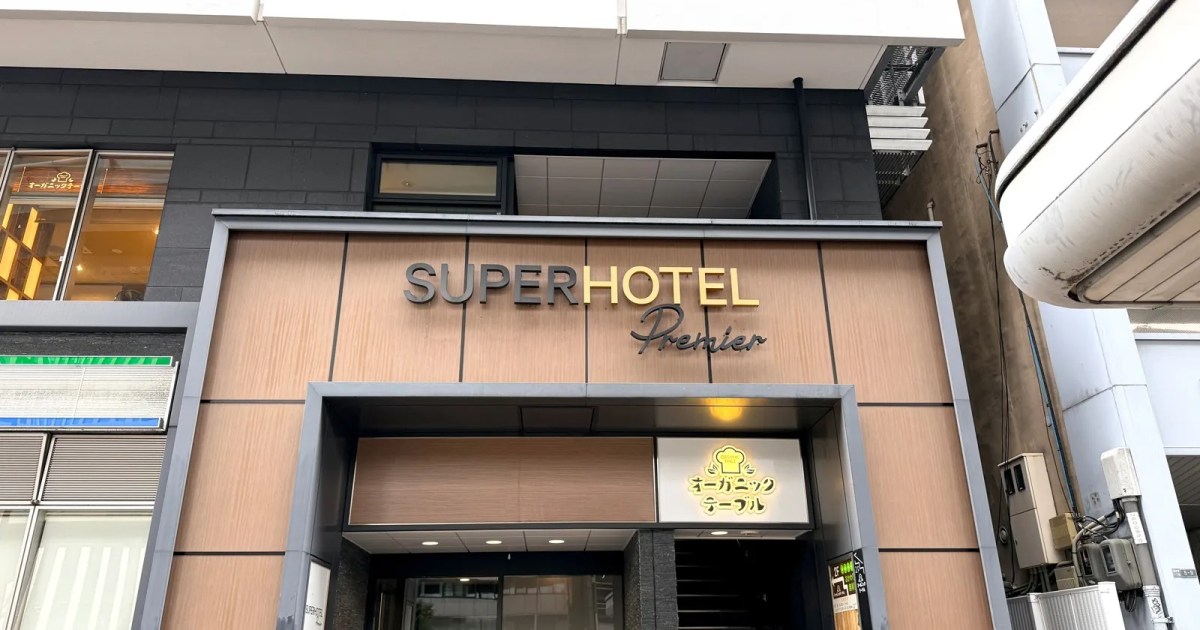
However, a structural evolution in Japanese hospitality is challenging this binary. A recent trial stay at the Super Hotel Premier Osaka Hommachi Ekimae reveals an operational model that entirely redefines the value proposition of a budget-to-midscale urban hotel. Situated adjacent to one of Osaka’s most vital transit hubs, this property delivers an array of high-value amenities—including a natural hot spring, a self-service evening welcome bar featuring bespoke cocktails, customized sleep systems, and a robust organic breakfast buffet—all accessible even on a base room-only tariff.
This investigative review examines how Super Hotel Premier Osaka Hommachi Ekimae leverages ergonomic science, regional sourcing, and a guest-centric service architecture to maximize wellness and sleep hygiene. By interrogating the intersection of minimalist cost and maximalist comfort, this report explores the operational strategies that make this property a compelling case study in contemporary Japanese hospitality.
Detailed Chronology of the Stay
Arrival, Location, and Seamless Digital Onboarding
Strategically positioned in the Nishi Ward of Osaka, the hotel sits immediately adjacent to Hommachi Station. This transit nexus is served by three major lines of the Osaka Metro: the Midosuji Line, the Yotsubashi Line, and the Chuo Line. This connectivity grants travelers rapid access to the city’s primary commercial districts, historical landmarks, and entertainment zones. Furthermore, the vibrant shopping district of Shinsaibashi is within comfortable walking distance, while the immediate neighborhood surrounding Hommachi Station hums with an eclectic array of independent eateries, izakayas, and coffee shops.
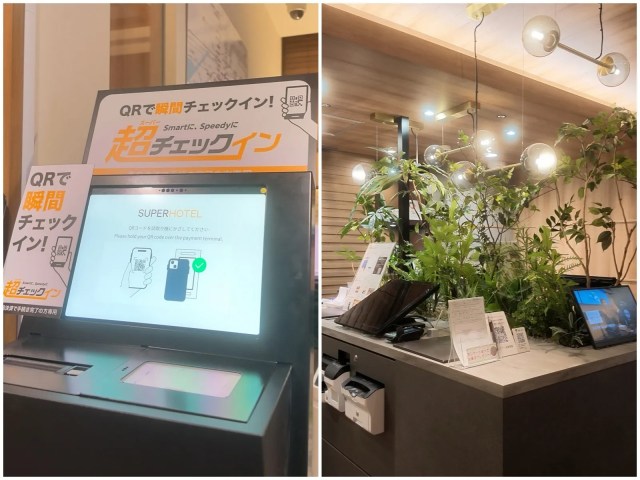
Upon arriving at the property, guests ascend to the second-floor lobby. The transitional space departs from the sterile, transactional atmosphere typical of high-density urban hotels. Instead, guests are greeted by a clean, minimalist aesthetic underscored by a subtle, ambient aromatic signature diffused through the air.
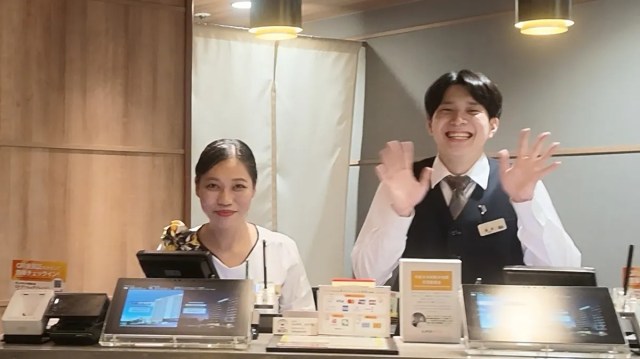
The check-in process accommodates both tech-savvy travelers and those who prefer traditional front-desk interactions. Guests can utilize a rapid QR-code self-check-in system or complete procedures at the counter. Front desk personnel provide a comprehensive orientation regarding the property’s extensive suite of complimentary services—a briefing that frequently leaves first-time visitors astonished given the modest baseline price point of a room-only reservation.
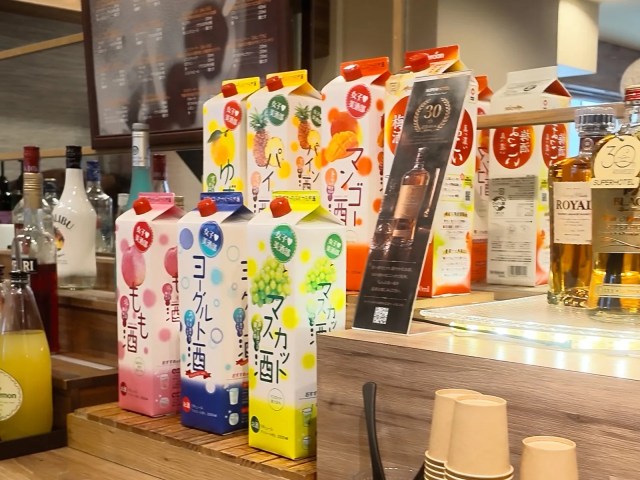
The property’s hospitality philosophy becomes immediately apparent during the evening hours with the activation of the welcome bar in the second-floor common area. Unlike standard business hotels that charge premium rates for hotel bar services, Super Hotel Premier invites guests to curate their own evening experience.
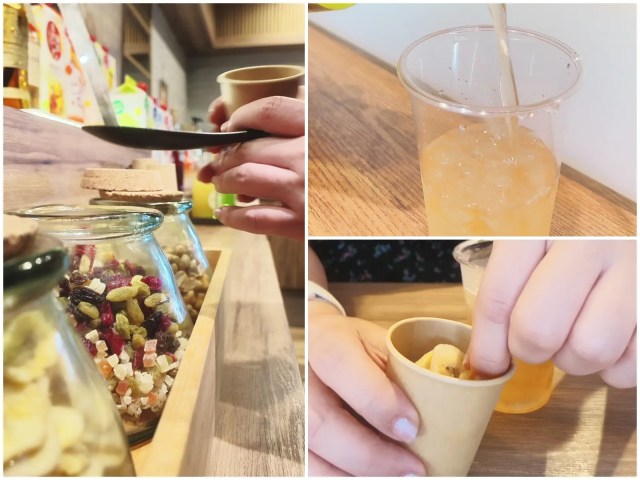
Self-Service Cocktail Bar: A wide selection of base liquors, mixers, and garnishes is arrayed for guests to freely mix their own cocktails.
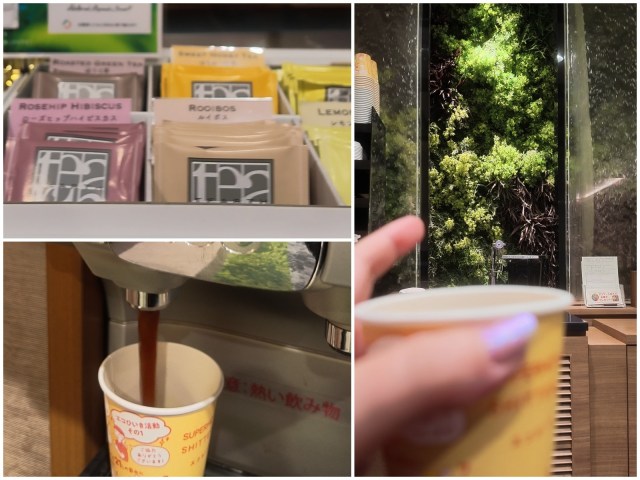
Non-Alcoholic Alternatives: For travelers avoiding alcohol, the beverage station is heavily stocked with gourmet soft drinks, artisanal teas from the premium brand TEARTH, and herbal infusions.
Complementary Nibbles: Light snacks, including premium nuts and dried fruits, accompany the beverage service. Furthermore, the hotel operates an open-door policy regarding outside food, permitting guests to source local street food—such as Osaka-style takoyaki or okonomiyaki—and bring it into the lounge to pair with their complimentary drinks.
Relaxing with a self-made drink while gazing out at the flowing lights of evening traffic against the Osaka cityscape sets a tone of unexpected luxury for a room-only booking.
The Natural Hot Spring Experience
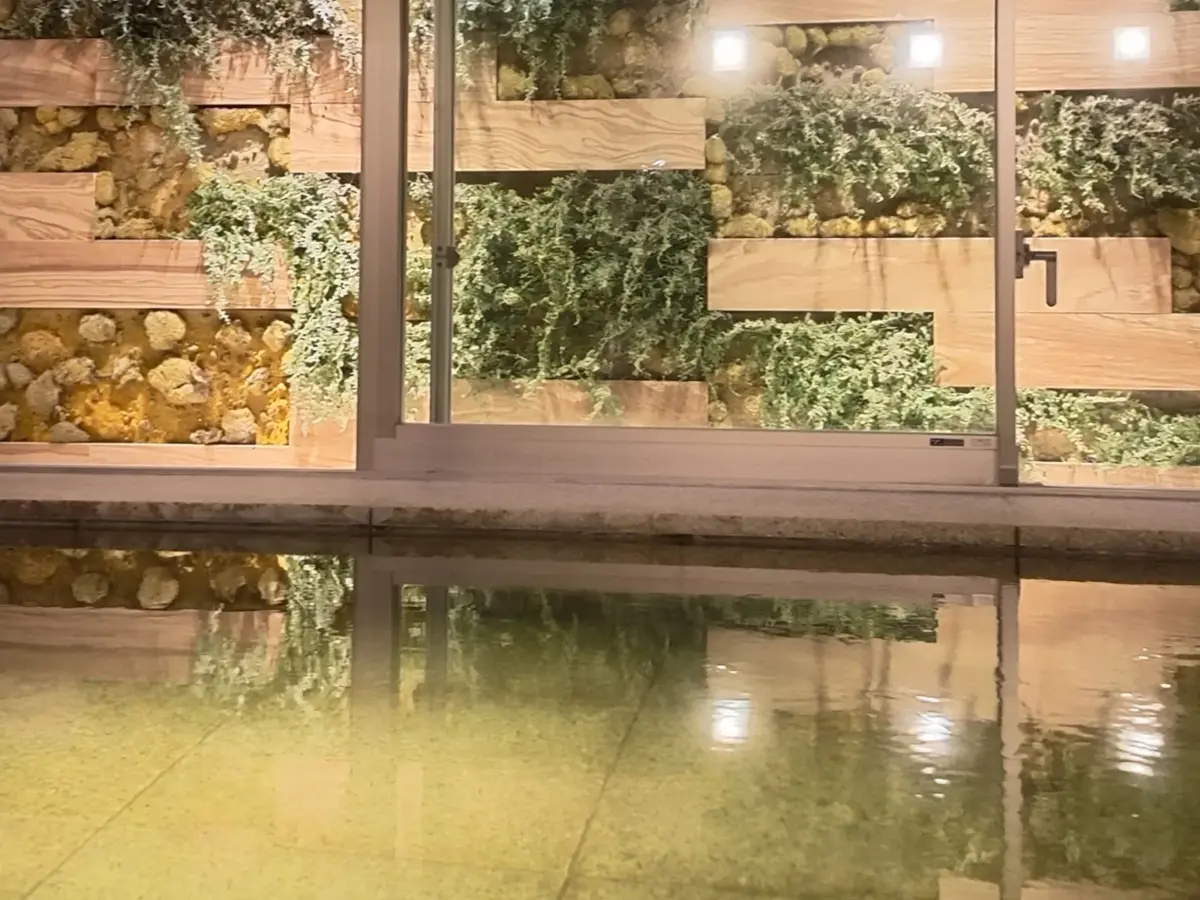
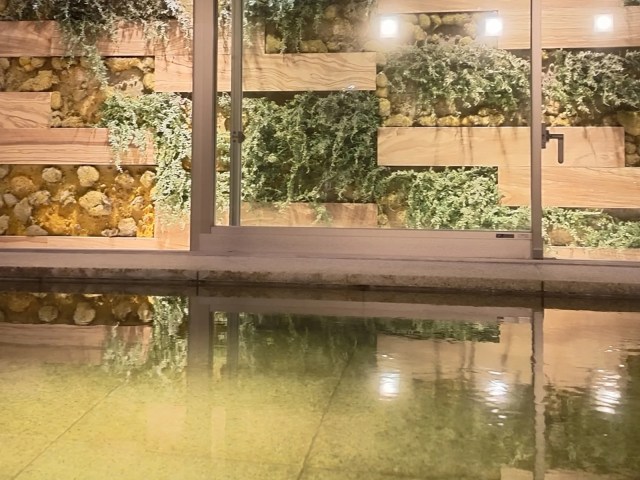
While standard urban hotel rooms feature compact modular bathroom units, Super Hotel Premier elevates the bathing ritual by incorporating a dedicated communal natural hot spring. Guests can monitor the real-time congestion levels of the bath facility directly via their in-room television interface, avoiding crowds and optimizing their relaxation schedule.
The bathwater is sourced from Naniwa Onsen, a recognized natural spring known for its therapeutic mineral profile. Marketed as possessing beautifying and rejuvenating properties (bihada-no-yu), the thermal water provides immediate relief for travelers suffering from the physical fatigue of urban exploration.
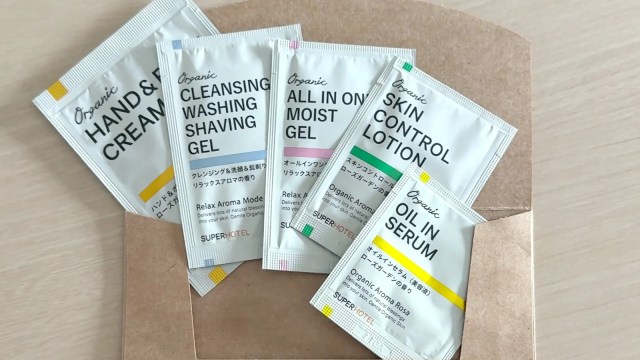
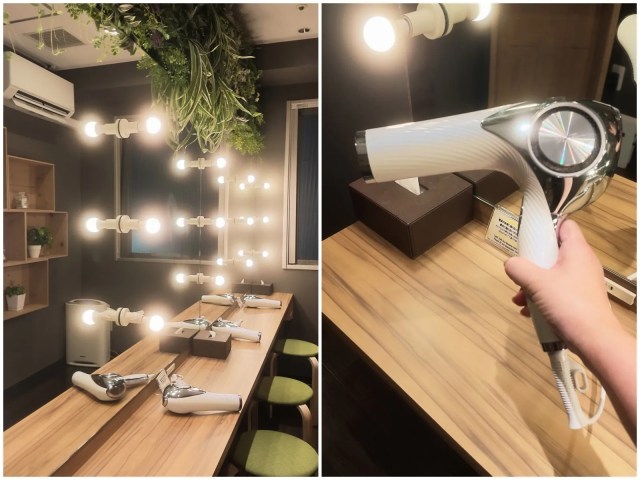
Post-bath amenities are equally thoughtful. The changing and vanity areas are stocked with high-end skincare products and professional-grade ReFa hairdryers, allowing guests to transition seamlessly from the bath back to their evening routine. On the return transit to the guestroom, visitors are encouraged to stop by the lobby once more to collect a soothing cup of herbal tea.
The Science of Sleep: Customization and Ergonomics
The core thesis of the Super Hotel brand centers on optimizing sleep hygiene. This commitment is materialized through a multi-layered approach to room design, bedding, and ambient control.
Custom Pillow Selection: Upon returning to the lobby, guests are invited to select a pillow from an extensive array lined up on display, categorized by varying degrees of firmness, loft, and filling material. Notable among these is the "Mochi-Fuwa Ladies Pillow," developed in collaboration with renowned custom pillow manufacturer Jibun Makura, designed specifically to provide ergonomic cervical support for female anatomy.
Proprietary Sleep Systems: Operating under the research umbrella of the Good Sleep Research Institute (Gussuri Kenkyujo), in partnership with academic institutions, Super Hotel has engineered proprietary mattresses and roomwear (pajamas). The textiles are selected to optimize thermal regulation and moisture-wicking during sleep.
Environmental Controls: From the bespoke room lighting fixtures and acoustic dampening to the quality of the ambient air and the filtration of the shower water, every physical element of the room is calibrated to induce a deep, restorative sleep cycle.
Supporting Context & Metrics
To fully understand the market disruption represented by Super Hotel Premier Osaka Hommachi Ekimae, it is essential to contextualize its financial and operational metrics within Japan’s broader hospitality sector.
Feature / Service
Standard Budget Hotel Model
Super Hotel Premier Osaka Hommachi Ekimae Model
Base Room-Only Rate
Varies widely; often excludes amenities
Highly competitive urban baseline
Evening Alcohol & Beverages
Chargeable via minibar or hotel bar
100% Complimentary during welcome hours
Natural Hot Spring Access
Rare in urban centers; usually requires external entry fee
Included (Sourced from Naniwa Onsen)
Pillow Customization
Standard uniform pillows provided
Complimentary selection from specialized ergonomic lineup
The breakfast service, hosted at the second-floor Organic Table restaurant, is available for an additional fee of 1,500 JPY (approximately $9.49 USD). The buffet emphasizes locally sourced organic vegetables alongside regional comfort foods such as takoyaki and nikusui (a celebrated Osaka beef soup). This culinary offering bridges the gap between health-conscious dining and authentic regional tourism.
Official Statements and Operational Philosophy
The operational philosophy driving properties like the Super Hotel Premier Osaka Hommachi Ekimae is rooted in a shift from transactional lodging to holistic guest well-being. Representatives from the corporate entity emphasize that the modern traveler—whether journeying for corporate business or leisure—experiences high levels of digital and physical fatigue.
"Our objective is not merely to provide a bed for the night, but to actively facilitate biological recovery. By integrating natural hot spring therapies, personalized sleep ergonomics, and hospitable evening touches into a streamlined economic model, we prove that affordability does not necessitate compromise."
— Corporate Hospitality Statement, Super Hotel Group
Furthermore, the integration of keyless entry via secure numeric passcodes and streamlined check-out procedures (where guests simply drop their receipt into a designated collection box inside the elevator) reflects an operational focus on friction reduction. This minimizes administrative wait times, empowering guests to maximize their engagement with the city.
Future Outlook
As Japan continues to experience unprecedented volumes of inbound international tourism alongside shifting domestic travel habits, the hospitality industry must adapt to increasingly discerning consumers. Travelers are no longer willing to accept substandard conditions simply because they booked a budget-tier room.
The success of properties like Super Hotel Premier Osaka Hommachi Ekimae signals a broader trend toward democratized wellness in urban hospitality. By absorbing the costs of traditional luxury perks—such as evening lounge access and thermal bathing—into an efficient, high-occupancy business model, the brand has established a competitive benchmark.
For future travelers to Osaka, this property offers more than a convenient base near Hommachi Station; it presents a compelling argument that a room-only stay can, and perhaps should, deliver an experience deeply rooted in comfort, health, and restorative sleep. As urban density increases, the ability to retreat into an environment meticulously engineered for physical and mental recovery will likely transition from a pleasant surprise to an essential consumer expectation.










Belum ada komentar. Jadilah yang pertama berkomentar!