

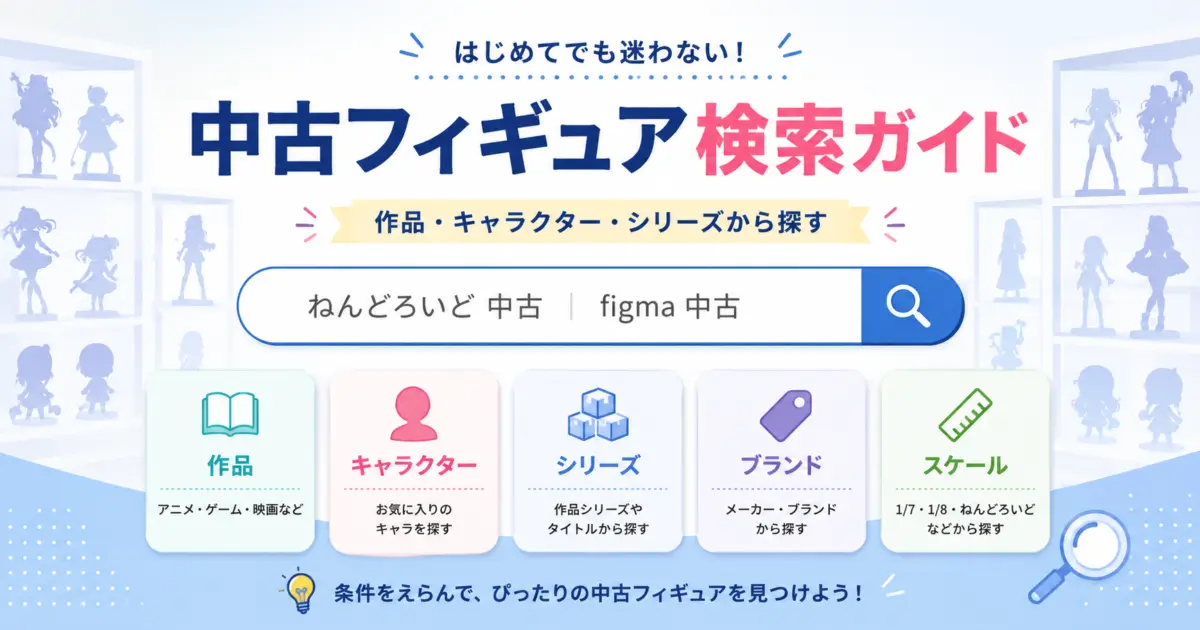
Publication Date: May 28, 2026
Category: Collectibles Industry Analysis / Market Trends
Executive Overview
The global collector economy has experienced an unprecedented paradigm shift over the past decade. What was once a niche hobby dominated by physical storefronts, specialized conventions, and domestic mail-order catalogs has evolved into a multi-billion-dollar digital ecosystem. At the heart of this transformation is the secondary market for pre-owned figures—a sprawling, highly dynamic marketplace where collectors buy, sell, trade, and appraise rare PVC masterpieces, resin statues, and articulated action figures.
In recent years, platforms like Yahoo! Auctions Japan, Mercari, and various specialized peer-to-peer marketplaces have revolutionized how enthusiasts acquire rare collectibles. However, navigating this secondary market requires more than just passion; it demands a sophisticated understanding of platform mechanics, pricing volatility, authentication verification, and international shipping logistics.
This comprehensive report delves deep into the mechanics of the pre-owned figure market, examining current trends, platform comparisons, price determinants, and strategic insights designed to help both seasoned collectors and newcomers navigate the complexities of buying and selling secondary market figures safely and profitably.
Detailed Chronology: The Evolution of Figure Collecting
To understand the current state of the pre-owned figure market, one must examine its historical trajectory. The secondary market did not emerge overnight; it was forged through decades of technological innovation, shifting consumer habits, and the globalization of pop culture.
The Analog Era and Early Specialist Shops (Late 1990s – Early 2000s)
Before the widespread adoption of high-speed internet and e-commerce platforms, acquiring imported anime and gaming figures was an arduous task. Collectors relied on specialized import hobby shops tucked away in metropolitan districts like Akihabara in Tokyo, or dense inner-city comic book stores in Western markets. Pre-owned items were scarce, highly localized, and priced based on physical condition sheets maintained manually by store clerks. Finding a specific, out-of-print piece often meant months of searching through import magazines and physical display cases.
The Rise of Online Marketplaces (Mid 2000s – 2015)
The advent of global e-commerce platforms democratized access to Japanese collectibles. Early adoption of cross-border proxy services allowed Western collectors to bid on Japanese auctions directly. During this era, online message boards and enthusiast forums served as the primary trust networks for peer-to-peer transactions. However, high international shipping costs, opaque payment methods, and language barriers kept the market relatively restricted to hardcore enthusiasts.
The Modern Digital Ecosystem (2016 – Present)
Today, the secondary market is characterized by instantaneous global connectivity, automated proxy bidding systems, and rigorous authentication protocols. Major platforms have integrated real-time translation tools, streamlined escrow payment systems, and data-driven price tracking. Collectors can now monitor real-time market fluctuations for specific PVC figures, compare historical sales data across multiple platforms, and purchase rare statues from overseas sellers with unprecedented confidence.
Supporting Context & Metrics: Market Dynamics and Valuation
The valuation of pre-owned figures is governed by complex economic principles. Unlike mass-market consumer electronics, which depreciate rapidly upon purchase, high-end collectible figures frequently appreciate significantly once manufacturers cease production.
Key Drivers of Figure Valuation
- Manufacturer Reputation & Sculptor Prestige: Figures produced by industry-leading manufacturers—such as Good Smile Company, Alter, Max Factory, and Kotobukiya—frequently command higher resale values due to their renowned quality control, intricate detailing, and faithful character adaptations.
- Limited Production Runs and Exclusivity: Limited-edition releases, convention exclusives, and lottery-style prize figures (such as Ichiban Kuji items) create artificial scarcity. When demand vastly outstrips supply, secondary market prices skyrocket.
- Character Popularity and Media Relevance: The cultural longevity of the source material plays a critical role. Figures representing characters from enduring franchises retain stable valuations, whereas figures tied to seasonal anime hits may experience volatile price swings depending on current pop-culture momentum.
- Item Condition and Packaging Integrity: The presence of the original box (often referred to in collector circles as "MIB"—Mint in Box, or "BIS"—Boxed in Storage) significantly impacts resale value. Unopened items or pristine displayed pieces with zero sun-fading or dust accumulation command top dollar.
Platform Comparisons: Where to Buy and Sell Safely
Choosing the right platform is critical for anyone looking to navigate the secondary market successfully. Each platform offers distinct advantages and challenges depending on whether you are looking for rare vintage pieces or trying to liquidate part of your collection.
1. Yahoo! Auctions Japan & Domestic Proxy Services
- Overview: Widely regarded as the ultimate hunting ground for rare and vintage figures. Because it connects buyers directly to the domestic Japanese market, prices are often closer to baseline market value before international markup.
- Pros: Unmatched inventory depth; access to rare, Japan-exclusive releases; highly competitive bidding.
- Cons: Requires a proxy service (such as Buyee, ZenMarket, or From Japan) for international buyers; shipping and proxy fees can add up quickly; language barrier if attempting to navigate without browser extensions.
2. Mercari & Peer-to-Peer Marketplaces
- Overview: Excellent for immediate purchases and fixed-price listings. Both the Japanese domestic version and international equivalents host vast catalogs of pre-owned anime, gaming, and movie figures.
- Pros: Fixed pricing eliminates bidding wars; direct communication with sellers is often possible; frequent promotional coupons and shipping discounts.
- Cons: High risk of encountering counterfeit items if buying from unverified sellers; platform fees can eat into seller margins.
3. Specialized Hobby Retailers (AmiAmi Pre-Owned, Surugaya, Mandarake)
- Overview: Trusted storefronts that buy collections directly from consumers, inspect them, grade their condition meticulously, and list them for sale online.
- Pros: Guaranteed authenticity; professional grading systems (e.g., Grade A, B, C indicating box and figure condition); secure payment and shipping methods.
- Cons: Items sell out extremely fast; prices can sometimes include a retailer markup compared to direct peer-to-peer sales.
Future Outlook: Trends and Predictions for the Collectibles Economy
As the secondary market continues to mature, several emerging trends are reshaping how collectors interact with pre-owned figures.
Technological Integration and Authentication
Counterfeit figures have long plagued the secondary market, particularly concerning high-value PVC scales from popular series. In response, manufacturers and platforms are increasingly adopting anti-counterfeit measures, including holographic seals, NFC-enabled packaging, and digital certificates of authenticity. Moving forward, blockchain-based provenance tracking may become standard for ultra-rare resin statues and limited-edition releases.
Sustainability and the Circular Economy
With growing global emphasis on sustainability, the secondary market is increasingly viewed through an environmental lens. By extending the lifecycle of high-end collectibles—passing figures from one collector to another rather than sending un-disposed plastics to landfills—the hobby naturally aligns with circular economy principles. Enthusiasts are embracing the ethos of "owning temporarily, preserving permanently."
Strategic Advice for Collectors
Whether you are scaling up your display shelves or trimming down your collection to free up space, success in the secondary market hinges on patience and diligence. Buyers should always cross-reference average sold prices on auction archives before making a purchase, while sellers must prioritize accurate condition grading and secure packaging to maintain stellar feedback ratings.
By staying informed about platform mechanics, market trends, and valuation metrics, collectors can continue to enjoy the vibrant world of figure collecting safely, sustainably, and profitably for years to come.








Belum ada komentar. Jadilah yang pertama berkomentar!