

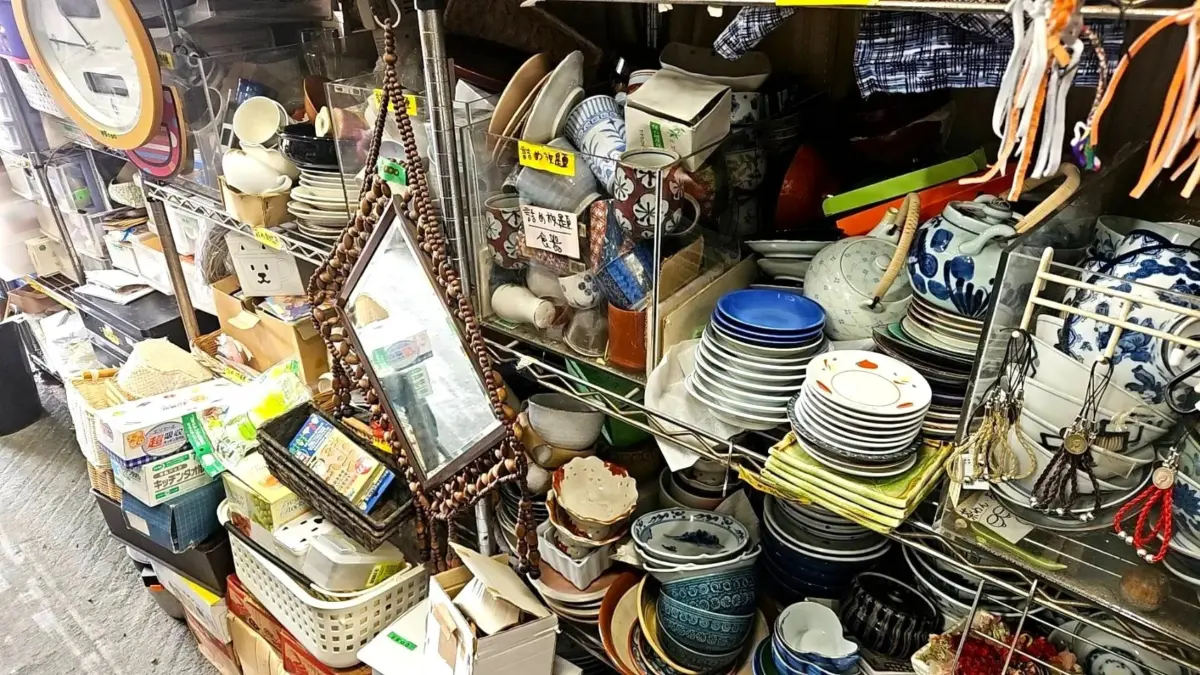
For the uninitiated, secondhand shops can easily be misjudged as chaotic repositories of discarded clutter—faceless mounds of pre-owned items waiting for the landfill. However, to the dedicated bargain hunter and intrepid retail explorer, these labyrinthine spaces represent a goldmine of hidden value, nostalgia, and unexpected utility. The thrill of combing through densely packed shelves, seeking out items of remarkable quality hidden away in plain sight, provides an undeniable rush of dopamine.

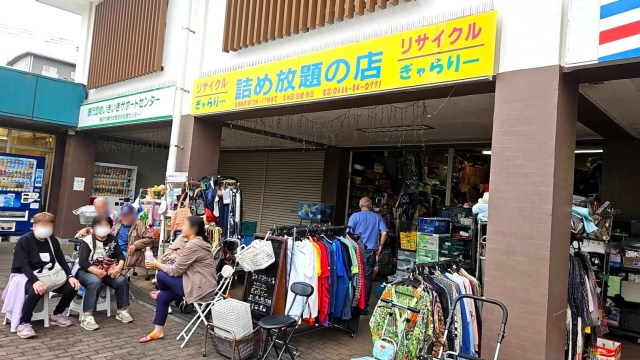
This pursuit of retail discovery recently led Japanese-language reporter Takuya Inaba to a unique establishment nestled deep within the suburban residential sprawl of Fujisawa, Kanagawa Prefecture. Known as Tsumehodai no Mise Recycle Gallery (literally translating to the "Stuff-Filling Shop: Recycle Gallery"), this unassuming storefront operates on a business model that challenges traditional thrift retail conventions. Rather than pricing individual items or selling by weight, the store employs a tsumehodai—or "stuff-in-as-much-as-you-can"—system.
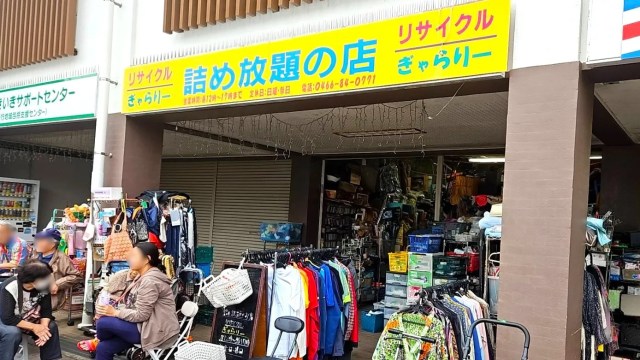
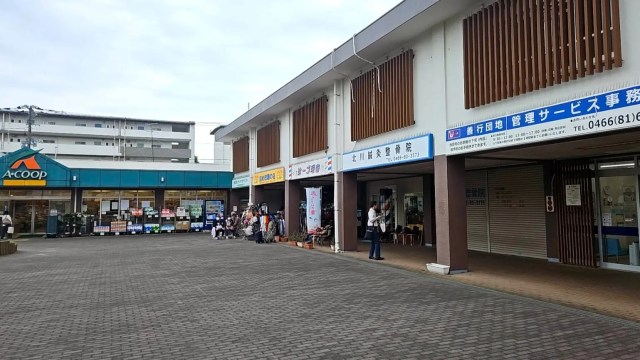
Located approximately a 15-minute walk from Zengyo Station along the Odakyu Enoshima Line, inside a retro commercial arcade known as the Zengyo Danchi Market, this experimental thrift space invites patrons to pack a communal basket to its absolute structural limit. No matter how many eligible items a customer manages to cram into the receptacle, the maximum price ceiling remains fixed at a remarkably modest 1,000 yen (approx. $6.30 USD).
This investigative report chronicles Inaba’s deep dive into the shelves of the Recycle Gallery, examining whether a single 1,000-yen bill can successfully beat the system, what kind of treasures can be unearthed from the institutional clutter, and whether the venture ultimately delivers authentic consumer value.
Detailed Chronology: An Inaba’s Journey Inside the Recycle Gallery
Step 1: The Arrival and Rules of Engagement
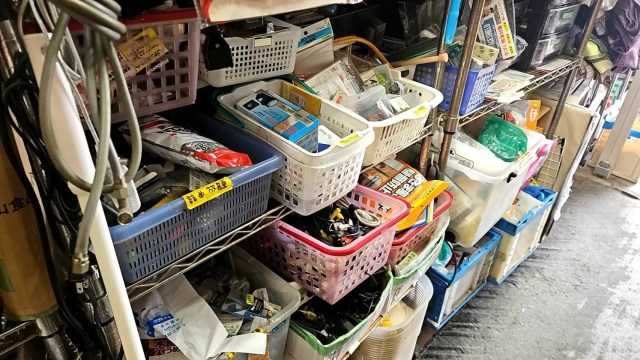
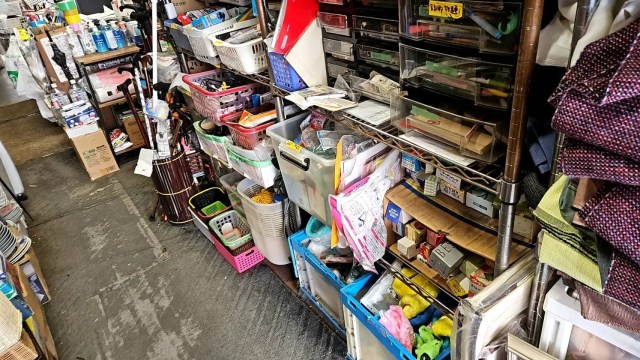
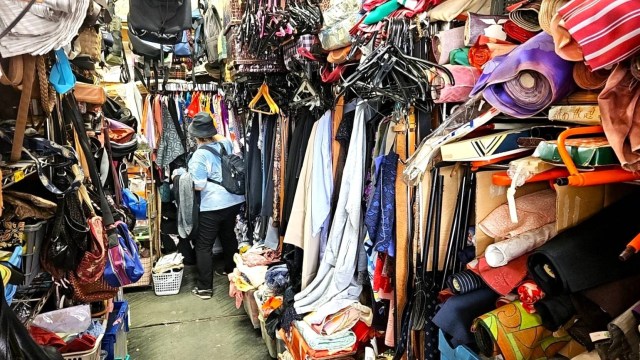
Upon stepping past the threshold of the Recycle Gallery, the sheer volume of merchandise instantly overwhelms the senses. Stacks upon stacks of housewares, electronics, garments, and miscellany stretch out across the compact floor plan, giving the immediate impression of a disorganized archaeological dig.
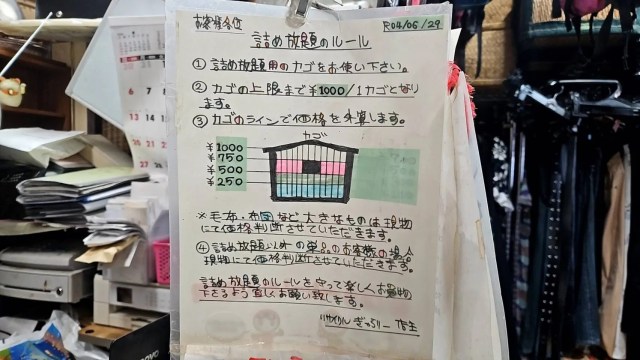
Before diving headfirst into the merchandise, Inaba established the ground rules with the store clerk. The pricing structure relies on a tiered volume scale depending on how full a customer chooses to make their basket. Patrons filling a basket up to the blue level pay a nominal 250 yen; reaching the gray level bumps the cost to 500 yen; hitting the pink tier costs 750 yen; and packing the container to its structural brim maxes out at the ultimate flat rate of 1,000 yen.
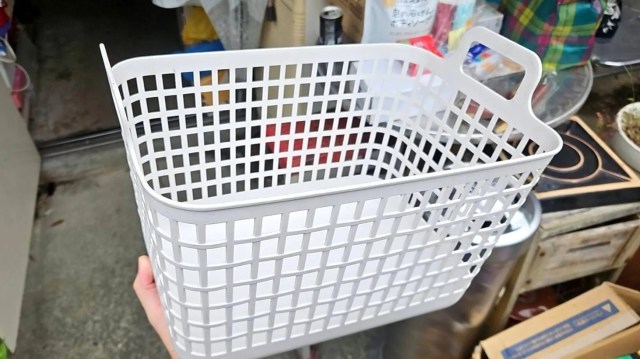
Crucially, the store clerk clarified a singular caveat: any item bearing an individual price tag is strictly excluded from the tsumehodai promotion. However, a quick visual sweep of the facility revealed a stunning reality—only a tiny fraction of the inventory carried individual price tags. Inaba calculated that a staggering 90 percent of the entire store’s inventory was fair game for the basket-stuffing system. With a large basket at his disposal, the stage was set for a massive haul.
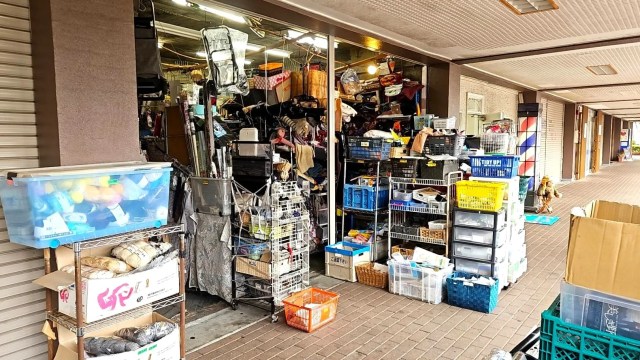
Step 2: Excavating the Household Goods and Kitchenware
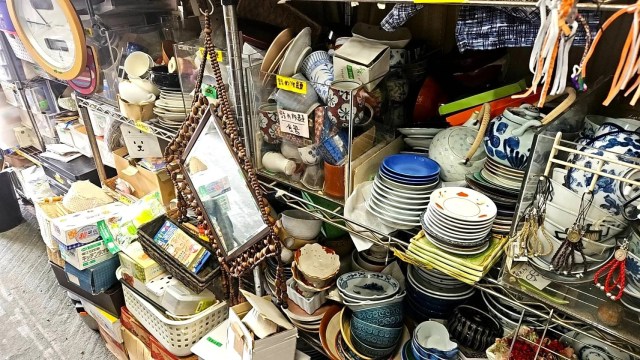
Inaba’s treasure hunt began in earnest within the kitchenware and homewares section. Thrift store veterans often approach pre-owned tableware with a healthy degree of skepticism, anticipating chips, cracks, or heavy staining. To his pleasant surprise, however, the shelves were populated by a vast selection of pristine tableware in remarkably good condition. With nothing more than a thorough wash at home, these plates, bowls, and mugs were entirely ready for active service.
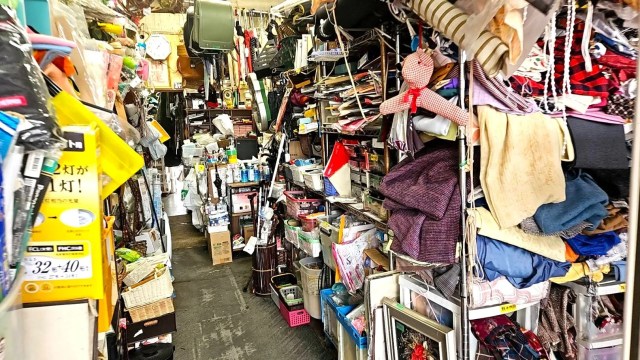
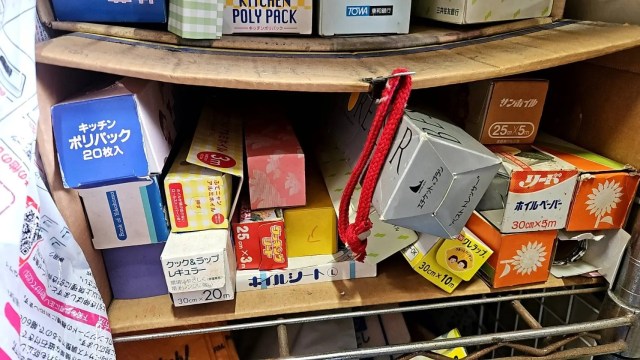
Moving past the ceramics, Inaba encountered an aisle dedicated to everyday consumables and utility items. Unused sponges, traditional Japanese scrubbing brushes (tawashi), unopened rolls of aluminum foil, and specialized cooking parchment papers caught his attention. Recognizing these as high-utility items that every household eventually has to purchase at retail cost, he immediately populated the lower tiers of his basket with these practical acquisitions.
Step 3: The Drawer of Curiosities and Unexpected Finds
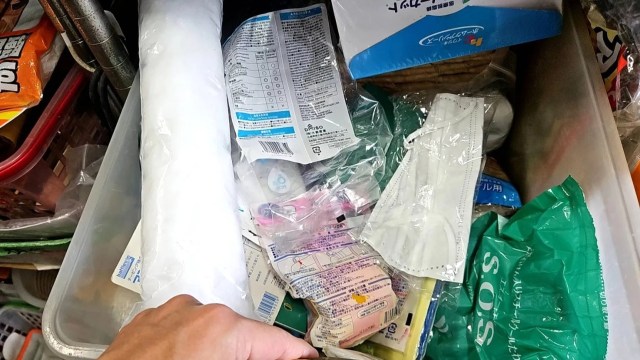
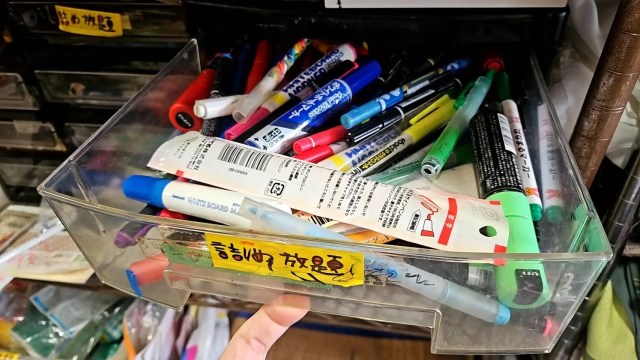
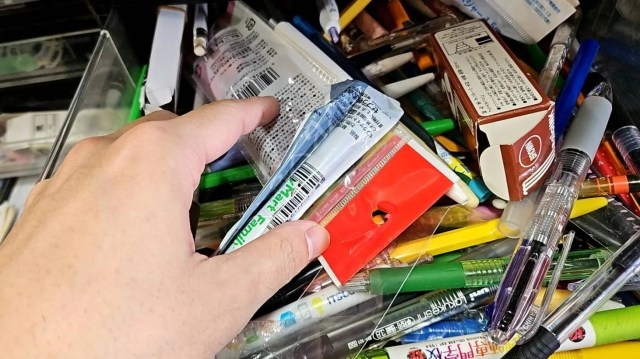
Pushing further into the interior of the shop, Inaba stumbled upon a large, weathered storage drawer explicitly labeled for the tsumehodai promotion. Naturally, the drawer exuded an aura of mystery and high-stakes treasure hunting. Pulling it open, however, brought a moment of pause—it was filled entirely with used pens.
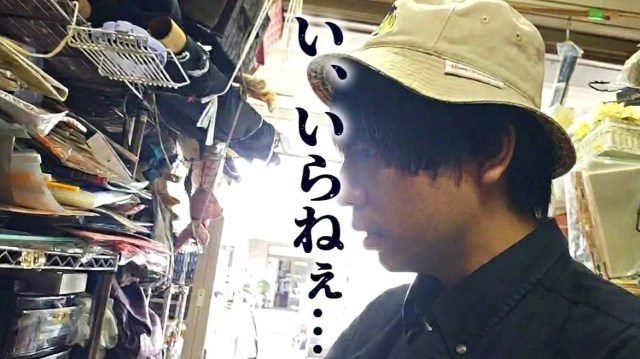
"Who would even want used pens?" Inaba initially muttered to himself, questioning the utility of picking up someone else’s discarded stationery. Yet, adhering strictly to the ethos that "a deal is a deal," he decided to toss a handful into the basket purely for the novelty of the experience. (Later testing would reveal, much to his surprise, that the pens were not only functional but wrote remarkably well).
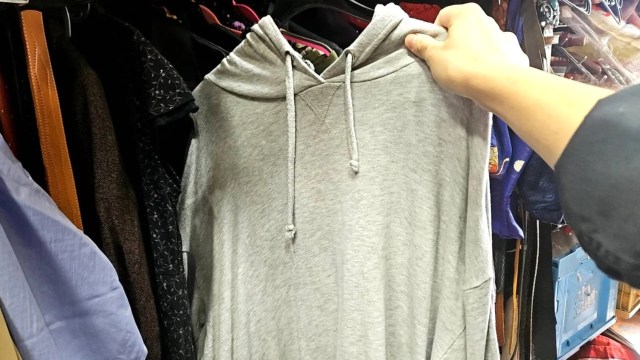
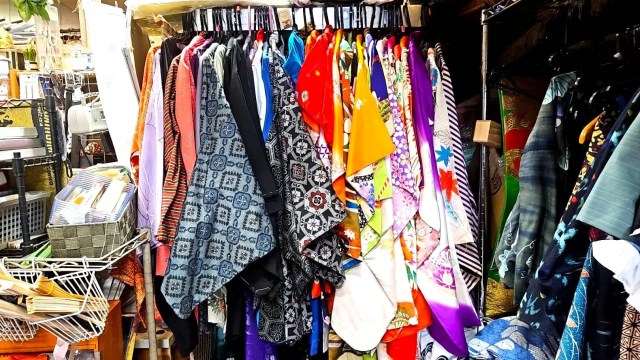
Transitioning to the apparel department on the opposite side of the store, Inaba discovered a densely packed rack of clothing. While the inventory leaned heavily toward women’s fashion—prompting him to bypass garments for himself—the physical condition of the textiles appeared clean and well-maintained. Interspersed among the everyday clothing were traditional Japanese kimonos. Given that genuine kimonos command steep prices in the primary market, Inaba noted that eagle-eyed shoppers could easily unearth high-value textiles hidden within the racks.
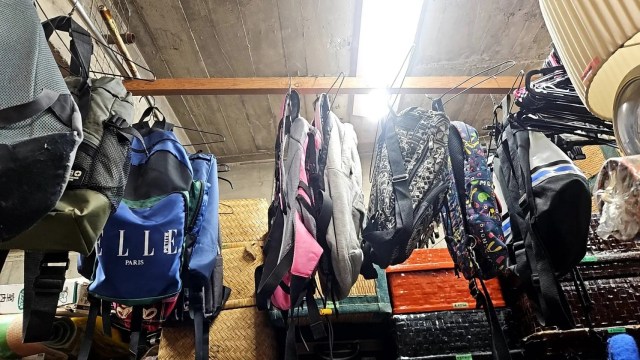
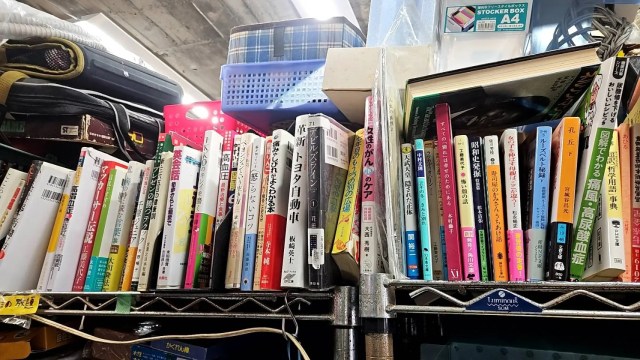
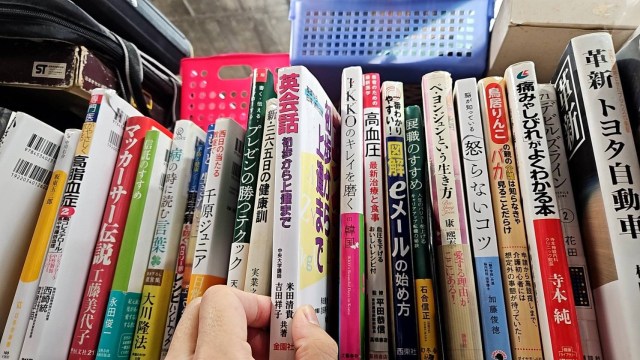
The textile section also yielded an impressive selection of stylish shoulder bags, alongside a sprawling stack of reading materials. Never one to turn down self-improvement, Inaba added an English conversation study guide to his growing pile, hoping it might miraculously elevate his linguistic abilities.
Step 4: The Multimedia Jackpot and Nostalgia Trip
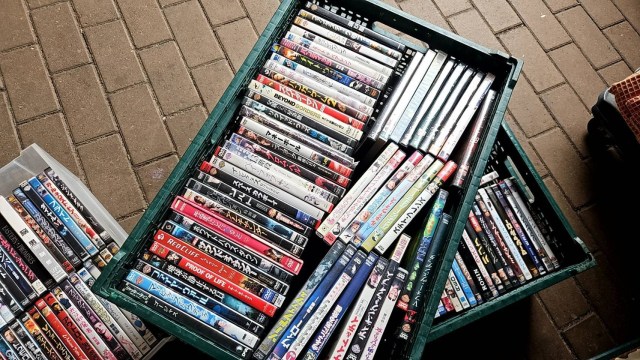
The momentum of the expedition truly accelerated when Inaba reached the media corner. Despite a store sign indicating that DVDs were individually priced at 100 yen each, the staff confirmed a wonderful policy override: the media format was fully eligible for the tsumehodai basket promotion.
Rummaging through the cinematic offerings, he unearthed two pristine discs: the high-octane anime-adaptation feature film Speed Racer and a family-friendly Scooby-Doo title. Back at home, both discs were subjected to playback tests and proved to be entirely scratch-free, operating without a single stutter.
The nostalgia factor peaked when Inaba encountered a vintage Little Bobdog coloring book. Originally created in 1988 as a mascot for the Japanese confectionery manufacturer Orion, the grinning canine character triggered an immediate wave of childhood memories. It is precisely these fleeting, emotionally resonant encounters that transform ordinary thrift shopping into an addictive hobby.
Rounding out his expedition with small maintenance items like cleaning toothbrushes and miscellaneous stationery, Inaba’s final count reached an impressive 16 distinct items packed snugly into his basket.
Supporting Context & Metrics: Evaluating the Haul
To objectively determine whether the Zengyo Danchi Market’s Recycle Gallery genuinely delivers financial value, Inaba conducted a post-excursion inventory audit of his 16-piece haul.
| Item Category | Description | Condition | Estimated Retail Value (JPY) |
|---|---|---|---|
| Cookware | 18cm Donabe (Clay Pot) | Unused / Mint | ¥1,000 |
| Kitchen Consumables | Aluminum Foil & Cooking Sheets | Factory Sealed | ¥450 |
| Character Goods | SoftBank "Oto-san" Mug & Bento Set | Unused in Box | ¥800 |
| Character Goods | Tokyo Waterworks "Suiteki-kun" Handkerchief | New / Unused | ¥300 |
| Media | Speed Racer DVD | Tested / Scratch-Free | ¥300 |
| Media | Scooby-Doo DVD | Tested / Scratch-Free | ¥300 |
| Stationery / Books | Little Bobdog Vintage Coloring Book | Unused / Vintage | ¥500 |
| Stationery / Books | English Conversation Study Guide | Lightly Used | ¥1,200 |
| Stationery / Misc | Assorted Functional Pens (Multiple) | Tested / Working | ¥400 |
| Utility / Cleaning | Sponges, Tawashi & Brushes | Unused | ¥450 |
| TOTALS | 16 Items Acquired | Mixed | ¥5,700 (Approx. $36 USD) |
The Financial Verdict
As detailed in the metrics above, the single 18-centimeter unglazed clay pot (donabe) alone would typically command a retail price of approximately 1,000 yen at a standard homeware or discount store. By securing the clay pot alongside 15 other functional, entertaining, and practical items for the exact same flat-rate fee of 1,000 yen, Inaba effectively bypassed a cumulative retail value exceeding 5,700 yen.
Put simply, the tsumehodai system paid for itself within the first thirty seconds of unloading the primary kitchenware item, rendering the remaining fifteen items an absolute net-positive windfall.
Official Guidelines & Store Information
While the economic incentives are undeniable, retail explorers approaching shops like the Recycle Gallery must navigate strict operational boundaries. Management enforces a strict all sales are final policy: goods purchased through the tsumehodai promotion are entirely non-refundable and non-exchangeable. Consequently, shoppers are heavily advised to carefully inspect the structural integrity, cleanliness, and completeness of chosen items before walking up to the register to hand over their 1,000-yen note.
For those inspired to test their own spatial packing abilities and embark on a physical treasure hunt, store logistics are outlined below:
- Official Store Name: Tsumehodai no Mise Recycle Gallery (詰め放題の店 リサイクルギャラリー)
- Physical Address: Kanagawa-ken, Fujisawa-shi, Zengyodanchi 3-15-3 (神奈川県藤沢市善行団地3-15-3)
- Access: Approximately a 15-minute walk from Zengyo Station (Odakyu Enoshima Line), located inside the Zengyo Danchi Market shopping facility.
- Operating Hours: 12:00 PM – 5:00 PM
- Operating Days: Monday, Tuesday, Thursday, and Saturday
- Closed: Wednesday, Friday, Sunday, and national holidays
Future Outlook: The Endless Pursuit of Thrift
The intersection of inflation, consumer fatigue, and a growing cultural appreciation for sustainable reuse has propelled unique retail concepts like the Zengyo Danchi Market’s stuffing system into the spotlight. For Takuya Inaba, the expedition served as a vivid reminder of why secondhand exploration remains an enduring pastime.
Far from being a mere exercise in acquiring cheap goods, the experience taps into the primal human satisfaction of discovery—sorting through densely packed, heterogeneous piles to unearth items of genuine utility and sentimental value. Given the sheer density of the inventory and the high rotation of donated goods processed through the facility, Inaba remains convinced that deeper, more heavily guarded gems remain buried within the shop’s hidden corners. Another expedition into the aisles of the Recycle Gallery is, without a doubt, already on the horizon.








Belum ada komentar. Jadilah yang pertama berkomentar!