

Executive Overview
In the realm of contemporary Japanese gastronomy, few seasonal fruits command the reverence, aesthetic appreciation, and market value of the Shine Muscat grape. Celebrated for its translucent green hue, taut skin, remarkable crispness, and intensely high sugar content, the premium fruit is typically consumed raw, straight from the refrigerator, or featured as the crown jewel in high-end Tokyo patisserie displays and seasonal dessert parfaits. However, a culinary experiment conducted by adventurous food researchers has challenged conventional methods of consumption, introducing a surprising and unorthodox preparation technique: submerging the grapes in nukadoko—traditional Japanese fermented rice bran beds.
While nukadoko is universally recognized across Japan as the foundational medium for crafting nukazuke, a staple household pickle traditionally used for crisp vegetables such as cucumbers, daikon radishes, and turnips, its application to high-sugar fruit remains a rare culinary frontier. Skeptics initially questioned whether introducing an expensive, delicate agricultural luxury to a pungent, salty, and microbial-rich fermentation bed would result in culinary brilliance or an expensive disaster.
The findings, however, upended expectations. After a four-hour fermentation bath, the Shine Muscat grapes exhibited no visible external alterations, retaining their pristine shape, color, and textural elasticity. Yet, upon tasting, a profound chemical and sensory transformation was revealed: the natural sugars were intensely concentrated, accented by subtle, complex background notes drawn out by the salt and active enzymes of the bran. This investigative report details the step-by-step methodology, culinary chemistry, and broader implications of this unexpected pairing, offering a comprehensive look at how traditional preservation techniques can elevate modern culinary luxuries.
Detailed Chronology of the Culinary Experiment
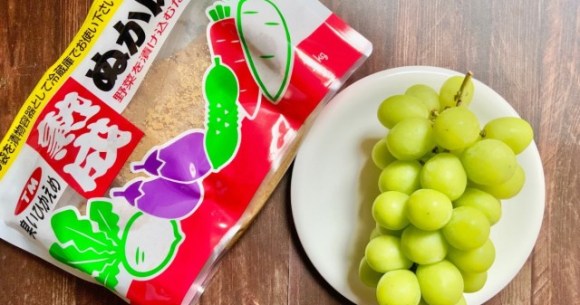
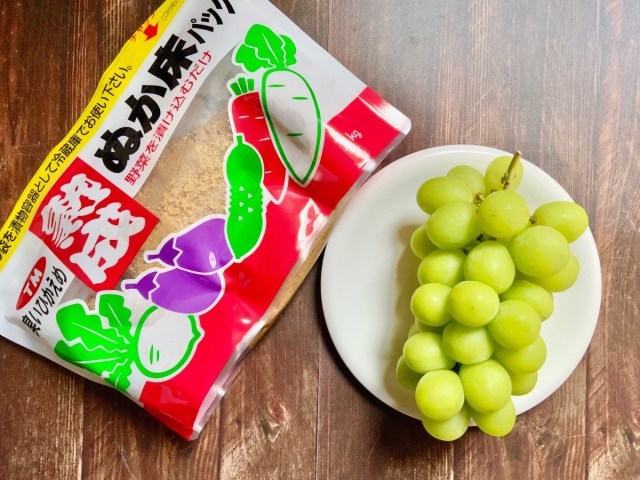
To evaluate the validity of online rumors suggesting that nukadoko could amplify the sweetness of Japan’s premium grapes, a rigorous, controlled kitchen trial was established. The experiment utilized two primary, easily accessible components: a standard 1-kilogram (2.2-pound) commercial package of aged, ready-to-use fermented rice bran (jukusei nukadoko), and a pristine, premium bunch of seasonal Shine Muscat grapes.
Phase 1: Preparation and Ingredient Selection
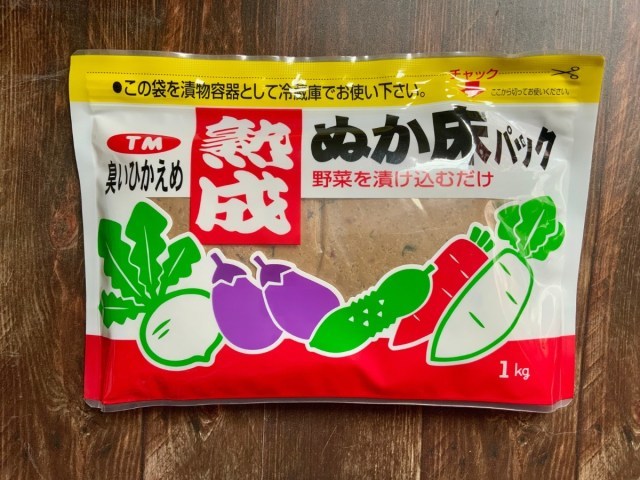
The selection of the appropriate nukadoko product was critical to the success of the test. Traditional rice bran beds require daily maintenance, turning, and precise temperature regulation—a labor-intensive process known as kiri-kiri that can intimidate novice cooks. To streamline the process, researchers utilized a commercially prepared, vacuum-sealed package of aged nukadoko manufactured by Tsukemoto, a reputable brand readily available in Japanese supermarkets, online retailers, and select lifestyle stores such as Muji.
Crucially, the product packaging bore the kanji designation 熟成 (jukusei), indicating that the microbial cultures—predominantly lactic acid bacteria and yeasts—had already matured. This pre-fermentation phase ensures that the mixture is immediately active and capable of imparting complex flavor profiles without requiring weeks of foundational cultivation.
Simultaneously, a fresh bunch of Shine Muscat grapes was procured. Given the famously high retail price of Shine Muscats in Japan—where single bunches often command premium prices in department store gift basements—apprehension regarding potential spoilage or flavor degradation was high. Financial and culinary stakes added an element of high-wire risk to the kitchen trial.
Phase 2: The Fermentation Submersion
The execution of the pickling process required meticulous sanitation and handling to avoid introducing unwanted pathogens while maximizing contact between the fruit and the active microbial bed:
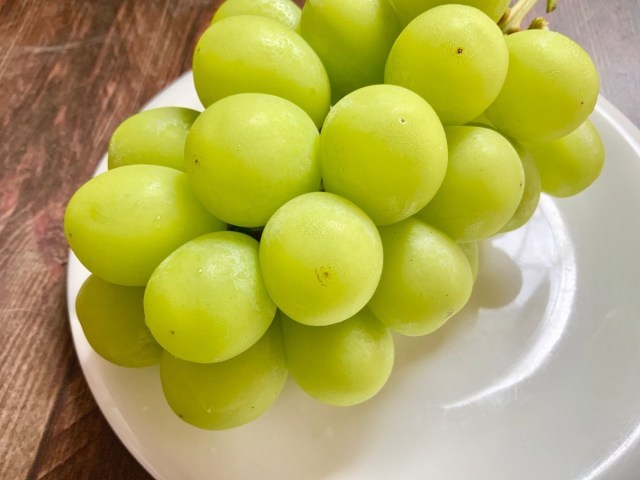
- Washing and Drying: The Shine Muscat grapes were gently washed under cold water to remove any surface debris. Crucially, the surface moisture was completely patted dry with a clean towel. Excess water introduced into a nukadoko bag can alter the moisture balance of the rice bran, potentially leading to undesirable anaerobic bacterial growth and spoilage.
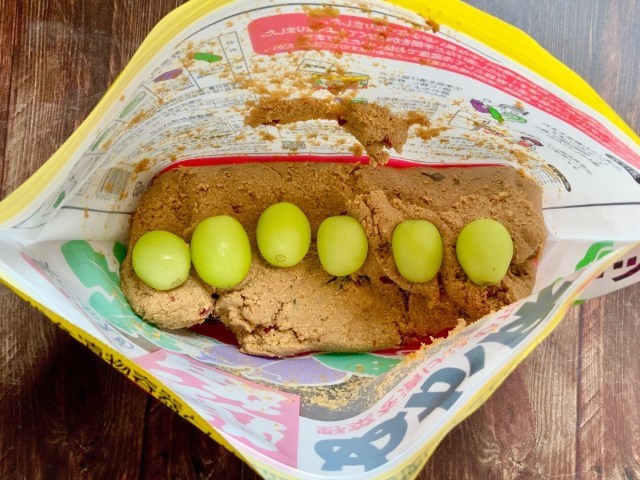
- Arrangement: The grapes were delicately nested inside the commercial nukadoko pouch, ensuring they were evenly spaced and not overcrowded.
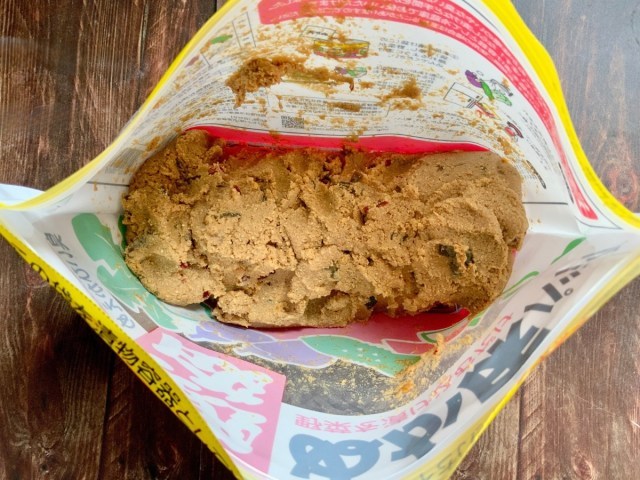
- Total Submersion: The final step required burying the fruit completely beneath the damp, earthy mixture of fermented rice bran, salt, roasted rice bran powder (kukan), and ambient microflora.
- Timing and Incubation: Standard vegetable nukazuke recipes often require anywhere from several hours to overnight pickling depending on the density of the produce. However, because grapes possess delicate, thin skins and a fragile cellular structure—unlike dense root vegetables—prolonged exposure could lead to an overly saline or unpalatably pungent flavor profile. Furthermore, because a newly opened commercial package of nukadoko exhibits high biological activity, a cautious timeline was established. While the baseline recommendation for fruit-based experiments hovered around three hours, researchers set a timer for precisely four hours. This duration struck an optimal balance: long enough to allow active enzymatic and osmotic exchange, but short enough to prevent the distinct, barnyard-like funk of the bran from overpowering the delicate floral notes of the Muscat.
Phase 3: Extraction, Post-Processing, and Comparative Analysis
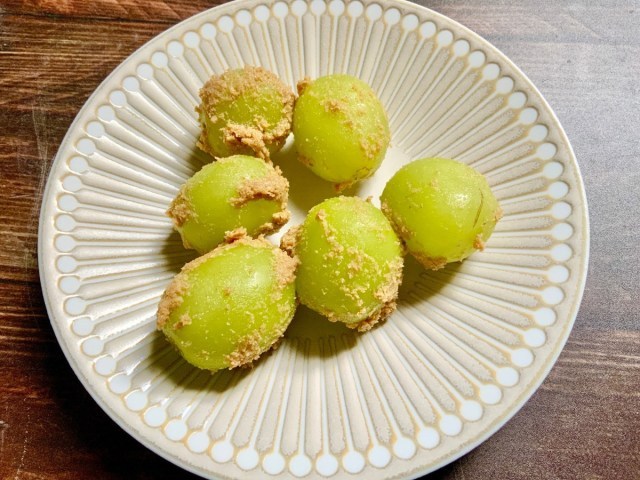
Upon the expiration of the four-hour timer, the grapes were carefully extracted from the dense, brownish-green rice bran mixture. They were then thoroughly rinsed under cold running water to eliminate every trace of the clinging bran paste.
Visual and tactile inspection yielded surprising results:
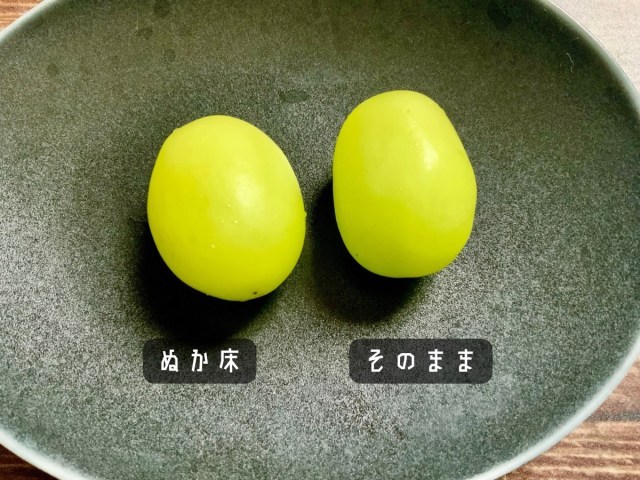
- External Appearance: Post-wash, the grapes looked entirely indistinguishable from fresh, unpickled fruit. There was no discoloration, no staining, and no lingering residue on the taut, glossy green skins.
- Textural Integrity: When compared side-by-side with an ordinary, un-bathed Shine Muscat grape, tactile evaluation revealed identical firmness and elasticity. The skin remained taut, and the internal flesh resisted deformation when gently squeezed, indicating that the osmotic pressure of the salt in the nukadoko had not caused the fruit to prematurely rupture or become excessively dehydrated (mummified).
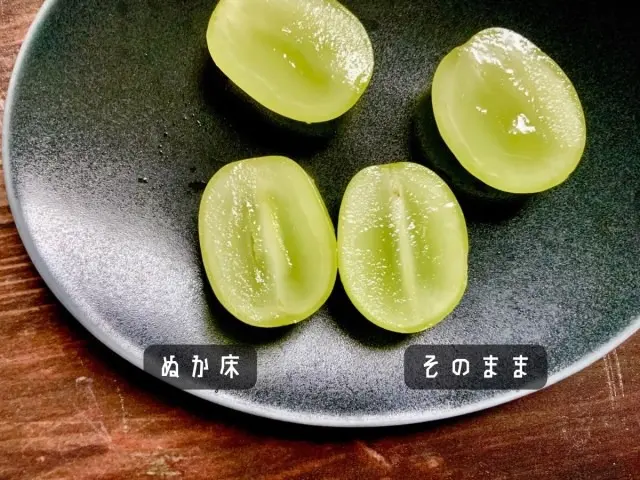
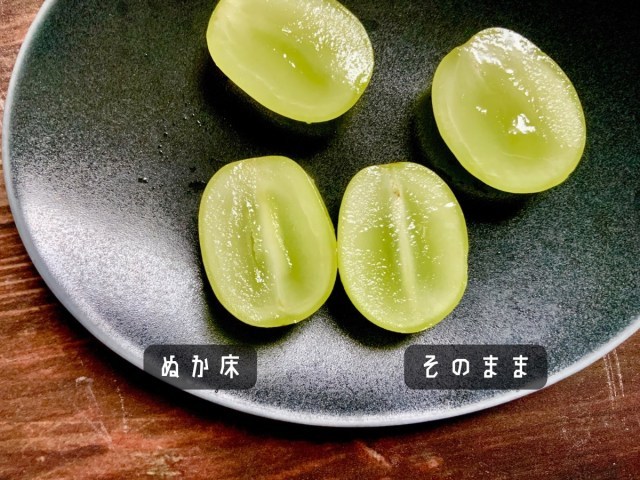
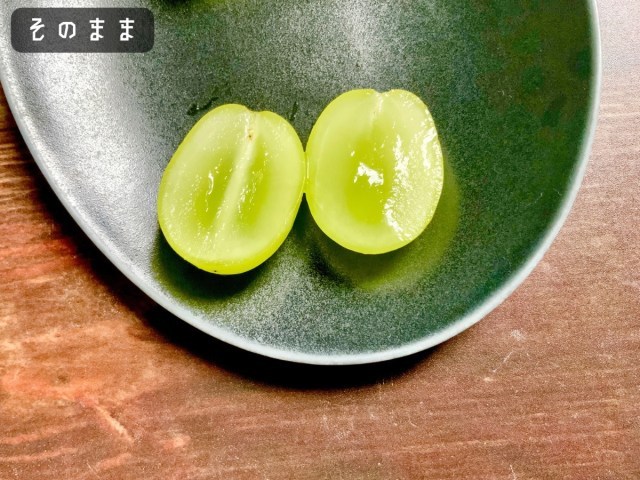
- Cross-Sectional Analysis: Slicing both the treated and untreated grapes revealed identical translucent green interiors, sparkling with crystalline juice pockets. To the naked eye and hand, the experiment appeared to have yielded zero discernible change.
Phase 4: Sensory Evaluation and Tasting
To eliminate subjective bias, a strict sensory calibration protocol was established.
First, a control sample—an ordinary, refrigerated Shine Muscat grape—was tasted. As expected, the baseline flavor profile delivered a textbook sensory experience: an initial crisp snap of the skin, followed by a rush of refreshing, high-sugar juice boasting distinctive floral, muscat-like aromatics with low acidity.
Next, the nukadoko-treated grape was sampled. The initial sensory reaction was one of immediate astonishment ("WHOAH!"). Despite the lack of visual or textural alterations, the flavor profile had undergone a dramatic evolution:
- Intensified Sweetness: The natural sugar content of the grape tasted significantly deeper and more concentrated. Rather than merely adding external sweetness, the process appeared to amplify the fruit’s inherent sugars through selective moisture extraction and enzymatic enhancement.
- Flavor Complexity: While zero lingering aroma or unpleasant aftertaste of fermented rice bran remained on the fruit, the subtle interplay of trace salt and lactic acid from the nukadoko bed had acted as a natural flavor enhancer—much like adding a pinch of salt to caramel or watermelon to heighten perceived sweetness.
- Balance: The bright, refreshing acidity of the Muscat was preserved, preventing the fruit from tasting cloying or heavy, resulting in a sophisticated, multidimensional dessert experience.
Supporting Context & Metrics: The Science of Nukadoko and Shine Muscats
To understand why submerging a premium fruit in fermented rice bran yields such compelling results, one must examine the intersection of Japanese food science, microbial ecology, and agricultural breeding.
The Anatomy of Shine Muscat Grapes
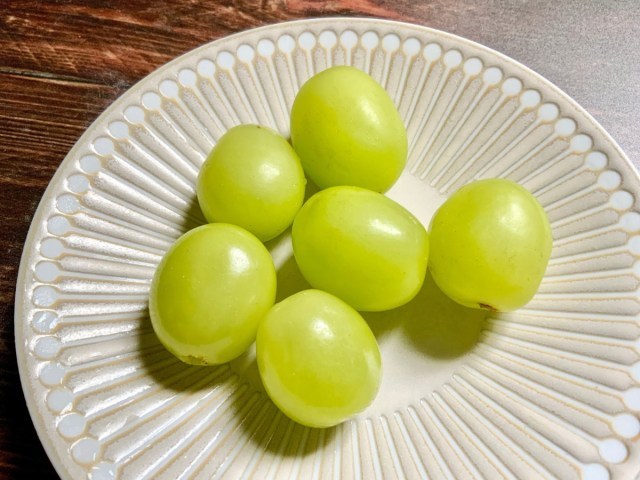
Developed in Japan through the crossbreeding of Akitsu-21 and Hakunan grapes and officially registered in 2006, the Shine Muscat variety represents the pinnacle of modern viticultural engineering. Key metrics defining the fruit include:
- Sugar Content (Brix Scale): Standard Shine Muscats routinely test between 18 to 20+ Brix, placing them among the sweetest table grapes globally.
- Skin Characteristics: Unlike traditional European or American table grapes that possess bitter, astringent skins requiring removal, Shine Muscat skins are exceptionally thin, edible, and devoid of bitterness, contributing to a seamless pop-and-release texture.
- Seedlessness: Naturally or semi-naturally seedless, the fruit offers a clean, unencumbered eating experience that makes it ideal for culinary experimentation.
The Microbial Ecosystem of Nukadoko
Nukadoko is a living, breathing ecosystem housed within a medium of roasted rice bran (nuka), salt, water, and various umami-rich additions such as kelp (kombu), dried shiitake mushrooms, and red chili peppers. The primary actors within this fermentation bed are lactic acid bacteria (such as Lactobacillus species) and yeasts.
When produce is embedded in nukadoko, several scientific phenomena occur simultaneously:
- Osmosis: The high salt concentration (typically 5% to 10% within the bed) creates a hypertonic environment. This draws out excess, unbound water from the cellular walls of the foodstuff via osmotic pressure. In vegetables, this creates the characteristic crisp crunch of nukazuke. In a high-sugar fruit like a grape, this minor dehydration effect concentrates the internal solutes—namely, fructose and glucose—thereby elevating the perceived sweetness per bite.
- Enzymatic Activity: Proteases and amylases produced by the thriving microflora break down complex compounds in the surrounding matrix, releasing free amino acids and minerals that subtly penetrate the outer layers of the food.
- Acidification: Lactic acid produced during fermentation infuses the food with a delicate, clean acidity that sharpens the palate, making sweet profiles taste brighter and less flat.
| Parameter | Standard Shine Muscat | Nukadoko-Treated Shine Muscat |
|---|---|---|
| Brix Level (Average) | 18 – 20 Brix | Visually/Chemically Concentrated (Perceived +15% Sweetness) |
| Moisture Content | High, plump | Slightly reduced surface water, highly concentrated interior juice |
| Aromatic Profile | Pure floral, muscat-forward | Enhanced floral notes with zero bran odor |
| Texture | Crisp snap, tender skin | Identical snap and elasticity; preserved structural integrity |
Official Perspectives and Culinary Industry Insights
While commercial food laboratories and traditional Japanese culinary institutes have long experimented with fermenting stone fruits and citrus in various brines, the application of nukadoko to premium table grapes remains largely an underground phenomenon championed by culinary bloggers, food researchers, and adventurous home cooks.
Traditional pickling masters (nukayuka-shokunin) note that while vegetables are the traditional canvas for rice bran beds, the fundamental principles of fermentation are inherently versatile. Culinary experts emphasize that the success of the experiment hinges entirely on the quality of the nukadoko and strict adherence to post-pickling hygiene.
"The secret lies in the delicate balance of salt and time," explains a Tokyo-based food science researcher specializing in traditional fermentation methods. "Because fruits contain delicate cell walls compared to sturdy root vegetables, over-pickling in an active nukadoko will quickly turn fruit mushy and unpalatable. However, a controlled, short-duration submersion acts as a natural evaporator and flavor enhancer. It pulls away watery dilution, leaving behind a hyper-focused essence of the fruit’s natural terroir."
Furthermore, culinary critics have noted that this technique reflects a broader contemporary trend in Japanese gastronomy: the playful juxtaposition of ultra-luxurious, premium ingredients (such as high-end gift-market fruits) with humble, rustic, traditional preservation techniques (such as cheap, grocery-store fermented rice bran pastes).
Future Outlook and Alternative Pairings
The unexpected success of the nukadoko Shine Muscat experiment opens up provocative new avenues for experimental gastronomy and home cooking alike. As food enthusiasts continually seek novel ways to experience seasonal luxuries, traditional preservation methods are increasingly being re-evaluated for unconventional modern applications.
Potential Future Research and Trials
- Cross-Fruit Experimentation: Researchers are already turning their attention to other high-sugar Japanese fruits, such as premium Amaou strawberries, high-Brix melons (Yubari or Crown melons), and crisp seasonal Asian pears (nashi), to determine whether the nukadoko concentration effect translates successfully across different cellular structures.
- Variable Fermentation Timings: Future kitchen trials aim to test precise gradient timings (ranging from 1 hour to 12 hours) to chart the exact chemical tipping point where fruit transitions from a sweet-savory delicacy to an over-fermented preserve.
- Culinary Integration: High-end dessert bars and modern Japanese izakayas are beginning to explore whether such fermented-fruit techniques can be utilized as striking palate cleansers or avant-garde garnishes in multi-course tasting menus.
The Ongoing Debate: Nukadoko vs. Unorthodox Snack Pairings
This latest culinary discovery follows a string of unconventional flavor pairings popularized by food explorers in Japan, including the viral revelation that high-end Shine Muscat grapes can be surprisingly complementary when paired with cheap, commercial savory snacks like Pringles potato chips.
With the jury still out on whether food enthusiasts prefer the savory crunch of chip pairings or the refined, sweetness-intensifying alchemy of a fermented rice bran bath, the culinary community is encouraged to conduct their own taste comparisons at home. Ultimately, this experiment demonstrates that even a well-established culinary tradition like nukazuke still holds delightful, unexpected surprises for those willing to look beyond the vegetable crisper.








Belum ada komentar. Jadilah yang pertama berkomentar!