

Executive Overview
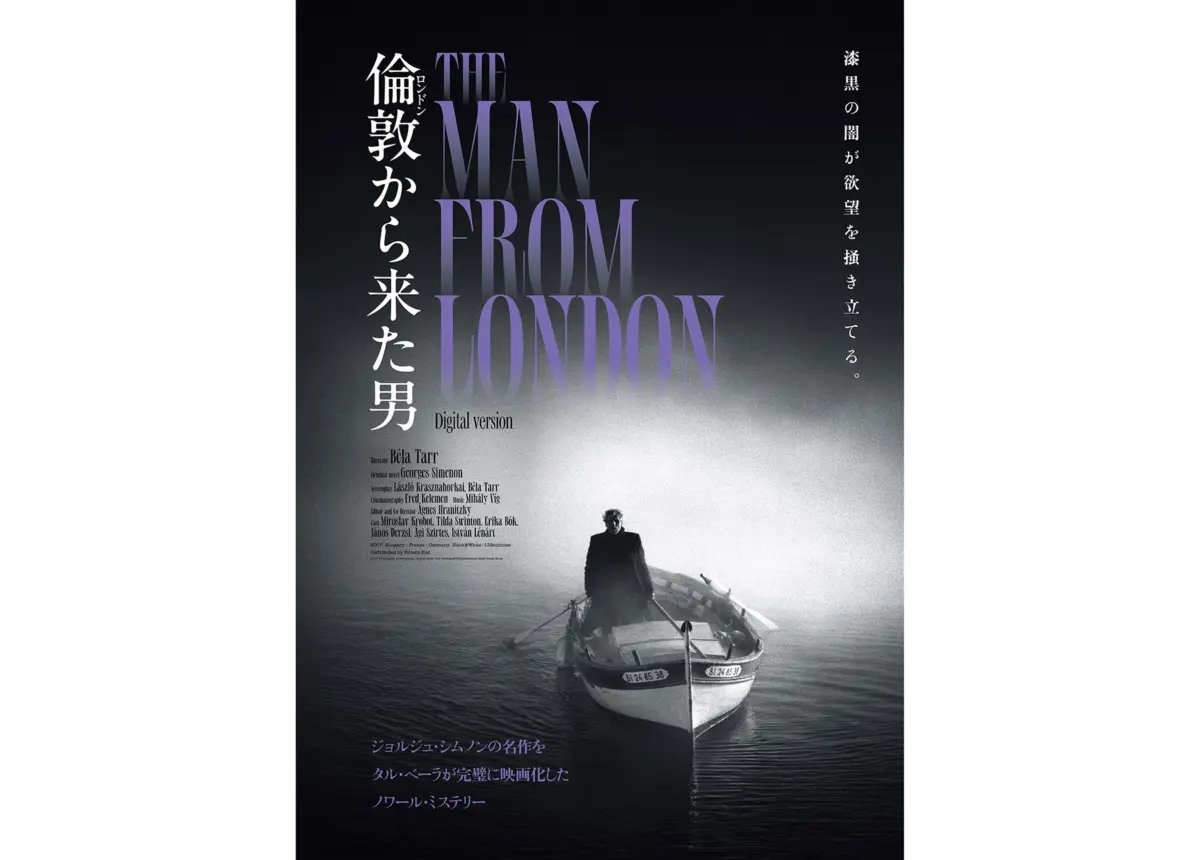
The global cinematic landscape continues to reckon with the profound, hypnotic, and uncompromising artistic vision of master Hungarian filmmaker Béla Tarr. Marking a significant milestone exactly one year following his definitive retirement from feature filmmaking, distributors and cultural institutions have announced the much-anticipated digital premiere of his 2007 masterpiece, The Man from London (A londoni férfi).
Simultaneously, a comprehensive and immersive retrospective screening series titled Béla Tarr: Gaze and Resist is scheduled to run from December 19 onward at select arthouse cinemas and cultural spaces internationally. This dual event—encompassing both the long-overdue streaming and digital availability of one of his major late-period works and a theatrical celebration of his oeuvre—offers both longtime cinephiles and a new generation of film scholars an unprecedented opportunity to engage with one of modern art’s most rigorous cinematic architects.
Tarr’s works are famously characterized by their sweeping, elegiac long takes, austere black-and-white cinematography, philosophical weight, and uncompromising pacing. The retrospective and digital rollout are designed not merely as a retrospective nod to a bygone era of slow cinema, but as a living testament to an aesthetic that challenges contemporary audiences to recalibrate their relationship with time, space, and human suffering on screen.
Detailed Chronology: From Masterworks to Retirement
To understand the cultural weight of the Gaze and Resist retrospective and the digital bow of The Man from London, one must examine the rigorous trajectory of Béla Tarr’s career. Born in Hungary, Tarr emerged as a singular voice in European cinema through a gradual stylistic evolution that moved from gritty, social-realist docudramas toward hypnotic, metaphysical allegories.
The Formative Years and Social Realism
Tarr’s early career in the late 1970s and 1980s—including works like Family Nest (1979) and The Outsider (1981)—was heavily influenced by the Budapest School and direct cinema. These films offered raw, unvarnished looks at the socioeconomic struggles of marginalized working-class citizens under state socialism. Utilizing handheld cameras, improvised dialogue, and stark naturalism, Tarr documented the micro-tragedies of daily survival with documentary precision.
The Transition to Metaphysical Minimalism
As his career progressed, particularly through his landmark collaborations with Hungarian novelist and screenwriter László Krasznahorkai, Tarr’s style underwent a radical metamorphosis. The fast-paced cutting and social-realist immediacy of his youth were replaced by sprawling, highly choreographed long takes, hauntingly atmospheric scores (often composed by Mihály Víg), and a deliberate deceleration of cinematic time.
This maturation reached its first global zenith with Sátántangó (1994), a monumental 450-minute cinematic epic that chronicles the decay of a collective farm community at the end of the communist era. Divided into twelve distinct movements mirroring the tango’s step structure, Sátántangó established Tarr as a pioneer of uncompromising arthouse formalism. He followed this with Werckmeister Harmonies (2000), a chilling, apocalyptic allegory of societal hysteria, before turning his lens toward maritime noir and existential despair with The Man from London (2007).
The Final Bow and the Transition to Pedagogy
Tarr officially concluded his career as a feature filmmaker with The Turin Horse (2011), an austere, devastating meditation on the end of days inspired by the final, tragic moments in the life of philosopher Friedrich Nietzsche. Upon completing the film, Tarr maintained a strict vow never to direct another feature, arguing that he had said everything he needed to say through the medium and that further features would compromise his artistic integrity.
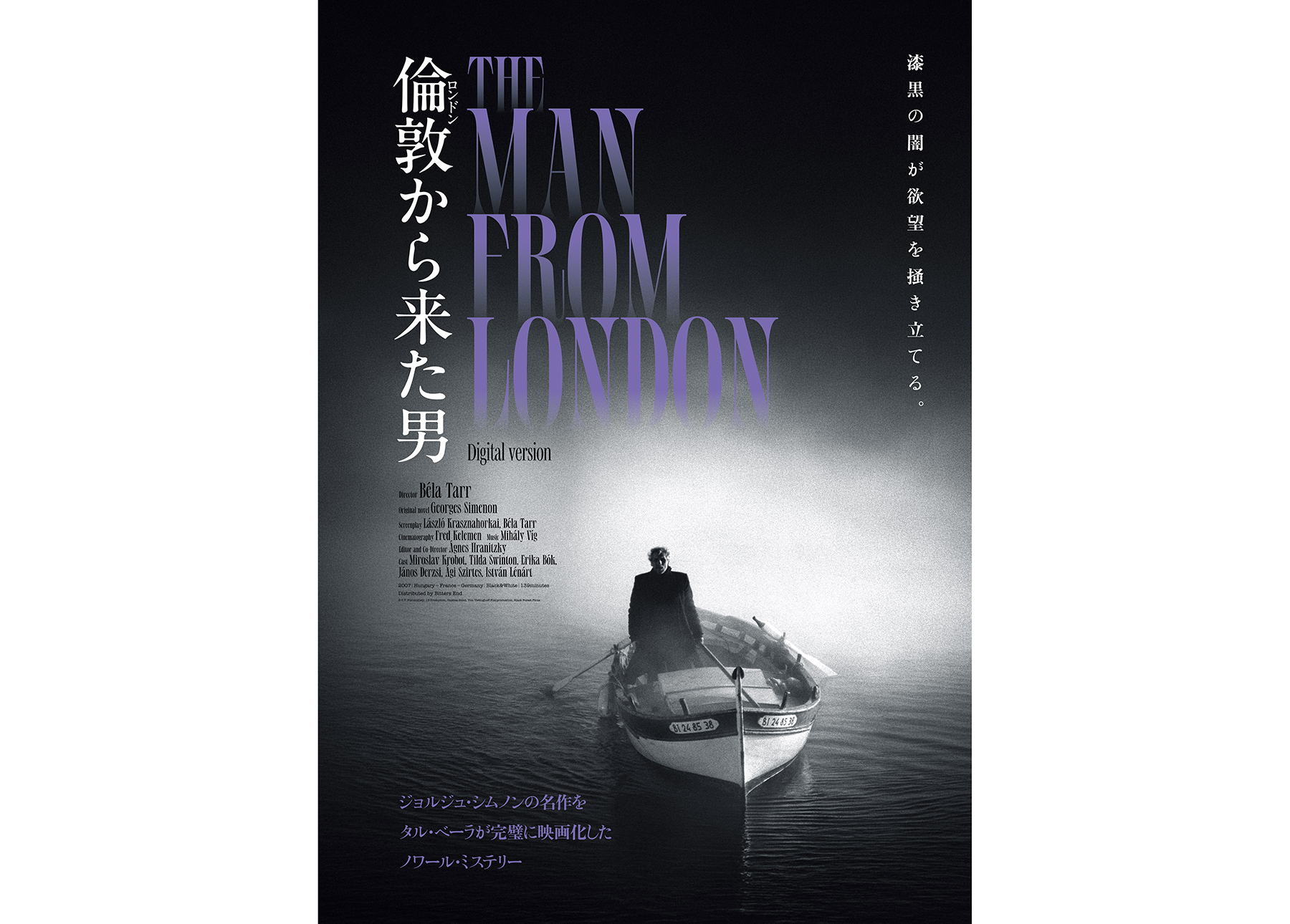
Rather than resting, Tarr redirected his immense creative energy into education. He founded film.factory, an independent, radical film school in Sarajevo, Bosnia and Herzegovina, designed to mentor the next generation of global auteurs outside the commercial constraints of traditional Hollywood film schools. His retirement from feature filmmaking, marked officially one year ago, has only amplified the critical re-evaluation of his filmography, transforming his completed works into sacred texts for slow cinema devotees.
Supporting Context & Metrics: The Anatomy of Tarr’s Cinema
The digital release of The Man from London and the Gaze and Resist retrospective invite a deeper quantitative and qualitative analysis of Tarr’s stylistic lexicon. Unlike contemporary commercial cinema, which relies heavily on rapid shot-reverse-shot editing and sensory overload, Tarr’s cinema is built upon structural endurance and spatial immersion.
The Long Take as a Philosophical Instrument
A statistical breakdown of Tarr’s late-period films reveals a staggering commitment to the long take (plan-séquence). While the average Hollywood film features thousands of cuts over a 120-minute runtime, a typical Béla Tarr feature may contain fewer than a few dozen distinct camera setups.
- The Turin Horse, for example, consists of only 30 individual shots across its 146-minute runtime, yielding an average shot length (ASL) of nearly five minutes.
- Sátántangó features famously unbroken sequences that stretch past ten minutes, tracking characters walking through wind-swept mud, drinking endlessly in desolate pubs, or pacing through decaying industrial ruins.
This formal choice is not merely stylistic exhibitionism; it is a philosophical stance. By refusing to cut away, Tarr forces the spectator to inhabit real time with his characters. The viewer cannot escape into the comforting rhythms of editorial shorthand. Instead, they must witness the slow, agonizing accumulation of existential dread, boredom, weather, and grace.
+-------------------------------------------------------------------------+
|                    Comparative Metrics: Tarr vs. Mainstream             |
+---------------------------+---------------------+-----------------------+
| Metric                    | Béla Tarr (Late)    | Modern Blockbuster    |
+---------------------------+---------------------+-----------------------+
| Average Shot Length (ASL) | 3 to 10+ Minutes    | 2 to 4 Seconds        |
| Total Cuts (per 120 min)  | 30 – 60 Cuts        | 1,500 – 3,000 Cuts    |
| Narrative Focus           | Metaphysical Space  | Plot & Action Pace    |
| Audio Landscape           | Wind, Víg's Drones  | Explosions, Pop Score |
+---------------------------+---------------------+-----------------------+
The Collaboration with László Krasznahorkai
Central to the artistic architecture of these films is the contribution of writer László Krasznahorkai, whose labyrinthine, cascading prose styles directly informed the rhythmic cadence of Tarr’s camera movements. The camera acts as a wandering consciousness—sometimes objective, sometimes drifting like a ghost through rain-soaked alleyways, tracking lonely figures against vast, indifferent landscapes.
Furthermore, the hypnotic musical compositions of Mihály Víg serve as emotional anchors. The recurring, melancholic accordion and piano motifs do not dictate how the audience should feel; rather, they amplify the existential vacuum of the screen, creating an almost liturgical atmosphere within the cinema space.
Official Statements and Cultural Significance
The announcement of the Gaze and Resist retrospective and the digital rollout of The Man from London has drawn statements from leading international film archives, critics, and cultural curators.
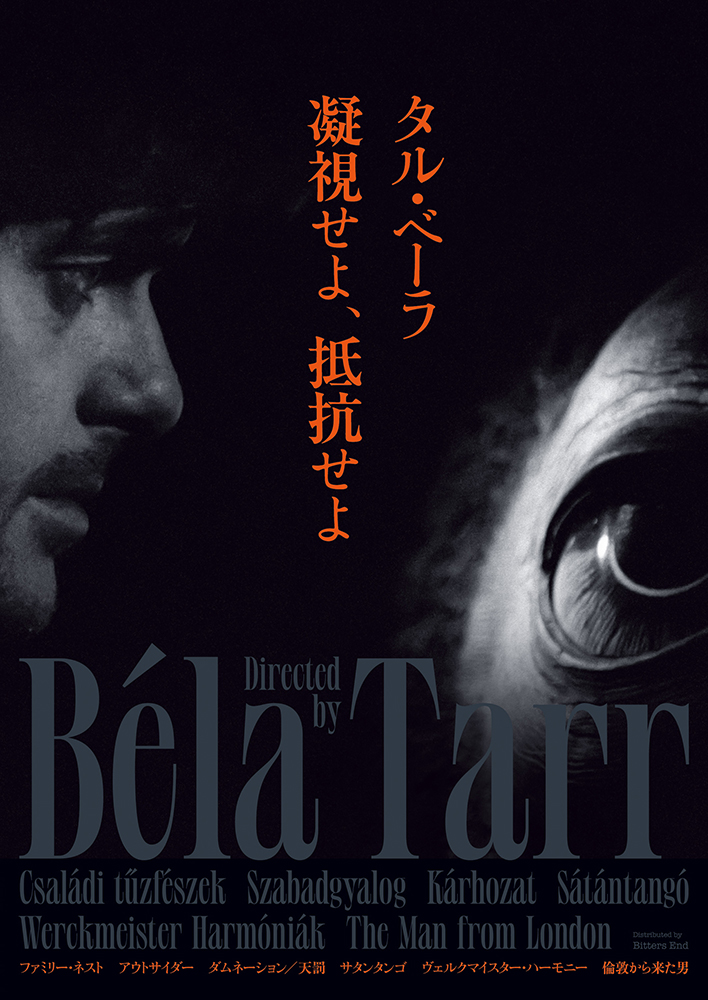
Cultural critics have emphasized that releasing The Man from London in high-definition digital formats bridges a critical gap for home-viewing audiences who previously relied on out-of-print physical media or poor-quality bootlegs. Based on the novel by Georges Simenon, the film follows a switchman in a desolate coastal town who stumbles upon a suitcase full of stolen money, triggering a downward spiral of moral corruption and surveillance. Its stark maritime photography by Fred Kelemen stands as a masterclass in digital and celluloid texture integration.
A spokesperson for the retrospective organizing committee noted:
"Béla Tarr did not merely make films; he constructed environments. In an era dominated by hyper-accelerated digital content and fragmented attention spans, revisiting Tarr’s work is an act of cultural resistance. ‘Gaze and Resist’ is an invitation to slow down, to look deeply into the frame, and to confront the profound human truths embedded within his uncompromising visions."
The initiative also underscores the ongoing mission of preserving arthouse heritage for younger demographics. Through partnerships with independent streaming curators and municipal cinemas, accessibility to these once-elusive masterpieces has expanded exponentially.
Future Outlook: The Enduring Echo of Slow Cinema
As the cinema world marks one year since Béla Tarr’s official retirement from directing, the cultural footprint of his work shows no signs of diminishing. If anything, the urgency of his cinema has grown in a hyper-connected, fast-paced digital age that frequently struggles with sustained contemplation.
The success of the Gaze and Resist retrospective and the digital streaming premiere of The Man from London will likely serve as a blueprint for future retrospectives of Eastern European modernist masters. Moreover, the graduates of Tarr’s film.factory initiative in Sarajevo are beginning to populate the international festival circuit with their own distinct, contemplative voices, ensuring that his pedagogical philosophy—prioritizing artistic integrity above market demands—survives intact.
For audiences worldwide, December 19 marks more than just the opening of a screening series; it represents a collective ritual. It is a chance to sit in the dark, surrender to the howling wind and melancholic waltzes of Mihály Víg, and bear witness to a cinematic universe where every single frame demands that we open our eyes, look closely, and resist the superficiality of our times.








Belum ada komentar. Jadilah yang pertama berkomentar!