

Executive Overview
For the better part of the past year, the headlines of Japanese domestic news have been dominated by harrowing accounts of Asiatic black bears wandering out of shrinking mountain habitats, encroaching upon rural and semi-urban communities, and terrifying residents. However, a startling shift in wildlife dynamics is currently underway across the Japanese archipelago. While bears have captured the bulk of the national media’s attention, the nation’s resident monkey population—specifically the Japanese macaque (Macaca fuscata)—appears determined to share the spotlight through a wave of brazen, unprovoked aggression against human and animal populations alike.
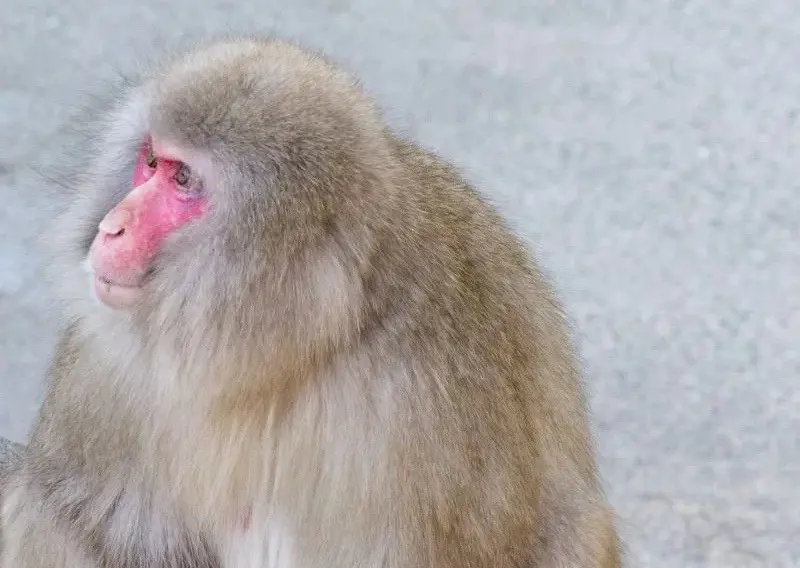
The latest in a string of alarming wildlife incidents occurred in Shunan, a bustling municipality located within Yamaguchi Prefecture on the western edge of Japan’s Honshu island. A local resident found himself the target of a premeditated assault by an adult wild macaque that not only attacked the 49-year-old man directly, but also attempted to drown a neighborhood stray cat in a residential garden pond.
This multi-species attack highlights a growing nationwide crisis concerning human-wildlife coexistence in Japan. From the notorious "Troop T1" syndicate terrorizing suburban neighborhoods in Kanagawa Prefecture to isolated yet increasingly violent encounters in Yamaguchi, wild macaques are displaying a striking lack of fear toward humans. As local law enforcement agencies scramble to increase patrols and municipalities issue urgent safety advisories, wildlife experts are urging a fundamental reassessment of how communities manage boundaries with nature. This report examines the chronology of the Shunan incident, evaluates the broader context of escalating macaque conflicts in Japan, and outlines official countermeasures aimed at restoring public safety.
Detailed Chronology of the Shunan Incident
The alarming events in Shunan unfolded on a Tuesday afternoon, shattering the quiet routine of the city’s Tokuyama neighborhood. While the area is far from a dense metropolitan center, it is equally removed from the deep, untouched wilderness, featuring a mix of residential housing, local businesses, and infrastructure that borders a fairly sizable, heavily trafficked roadway.
At approximately 3:40 p.m., a 49-year-old local resident was at home when his attention was drawn to his backyard garden. The focal point of the garden is an ornamental fish pond, which had recently become a familiar sanctuary for a local stray cat. According to the resident, a loud, heavy splash echoed from the direction of the pond. Rushing to investigate the sudden disturbance, the homeowner witnessed a shocking sight: a wild Japanese macaque had invaded his private property and deliberately hurled the helpless feline directly into the water.
Recognizing the immediate peril facing the animal, the homeowner rushed to the edge of the pond and successfully rescued the cat from the water. However, his intervention drew the ire of the primate.
The aggressor, identified as an adult macaque standing approximately 50 centimeters (roughly 19.7 inches) in height, abandoned its physical assault on the cat to focus its attention squarely on the human rescuer. The primate scampered up onto the roof of the residence, positioning itself above the homeowner and staring down with what the resident described as a menacing, confrontational glare.
Moments later, the primate executed a tactical retreat downward, leaping from the roof back to ground level. As the homeowner momentarily turned his back to attend to the wet, shaken cat and assess the situation, the macaque seized the opportunity for an ambush. Leaping through the air, the animal landed squarely on the man’s back, immediately launching a flurry of aggressive claw strikes. Despite the thick, heavy-duty work clothes the resident was wearing to protect himself during garden labor, the monkey’s sharp claws managed to penetrate the fabric, leaving long, painful scratches across his skin.
Following the sudden ambush, the primate broke off the attack and fled the scene on foot, vanishing into the surrounding neighborhood before authorities could be deployed. Miraculously, the targeted stray cat survived the ordeal, emerging from the water and the subsequent chaos without sustaining any severe or life-threatening physical injuries. The human victim, while shaken and bearing visible lacerations, also did not require emergency hospitalization.
Supporting Context & Metrics: The Rising Tide of Macaque Aggression
The incident in Shunan is far from an isolated anomaly; rather, it represents a troubling escalation in a pattern of aggressive macaque behavior that has plagued multiple prefectures throughout Japan over the past several years. Wildlife researchers and regional authorities note that encounters between humans and wild monkeys are increasing in frequency, severity, and audacity.
Just weeks prior to the Yamaguchi attack, public attention was riveted by the exploits of "Troop T1," a violent, organized syndicate of macaques running amuck in the town of Yugawara, Kanagawa Prefecture. Troop T1 earned national notoriety after aggressively cornering, surrounding, and ultimately attacking a local man who was simply enjoying a morning stroll along public city streets. These urbanized troops have demonstrated a sophisticated understanding of human residential patterns, often utilizing rooftops, balconies, and overhead power lines to traverse neighborhoods undetected while searching for food sources.
Yamaguchi Prefecture itself has experienced a disturbing uptick in primate-related confrontations. On September 8, in an entirely separate neighborhood within the city of Shunan, another wild monkey launched a brazen daytime assault, physically grabbing a local woman’s clothing and tearing the fabric in an aggressive display of dominance.
Sociologists and wildlife management experts attribute this surge in aggressive behavior to several interconnected environmental and socioeconomic factors:
- Encroaching Urbanization and Habitat Fragmentation: As human developments expand into traditional forest margins, wildlife corridors frequently intersect with residential neighborhoods, leading to frequent, close-proximity interactions.
- Agricultural Abandonment and Aging Demographics: Japan’s rapidly aging rural population has resulted in a significant increase in abandoned agricultural plots. Unharvested fruit trees and neglected gardens provide an abundant, highly accessible food source for omnivorous primates, training them to associate human settlements with easy calories.
- Intentional and Unintentional Feeding: Despite repeated public awareness campaigns, some residents continue to feed wild animals, while improperly secured household garbage offers an irresistible buffet that habituates macaques to human presence, stripping away their natural wariness.
- Loss of Apex Predators: Historically, populations of wolves and other natural predators kept macaque numbers and territorial behaviors in check. With the extinction of the Japanese wolf (Canis lupus hodophilax), macaques face minimal natural predatory pressure, allowing troop sizes and geographical ranges to expand unchecked.
Official Statements and Countermeasures
In the wake of the Shunan attack and the broader national surge in wildlife conflicts, municipal governments, prefectural police forces, and environmental ministries are ramping up their responses.
Local law enforcement agencies in Shunan have drastically stepped up patrols across the Tokuyama district and surrounding neighborhoods. Police cruisers are frequently seen monitoring residential streets, and officers have been equipped with specialized wildlife deterrents, including air horns and capture nets. Furthermore, municipal authorities have issued urgent safety broadcasts via public address systems and distributed safety flyers to local households, urging residents to exercise extreme vigilance during outdoor activities.
Government wildlife officials and zoological experts have issued clear, standardized guidelines for citizens who find themselves unfortunate enough to cross paths with an aggressive wild macaque:
- Never Make Eye Contact: Direct eye contact is interpreted by primates as a direct challenge to dominance and an invitation to engage in aggressive confrontation. Citizens are advised to cast their gaze downward or slightly away while maintaining visual awareness of the animal.
- Do Not Flee or Panic: Running away can trigger the macaque’s predatory chase instinct, often resulting in a high-speed pursuit where the human is easily overtaken. Instead, individuals should back away slowly, deliberately, and calmly.
- Avoid Provocation: Shouting, throwing objects, or attempting to physically shoo away an adult macaque can escalate the situation instantly, prompting a violent counter-attack.
- Secure All Food Sources: Homeowners are legally and practically urged to eliminate any potential attractants, including locking up household trash, bringing pet food indoors, and harvesting ripe fruit trees immediately.
Future Outlook: Navigating Coexistence in a Changing Japan
The dramatic confrontation in Yamaguchi Prefecture serves as a sobering reminder of the complex challenges facing modern Japan as it navigates the delicate balance between urban development and natural ecosystems. The image of a wild macaque casually tossing a stray cat into a garden pond before turning its fury on a homeowner underscores a disturbing psychological shift in the nation’s wildlife: a growing brazenness and a dangerous familiarity with human environments.
As local authorities in Shunan and Kanagawa grapple with these incidents, the conversation among policymakers is shifting from reactive containment to proactive ecosystem management. Long-term solutions will likely require enhanced culling programs for habitually aggressive troops, the reinforcement of physical barriers between forested areas and residential zones, and a renewed commitment from citizens to strictly manage waste and food attractants.
Until these systemic measures can be fully implemented, the residents of Shunan, Yugawara, and countless other communities across Japan must remain on high alert. The wildlife of Japan is sending a clear message that the boundaries separating the wild from the urban are increasingly porous, demanding heightened awareness, mutual respect, and cautious stewardship from everyone who shares the landscape.









Belum ada komentar. Jadilah yang pertama berkomentar!