

In a sweeping modernization initiative that marks the definitive end of an era for Japanese public transportation, the East Japan Railway Company (JR East) has officially announced that six additional major railway operators are joining its ranks to abolish traditional magnetic-strip paper tickets. Set to take effect in the spring of 2027, this monumental infrastructural overhaul will replace decades-old magnetic-stripe technology with modern, optically scanned QR codes.
The collaborative shift involves a consortium of vital rail networks that collectively manage the lion’s share of commuter and traveler transit across the Greater Tokyo Area and its surrounding prefectures. Alongside JR East—the largest and most heavily trafficked passenger railway network in eastern Japan—the participating operators now include Keisei Electric Railway, Keikyu Corporation, Tokyo Monorail, Tobu Railway, Hokuso Railway, and Sendai Airport Transit. Crucially, this alliance commands every single primary rail artery providing direct access to Tokyo’s two major aviation hubs: Haneda Airport and Narita Airport.
For millions of domestic commuters and international tourists alike, the familiar choreography of sliding a stiff paper ticket into a mechanical slot, watching it glide through the gate’s internal gears, and retrieving it on the fly will soon be a relic of the past. While contactless IC cards such as Suica and Pasmo will continue to dominate day-to-day transit, the complete phase-out of magnetic-stripe paper tickets promises profound environmental, economic, and operational shifts. Yet, as the industry hurtles toward a digital-first future, the transition highlights fascinating operational paradoxes—ranging from the physical retention of retro disposal slots to the temporary reliance on human station attendants for un-upgraded platforms.
Detailed Chronology
The path toward the complete obsolescence of magnetic-stripe rail tickets has been a gradual, calculated progression driven by the rapid evolution of digital infrastructure, changing consumer habits, and a pressing corporate mandate for environmental sustainability.
The Genesis of the Shift: Summer 2026
The groundwork for this nationwide transformation was laid earlier in the summer of 2026, when JR East publicly declared its intention to phase out magnetic-strip paper tickets across its extensive network. For decades, these tickets had served as the lifeblood of physical ticketing, handling single-ride passengers, tourists, and regional travelers who did not rely on prepaid IC cards. However, maintaining the hardware required to read, encode, and verify magnetic strips had become an escalating financial and mechanical burden. JR East’s initial announcement sent ripples through the Japanese transit sector, signaling to regional competitors that the status quo of paper ticketing was no longer viable in an era dominated by smartphones and optical recognition.
The Coalition Expands: Autumn 2026
Recognizing the necessity of a unified regional standard, six prominent railway operators announced their formal alignment with JR East’s timeline. By committing to the same spring 2027 transition date, these companies—Keisei Electric Railway, Keikyu, Tokyo Monorail, Tobu, Hokuso, and Sendai Airport Transit—ensured that travelers moving seamlessly between different networks would not face fragmented ticketing technologies. This consortium represents a vital geographic footprint, encompassing key commuter arteries in Tokyo, Chiba, Kanagawa, Saitama, Gunma, Tochigi, and Miyagi Prefectures. Most importantly, because these lines control airport rail links, the standardization ensures that international visitors arriving at Narita and Haneda will immediately interface with the new QR-based system.
The Spring 2027 Implementation Deadline
As the spring 2027 launch window approaches, participating railway companies are locked in a complex race against time. The changeover involves redesigning physical ticketing formats, recalibrating automated turnstiles, and deploying optical QR-code scanners across thousands of individual gates. While major hub stations are slated to receive state-of-the-art hardware well ahead of schedule, the sheer scale of the networks means that a phased rollout is unavoidable, setting the stage for temporary operational workarounds during the immediate post-launch period.
Supporting Context & Metrics
To fully understand the magnitude of this transition, one must examine the mechanics, environmental footprint, and economic realities of the systems being left behind.
The Mechanics of the Past: Magnetic Strips
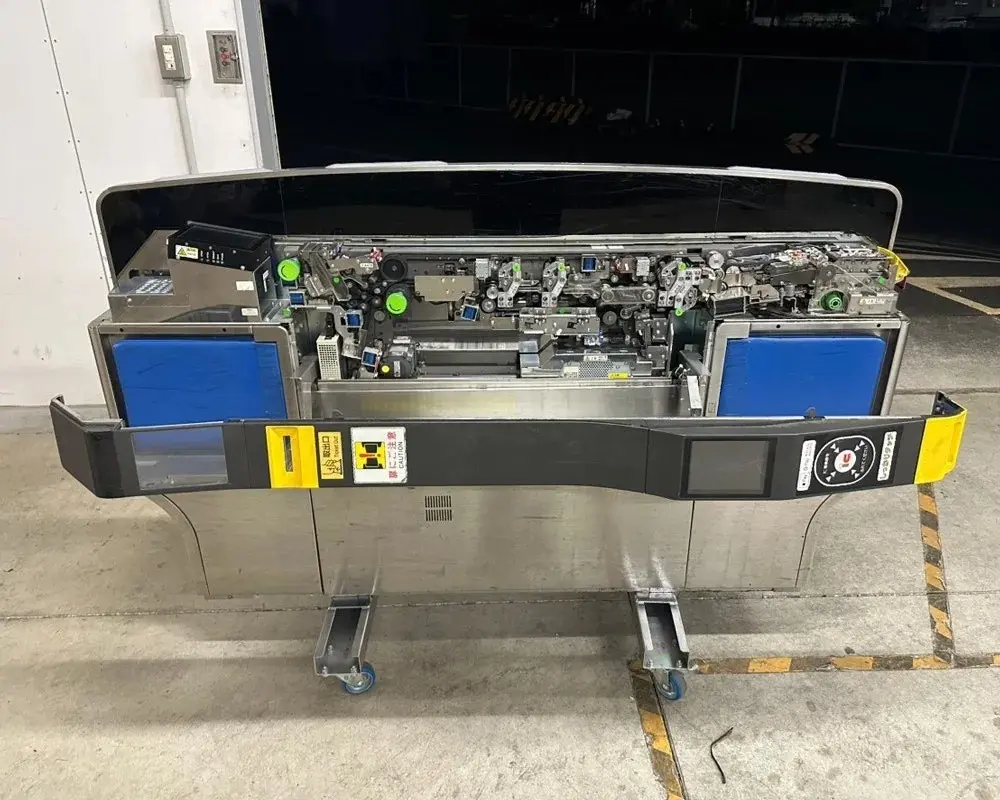
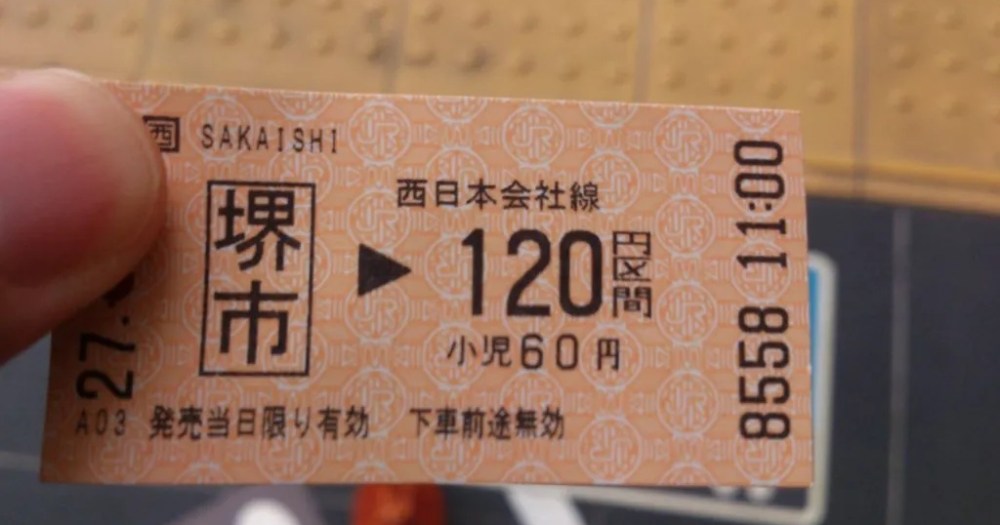
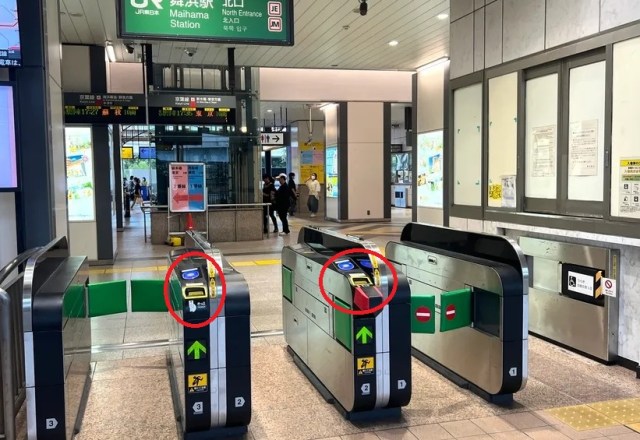
Under the incumbent system, paper tickets are manufactured with a layer of magnetic material adhered to the reverse side. When a passenger purchases a ticket from a vending machine, structural data—including the issuing station, fare amount, and validity date—is magnetically encoded onto the strip. Upon approaching an automated ticket gate, the user inserts the ticket into a vertical slot on the right-hand side. Inside the machine, a complex assembly of rollers, belts, and magnetic reading heads instantly verifies the data, updates the status, and spits the ticket out of the opposite end at high speed, allowing the commuter to retrieve it without breaking their stride. Upon exiting at the destination, the ticket is inserted once more, verified, and permanently retained within the terminal’s internal collection bin.
+-----------------------------------------------------------------+
|                    TICKET EVOLUTION METRICS                     |
+------------------------+-------------------+--------------------+
| Feature                | Magnetic-Stripe   | QR-Code Ticket     |
+------------------------+-------------------+--------------------+
| Primary Data Format    | Magnetic Encoding | Optical QR Code    |
| Average Ticket Length  | 5.75 centimeters  | 8.5 centimeters    |
| Annual Waste (JR East) | ~160 metric tons  | Significantly Lower|
| Disposal Requirements  | Chemical Toxicity | Standard Recycling |
| Gate Complexity        | High (Moving Parts| Low (Optical Lens) |
+------------------------+-------------------+--------------------+
The Anatomy of the Future: QR-Code Tickets
The incoming generation of paper tickets jettisons the magnetic backing entirely in favor of high-density optical QR codes. To accommodate these codes and ensure clear readability by stationary scanners, the physical dimensions of the tickets will expand significantly. While traditional magnetic tickets measure a modest 5.75 centimeters along their longest edge, the new QR-code tickets will stretch to 8.5 centimeters (approximately 3.3 inches). This expanded real estate not only facilitates error-free optical scanning but also provides ample room for auxiliary text, promotional information, and dual-purpose integration with digital smartphone ecosystems.
Environmental Imperatives and Waste Reduction
The primary driver behind the wholesale abandonment of magnetic tickets is ecological sustainability. The production and disposal of magnetic strips impose a heavy environmental tax on railway operators. JR East alone calculates that its current paper ticket inventory generates an astonishing 160 metric tons of physical waste every single year. More critically, the magnetic backing on these tickets requires specialized chemical treatments to neutralize toxic elements during disposal, preventing them from entering standard municipal waste streams. By transitioning to plain-paper QR tickets, operators can drastically reduce their carbon footprint, eliminate hazardous chemical processing, and align their operations with corporate net-zero targets.
Economic and Maintenance Efficiencies
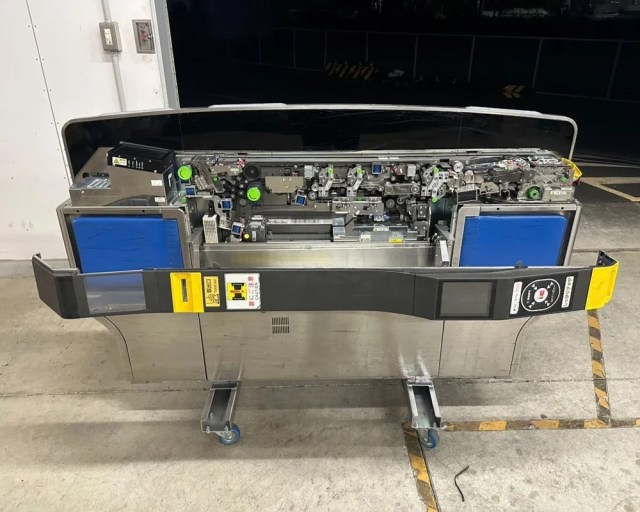
Beyond environmental concerns, the shift yields profound long-term financial benefits. Automated ticket gates equipped to process magnetic strips are marvels of mechanical engineering—and notorious maintenance nightmares. Inside their outer casings, these gates house dozens of intricate moving parts, including friction belts, optical sensors, alignment rollers, and magnetic write-read heads that are highly susceptible to wear, tear, and jamming from dust, moisture, and bent tickets.
When a gate jams, it requires immediate technician intervention, causing commuter bottlenecks and driving up operational overhead. By replacing moving internal readers with stationary optical scanners, railway operators can dramatically simplify gate architecture, slash maintenance budgets, and unify the physical hardware requirements of paper ticketing with digital smartphone-based QR scanning systems.
Official Statements & Industry Perspectives
Executives and industry analysts have framed the transition not merely as a hardware upgrade, but as a holistic philosophical shift in how public transit infrastructure interacts with the digital economy.
In joint briefings released by the participating rail consortium, corporate representatives emphasized that unifying admission architecture is critical for long-term resiliency. "The modernization of our ticketing infrastructure allows us to bridge the physical and digital worlds seamlessly," noted a senior logistics strategist involved in the rollout. "Passengers increasingly expect a unified digital experience, whether they are tapping a smartphone, scanning a barcode, or purchasing a single-ride paper ticket. Eliminating legacy magnetic technology removes an artificial barrier between paper and digital modalities."

Furthermore, transportation economists have lauded the move as a long-overdue exercise in fiscal prudence. For decades, regional rail networks have absorbed escalating maintenance costs tied to legacy electro-mechanical hardware. By standardizing around optical recognition—a technology already ubiquitous in consumer electronics and retail point-of-sale systems—railways can leverage mass-produced components, thereby insulating themselves from the specialized supply chain vulnerabilities associated with bespoke magnetic-stripe readers.
Future Outlook & Transitional Paradoxes
Despite the sleek, high-tech promise of QR-code implementation, the transition period is not without its operational quirks, nostalgic ironies, and logistical hurdles.
The Retention Slot Paradox
In a delightful twist of design irony, the transition to QR codes does not mean travelers will permanently alter their physical interaction with the turnstiles. Commuters might reasonably assume that optical scanning eliminates the need for physical slots entirely. However, the consortium has confirmed that new QR-compatible gates will retain a dedicated insertion slot at the destination terminal. Once a passenger optically scans their QR ticket to enter or exit, they are still afforded the option to drop the physical card into a machine slot, ensuring they are not forced to carry refuse out of the station—preserving the familiar tactile closure of a journey.
The Retro Reality of Un-Upgraded Stations
Perhaps the most striking irony of the 2027 rollout involves the stark disparity in infrastructure readiness across different stops within the network. While major metropolitan terminals—such as Tokyo Station, Shinjuku, and major airport hubs—will feature cutting-edge optical gates from day one, numerous suburban, rural, and secondary stations operated by the seven companies will not possess QR-compatible hardware by the spring 2027 deadline.
Consequently, travelers holding the new QR-code paper tickets who arrive at un-upgraded stations will encounter a decidedly old-school operational fix: they will be required to physically present their ticket to a human station attendant stationed at a manual wicket gate. This creates a charmingly retro intersection of cutting-edge optical encoding and mid-century manual station supervision.
A Final Bow for Railway Enthusiasts
For the average commuter relying on IC smart cards like Suica, the transformation will have little direct impact on their daily routines. However, for railway enthusiasts (tetsu-ota), the end of the magnetic strip closes a romantic chapter in Japanese rail history. The distinct staccato rhythm of tickets snapping into metal slots, whirring through internal gears, and popping out with mechanical precision has served as the ambient soundtrack of Japanese commuting for generations.
As these tickets begin their final countdown to extinction, collectors and hobbyists are expected to swarm ticket counters to hoard base-fare magnetic tickets as physical mementos. And while the mechanical clatter of the old gates will soon fade into memory, industry watchers speculate that public demand might eventually inspire creative homages—perhaps echoing the nostalgic digital revivals of classic mechanical departure boards recently celebrated across Tokyo’s transit hubs.









Belum ada komentar. Jadilah yang pertama berkomentar!