

Published: October 15, 2026
Author: Global Travel & Infrastructure Desk

Executive Overview
For millions of international and domestic travelers annually, the iconic silhouette of Mount Fuji serves as the quintessential backdrop of a Japanese holiday. Among the Fuji Five Lakes, Lake Kawaguchiko remains the most accessible, visually striking, and amenity-rich destination for day-trippers and weekend explorers alike. However, transitioning from the sprawling, hyper-dense metropolis of Tokyo to the serene alpine foothills of Yamanashi Prefecture presents a minor logistical puzzle.

Choosing the optimal route requires balancing three primary variables: budgetary constraints, time sensitivity, and tolerance for transfers. While express highways offer unbeatable cost-efficiency and direct routes, they remain vulnerable to Tokyo’s notorious weekend traffic bottlenecks. Conversely, railway networks—bolstered by high-speed limited expresses—provide unyielding schedule reliability at a higher financial tariff.

This comprehensive briefing investigates every viable transit corridor from Tokyo’s primary aviation hubs (Narita and Haneda) and central rail nexus (Shinjuku) to the shores of Lake Kawaguchiko. Furthermore, it outlines a meticulously timed, field-tested 48-hour itinerary designed to maximize cultural immersion, culinary discovery, and panoramic sightseeing.

Detailed Transit Chronology & Route Analysis
Navigating Japan’s world-class transit ecosystem requires mapping out connection points before departure. Below is an exhaustive breakdown of routes, durations, fare structures, and transfer protocols.

1. The Gateway Corridors: Narita and Haneda to Shinjuku
Regardless of whether you land at Narita International Airport (NRT) or Tokyo International Airport (Haneda, HND), your primary objective for heading toward the Fuji region is Shinjuku Station. As Tokyo’s western transportation titan, Shinjuku centralizes both high-speed rail and long-distance highway bus terminals.

From Narita Airport to Shinjuku
- Narita Express (N’EX): The gold standard for direct airport-to-city transit.
- Duration: 80 to 90 minutes.
- Cost: ¥3,330 one-way (Basic fare ¥1,600 + Special Express fee ¥1,730).
- Transfers: None. Trains run directly into Shinjuku Station without requiring platform changes.
- Assessment: While pricier than conventional lines, it eliminates the immense stress of navigating subterranean Tokyo stations with heavy luggage.
- Keisei Skyliner:
- Duration: 65–70 minutes to Nippori Station, followed by a local transfer to the JR Yamanote Line.
- Cost: ¥2,790.
- Transfers: 1 transfer (Nippori).
- Assessment: Highly frequent service, ideal for speed-focused travelers who do not mind a single platform transition.
- Airport Limousine Bus:
- Duration: 85–110 minutes.
- Cost: ¥3,600.
- Transfers: None.
- Assessment: A comfortable, seat-guaranteed highway ride directly to major Shinjuku hotels and transit hubs, though subject to regional highway density.
From Haneda Airport to Shinjuku
- Keikyu Line + JR Yamanote Line:
- Duration: 40–45 minutes total.
- Cost: ¥590.
- Transfers: 1 transfer at Shinagawa Station.
- Assessment: Incredibly fast and remarkably affordable. Take the Keikyu Airport Line Express from Haneda to Shinagawa (15 mins), then board the JR Yamanote Line northbound to Shinjuku (20 mins).
- Tokyo Monorail + JR Yamanote Line:
- Duration: 45–50 minutes.
- Cost: ¥780.
- Transfers: 1 transfer at Hamamatsucho Station.
- Assessment: Offers elevated, scenic views of Tokyo Bay before diving into the urban core.
- Direct Limousine Bus:
- Duration: 35–50 minutes (traffic dependent).
- Cost: ¥1,400.
- Transfers: None.
2. Shinjuku to Lake Kawaguchiko: Trains vs. Highways
Once positioned at Shinjuku, travelers face the core decision: rail or road.

| Means of Transportation | Average Duration | One-Way Fare | Transfers | Reliability Index |
|---|---|---|---|---|
| Highway Bus (Busta Shinjuku) | 1 hour 45 mins – 2 hours | ¥2,200 | None | Moderate (Traffic-dependent) |
| JR Limited Express "Fuji Excursion" | 1 hour 50 minutes | ¥4,200 | None | High (On-schedule rail) |
| JR Chuo Line + Fujikyu Railway | 2 hours 15 mins – 2 hours 30 mins | ¥3,800 – ¥4,000 | 1 (Otsuki Station) | High |
| Local Trains (Conventions) | 2 hours 40 mins – 3 hours | ¥2,510 | 1–2 (Takao, Otsuki) | High |
The Highway Bus Advantage & Risk
Departing from Busta Shinjuku (Shinjuku Expressway Bus Terminal), the Chuo Expressway Bus ("Shinjuku – Fuji Five Lakes Line") offers the most economically sensible and direct route. At just ¥2,200, it undercuts rail alternatives by half while depositing passengers directly at Kawaguchiko Station in roughly 105 minutes. However, transit authorities issue a strict caveat: weekend and holiday traffic congestion along the Chuo Expressway can dramatically inflate travel times.

The Rail Supremacy: Fuji Excursion & Chuo Line
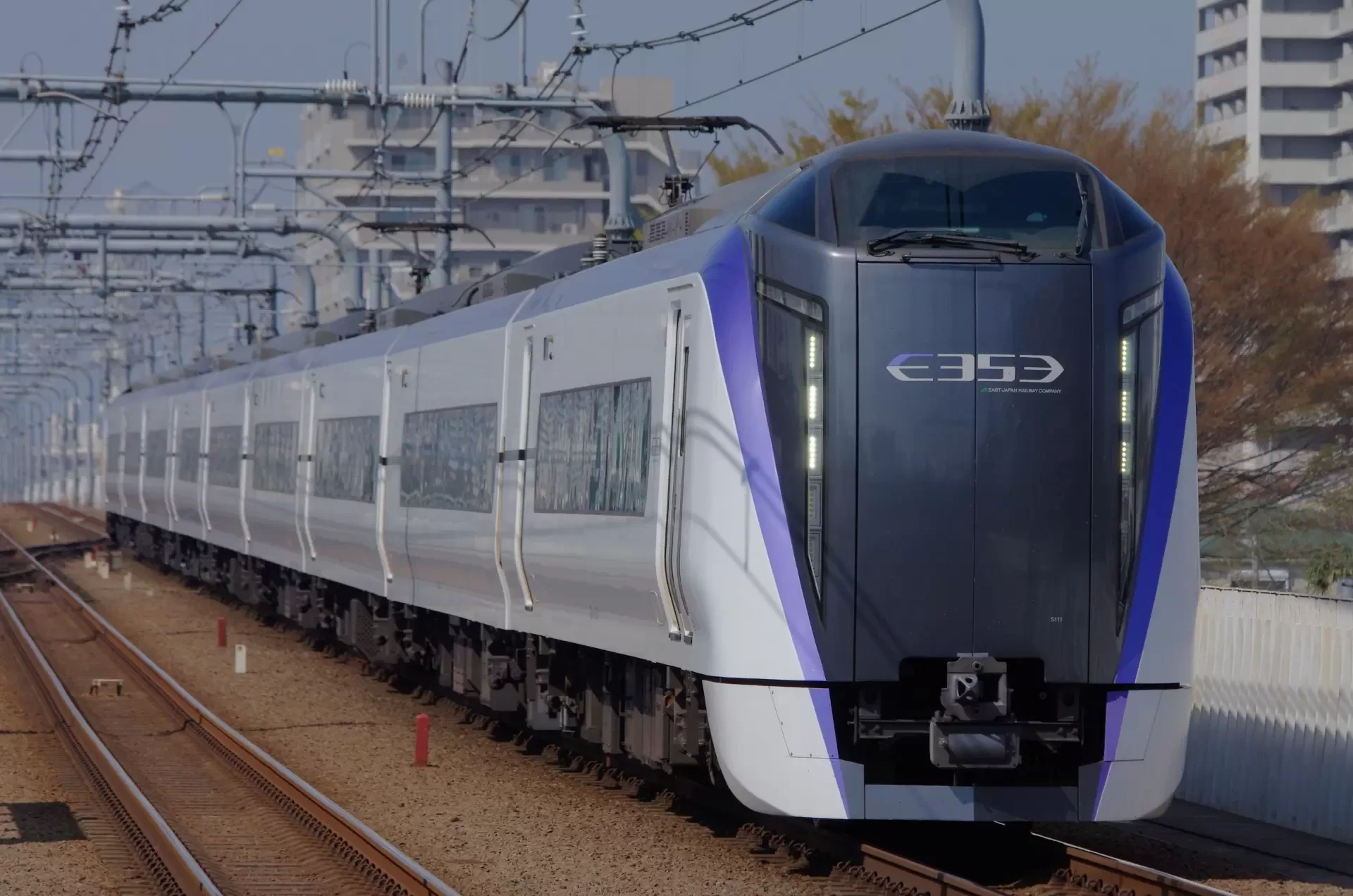
For absolute schedule adherence, the JR Limited Express "Fuji Excursion" (Fuji Kaiyu) is peerless. For ¥4,200, this specialized train departs directly from Shinjuku and carves straight through to Kawaguchiko Station in 1 hour and 50 minutes with zero transfers.

If seats on the direct Fuji Excursion are sold out, travelers can book a seat on the JR Chuo Limited Express (Kaiji or Azusa) to Otsuki Station (60 minutes), walk across the platform, and transfer to the Fujikyu Railway Line for the final leg to Kawaguchiko (another 60 minutes).

Supporting Context & Metrics
Financial Optimization: The JR EAST PASS
For international tourists planning multi-destination itineraries across the Kanto region (covering Tokyo, Nikko, Kamakura, and the Fuji Five Lakes), purchasing the JR EAST PASS (Nagano, Niigata area) or the JR EAST PASS (Tohoku area) can yield substantial savings. These regional passes cover the basic fares and seat reservations for the Chuo Limited Express lines, though a supplemental regional surcharge may apply for the final Fujikyu Railway stretch past Otsuki Station depending on the specific pass variant. Passholders should consult the official JR East Pass Portal for up-to-date validation rules.

Comparative Cost-Time Matrix (Narita to Kawaguchiko Route)
[Narita Airport]
      │
      ├──> (Narita Express - 90m - ¥3,330) ──> [Shinjuku Station]
      │                                                │
      │                                                ├──> (Highway Bus - 105m - ¥2,200) ──> [Lake Kawaguchiko]
      │                                                │
      │                                                └──> (Fuji Excursion - 110m - ¥4,200) ──> [Lake Kawaguchiko]
      │
      └──> (Keisei Skyliner - 70m - ¥2,790) ──> [Nippori] ──> (JR Yamanote) ──> [Shinjuku]
Field-Tested 48-Hour Itinerary: Immersive Fuji Foothills
To demonstrate how these transit segments synthesize into an unforgettable travel experience, we present an optimized, step-by-step 48-hour itinerary executed by our field research team.

Day 1: Arrival, Local Gastronomy, and Alpine Vistas
- 09:00 AM: Touch down at Haneda Airport. Clear customs, retrieve pocket Wi-Fi or eSIM data packages, and prepare for transit.
- 09:33 AM: Board the Keikyu Airport Line Express bound for Shinagawa.
- 09:56 AM: Arrive at Shinagawa Station, transition to the inner platforms.
- 10:08 AM: Board the JR Yamanote Line Outer Loop heading toward Shibuya and Shinjuku.
- 10:27 AM: Arrive at Shinjuku Station. Navigate subterranean corridors upward to the architectural marvel of Busta Shinjuku.
- 11:15 AM: Board the pre-booked Chuo Expressway Highway Bus (Shinjuku – Fuji Five Lakes Line). Sit back as the urban concrete jungle gradually yields to rolling mountains and pine-forested valleys.
- 01:00 PM: Arrive punctually at Kawaguchiko Station.
- 01:05 PM: Walk to the nearby local institution "Hoto Fudo" for lunch. Savor Yamanashi’s signature comfort food: thick, flat wheat noodles simmered in a rich, hearty miso broth loaded with pumpkin, seasonal mountain vegetables, and mushrooms.
- 02:00 PM: Step out to Kawaguchiko Station and board the Lake Kawaguchiko Sightseeing Bus (Red-Line) operated by Fujikyuko Bus.
- 02:20 PM: Alight at Oishi Park, situated along the northern shores of the lake.
- 02:30 PM: Spend an hour capturing pristine, unobstructed views of Mount Fuji reflecting off the calm waters of Lake Kawaguchiko. Treat yourself to a cone of local lavender soft-serve ice cream, paying homage to the park’s vibrant summer floral fields.
- 03:00 PM: Return to the bus stop, head back to Kawaguchiko Station, and catch the pre-arranged complimentary shuttle service to your accommodation. (Note: Hotel shuttles require advance reservation).
- 03:20 PM: Check into Fuji Midori no Kyukamura (Fuji Green Vacation Village), an eco-resort nestled deep within pristine woodlands protected by the Fuji-Hakone-Izu National Park.
- 04:00 PM: Walk over to the adjacent Fuji Chobo no Yu Yurari Onsen. Soak away travel fatigue in expansive open-air hot spring baths (rotenburo) featuring direct, uncompromised sightlines of Mount Fuji looming overhead.
- 07:00 PM: Enjoy a traditional kaiseki dinner featuring local Yamanashi delicacies at the resort.
Day 2: Nature Trails, Two-Wheeled Exploration, and Return
- 06:00 AM: Wake up to crisp alpine air. Enjoy a hearty breakfast at the lodge, followed by an invigorating morning nature walk through the protected park trails surrounding the property.
- 08:30 PM: Board the resort’s morning shuttle bus back to Kawaguchiko Station.
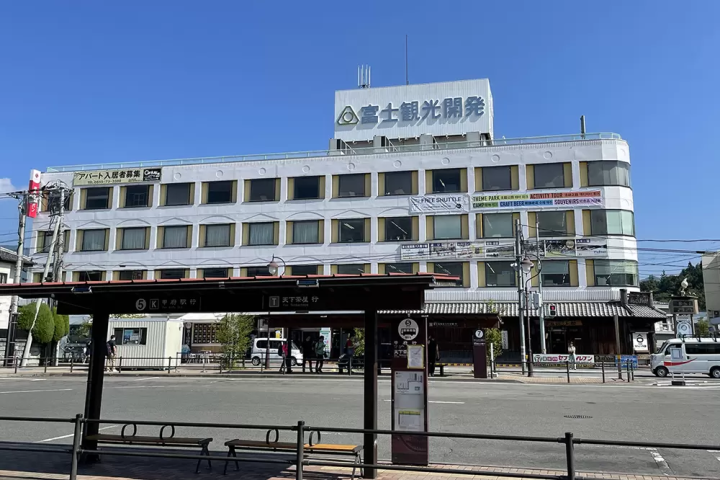
- 09:00 AM: Walk across to Fujikanko Travel (located directly in front of Kawaguchiko Station) to secure your rentals for the day.
- 09:15 AM: Rent an electric-assist bicycle from Fujikanko Travel. Even novices or those with limited athletic stamina can effortlessly conquer the rolling lakeside topography. Take advantage of their complimentary luggage storage service, leaving your bulky suitcases behind while you explore unburdened.
- 09:30 AM – 04:00 PM: Embark on a self-guided cycling expedition around Lake Kawaguchiko. Pedal across the magnificent Kawaguchiko Ohashi Bridge, visit the Tsutsuji-no-hara azalea trails, explore the Music Forest Museum (Kawaguchiko Music Forest), and stop at lakeside cafes for artisanal coffee.
- 04:30 PM: Return your electric bicycle to Fujikanko Travel, retrieve your stored luggage, and freshen up at the station lounge.
- 04:50 PM: Board the evening highway express bus bound for Busta Shinjuku.
- 06:35 PM: Arrive safely back at Shinjuku Bus Terminal, seamlessly re-entering Tokyo’s vibrant evening economy.
Future Outlook & Expert Recommendations
As global tourism to Japan continues to scale unprecedented heights, local infrastructure authorities in Yamanashi Prefecture are actively reviewing transit bottlenecks. Proposals to increase the frequency of the JR Limited Express "Fuji Excursion" during peak autumn foliage and spring cherry blossom seasons are currently under legislative review by JR East and the Fujikyu Railway.
Final Strategic Advice:
- For Budget Travelers: Secure your highway bus tickets online exactly 30 days prior to departure via the Highwaybus.com portal. Always build a 45-minute buffer into your return schedule to absorb potential expressway delays.
- For Time-Sensitive Travelers: Book the JR Limited Express "Fuji Excursion" the moment tickets open (30 days in advance at 10:00 AM JST) to guarantee zero-transfer, traffic-proof transit to the foot of Mount Fuji.






Belum ada komentar. Jadilah yang pertama berkomentar!