

Date: May 28, 2026
Category: Collector Guides & Market Analysis
Executive Overview
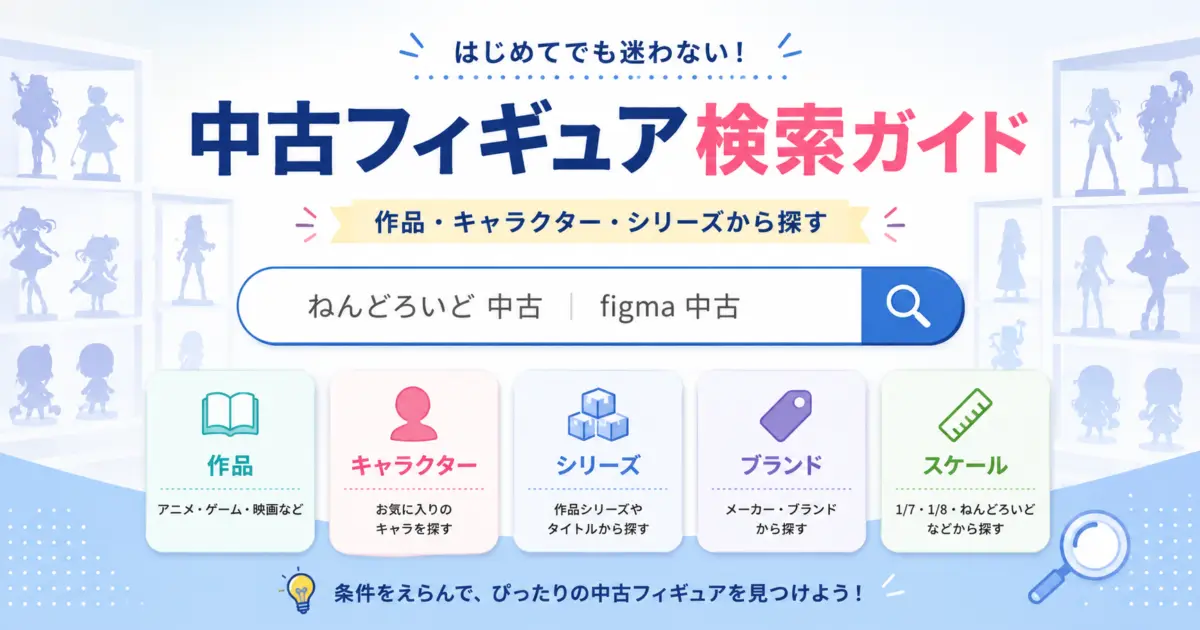
The secondary market for collector figures has evolved from a niche hobby into a multi-billion-dollar global ecosystem. Driven by passionate communities, digital marketplaces, and a massive surge in pop-culture appreciation, buying and selling pre-owned figures—such as figma, scale figures, and limited-edition statues—has never been more active.
However, entering this dynamic marketplace requires more than just enthusiasm. Navigating fluctuating pricing trends, authenticating rare items, evaluating condition grades, and identifying reliable buying platforms are essential skills for both novice collectors and seasoned investors. This comprehensive guide breaks down the mechanics of the secondary figure market, offering deep insights into how to safely and profitably buy, sell, and curate your collection.
Detailed Chronology: The Evolution of the Secondary Figure Market
To understand where the market stands today, it is crucial to examine how the secondary landscape has transformed over the past decade.
- The Early Era (Pre-2015): Primarily localized to physical hobby shops in Tokyo’s Akihabara district, local comic book stores, and early peer-to-peer forums. International buyers relied heavily on proxy services and high-risk international shipping, often paying exorbitant markups.
- The Digital Expansion (2015–2020): The rise of global marketplaces and dedicated cross-border auction platforms made figures more accessible. Social media communities began setting informal price standards, while specialized aftermarket aggregators started tracking historical sales data.
- The Modern Boom (2020–Present): Accelerated by global shifts toward online commerce and pop-culture consumption, platforms like Yahoo! Auctions, Mercari, and specialized collector forums have streamlined transactions. Today, real-time price tracking, verified buyer protection, and international authentication services have transformed the pre-owned figure market into a sophisticated, highly responsive economic sector.
Supporting Context & Metrics: Understanding Pre-Owned Valuations
Pricing in the secondary figure market is dictated by supply and demand, manufacturer reputation, and condition grading. Unlike mass-market consumer electronics, collector figures often appreciate significantly after their initial production run ends.
Key Factors Influencing Market Value
- Manufacturer Prestige: Brands known for exceptional quality control and limited manufacturing runs—such as Good Smile Company, Alter, and Hot Toys—tend to hold or increase their value over time.
- Character Popularity: Figures depicting breakout anime protagonists, trending gaming icons, or rare variants from limited-edition releases frequently command high premiums.
- Condition and Completeness: The presence of the original box (often referred to as "MIB" – Mint in Box, or "CIB" – Complete in Box), inserts, interchangeable faceplates, and accessories can drastically alter a figure’s resale value. Missing components typically devalue a piece by 30% to 50%.
Common Condition Classifications
- S-Grade (Brand New / Unopened): Factory sealed with zero shelf wear. Highly sought after by investment-grade collectors.
- A-Grade (Like New / Displayed Carefully): Opened and displayed in a smoke-free, UV-protected environment. Virtually indistinguishable from new, complete with all original packaging and accessories.
- B-Grade (Minor Imperfections): Slight shelf wear on the box or minor, unnoticeable scuffs on the figure itself. Fully functional with all core parts included.
- C-Grade (Damaged / Incomplete): Noticeable damage, missing accessories, or broken parts. Generally sold at a steep discount to customizers or parts-hunters.
Official Statements and Industry Insights
Industry analysts and veteran collectors emphasize that navigating the secondary market requires vigilance against counterfeits. Bootlegs—particularly of popular scales and figmas originating from unauthorized overseas manufacturers—have become increasingly sophisticated.
"The proliferation of high-quality knockoffs has made verification a top priority for modern marketplaces," notes a leading Tokyo-based figure appraiser. "Buyers must scrutinize box holograms, paint application precision, and plastic quality. When a deal looks too good to be true, it almost always is."
Furthermore, prominent online platforms have rolled out enhanced consumer protection policies. Features such as escrow payment systems, automated authenticity checks, and verified seller badges are now standard across top-tier trading hubs, significantly reducing fraud rates and boosting consumer confidence.
Future Outlook: Trends to Watch in the Collector Ecosystem
As the secondary figure market matures into the late 2020s, several key trends are expected to shape the landscape:
- Integration of Blockchain and Digital Provenance: High-end statues and limited-edition releases are increasingly utilizing digital certificates of authenticity to streamline verification and combat counterfeiting.
- Data-Driven Pricing Tools: Real-time valuation algorithms and market trackers will give everyday collectors instant access to historical pricing data, minimizing the risk of overpaying or under-selling.
- Sustainable Packaging and Preservation: With environmental considerations taking center stage, manufacturers and aftermarket sellers are adopting eco-friendly preservation materials that maintain collector standards while reducing waste.
Whether you are looking to clear out space in your display case, hunt down a rare holy grail, or invest in the future of pop-culture collectibles, mastering the dynamics of the secondary market is your key to a successful and rewarding collecting journey.







Belum ada komentar. Jadilah yang pertama berkomentar!