Autumn in Japan is widely considered the country’s most climactically agreeable season. The oppressive heat, suffocating humidity, and volatile thunderstorms of summer have finally retreated, yet the bitter cold and shortened daylight hours of winter have not yet taken hold. Skies are characteristically clear, the air is crisp, and the natural landscape undergoes a breathtaking chromatic transformation.
However, this golden window of weather brings a cruel irony for residents, expatriates, and travelers alike: a severe shortage of extended time off. While Japan observes three major national vacation periods—New Year’s, Golden Week, and Obon—these fall safely within the winter, spring, and summer seasons. Autumn offers only a scattering of isolated national holidays, making extended multi-day trips difficult to schedule for busy professionals and students.
To solve this seasonal dilemma, editors at SoraNews24 turned to their seasoned writing staff to curate a definitive travel guide: eight exceptional, low-key destinations across the country that can be thoroughly experienced in roughly half a day, yet leave a lasting impression for a lifetime. From hand-built labyrinths in rural prefectures to world-class modern art nestled in hot spring mountain towns, these carefully selected locations offer maximum cultural and aesthetic return on investment for travelers pressed for time.
Detailed Chronology & Destination Profiles
To assist travelers in planning their compressed autumn itineraries, the following chronological breakdown explores each of the eight writer-recommended locations, detailing their unique histories, operational highlights, and experiential value.
1. Hakone Open-Air Museum (Kanagawa Prefecture)
Location: Hakone, Kanagawa Prefecture
Time Commitment: ~3 hours
Recommended By: P.K. Sanjun
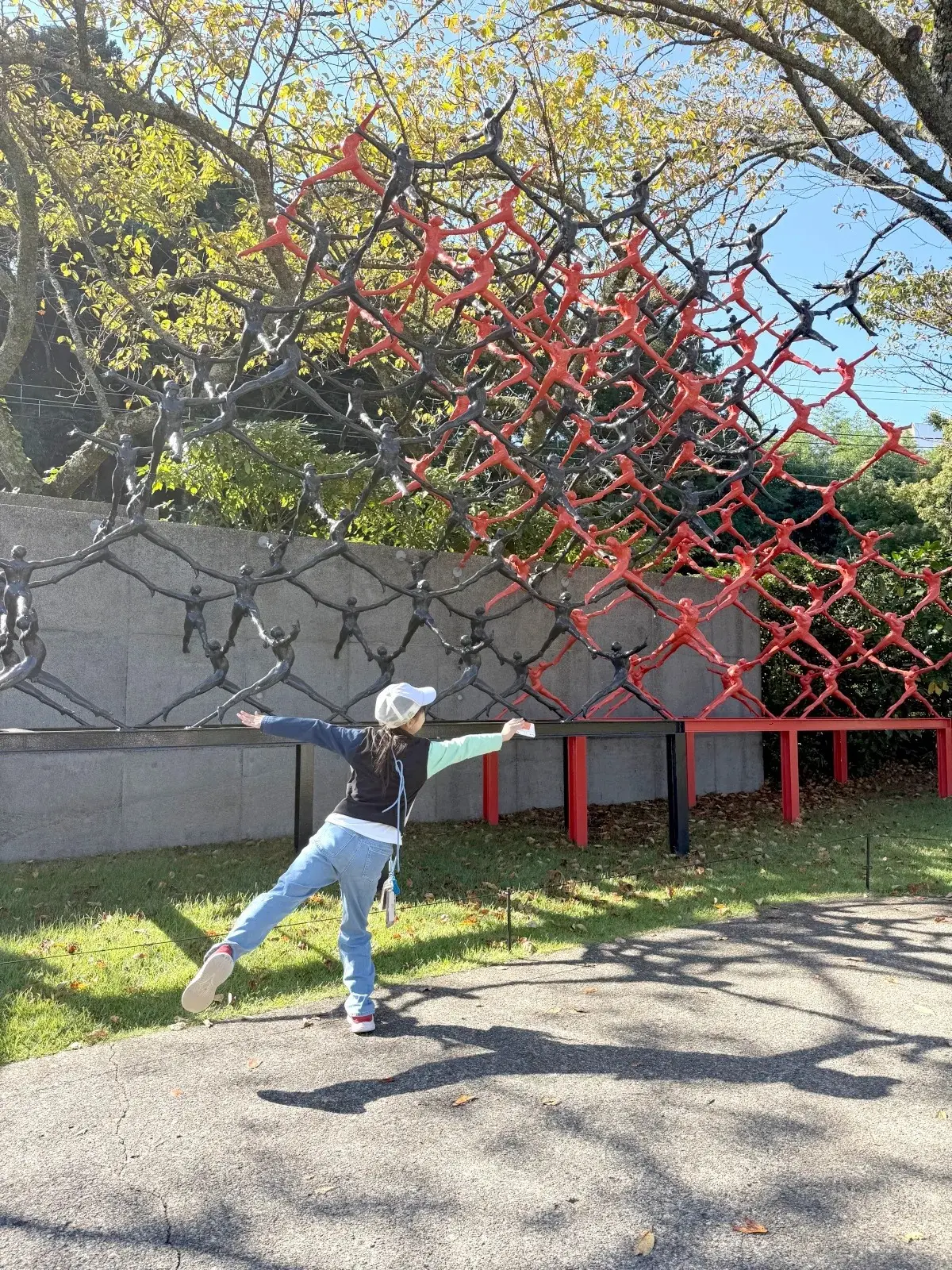
While the mountainous town of Hakone in Kanagawa Prefecture is internationally renowned for its traditional hot spring (onsen) resorts and picturesque lake cruises overlooking Mt. Fuji, it harbors a cultural treasure that often gets overshadowed by natural steam: the Hakone Open-Air Museum.
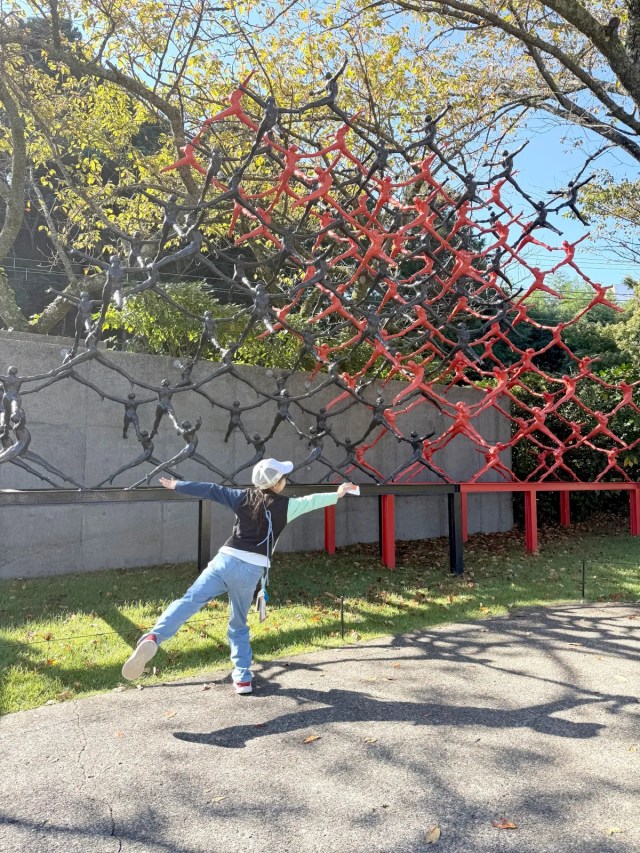
Established to harmonize nature and art, the museum exhibits a vast collection of modern and contemporary sculptures both indoors and across expansive outdoor lawns. The grounds feature numerous permanent pieces by legendary masters, most notably Pablo Picasso.
"We just sort of stumbled into the place on a family trip, but we ended up having a great time," recalls writer P.K. Sanjun. "It feels more like a park than a museum, and there’s plenty of space for kids to move around. I’m not even that much of an art lover usually, but we were there for three hours, and I never felt bored."
Adding to its appeal as a half-day autumn escape, the facility thoughtfully incorporates relaxation infrastructure, including a natural hot spring foot bath where visitors can soothe their walking muscles while surrounded by crisp mountain air and art installations.
2. Attack on Titan in Hita Museum (Oita Prefecture)
Location: Hita, Oita Prefecture
Time Commitment: 2 to 3 hours
Recommended By: Takashi Harada
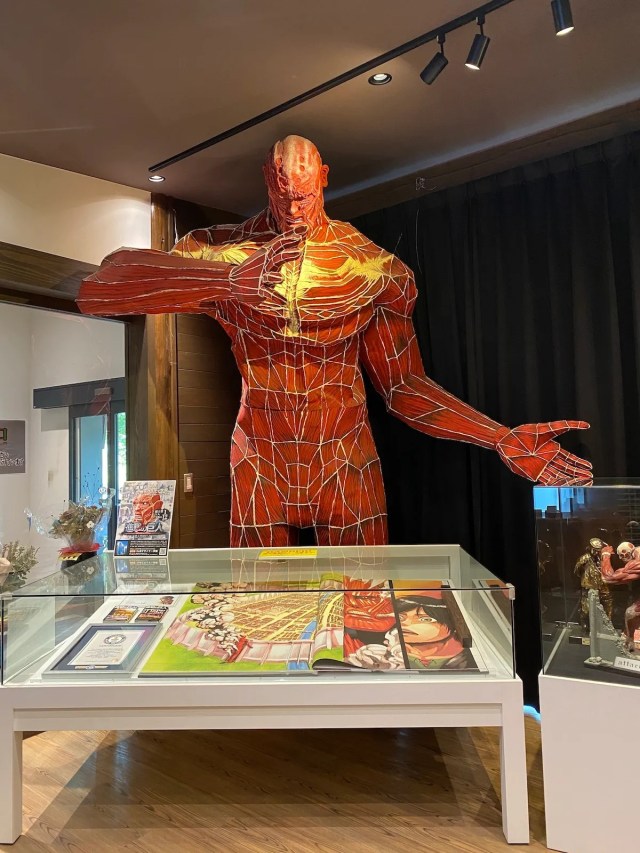
Moving south to Kyushu, Oita Prefecture is similarly famous for its subterranean geothermal wealth. However, the town of Hita—hometown of manga artist Hajime Isayama—offers a pilgrimage site for pop-culture enthusiasts that redefines the prefecture’s tourism profile: the Attack on Titan in Hita Museum.
Housed within the city, the museum showcases an extensive, deeply personal collection of original artwork donated by Isayama himself. Most notably, it features the exact physical work desk where the creator sketched pages during the peak serialization of his global blockbuster manga series.
"I was kind of surprised that the museum has a whole exhibit of Attack on Titan stuff, and was really impressed by how extensive it is," notes Takashi Harada. "Obviously it’s great for hardcore otaku, but it’s cool even for people who are more casual fans, and combining a visit to the museum with seeing some of the fall leaves in the town shows that there’s more than hot springs to Oita’s appeal."
3. Dragon Maze (Shimane Prefecture)
Location: Unnan, Shimane Prefecture
Time Commitment: 2 to 4 hours
Recommended By: Mr. Sato
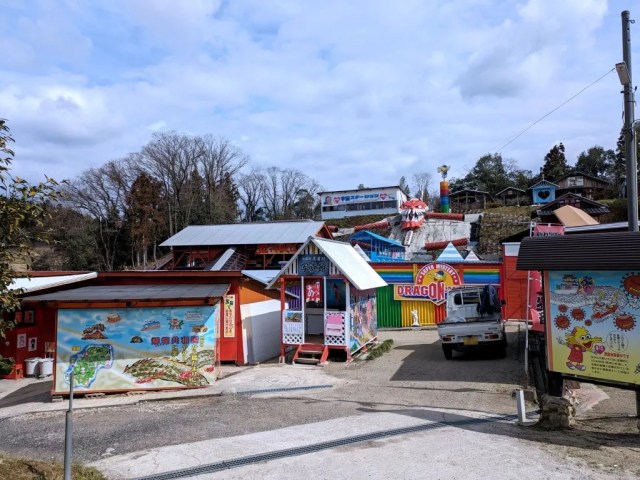
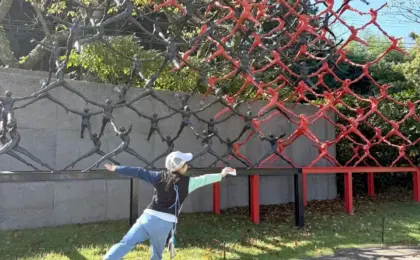
Venture into the hills of Unnan, Shimane Prefecture, and you will encounter a surreal architectural marvel that defies modern amusement park conventions: the Dragon Maze. Hand-built and continuously expanded by its owner based on visions experienced in dreams, this massive labyrinth is a rare survivor of a once-popular Japanese leisure trend.
"I think almost all of the giant mazes like this that you used to be able to find in Japan are gone now, but this one in Unnan is a survivor," explains Mr. Sato, who has tracked the attraction’s evolution.
First opened in 1987, closed in 1999, and triumphantly relocated and reopened in 2007, the maze has grown organically year after year. When it reopened, the maze spanned roughly 1,000 hectares; by 2022, it had expanded to seven times that size. Entirely constructed by hand, its intricate design presents a formidable physical and mental challenge, even for seasoned adults.
4. Tokyo Metropolitan Government Building (Tokyo)
Location: Shinjuku, Tokyo
Time Commitment: 2 to 3 hours
Recommended By: Go Hatori
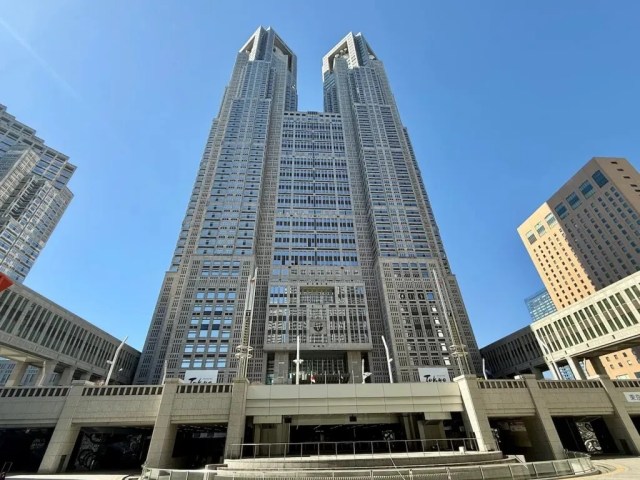
Centrally located in the heart of Shinjuku, the Tokyo Metropolitan Government Building (commonly known as Tocho) functions primarily as the municipal seat of local government. However, it operates dual observation decks in its twin towers that offer some of the finest panoramic vistas in the capital—completely free of charge.
"For years, I’ve been dropping by here when I’ve got spare time," says Go Hatori. "Both of the observation floors are free to go up to, and the view from each is slightly different."
Beyond the sweeping views of the Kanto plain and distant Mt. Fuji, Tocho offers an authentic, budget-friendly culinary experience: the building’s official staff cafeteria. Open to the public, it serves reasonably priced meals with a distinct local governmental atmosphere. Furthermore, visitors can enjoy snacks and beverages on the observation decks while watching the sunset, followed by cutting-edge projection-mapping light shows cast directly onto the building’s monolithic exterior facade after dark.
5. Arakawa Amusement Park (Tokyo)
Location: Arakawa Ward, Tokyo
Time Commitment: Half-day (3 to 5 hours)
Recommended By: Yoshio
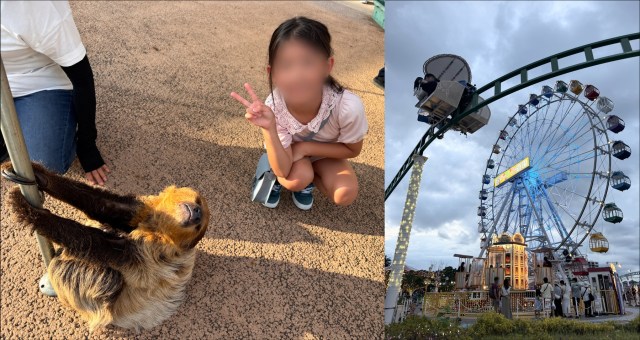
For travelers seeking nostalgic, old-school amusement park charm without the massive crowds and premium pricing of Tokyo’s destination resorts, Arakawa Yuen along the banks of the Sumida River is an unrivaled hidden gem.
"This place is a hidden gem, and a lot less crowded and touristy than other amusement parks," states Yoshio. "The Ferris wheel is really nice, but my personal favorite attraction is the Sky Cycle, where you ride pedal cars on an elevated track that goes around the park. It’s surprisingly fun to feel like you’re biking through the sky!"
Operating on a micro-budget model, admission and an unlimited ride wristband cost a mere 1,800 yen (approx. $11.30 USD) for adults, with heavily scaled discounts for students and children. The park also offers discounted afternoon entry rates after 4:00 PM, allowing visitors to enjoy the romantic evening illuminations.
6. Small Worlds Tokyo (Tokyo)
Location: Ariake, Tokyo
Time Commitment: 2 to 3 hours
Recommended By: Takamichi Furusawa
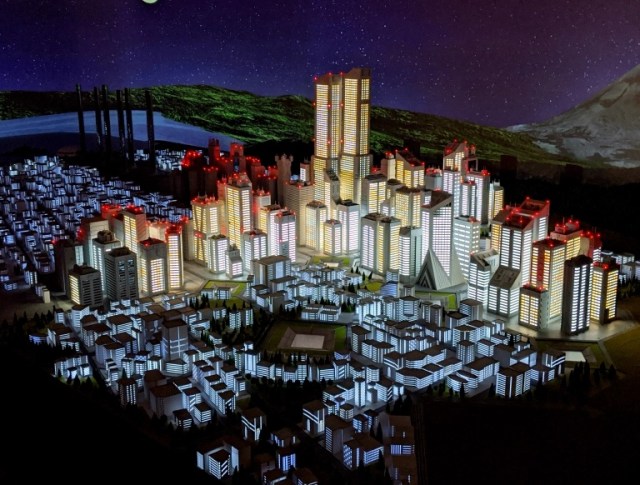
Situated on the waterfront island of Ariake in Tokyo Bay, Small Worlds is a massive indoor miniature museum that showcases meticulously crafted dioramas of real and fictional worlds. Among its centerpieces is a hyper-detailed recreation of Tokyo-3, the apocalyptic metropolis from the legendary anime series Neon Genesis Evangelion.
"I came to this miniatures museum to see the Evangelion exhibits, but the other areas, like the space center, airport, and whimsical European-style village, were all way more detailed than I’d expected," observes Takamichi Furusawa.
While general adult admission is priced at a slightly steeper 3,200 yen, the staggering craftsmanship—featuring moving vehicles, shifting lighting cycles simulating day and night, and hidden Easter eggs throughout the displays—delivers exceptional value for art lovers, scale-model enthusiasts, and pop-culture fans alike.
7. Imperial Palace Outer Gardens (Tokyo)
Location: Chiyoda, Tokyo
Time Commitment: 1 to 2 hours
Recommended By: Yuichiro Wasai
Also designated as the Kokyo Gaien National Garden, the sprawling outer grounds surrounding Tokyo’s Imperial Palace offer a tranquil expanse of historical green space right in the middle of the metropolis. Requiring zero admission fees and exhibiting none of the crushing tourist congestion found in urban parks like Ueno, it serves as an urban sanctuary.
"I don’t think there’s a better ‘if you know, you know’ place in Tokyo than this," remarks Yuichiro Wasai. "It’s located just a couple of blocks from Tokyo Station, but the atmosphere is so laidback and relaxing… a peaceful oasis so close to one of the busiest places in the city."
8. Hitachi Seaside Park (Hitachinaka, Ibaraki Prefecture)
Location: Hitachinaka, Ibaraki Prefecture
Time Commitment: Half to full day
Recommended By: Casey Baseel
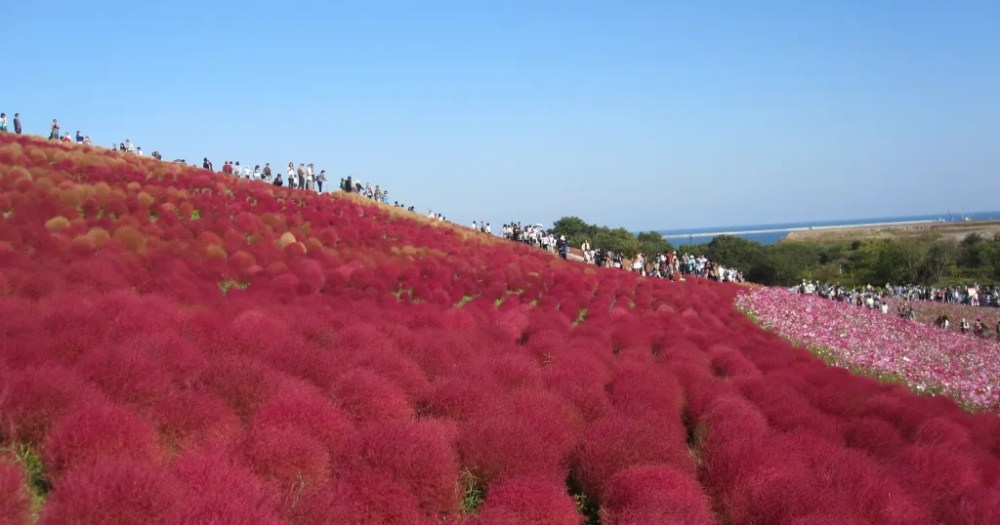
Located in Ibaraki Prefecture, Hitachi Seaside Park is a coastal mega-park that transforms dramatically with the seasons. While famous for its spring nemophila (baby blue eyes), its autumn display is arguably its most striking visual spectacle.
"If you time your train and bus transfers right, you can get from the capital to Hitachi Seaside Park in about an hour and a half," notes Casey Baseel. "Nothing compares to the surreal impact of seeing the kochia in fall."
During autumn, the park’s rolling hills burst into a sea of vibrant crimson as thousands of kochia (summer cypress) shrubs mature and change color. Walking paths wind through forested zones and restored historical farmhouses, culminating in elevated ridge views that merge crimson foliage with the deep blue backdrop of the Pacific Ocean.
Supporting Context & Metrics
Destination
Prefecture
Primary Appeal
Average Time Required
Approximate Cost (Adult)
Hakone Open-Air Museum
Kanagawa
Modern art & sculpture park
3 Hours
Variable (~1,600–2,000 JPY)
Attack on Titan Museum
Oita
Manga archives & local culture
2–3 Hours
Low-cost entry
Dragon Maze
Shimane
Hand-built giant labyrinth
2–4 Hours
Budget-friendly
Tokyo Metropolitan Building
Tokyo
Skyline views & municipal dining
2–3 Hours
Free
Arakawa Amusement Park
Tokyo
Retro rides & illuminations
3–5 Hours
1,800 JPY (All-inclusive)
Small Worlds Tokyo
Tokyo
Hyper-detailed miniature worlds
2–3 Hours
3,200 JPY
Imperial Palace Outer Gardens
Tokyo
Historical park & urban oasis
1–2 Hours
Free
Hitachi Seaside Park
Ibaraki
Crimson kochia shrub hills
4–6 Hours
Standard park admission (~450 JPY)
Future Outlook
As domestic and international tourism patterns in Japan continue to evolve, urban overcrowding at primary cultural landmarks—such as Kyoto’s historic districts, Tokyo’s Shibuya Crossing, and major theme parks like Tokyo Disney Resort—has driven both local government agencies and independent travelers to seek sustainable alternatives.
The rising popularity of "micro-tourism" and regional half-day excursions highlights a shift in travel habits. Travelers are increasingly prioritizing accessibility, emotional resonance, and spatial breathing room over check-list sightseeing. Initiatives like the expansion of regional attractions (such as Unnan’s Dragon Maze) and municipal integration of cultural hubs (like Hita’s manga exhibits) demonstrate that Japan’s regional economies are successfully capturing short-stay autumn foot traffic.
For those navigating the structural limitations of Japan’s work culture—where extended autumn vacations remain scarce—these eight destinations prove that an unforgettable, culturally enriching escape does not require a week off. A single morning or afternoon is all it takes to experience the very best of autumn in Japan.








Belum ada komentar. Jadilah yang pertama berkomentar!