

Executive Overview
As the scorching days of summer cede to the crisp, invigorating breeze of autumn, pockets of the Japanese landscape undergo a profound and dramatic metamorphosis. Among the most anticipated natural spectacles of this seasonal shift is the transformation of kochia—scientifically known as Bassia scoparia, affectionately referred to as kokia in Japanese, and commonly termed "firebush" or "summer cypress" in English. While destinations such as Ibaraki Prefecture’s sprawling Hitachi Seaside Park and Shiga Prefecture’s scenic Mt. Hakodate Kokia Park traditionally steal the limelight, a formidable contender has emerged in the heart of western Japan.
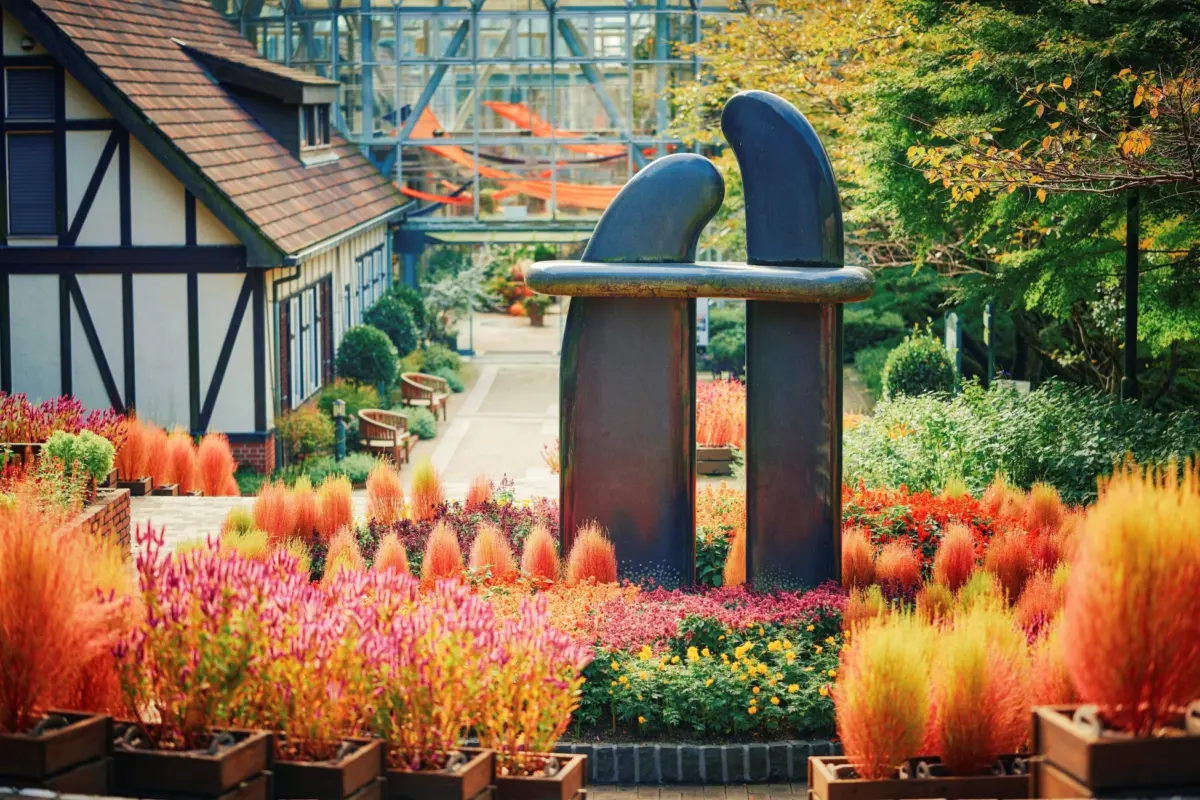
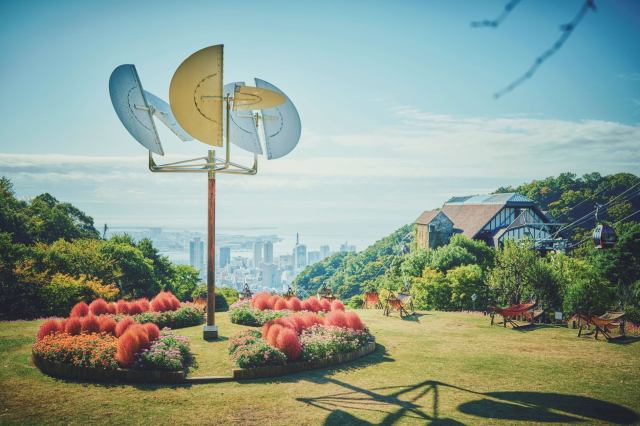
Perched 400 meters (1,434 feet) above sea level on the verdant slopes overlooking the bustling urban sprawl, the Kobe Nunobiki Herb Gardens & Ropeway has transformed into a living canvas of fiery crimson. As part of its expansive Garden Fest 2026 -Autumn- event—running from September 12 through December 6—the destination is currently experiencing its peak viewing window. Through the end of October, visitors ascending the mountainside are greeted by lush, velvety mounds of deep red foliage that evoke the imagery of a rolling sea of fire.
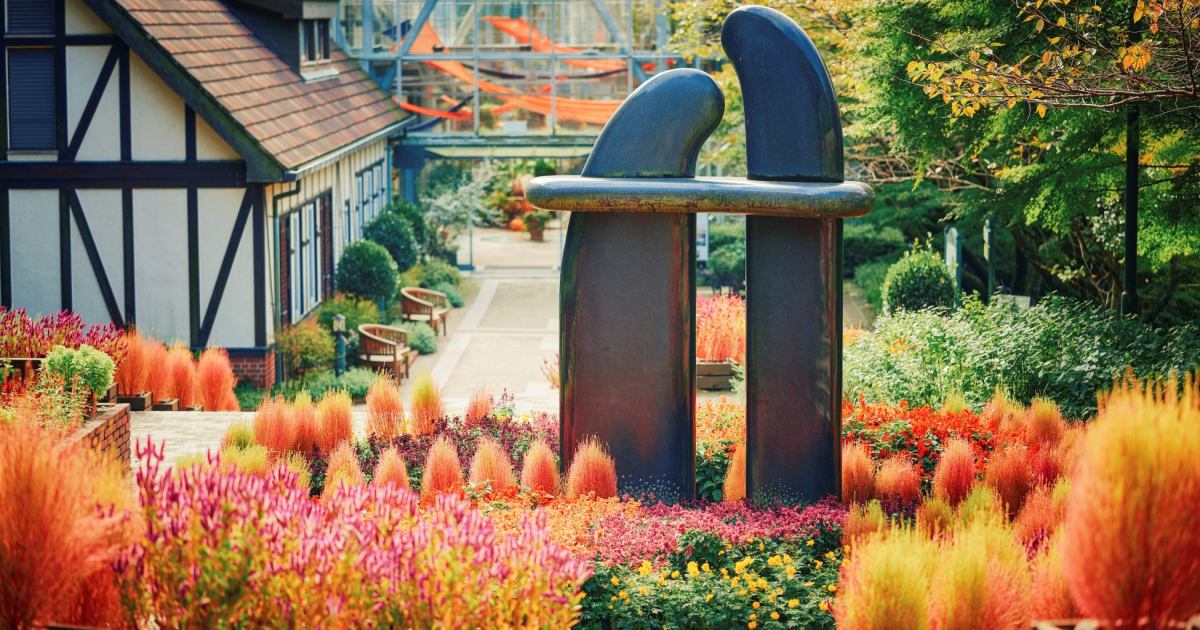
Spanning three distinct, carefully curated landscape zones, this botanical showcase marries horticultural mastery with sweeping panoramic views of Kobe’s modern skyline and the sparkling waters of Osaka Bay. Featuring roughly 200 distinct plant species and an estimated 75,000 individual flowers and herbs, the festival offers an immersive sensory experience that positions Kobe Nunobiki Herb Gardens as an elite destination for autumn leaf-peeping and seasonal photography.
Detailed Chronology: The Evolution of Garden Fest 2026
The unfolding narrative of Garden Fest 2026 is one of deliberate seasonal curation, designed to guide visitors through the shifting phases of nature as summer gives way to deep autumn.
Phase One: The Late-Summer Awakening (September 12 – September 30)
When the festival officially commenced on September 12, the landscape presented a starkly different visual profile. At this stage, the kochia bushes maintained their vibrant, chlorophyll-rich summer emerald green. While less dramatic than their autumn coloration, these dense, perfectly rounded globes created a lush, tranquil backdrop against the fading summer heat. During this introductory window, early-season visitors enjoyed the park’s expansive collection of late-summer blooms, including early cosmos and cascading cascades of cascading fuchsias, while setting the stage for the dramatic chemical transformation occurring within the plant tissues.
Phase Two: The Great Crimson Transition (Early to Mid-October)
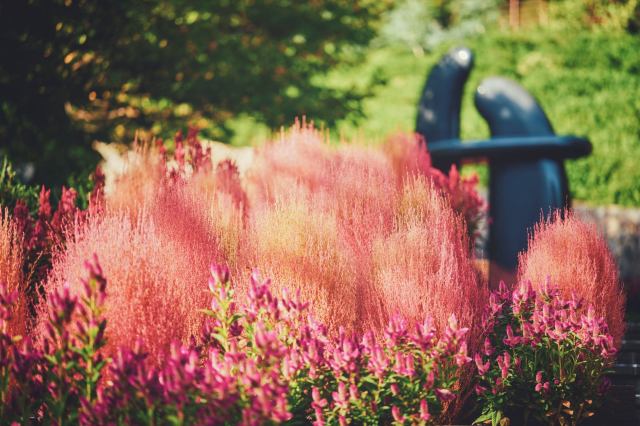
As nighttime temperatures dropped and daylight hours shortened, a chemical shift swept across the botanical gardens. The chlorophyll within the kochia plants began to break down, revealing brilliant anthocyanin pigments that turned the emerald globes into fiery hues of chartreuse, sunset orange, and, ultimately, deep, velvety crimson. By mid-October, the transformation reached its critical mass, turning the hillsides into a glowing visual spectacle. Landscape architects strategically positioned these plants to draw the eye across three distinct zones within the complex, creating dynamic sightlines that merge micro-botanical artistry with macro-environmental vistas.
Phase Three: Peak Visual Splendor and Mid-Autumn Operations (Late October)
Occupying the current operational window, late October represents the absolute zenith of the kochia’s aesthetic lifecycle. The plants have achieved their maximum saturation of red, dense and plush to the touch, resembling billowing clouds of organic fire. It is during this narrow fortnight that shutterbugs, nature enthusiasts, and casual tourists flock to the upper slopes. The synergy between the peak foliage and the park’s extended weekend hours—stretching operations until 8:30 p.m.—allows visitors to witness the fiery mounds under the golden hour light of late afternoon, followed by the glittering illumination of Kobe’s urban center twinkling in the distance after dusk.
Supporting Context & Metrics: The Horticulture and Geography of Kobe Nunobiki
To fully appreciate the scope of Garden Fest 2026, one must examine the intricate planning, geographical advantages, and horticultural diversity that sustain this mountain sanctuary.
Botanical Engineering: The Life Cycle of Kochia (Bassia scoparia)
Native to Eurasia, Bassia scoparia is an annual herbaceous plant celebrated for its geometric symmetry and rapid growth rate. In botanical landscapes, it serves a dual purpose: architectural structure and chromatic performance.
- Spring and Early Summer: Seeds germinate to form soft, bright green pyramids or spheres that act as verdant filler and ground cover.
- Late Summer: The plants mature into dense, velvety bushes reaching heights of 50 to 90 centimeters, maintaining a vivid green profile that absorbs and reflects intense sunlight.
- Autumn: As environmental temperatures cool, the plant executes its famous color change, transitioning from vibrant red to a rich bronze before curing into sturdy twigs traditionally used in Japan to make rudimentary brooms (hence the historical Japanese name hokokusa, meaning broom grass).
The Three Core Kochia Zones at Kobe Nunobiki
Landscape designers at the herb gardens have integrated the firebush into the terrain across three distinct viewing platforms, each offering a unique psychological and visual experience:
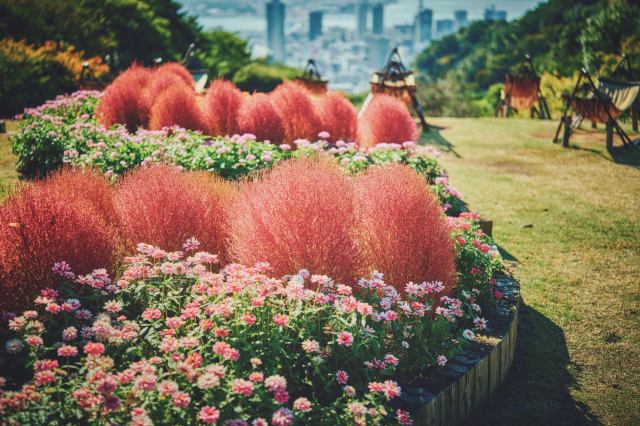
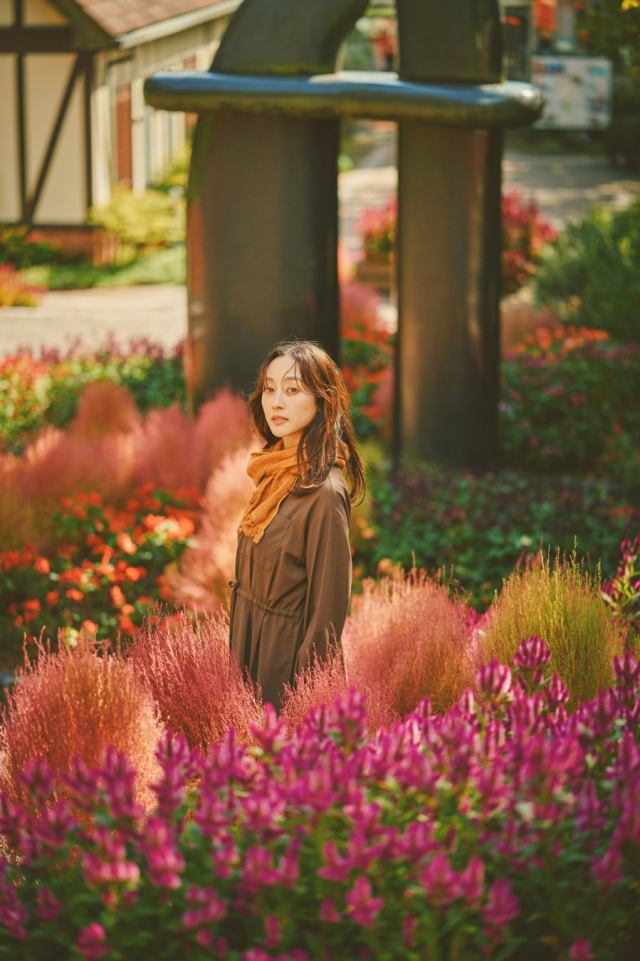
- The Glass House Forecourt: Positioned directly outside the park’s architectural centerpiece, this formal garden zone places the kochia front and center. Here, the plants are arranged in geometric precision, allowing visitors to step close and capture immersive portraits that make it appear as though they are standing amidst roaring flames of crimson.
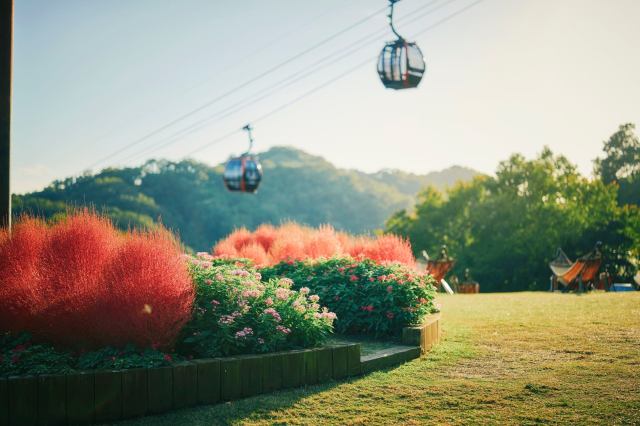
- The Windy Hill Lawn Plaza: Located on higher, exposed ground, this windswept plateau offers a striking juxtaposition. Visitors can recline in comfortable hammocks, gazing upward at the passing ropeway gondolas while taking in a dual-layer view: the vivid, earthy red of the kochia in the foreground set against the sleek, silver skyscrapers of modern Kobe and the harbor in the background.
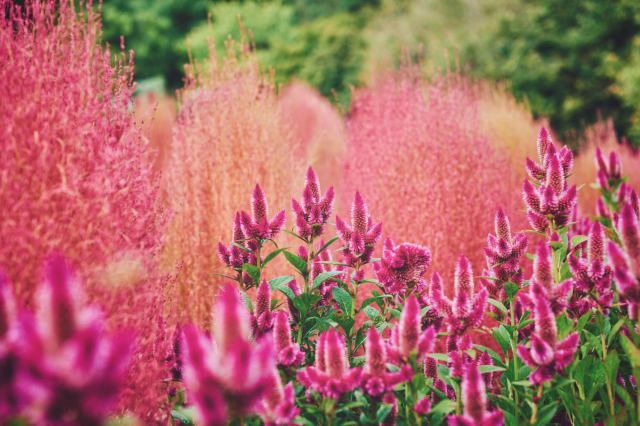
- The Mixed Herb and Flower Terraces: Situated near the specialized herb and botanical gardens, this zone highlights biodiversity. Here, the crimson kochia mingle with complementary autumn flora, such as fiery orange zinnias and textural silver cock’s comb (Celosia argentea), creating a complex tapestry of rich jewel tones.
Scale and Scope of the Gardens
- Total Plant Diversity: Approximately 200 distinct species of herbs, flowers, and perennial plants.
- Individual Specimen Count: Roughly 75,000 individual plants meticulously maintained across the grounds.
- Elevation Profile: Situated 400 meters (1,434 feet) above sea level, providing a cooler microclimate and dramatic vistas of the Hanshin industrial zone and Osaka Bay.
Official Statements and Visitor Logistics
Operational Framework and Pricing
Managed to accommodate both day-trippers and evening sightseers, the Kobe Nunobiki Herb Gardens & Ropeway operates on an adjusted fall schedule running through November 6.
- Weekday Hours: 10:00 a.m. to 5:00 p.m. (Last entry at 4:30 p.m.)
- Weekend and Holiday Hours: 10:00 a.m. to 8:30 p.m. (Last entry at 5:00 p.m. for full-day admissions, with special evening access windows).
- Ropeway Timings: Operations commence daily at 9:30 a.m., with the final descent departing at 5:15 p.m. on weekdays and extended until 9:00 p.m. on weekends.
Ticketing Structure:
- Standard Adult Admission: 2,500 yen (approximately US$16 at current exchange rates), which includes a round-trip ropeway ticket and full access to the herb gardens.
- Children’s Admission (Elementary through Junior High School): 1,250 yen (approximately US$8), covering round-trip transit and garden entry.
- Discounted Evening Rates: Special reduced pricing is available for visitors entering after 5:00 p.m. who wish to experience the illuminated gardens and night views without a full daytime transit package.
Gastronomic Integration: Beyond the Flora
A journey to Kobe is rarely complete without engaging the region’s legendary culinary identity. While the herb gardens offer seasonal herb-infused dining, teas, and aromatic workshops within their complex, tourism boards and local guides actively encourage visitors to extend their culinary itineraries into the city center. Following a day of botanical exploration, travelers frequently seek out retro neighborhood eateries specializing in regional comfort foods, such as sobameshi (fried noodles mixed with rice and savory sauce) prepared in the traditional bokkake style—a comforting stew of slow-cooked beef tendon and konjac.
Future Outlook: The Longevity and Sustainability of Autumn Tourism in Kobe
As climate patterns shift and domestic tourism in Japan reaches record highs, destinations like the Kobe Nunobiki Herb Gardens & Ropeway serve as vital models for seasonal environmental tourism. The strategic utilization of hardy, visually striking annuals like kochia demonstrates how managed botanical spaces can diversify Japan’s tourism portfolio beyond traditional cherry blossom viewing (sakura) and maple leaf tracking (koyo).
Looking ahead to the conclusion of Garden Fest 2026 on December 6, garden administrators are already planning the transition from autumn firebushes to winter illumination installations and evergreen botanical displays. However, the resounding success of this year’s mid-autumn kochia exhibition—particularly its integration of modern urban aesthetics, relaxation infrastructure (such as the Windy Hill hammocks), and high-altitude accessibility via the ropeway—cements its status as a benchmark for contemporary Japanese garden design.
For travelers navigating the Kansai region during the shoulder season, the mountain slopes of Nunobiki offer an accessible, visually arresting escape from the urban density below—proving that autumn in Kobe burns brighter, deeper, and more beautifully than ever before.
Essential Park Information
- Facility Name: Kobe Nunobiki Herb Gardens & Ropeway (神戸布引ハーブ園/ロープウェイ)
- Location Address: 1-4-3 Kitano-cho, Chuo-ku, Kobe-shi, Hyogo-ken 650-0002 (兵庫県神戸市中央区北野町1-4-3)
- Official Website: www.kobeherb.com





Belum ada komentar. Jadilah yang pertama berkomentar!