


In an era dominated by high-resolution smartphone photography, hyper-connected cloud storage, and instant gratification algorithms, a quiet cultural counter-revolution is taking root. Modern consumers are increasingly fatigued by the sterile perfection of 108-megapixel smartphone sensors and the endless chore of digital curation. Enter the Kenko Tokina Pieni II—an ultra-compact, entry-level digital camera that deliberately strips away modern technological conveniences to resurrect a bygone era of photographic anticipation.
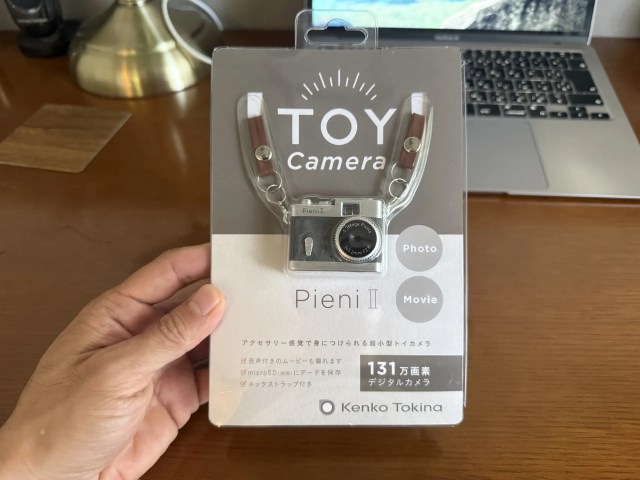
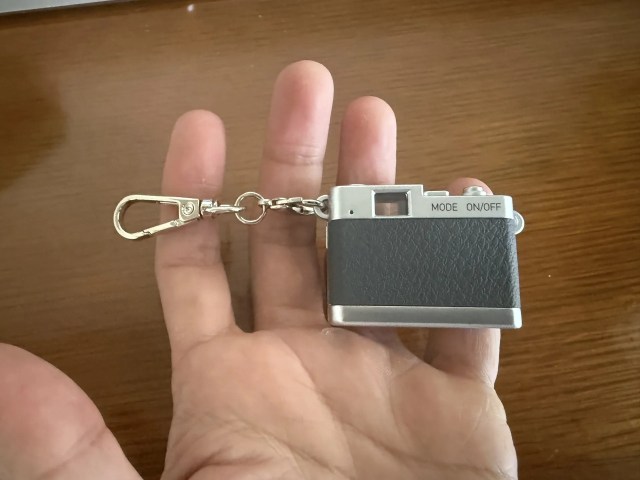
Priced at an accessible 5,280 yen (approximately $33 USD) on Amazon Japan, the Pieni II is affectionately—and accurately—marketed on its packaging as a "toy camera." Manufactured by Kenko Tokina, a prominent Japanese optics and lens manufacturer, this pocket-sized device measures mere centimeters and weighs next to nothing. Yet, beneath its playful exterior lies a fully functional digital capture tool.
What makes the Pieni II a fascinating case study in modern consumer tech trends is what it intentionally omits. The device features no LCD preview screen, no wireless connectivity, no companion smartphone applications, and a humble 1.31-megapixel sensor. Users must frame shots exclusively through a primitive optical viewfinder, store files on a physical microSD card, and experience a distinct time delay before "developing" their images on a home computer.
According to recent field tests and user experiences shared by Japanese-language reporter Go Hatori, these limitations are not design flaws; they are the core selling point. By forcing photographers to wait, guess, and embrace low-fidelity aesthetics, the Pieni II transforms the mechanical act of taking a picture back into an exercise in mindfulness, emotion, and unexpected artistic discovery.
Detailed Chronology: The Re-Discovery of Intentional Photography
The Modern Smartphone Fatigue
The journey toward the Pieni II begins with a common modern affliction: smartphone camera fatigue. For over a decade, smartphone manufacturers have engaged in an aggressive arms race, boasting multi-lens arrays, computational photography algorithms, artificial intelligence background replacements, and instantaneous cloud synchronization. While these technological marvels have made capturing sharp images effortless, they have simultaneously stripped photography of its friction, mystery, and deliberate pacing.
For reporter Go Hatori, the breaking point came when he realized that carrying a high-end smartphone turned every walk, meal, and social gathering into an administrative task of managing digital assets. Looking to reclaim a sense of purity and play in his hobby, Hatori sought a dedicated, standalone photographic device. Rather than investing in a bulky, professional-grade mirrorless system that would demand technical mastery and heavy lifting, he gravitated toward the extreme opposite end of the spectrum: the ultra-minimalist Kenko Tokina Pieni II.
Unboxing and Form Factor
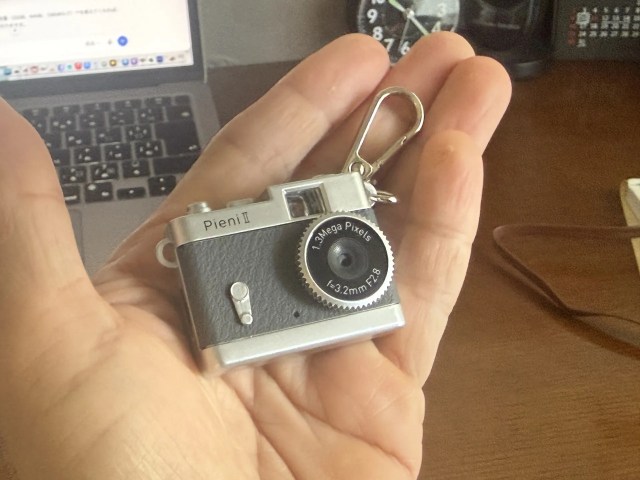
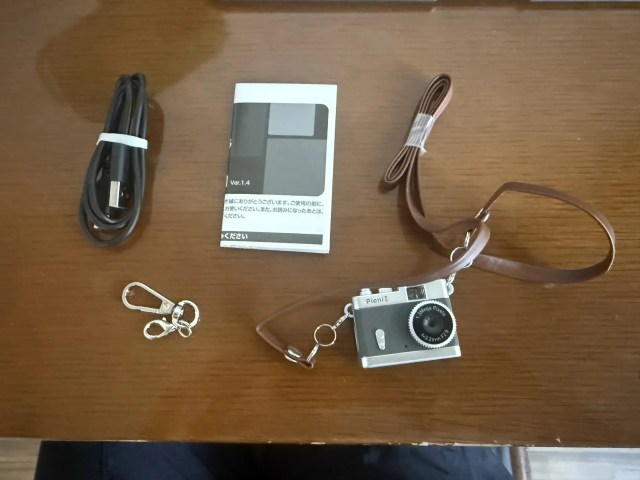
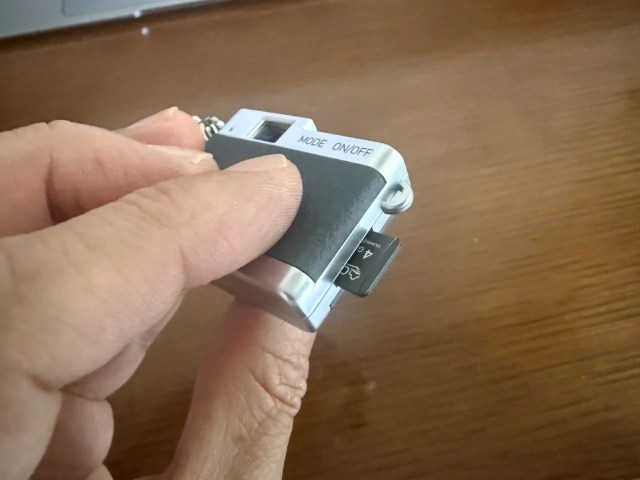
Upon acquiring the Pieni II, the immediate impression is one of astonishing miniaturization. Packaged playfully, the device is small enough to rest comfortably in the palm of a hand or dangle effortlessly from a neck strap. Hatori quickly discovered that its diminutive size invited creative carrying solutions; by attaching an inexpensive clip sourced from a local 100-yen store, the camera could be secured to a belt loop, a backpack strap, or worn as a quirky avant-garde fashion accessory on a key ring.
+-------------------------------------------------------------+
                 KENKO TOKINA PIENI II: SPECS
+-----------------------+-------------------------------------+
| Metric                | Specification                       |
+-----------------------+-------------------------------------+
| Sensor Resolution     | 1.31 Megapixels                     |
| Display Screen        | None (Optical Viewfinder Only)      |
| Storage Medium        | MicroSD / MicroSDHC Card            |
| Connectivity          | USB (Data Transfer / Charging)      |
| Price Point           | ~5,280 JPY (~$33 USD)               |
+-----------------------+-------------------------------------+
The Blind Shooting Experience
The defining characteristic of the Pieni II operational workflow is the complete absence of a digital display. When lifting the camera to the eye, the user is greeted not by a bright, real-time preview screen showing exposure adjustments, white balance calculations, and composition grids, but by a simple, clear optical window.

This design choice fundamentally alters human behavior behind the lens. Without the ability to instantly check a histogram or review a freshly captured frame, the photographer is forced to cultivate spatial awareness and trust their intuition. Every click of the shutter becomes an act of faith.
Furthermore, because the Pieni II lacks Wi-Fi, Bluetooth, or cellular data capabilities, there is no immediate pipeline to social media feeds or cloud backup folders. The captured images remain trapped on the physical microSD card. To view the results, the user must physically extract the card, plug it into a card reader, and mount it on a personal computer or compatible mobile device. This physical ritual mirrors the chemical development process of traditional 35mm film photography, intentionally engineering a deliberate time gap between capture and consumption.
The "Development" Phase and Aesthetic Reveal
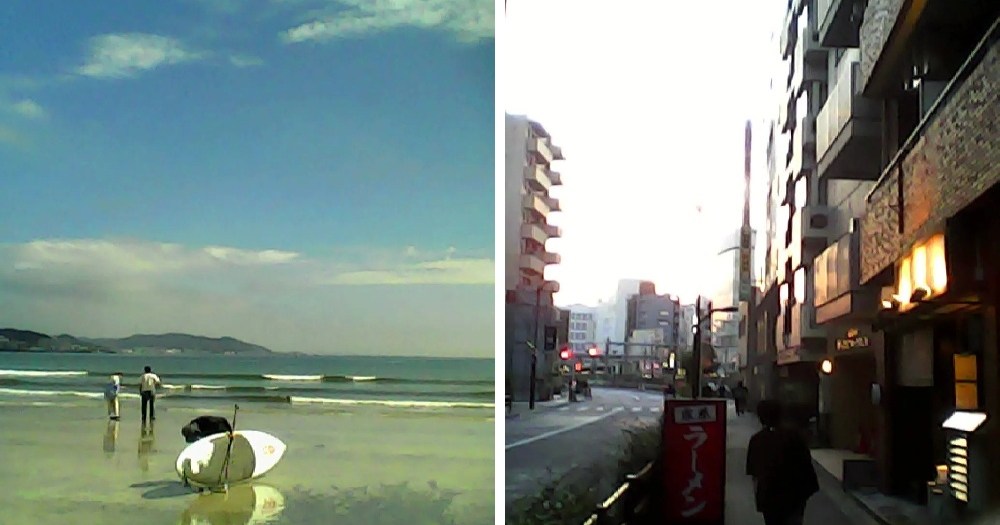
The culmination of the Pieni II experience occurs during the data transfer phase—what Hatori describes as the modern equivalent of picking up developed prints from a local photo lab. Splicing the microSD card into a PC reveals a mixed bag of photographic outcomes.
Because framing is approximate and lighting conditions cannot be previewed, a percentage of every batch consists of "duds"—blurry, severely underexposed, or haphazardly composed frames that demand immediate deletion. However, this minor frustration is rapidly eclipsed by moments of unexpected artistic triumph.
Armed with a 1.31-megapixel sensor, the camera produces images characterized by soft edges, muted color grading, and gentle low-key contrasts. Rather than looking like digital artifacts, these low-resolution properties imbue contemporary urban landscapes, casual street portraits, and mundane indoor spaces with a timeless, nostalgic atmosphere. Ordinary snapshots suddenly evoke the aesthetic warmth of vintage 1990s snapshots or moody jazz-fusion album art, transforming routine moments into romanticized, cherished mementos.
Supporting Context & Metrics: The Low-Tech Market Resurgence
The Economics of Retrotech
The commercial success of devices like the Kenko Tokina Pieni II is not an isolated market anomaly; it forms part of a broader, sustained consumer movement favoring retro-technology. Over the past several years, global markets have witnessed a dramatic resurgence in analog media formats, including vinyl records, cassette tapes, instant film cameras (such as Fujifilm’s Instax line), and early-generation digital point-and-shoot cameras from the mid-2000s.
Consumers—particularly Gen Z and millennial demographics—are exhibiting signs of "digital burnout." Constant exposure to high-definition screens, algorithmic social media feeds, and instantaneous data streams has created a psychological craving for tactility, permanence, and imperfection. The Pieni II capitalizes on this cultural zeitgeist by offering a low-stakes, highly affordable entry point into intentional image-making. At a retail price point hovering near 5,280 yen, the financial barrier to entry is virtually negligible, encouraging impulsive yet rewarding experimentation.
Technical Limitations as Artistic Features
In traditional engineering circles, a 1.31-megapixel sensor in the mid-2020s would be classified as obsolete. Modern smartphones routinely process images through multi-frame stacking, neural processing units (NPUs), and sophisticated sensor-shift image stabilization.

Yet, from an artistic perspective, these advanced computational features often result in images that feel over-processed, hyper-realistic, and emotionally flat. The Pieni II’s hardware limitations act as an organic filter. By stripping away sharpness, dynamic range, and pixel density, the camera forces the viewer to focus on composition, lighting, mood, and narrative rather than technical minutiae. It proves that photographic resonance is frequently inversely proportional to technical perfection.
Official Statements & Industry Perspective
While Kenko Tokina has historically built its stellar reputation on manufacturing precision optical glass, high-end camera filters, and professional cinema lenses, the company’s venture into novelty toy cameras demonstrates a keen understanding of shifting consumer psychology.

Industry analysts note that legacy optical manufacturers are increasingly exploring niche lifestyle products to engage younger demographics who are discovering photography through alternative channels. By leaning into the playful, unpretentious classification of the Pieni II as a "toy," Kenko Tokina successfully de-escalates the intimidation factor associated with serious photography.
In promotional materials and user manuals, the company emphasizes the emotional dimension of imaging. The design philosophy behind the Pieni series centers on "thoughtful capture"—encouraging users to pause, evaluate their environment, and accept the unpredictable outcomes of optical physics without the safety net of digital editing software. This philosophy aligns with broader design trends where physical constraints are deliberately engineered to foster creativity and mindfulness.

Future Outlook: The Enduring Appeal of Imperfection
As artificial intelligence continues to infiltrate every corner of digital creation—generating hyper-realistic imagery, automatically editing video packages, and synthesizing synthetic environments—the value of authentic human imperfection is projected to skyrocket.
Products like the Kenko Tokina Pieni II point toward a fascinating bifurcation in the future of personal imaging. On one side, hyper-advanced computational tools will continue to push the boundaries of technical clarity and automated perfection. On the other side, a passionate counter-culture of creators will actively seek out low-fi, friction-heavy, tactile devices that restore human agency, mystery, and surprise to the creative process.

For Go Hatori and a growing legion of visual minimalists, the Pieni II is more than a novelty gadget; it is a philosophy of seeing. By relinquishing control over real-time previews and embracing the charming limitations of a 1.31-megapixel sensor, photographers can rediscover the childlike wonder of holding a physical camera, pressing a shutter button in the dark of uncertainty, and waiting with bated breath to see what the world looks like through a simpler lens.








Belum ada komentar. Jadilah yang pertama berkomentar!