

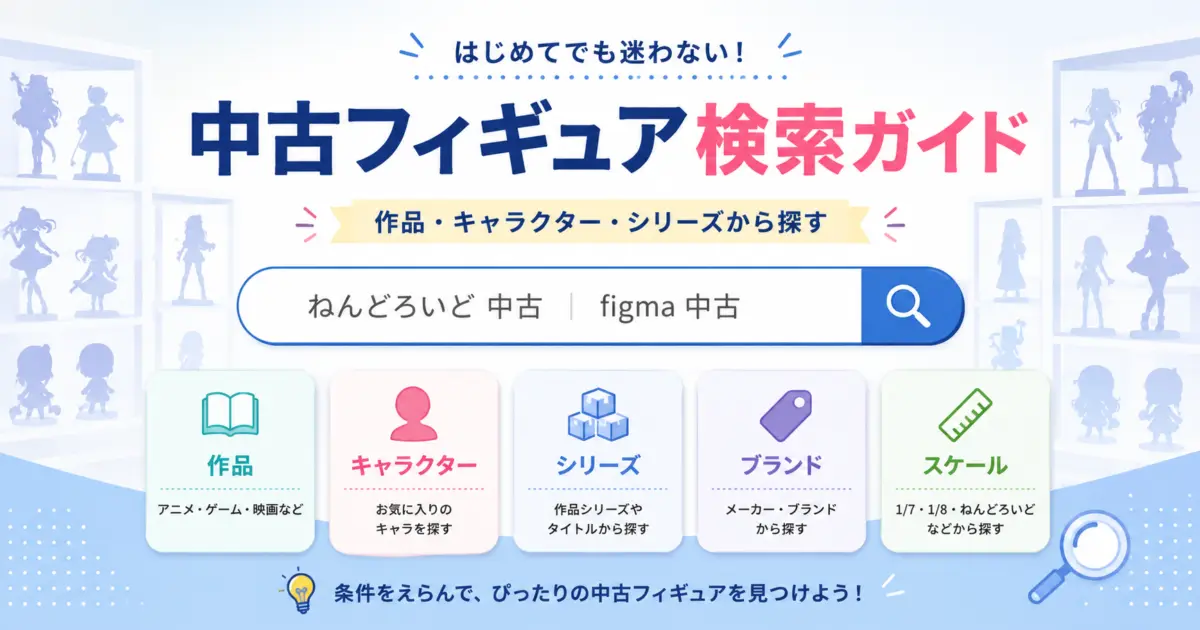
Executive Overview
The global collectible figures market has experienced an unprecedented surge over the past decade, evolving from a niche hobby into a multi-billion-dollar global industry. Driven by a passionate demographic of pop culture enthusiasts, anime fans, and hardcore collectors, the secondary market for pre-owned figures has transformed into a sophisticated ecosystem. No longer confined to dusty back-alley hobby shops or unorganized garage sales, buying and selling pre-owned collectibles now relies on advanced data analytics, verified authentication processes, and robust digital platforms.
As the secondary market matures, platforms like Yahoo! Auctions, specialized online marketplaces, and peer-to-peer trading apps have refined how enthusiasts assess fair market value. Understanding these valuation metrics, identifying trusted platforms, and mastering the nuances of condition grading have become essential skills for anyone looking to build, curate, or liquidate a collection. This comprehensive guide explores the mechanics, trends, and strategies shaping the modern pre-owned figure market.
Detailed Chronology of the Pre-Owned Figure Market
To fully understand where the secondary market stands today, it is helpful to trace its evolution over the last twenty years. The transition from physical flea markets to hyper-connected digital ecosystems has reshaped how collectors acquire rare pieces.
Phase 1: The Analog Era and Local Hobby Shops (Early 2000s)
In the early days of collecting, acquiring imported anime figures and premium statues required visiting specialized brick-and-mortar hobby shops, attending local comic conventions, or navigating early online message boards. Pricing was largely subjective, dictated by local demand and the scarcity of import channels. Collectors often relied on word-of-mouth or printed catalogs to gauge value, and authentication was a high-risk endeavor due to the prevalence of counterfeit goods and limited cross-border communication.
Phase 2: The Rise of Auction Platforms and Forums (2010s)
As internet infrastructure improved, online auction sites and dedicated forums revolutionized peer-to-peer trading. Yahoo! Auctions and early global marketplaces allowed collectors to bypass local supply constraints. However, this era also introduced new challenges: fluctuating exchange rates, international shipping risks, and inconsistent grading standards. The need for standardized evaluation criteria became increasingly apparent as the volume of global transactions skyrocketed.
Phase 3: The Data-Driven Ecosystem (Present Day)
Today, the secondary market operates with unprecedented transparency. Advanced data analytics tools track historical sales, price trends, and demand spikes in real-time. Platforms integrate high-resolution imaging, verified user reviews, and secure escrow services to protect both buyers and sellers. The modern collector has access to comprehensive pricing databases, making it easier than ever to determine the true market value of rare pieces, limited editions, and vintage collectibles.
Supporting Context & Metrics: Decoding Market Value
At the heart of the secondary market lies a complex interplay between supply, demand, and item condition. Understanding how these factors influence pricing is critical for both seasoned investors and casual hobbyists.
The Impact of Manufacturer Reputation and Brand Prestige
Not all figures hold their value equally. Premium manufacturers known for exceptional quality control and limited production runs—such as Good Smile Company, Alter, Megahouse, and Hot Toys—consistently command higher secondary market values. Conversely, mass-produced figures from lesser-known brands often depreciate rapidly unless tied to an explosive, culturally significant media franchise.
Condition Grading and Its Direct Effect on Valuation
In the secondary market, an item’s physical condition can swing its valuation by hundreds of dollars. Grading systems typically range from "Mint In Box" (MIB) to "Loose/Out of Box" with varying degrees of wear.
- Mint / Unopened: Retains the highest value, especially if the factory seal is intact and the packaging exhibits zero shelf wear, sun-fading, or creasing.
- Open Box / Like New: The figure has been displayed carefully in a smoke-free, UV-protected environment and returned to its original packaging with all accessories and inserts intact.
- Loose / Complete: The figure lacks original packaging but includes all interchangeable parts, weapons, and stands.
- Damaged / Incomplete: Missing critical accessories, structural breakage, or severe paint scuffs, resulting in a steep discount.
Official Statements and Industry Insights
Market analysts and platform operators emphasize that transparency and authentication are the primary pillars sustaining the current boom in pre-owned collectibles.
Industry leaders note that as the average retail price of newly released figures climbs—driven by rising material costs, complex sculpting, and global supply chain pressures—more consumers are turning to the secondary market. Buyers are actively seeking out verified platforms that offer transparent transaction histories and buyer-protection guarantees.
Furthermore, major secondary market platforms have invested heavily in automated pricing algorithms. These tools aggregate data from thousands of completed transactions globally, providing real-time pricing guidance that minimizes the risk of price gouging or undervaluing rare assets.
Future Outlook: Trends to Watch
As we look toward the future, several emerging trends promise to further revolutionize the pre-owned figure landscape:
- Blockchain and Digital Authentication: To combat the rising tide of sophisticated bootlegs and counterfeit figures, platforms are exploring immutable digital certificates of authenticity linked to physical items via NFC chips or QR codes.
- AI-Powered Appraisal Tools: Machine learning models are being deployed to instantly grade figure conditions from user-submitted photographs, automatically cross-referencing visual wear-and-tear against historical sales data to generate instant, reliable appraisals.
- Globalized Logistics Hubs: Regional fulfillment and authentication centers are streamlining cross-border trade, reducing shipping times, and mitigating customs clearance hurdles for high-value collectors.
Whether you are looking to liquidate a curated showcase or hunt down a rare, out-of-print grail piece, mastering the dynamics of the modern secondary market ensures safer transactions, smarter investments, and a more rewarding collecting experience.






Belum ada komentar. Jadilah yang pertama berkomentar!