

Executive Overview
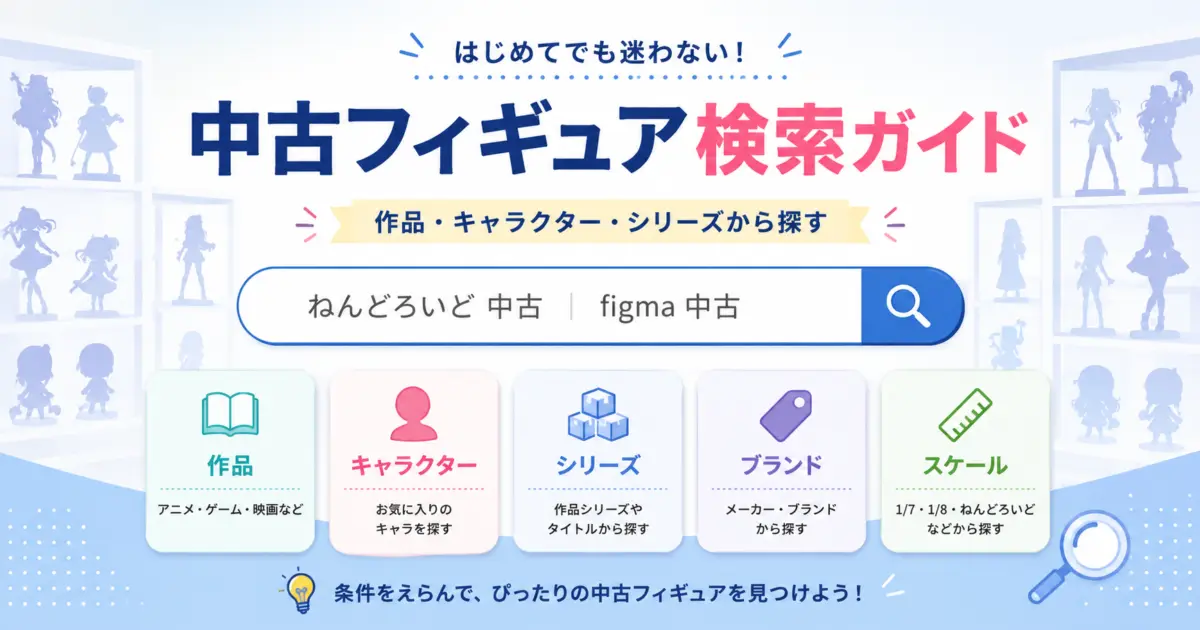
The secondary market for collectible figures has evolved from a niche hobby into a multi-billion-dollar global industry. What was once confined to dimly lit specialty shops, comic book basements, and localized swap meets has transformed into a high-tech, data-driven ecosystem. Powered by sophisticated search algorithms, real-time pricing aggregators, and digital marketplaces, today’s figure collectors operate in a fast-paced environment where rarity, condition, and provenance dictate staggering valuations.
In recent years, the intersection of pop culture fandom and speculative investment has accelerated. Collectors no longer view figures merely as decorative homages to their favorite anime, manga, or gaming franchises; many now approach acquisitions with the analytical rigor of traditional asset investors. Simultaneously, platforms like Yahoo! Auctions Japan, specialized secondary dealers, and global e-commerce portals have streamlined how enthusiasts buy and sell rare pieces. However, this growth brings complexity. Navigating authentication risks, fluctuating market trends, and hidden fees requires an advanced understanding of the secondary landscape.
This comprehensive guide delves into the mechanisms driving the secondary figure market, offering expert insights on valuation, platform selection, risk mitigation, and future market outlooks.
Detailed Chronology: The Evolution of Figure Collecting
To understand the current state of the secondary market, one must examine its historical trajectory. The hobby has traversed several distinct eras, each shaping modern acquisition strategies and collector expectations.
1. The Analogue Era: Brick-and-Mortar Beginnings
Before the widespread adoption of e-commerce, acquiring imported figures from Japan required patience and local networking. Collectors relied on specialized import stores, conventions, and physical catalogs. Pricing was often opaque, heavily influenced by import tariffs and regional scarcity. Verification of authenticity depended entirely on physical inspection, making counterfeits a persistent hazard for uninformed buyers.
2. The Rise of Global Marketplaces
The advent of digital auction sites and cross-border shipping revolutionized the hobby. Platforms allowed international buyers to access Japanese domestic markets directly. However, language barriers, high intermediary fees, and unreliable shipping methods remained significant hurdles. During this transitional phase, community-driven forums emerged to help collectors verify item authenticity and share best practices for dealing with overseas sellers.
3. The Modern Data-Driven Ecosystem
Today, the secondary market is characterized by instant access to global inventory, real-time sales data, and advanced authentication tools. Search algorithms and price-tracking software allow users to monitor market fluctuations down to the minute. High-end manufacturers like Good Smile Company, Alter, and Max Factory produce limited runs that often appreciate exponentially on the secondary market. Consequently, modern collecting demands technological literacy, sharp market awareness, and a strategic approach to risk management.
Supporting Context & Metrics: Decoding Market Valuations
Valuing a collectible figure is both an art and a science. Unlike standardized commodities, figures derive their worth from a complex interplay of emotional resonance, brand prestige, manufacturing quality, and scarcity.
Key Drivers of Figure Value
- Manufacturer Reputation: Figures crafted by industry giants such as Good Smile Company, Alter, Megahouse, and Kotobukiya consistently command higher secondary market values due to superior sculpting, paint application, and material quality.
- Licensing and IP Popularity: Characters from globally influential franchises (e.g., Neon Genesis Evangelion, Fate/Grand Order, Demon Slayer, and Genshin Impact) retain strong demand, insulating their secondary market prices against sudden drops.
- Packaging and Condition: The "Mint in Box" (MIB) or "Mint on Card" (MOC) standard remains the gold standard for high-value collectibles. Even minor shelf wear, sun fading, or factory sealed-tape disruption can dramatically reduce an item’s resale value.
- Production Runs: Limited-edition releases, convention exclusives, and lottery prizes (such as Japan’s Ichiban Kuji system) inherently possess higher scarcity, driving competitive bidding wars among dedicated enthusiasts.
Official Statements and Platform Insights
As the secondary market matures, industry stakeholders—including primary manufacturers, secondary retailers, and logistics providers—are implementing new standards to protect consumers and stabilize pricing ecosystems.
Industry Transparency and Authentication Measures
Leading secondary dealers have ramped up authentication protocols to combat the proliferation of bootlegs, particularly originating from unregulated overseas marketplaces. Modern buyers are increasingly advised to utilize platforms that offer verified buyer protection, escrow services, and detailed condition grading reports.
Major regulatory shifts and voluntary industry guidelines now encourage transparent disclosure regarding a figure’s provenance. Sellers must clearly indicate whether a piece has been displayed, whether it originates from a smoke-free environment, and if any minor factory defects or repairs are present. This transparency fosters greater trust within the community, reducing friction between international buyers and Japanese domestic sellers.
Future Outlook: Trends Shaping the Next Decade
Looking ahead, the secondary figure market is poised for continued expansion, driven by technological innovations and shifting consumer demographics.
Technological Integration
Artificial intelligence and machine learning are beginning to influence how collectors track and value their assets. Predictive pricing algorithms, capable of analyzing historical sales data across dozens of international platforms, are becoming standard tools for serious investors. Furthermore, blockchain-based provenance tracking and digital certificates of authenticity are being explored by select high-end manufacturers to combat counterfeiting permanently.
Sustainability and Environmental Considerations
As the global consumer base becomes more environmentally conscious, discussions surrounding the lifecycle of PVC and ABS plastics are gaining traction. While secondary markets naturally promote sustainability through the reuse and recycling of existing goods, manufacturers are also exploring eco-friendly packaging and biodegradable materials, which may influence future collector preferences and valuation models.
Final Thoughts for Collectors and Investors
Whether you are a casual fan seeking a centerpiece for your display shelf or an astute investor managing a diversified portfolio of pop culture assets, navigating the secondary market requires vigilance, education, and strategic patience. By leveraging modern data tools, prioritizing item condition and authenticity, and engaging with reputable platforms, collectors can successfully navigate this dynamic, ever-growing global marketplace.








Belum ada komentar. Jadilah yang pertama berkomentar!