

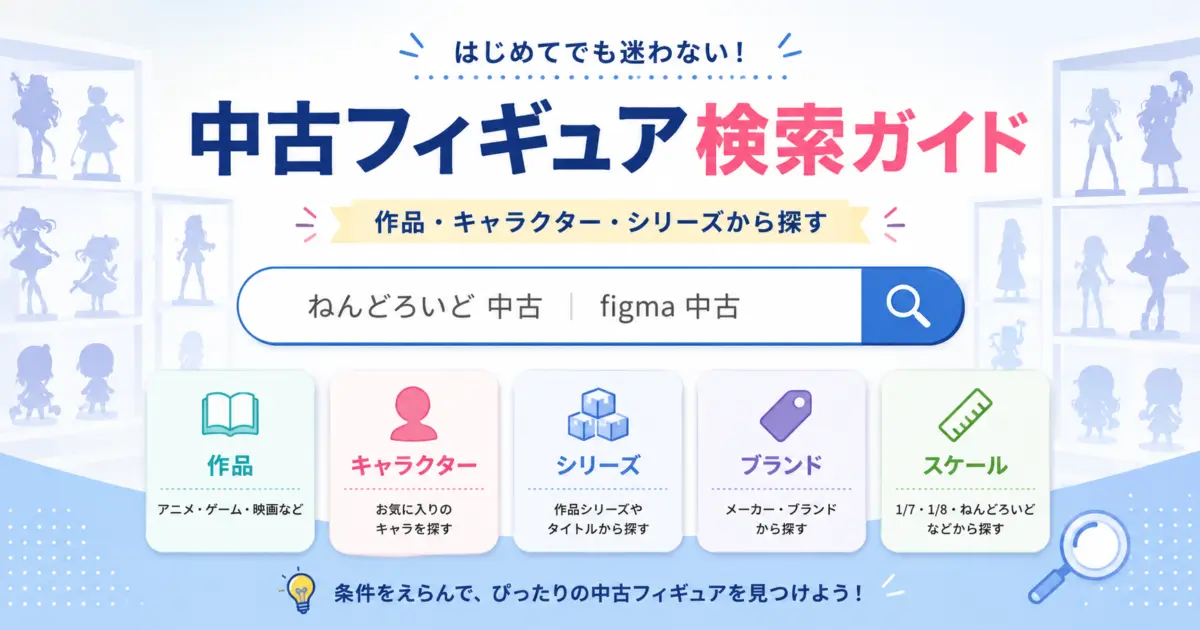
Executive Overview
The global collectible figure market has undergone a remarkable metamorphosis over the past decade. What was once considered a niche, enthusiast-driven subculture has evolved into a multi-billion-dollar global industry, capturing the attention of mainstream retail investors, pop-culture aficionados, and dedicated hobbyists alike. As the secondary market for PVC, ABS, and resin statues expands exponentially, navigating the intricacies of buying, selling, and appraising these miniature works of art requires a sophisticated understanding of market dynamics, valuation metrics, and platform ecosystems.
In recent years, the convergence of online marketplaces—such as Yahoo! Auctions Japan and specialized collector-to-collector platforms—has revolutionized how enthusiasts interact with pre-owned inventory. No longer limited by local hobby shop availability, collectors now have global access to rare, vintage, and limited-edition releases. However, this increased accessibility brings unique challenges. Fluctuating aftermarket values, authentication hurdles, condition grading discrepancies, and the pervasive presence of counterfeit merchandise demand that both buyers and sellers remain vigilant and well-informed.
This comprehensive report provides an in-depth examination of the secondary collectible figure market. By analyzing current platform trends, establishing clear valuation methodologies, and offering actionable insights into risk management, this guide equips enthusiasts and investors with the tools necessary to navigate the dynamic secondary marketplace successfully.
Detailed Chronology of the Secondary Market Evolution
To fully grasp the current state of the collectible figure secondary market, it is essential to trace its historical trajectory. The marketplace did not mature overnight; rather, it developed through distinct phases driven by technological advancements, shifting consumer demographics, and the globalization of anime and gaming culture.
The Era of Niche Importation (Late 1990s – Early 2000s)
In the early days of modern figure collecting, acquiring anime merchandise outside of Japan was an arduous undertaking. Collectors relied heavily on specialized brick-and-mortar import shops, physical mail-order catalogs, and early message boards or forums. Inventory was scarce, shipping costs were exorbitant, and information regarding upcoming releases was frequently delayed by months. The secondary market during this era was localized, opaque, and driven primarily by passionate, hardcore fans willing to pay premium prices for rare imports.
The Digital Bridge and Online Auction Growth (Mid 2000s – 2010s)
The advent of global e-commerce platforms and specialized proxy shopping services fundamentally transformed the landscape. Platforms such as Yahoo! Auctions Japan became critical hubs for international buyers seeking authentic, domestic-market releases. Concurrently, online communities and dedicated enthusiast databases began cataloging release dates, manufacturer specifications, and secondary market pricing trends. This period marked the democratization of collecting, allowing international fans to bid on rare items in real time, though language barriers and complex shipping logistics remained significant hurdles.
The Modern Global Ecosystem (2020s – Present)
Today, the secondary market operates as a highly interconnected, digital-first global economy. Advanced authentication tools, transparent pricing indices, and streamlined cross-border logistics have lowered the barrier to entry while elevating market sophistication. Major manufacturers—including Good Smile Company, Alter, Kotobukiya, and MegaHouse—now design products with the global secondary market in mind, frequently producing limited runs that trigger immediate aftermarket appreciation. Consequently, the secondary market has transitioned from a simple peer-to-peer hobby space into a complex ecosystem where data analytics, condition grading standards, and platform security play pivotal roles.
Supporting Context & Metrics: Understanding Valuation and Platform Dynamics
Navigating the secondary market effectively requires a deep dive into the metrics that drive item valuation and the technological infrastructure supporting transactions.
Key Valuation Drivers
Unlike traditional commodities, collectible figures derive their value from a complex interplay of qualitative and quantitative factors:
- Manufacturer Reputation and Sculptor Pedigree: Figures crafted by renowned manufacturers (e.g., Good Smile Company, Alter) or sculpted by legendary industry artists consistently command higher secondary market values.
- Scarcity and Production Runs: Limited-edition releases, exclusive convention variants, and production runs tied to specific anniversary milestones inherently possess higher scarcity value.
- Condition and Packaging Integrity: The presence of the original box (often referred to as "MIB" – Mint in Box, or "MISB" – Mint in Sealed Box) significantly impacts resale value. Minor scuffs, fading from UV exposure, or damaged blister packs can diminish an item’s value by 20% to 50%.
- Character Popularity and Media Relevance: Market demand frequently fluctuates in tandem with the airing of new anime seasons, manga completions, or video game sequels. A character’s sudden surge in mainstream popularity can catalyze an immediate spike in secondary market pricing.
Platform Infrastructure and Proxy Services
Modern collectors utilize a diverse array of platforms to buy and sell pre-owned figures. Understanding the strengths and limitations of each channel is crucial for risk mitigation:
- Domestic Online Marketplaces: Ideal for localized transactions, offering immediate shipping and buyer protection policies, though inventory may be limited compared to direct Japanese imports.
- Proxy Shopping Services (e.g., Yahoo! Auctions Japan, Mercari Japan): Essential for accessing the primary Japanese domestic market. These services bridge the language and payment gap, allowing international buyers to bid on or purchase items directly from Japanese sellers. However, users must account for proxy fees, domestic shipping within Japan, and international freight costs.
- Dedicated Collector Communities: Forums, Discord servers, and social media enthusiast groups facilitate peer-to-peer transactions with lower overhead fees, though they require a higher degree of trust and personal due diligence.
Official Industry Statements and Expert Insights
As the secondary market matures, industry leaders, platform administrators, and veteran collectors have increasingly emphasized the importance of transparency, standardization, and ethical trading practices.
According to market analysts specializing in pop-culture economies, the secondary market is no longer driven solely by nostalgic impulse; it functions increasingly as an alternative asset class. In recent industry roundtables, representatives from major distribution networks noted that consumer demand for pre-owned, high-end PVC statues has outpaced primary market growth in several key sectors.
However, this rapid expansion has also prompted warnings regarding market volatility. Industry veterans caution that speculative buying—purchasing figures strictly with the expectation of future financial appreciation—can lead to artificial inflation and subsequent market corrections. When characters fade from public consciousness or manufacturers execute surprise re-releases, speculative bubbles frequently burst, leaving unprepared buyers with depreciated assets.
Furthermore, platform operators have intensified their focus on consumer protection. With the proliferation of sophisticated bootlegs—particularly concerning high-value scale figures—marketplaces are implementing stricter verification protocols, high-resolution photo requirements, and clearer return policies to safeguard collectors against fraudulent listings.
Future Outlook: Trends, Challenges, and Predictions for Collectors
Looking ahead, the secondary market for collectible figures is poised for continued transformation, shaped by emerging technologies, evolving consumer habits, and global economic factors.
Technological Integration in Authentication
One of the most pressing challenges facing the secondary market is the proliferation of high-quality bootlegs. In response, the industry is moving toward advanced authentication technologies. Future iterations of collectible packaging may incorporate near-field communication (NFC) chips, blockchain-backed certificates of authenticity, or holographic serialization. These innovations will empower buyers to verify item legitimacy instantly via mobile devices, drastically reducing the circulation of counterfeit merchandise on secondary platforms.
Sustainable Packaging and Long-Term Preservation
As environmental consciousness permeates the pop-culture industry, manufacturers are increasingly experimenting with sustainable packaging materials. For secondary market participants, this shift presents both opportunities and challenges. While eco-friendly materials reduce environmental impact, collectors must adapt to new preservation techniques to ensure that biodegradable or recycled packaging maintains structural integrity over decades of storage.
Data-Driven Collecting and Market Transparency
The future of figure collecting will be heavily influenced by data analytics. Comprehensive price-tracking databases, historical sales indices, and automated valuation models are becoming standard tools for serious collectors. This data-driven approach will minimize information asymmetry, allowing both novice and experienced enthusiasts to execute transactions with greater confidence and accuracy.
Conclusion
The secondary market for collectible figures offers a vibrant, rewarding landscape for those willing to navigate its complexities with diligence and education. By understanding the historical evolution of the market, mastering valuation metrics, utilizing secure platform infrastructure, and staying informed about industry trends, collectors can protect their investments while deeply enriching their hobby. Whether hunting for a rare vintage scale figure or downsizing a curated collection, the modern secondary marketplace remains a testament to the enduring passion of the global collecting community.



Belum ada komentar. Jadilah yang pertama berkomentar!