

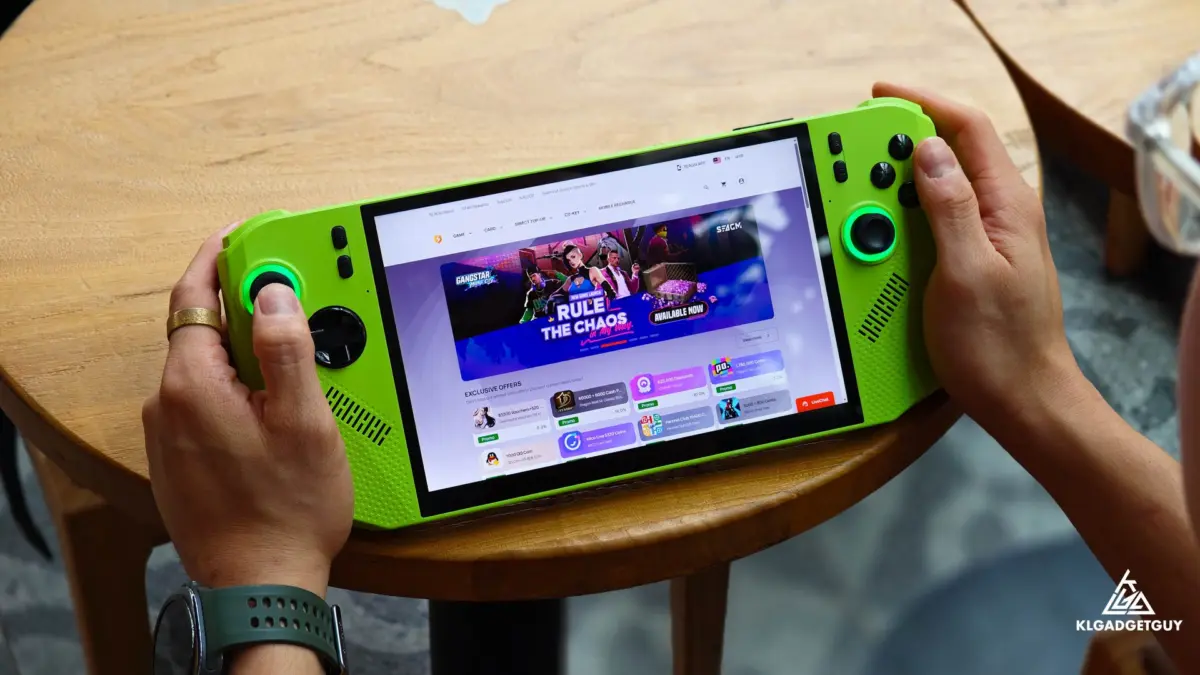
Executive Overview
The acquisition of a new gaming device—whether it be a high-performance gaming laptop, a portable handheld console, a specialized mobile smartphone, or a living room console—represents a universally exhilarating milestone for enthusiasts. Yet, the initial setup ritual, marked by unboxing, firmware updates, and the arrangement of peripherals, is invariably followed by a singular, immediate priority: populating the system with games, applications, and digital content.
However, modern hardware accounts for merely half of the contemporary gaming experience. Behind every sleek frame rate and high-resolution display lies a complex ecosystem of digital storefronts, subscription renewals, downloadable content (DLC), expansion passes, and, increasingly, in-game currencies required to unlock core progression systems.
Historically, navigating these virtual landscapes meant juggling a multitude of fragmented accounts and payment gateways. PC gamers relied on Steam, Epic Games, and GOG; console owners toggled between PlayStation Network, Xbox Live, and Nintendo eShop; while mobile gamers faced disparate app stores and independent developer portals. This decentralized architecture introduces considerable friction—ranging from region locks and incompatible payment methods to security concerns regarding the repeated exposure of sensitive financial credentials across multiple platforms.
Enter unified digital asset platforms such as SEAGM, which seek to bridge the gap between fragmented ecosystems. By consolidating thousands of game cards, digital redemption codes, and direct in-game top-ups into a single, centralized interface, these platforms provide an alternative routing system for digital commerce. This comprehensive analysis examines the structural evolution of the gaming retail economy, the persistent frictions of direct-to-consumer storefronts, the utility of prepaid spending models, and the strategic positioning of multi-platform marketplaces in the modern digital age.
Detailed Chronology: The Evolution of Digital Gaming Distribution
To understand the necessity of platforms that aggregate digital gaming goods, one must examine the chronological shift from physical retail dominance to digital ubiquity over the past three decades.
Phase One: The Physical Era (Pre-2000s)
In the formative decades of video game commerce, acquisition was fundamentally physical. Consumers visited brick-and-mortar storefronts to purchase cartridges, optical discs, and printed strategy guides. Payment methods were straightforward—cash, credit, or check—and transactions were localized. However, this model suffered from logistical bottlenecks, inventory constraints, and geographical release disparities.
Phase Two: The Genesis of Digital Distribution (2000–2010)
The launch of Valve’s Steam platform in 2003 fundamentally altered the PC gaming landscape, transforming software delivery from a physical logistics chain into an instant, cloud-based download model. Initially met with skepticism, digital distribution proved its efficacy by eliminating physical manufacturing costs and enabling patch management. However, as console manufacturers (Sony, Microsoft, and Nintendo) and mobile ecosystems (Apple App Store, Google Play) built their own proprietary walled gardens, digital fragmentation began to take root. Each platform required its own dedicated payment mechanism and account credentials.
Phase Three: The Rise of Live-Service and Free-to-Play Economies (2010–2020)
The proliferation of smartphones and high-speed broadband catalyzed the explosive growth of free-to-play, live-service games such as Mobile Legends: Bang Bang and PUBG Mobile. These titles shifted the revenue paradigm away from upfront software purchases toward microtransactions, battle passes, and virtual currencies (such as UC and Diamonds). Consequently, the volume of micro-transactions skyrocketed, forcing players to frequently authorize micro-payments on their credit cards or navigate cumbersome carrier-billing setups across dozens of distinct applications.
Phase Four: The Multi-Device Ecosystem and Centralized Aggregation (2020–Present)
Today’s average gamer is rarely bound to a single ecosystem. A consumer might split their time between a Windows gaming laptop, a Nintendo Switch, and an iOS or Android smartphone. Managing digital funds across these diverse devices creates administrative fatigue.
Platforms like SEAGM emerged as a direct response to this fragmentation. By functioning as a meta-storefront, they allow users to acquire credit for Steam, PlayStation Network, Nintendo eShop, and various mobile titles through a single checkout process, effectively streamlining the operational overhead of modern gaming hobbies.
Supporting Context & Metrics: Friction in the Modern Digital Marketplace
While direct purchasing from first-party platforms—such as buying games directly through the Steam client or the PlayStation Store—remains the default path for many, structural inefficiencies often mar the user experience on a global scale.
1. Payment Method Availability and Banking Barriers
Financial infrastructure varies wildly across global markets. Many regions lack widespread access to international credit cards, or face stringent banking regulations that flag cross-border digital transactions as potential fraud.
- The Solution: Aggregator platforms typically integrate a vast array of localized payment options, including regional e-wallets, convenience store cash vouchers, direct carrier billing, and regional bank transfers. This financial inclusivity ensures that enthusiasts in developing markets can participate in the global digital economy without requiring a conventional credit card.
2. Security and Risk Mitigation
Entering credit card details into multiple gaming profiles, indie game stores, and mobile apps increases the surface area for potential cyber threats and data breaches.
- The Prepaid Alternative: Utilizing digital gift cards and prepaid wallet codes acts as a financial firewall. By purchasing a fixed amount of Steam Wallet credit or PlayStation Network cards from a trusted intermediary, users avoid linking their primary banking cards to numerous online profiles. This model is particularly advantageous for households and parents wishing to allocate a strict, controlled entertainment budget for their children without exposing primary financial accounts to recurring or unmonitored charges.
3. Currency Limitations and Regional Pricing
Cross-currency transactions often incur hidden foreign exchange fees and unfavorable conversion rates imposed by traditional banking institutions. Furthermore, strict regional locking can prevent users from gifting digital items or accessing specific content abroad. Multi-region digital marketplaces mitigate these hurdles by offering region-specific digital keys and localized pricing structures, ensuring greater flexibility for international consumers, expatriates, and travelers.
Official Industry Insights & Perspectives
Industry analysts and digital commerce experts emphasize that user experience (UX) in gaming extends far beyond frame rates and graphics cards—it encompasses the entire transactional lifecycle of the consumer.
"Hardware innovation captures the headlines, but the invisible engine of the gaming industry is friction-free commerce. When a player transitions from a PC to a mobile device, they shouldn’t have to navigate a labyrinth of payment gateways just to acquire basic in-game utility. Ecosystem interoperability and payment optionality are paramount to sustaining modern engagement."
— Digital Retail Analyst, Global Gaming Insights
Furthermore, consumer advocacy groups note that prepaid monetization models play a vital role in budget management. In an era where subscription fatigue and microtransaction creep threaten household budgets, centralized top-up platforms provide consumers with transparent tracking of their discretionary spending. By purchasing discrete blocks of credit—such as specific denominations of Mobile Legends Diamonds or PUBG Mobile UC—gamers can consciously cap their financial exposure.
Future Outlook: The Horizon of Digital Gaming Commerce
As the gaming landscape looks toward the remainder of the decade, several technological and economic trends are poised to reshape how digital assets are bought, sold, and managed.
Deepening Cross-Platform Interoperability
The boundary lines separating PC, console, and mobile gaming continue to blur. Cross-play and cross-progression are now standard expectations for major titles. Consequently, the demand for unified digital wallets that can traverse these boundaries will only intensify. Platforms that successfully act as universal clearinghouses for digital game assets are well-positioned to capture market share as hardware convergence accelerates.
Enhanced Promotional Ecosystems and Loyalty Frameworks
In a crowded digital marketplace, price competitiveness and promotional incentives drive consumer loyalty. Beyond baseline discounts, platforms frequently deploy dynamic coupon centers, seasonal rebate programs, and loyalty rewards that rival—and sometimes exceed—the promotional cadence of first-party publishers. Savvy consumers increasingly cross-reference direct publisher prices with aggregated marketplaces to optimize their entertainment expenditure.
Navigating Regulatory Shifts
As global regulators scrutinize digital marketplaces, anti-competitive practices, and loot-box mechanics, transparency in digital asset delivery will become non-negotiable. Platforms providing clear, upfront details regarding regional compatibility, redemption mechanics, and instant code delivery will build higher trust indices among digital consumers.
Conclusion
The evolution of gaming hardware ensures that our devices are faster, more immersive, and more capable than ever before. Yet, the finest gaming laptop, the most responsive handheld console, or the most powerful smartphone remains incomplete without a seamless pipeline for content acquisition.
While first-party storefronts will always maintain their core function, the reality of multi-device gaming introduces structural complexities that demand alternative solutions. By consolidating game cards, subscription renewals, network credits, and direct in-game top-ups under a single, secure umbrella, platforms like SEAGM offer an invaluable utility for the modern gamer.
For enthusiasts seeking to bypass regional payment barriers, enhance financial security through prepaid budgeting, or simply streamline their digital library management across PC, console, and mobile ecosystems, incorporating a centralized digital marketplace into their workflow is a logical upgrade. Once your new gaming hardware is unboxed, configured, and updated, bookmarking a reliable digital commerce hub is the final step toward a truly frictionless gaming experience.



Belum ada komentar. Jadilah yang pertama berkomentar!