

Date: May 28, 2026
Category: Pop Culture / Collector Economy / Market Analysis
Executive Overview
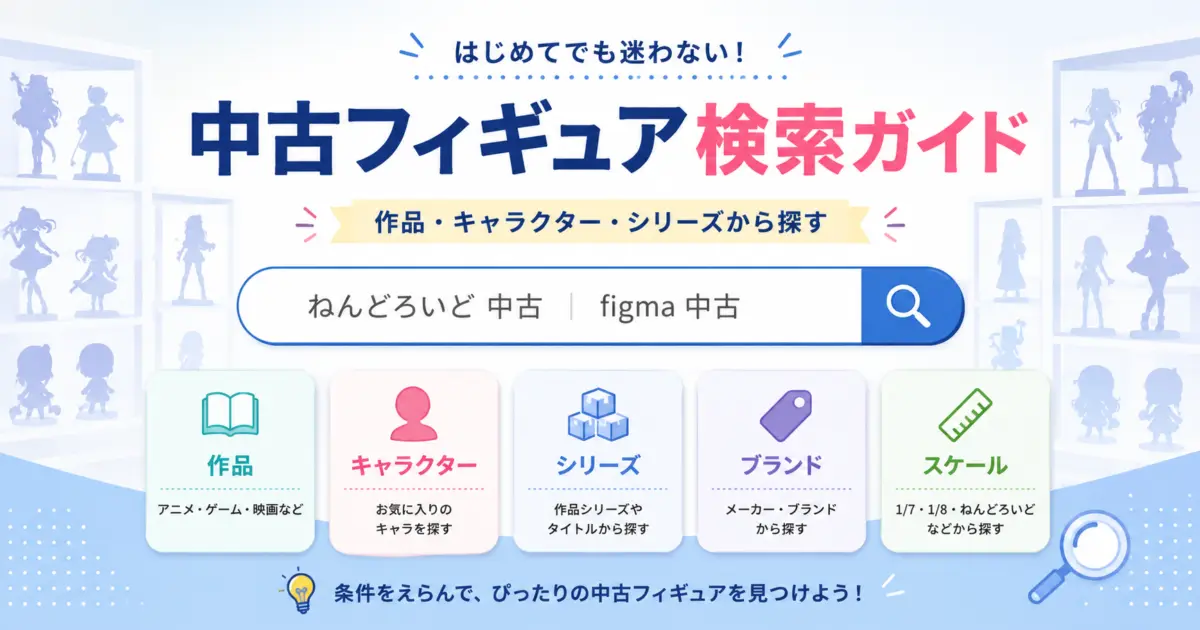
The secondary market for character figures—ranging from scale models and Nendoroids to posable action figures—has officially entered a new era of mainstream maturation and complex financial valuation. Once viewed strictly as a niche hobby or a subculture preserved for dedicated hobbyists and otaku, the resale market has exploded into a multi-billion-dollar global economic powerhouse. Driven by advanced digital platforms, real-time pricing data algorithms, and a surging population of adult collectors with disposable income, buying and selling pre-owned collectibles has transformed into a sophisticated, highly regulated marketplace.
This comprehensive market analysis explores the driving forces behind the current valuation boom. It highlights how platforms like Yahoo! Auctions and specialized resale ecosystems are reshaping the collector experience, examining changing consumer behaviors, price transparency, and the delicate balance between nostalgic passion and investment-grade acquisition strategies.
Detailed Chronology: From Niche Hobby to Mainstream Economy
To fully understand the modern landscape of the secondary figure market, one must trace its evolution from informal peer-to-peer exchanges to structured, algorithmic marketplaces.
Phase 1: The Grassroots Era (Early 2000s – Early 2010s)
In the early days of modern figure collecting, the secondary market was largely decentralized. Transactions relied heavily on message boards, text-heavy forums, online auction boards with minimal security, and physical specialty shops in districts like Akihabara in Tokyo or imported goods stores overseas. Price discovery was opaque; collectors depended on personal intuition, scarce import catalogues, or word-of-mouth reputation to determine the value of a rare scale figure. Scams, counterfeit products, and volatile international shipping costs presented significant barriers to entry for casual fans.
Phase 2: The Digital Platform Expansion (Mid 2010s – 2020)
As global interest in anime, gaming, and pop culture accelerated, dedicated digital marketplaces emerged. The integration of smartphone apps, secure escrow payment systems, and standardized grading metrics streamlined transactions. Platforms began implementing automated translation services and international proxy shipping options, allowing Western collectors to bid on Japanese domestic auctions in real-time. This era saw the initial convergence of casual fandom and serious investment, as limited-run releases from manufacturers like Good Smile Company, Alter, and Max Factory began commanding substantial premiums shortly after their initial retail windows closed.
Phase 3: The Algorithmic & Institutional Era (2021 – Present)
Today, the secondary figure market operates with a level of sophistication previously reserved for traditional stock exchanges or fine art markets. Price tracking software aggregates historical sales data across multiple platforms, offering buyers and sellers instantaneous market valuations. Authentication services have become more rigorous, and platform operators actively deploy machine learning tools to flag counterfeit listings. The line between "collector" and "investor" has increasingly blurred, bringing both unprecedented liquidity and new regulatory challenges to the hobby.
Supporting Context & Metrics: Decoding the Resale Boom
The economic resilience of the second-hand figure market stems from a convergence of macroeconomic factors and shifting consumer demographics. Recent market metrics highlight several defining characteristics of this ongoing boom:
- Demographic Shifts: A significant portion of the primary buying demographic now consists of Millennials and older Gen Z consumers who possess stable disposable income and a deep emotional connection to modern media franchises.
- The Scarcity Premium: Unlike mass-produced consumer electronics, high-end scale figures are typically manufactured in strictly limited quantities based on initial pre-order numbers. Once production closes, the supply is permanently fixed, creating natural upward pressure on prices for popular characters.
- Condition-Driven Valuation: Unlike vintage toys where loose or unboxed items still hold value, the modern figure market places an extreme premium on mint-in-box (MIB) or pristine condition items. Original packaging, inclusion of all interchangeable parts, and certificate authenticity cards can swing a figure’s resale value by 50% to 200%.
Popular Categories Driving Market Volume
- 1/7 and 1/8 Scale PVC Figures: Highly detailed, static artistic pieces representing peak craftsmanship from premier sculptors. These consistently yield the highest long-term appreciation rates.
- Nendoroids & Chibi Collectibles: Known for their versatility and massive character rosters, these maintain high liquidity with rapid turnover rates on peer-to-peer marketplaces.
- Action Figures (Figma, S.H.Figuarts): Favored by collectors who enjoy dynamic posing and photography, though articulation wear and tear require careful grading by secondary sellers.
Official Statements and Industry Insights
Industry analysts and marketplace operators have increasingly emphasized transparency and consumer protection as the market matures. Leading platforms have rolled out upgraded verification protocols designed to weed out bootlegs—counterfeit figures that historically plagued unvetted auction sites.
"The secondary market is no longer just about nostalgia; it is a dynamic ecosystem fueled by data transparency and global connectivity," notes a leading market researcher specializing in Japanese pop culture exports. "When a collector purchases a pre-owned figure today, they expect verified authenticity, precise condition grading, and historical price comparisons at their fingertips. Platforms that fail to provide this level of infrastructure will quickly lose consumer trust."
Furthermore, secondary market experts point out that while speculative buying exists, the emotional anchor of the hobby remains its primary driving force. Most collectors participate out of a genuine appreciation for the source material, treating financial appreciation as a secondary benefit rather than the sole objective.
Future Outlook: Navigating the Next Generation of Collecting
As we look toward the future, the secondary figure market faces both promising opportunities and complex hurdles.
Key Trends Shaping Tomorrow’s Market:
- Advanced Anti-Counterfeiting Tech: Manufacturers are increasingly adopting NFC tags, holographic seals, and blockchain-based certificates of authenticity to help secondary buyers instantly verify legitimate products via smartphone applications.
- Sustainable Packaging and Preservation: With environmental concerns growing, the industry is navigating how to maintain collector demands for pristine, mint-condition packaging while reducing unnecessary single-use plastics.
- Global Logistics Stabilization: As international shipping lanes and postal frameworks stabilize post-pandemic, cross-border trade of pre-owned figures is expected to become even more frictionless, further globalizing price trends across Japanese and Western markets.
Ultimately, the second-hand figure market has successfully graduated from a subterranean hobbyist pursuit into a formalized, data-driven economic sector. For collectors, navigating this space successfully requires a blend of passion, market awareness, and careful attention to authenticity and condition. As platforms continue to innovate and refine their verification processes, the secondary market will remain a vibrant, essential pillar of global pop culture collecting for years to come.







Belum ada komentar. Jadilah yang pertama berkomentar!